“We took the approach of plan, study, act,”
Applauding the #changemakers of Knapp Elementary!
Principal Rich Wytonick & Asst. Principal Melissa Damaschke of @RacineUnified are rewriting the story of education.
Learn about their remarkable journey. https://t.co/dmfZNrLvCO
Everyone can agree that learning builds on itself yet using and designing carefully aligned curriculum seems to be deemed as not treating teachers as professionals. It puzzles me.
@GaleMorrisonEd @ReadingShanahan@burnsmk1@PamelaSnow2@Suchmo83 And please include what score on each constitutes “literate.” 25th percentile? If so, then maybe we should rename the categories for assessments and not call “proficient” above the 60th percentile.
🧵Feedback is an area that often unnecessarily burdens teachers and steals too much time.
Feedback doesn't need to require a teacher to sit for hours and write comments on pages. In fact, that's often one of the least effective methods.
Ideas to try instead.
1/
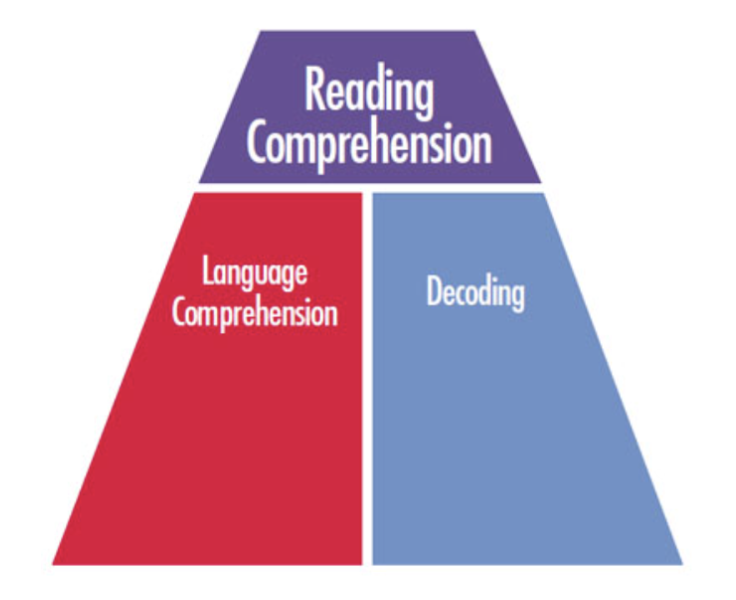
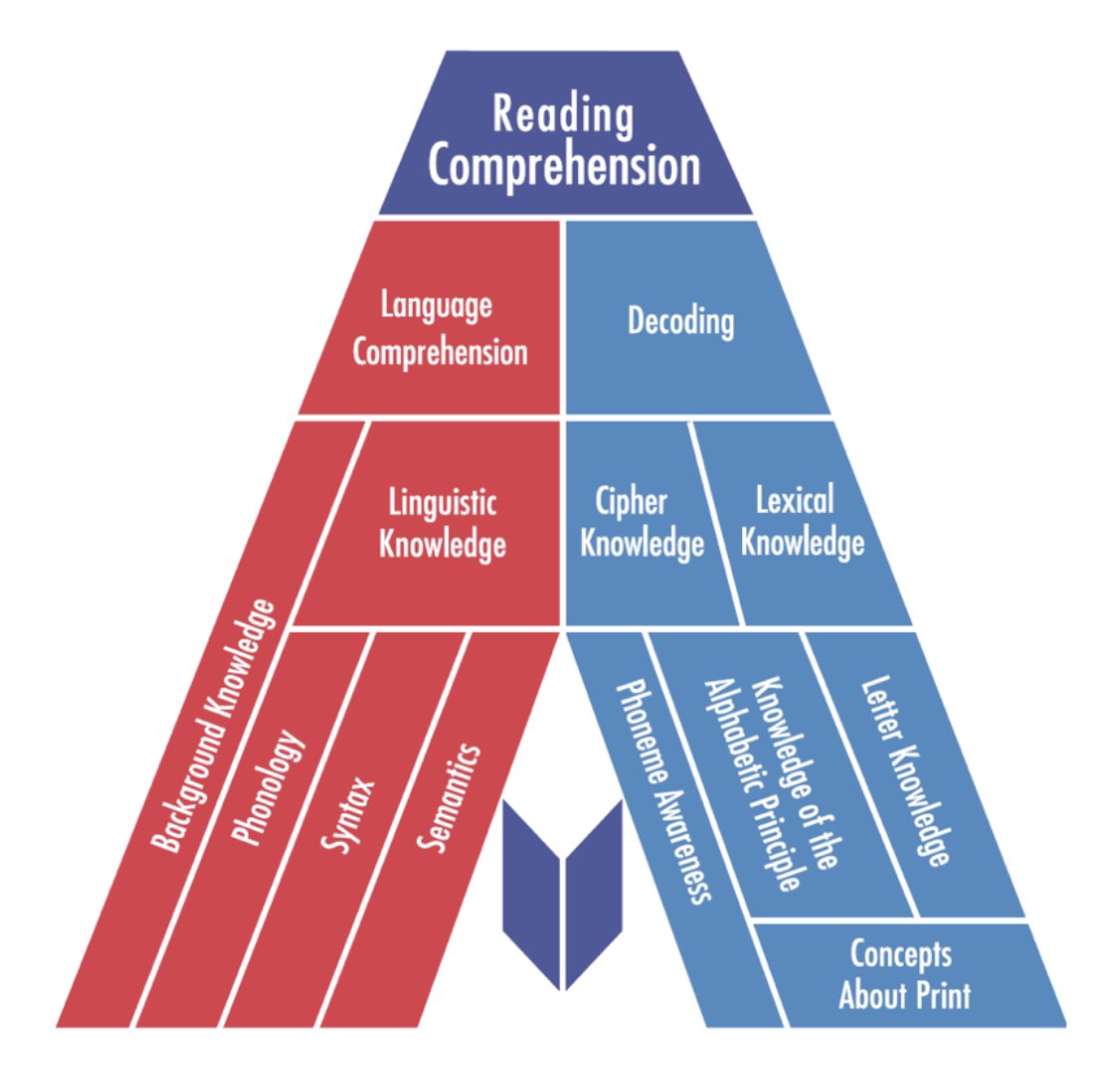
So why is the Simple View of Reading simple but simultaneously complex? Well it's simple because it confirmed that both decoding and language comprehension are necessary for reading success. It's complex because acquiring and integrating all the parts is very complex! 👇
Yes! This! I attempted to argue this at a state Early Literacy gathering last week. If we are going to legislate literacy then we need to be very clear on what being literate looks like. We have a huge assessment problem in K-12. @ehanford @kymyona_bork @markseidenberg
@DTWillingham@NickKristof Again, this is the problem of referring to these tests as "reading" tests. As my colleague @AlanKamhi notes, the term reading conflates word recognition and comprehension and can lead to wrong conclusions https://t.co/vaVGcaiShA
“Many states are supporting the increased assessment…but there has been relatively less concern for providing the additional support needed for more extensive PD for Ts, and EXTRA Ts AND INSTRUCTIONAL MATERIALS for targeted instruction.” 🎯🎯🎯
Glad @NickKristof boosts phonics instruction, but he should know it will not turn every American child into a proficient reader. It will make more of the competent decoders. Reading also requires fluency, background knowledge for comprehension, and more. https://t.co/0fEI2c7e6f
@karenvaites@ReadingShanahan@DTWillingham The largest problem we have in K-12 is determining what “literate” is. Our discrete assessments for phonics & PA show great growth. Our standardized state test or MAP tests don’t correlate. What are we TRULY assessing?
Spot on, as always. We WILL improve by explicitly teaching the code, but we are being sold a story that it’s a silver bullet…..it is not. Be prepared to be disappointed.