nariz empinado, peito estufado, marrento, folgado, problematico, craque de bola com um gestual unico
é tudo que nois queria ser quando era criança
um em um bilhao
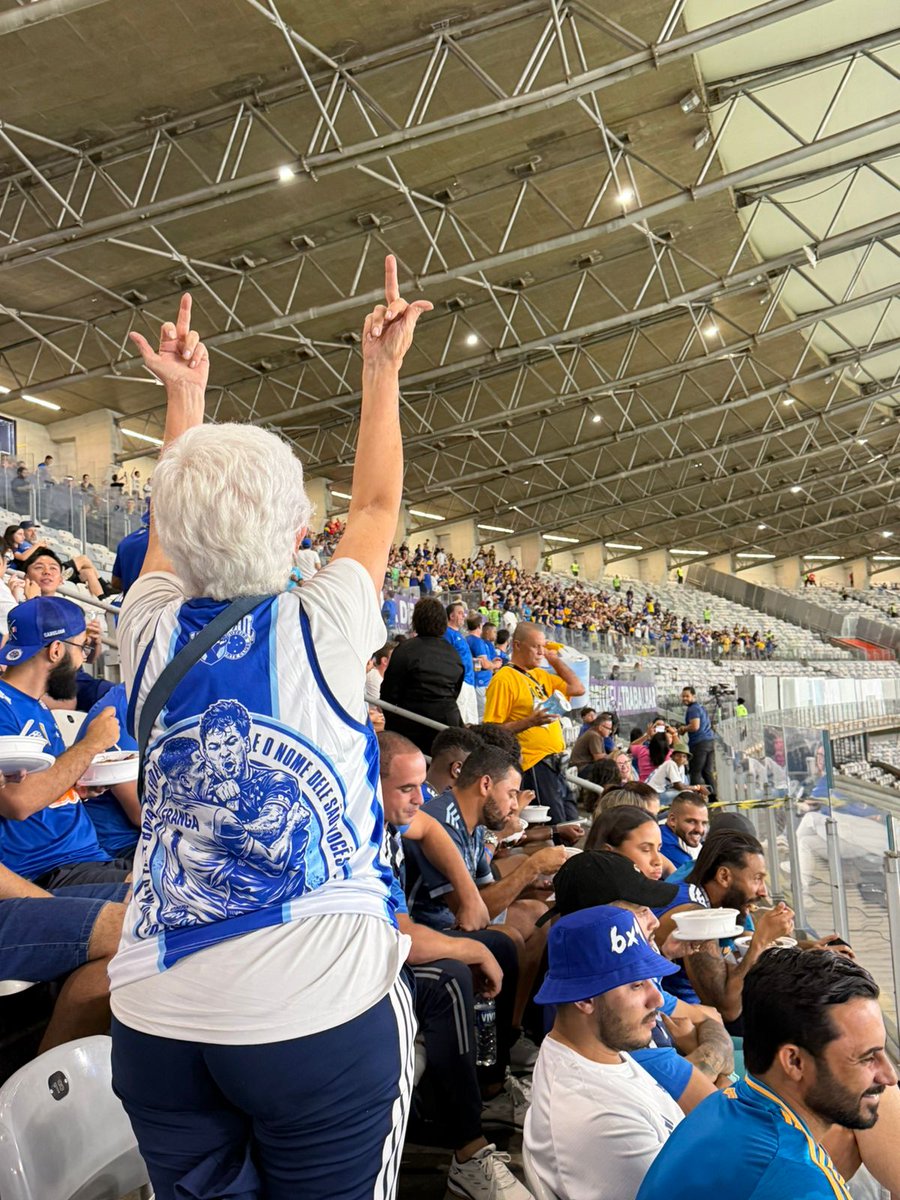
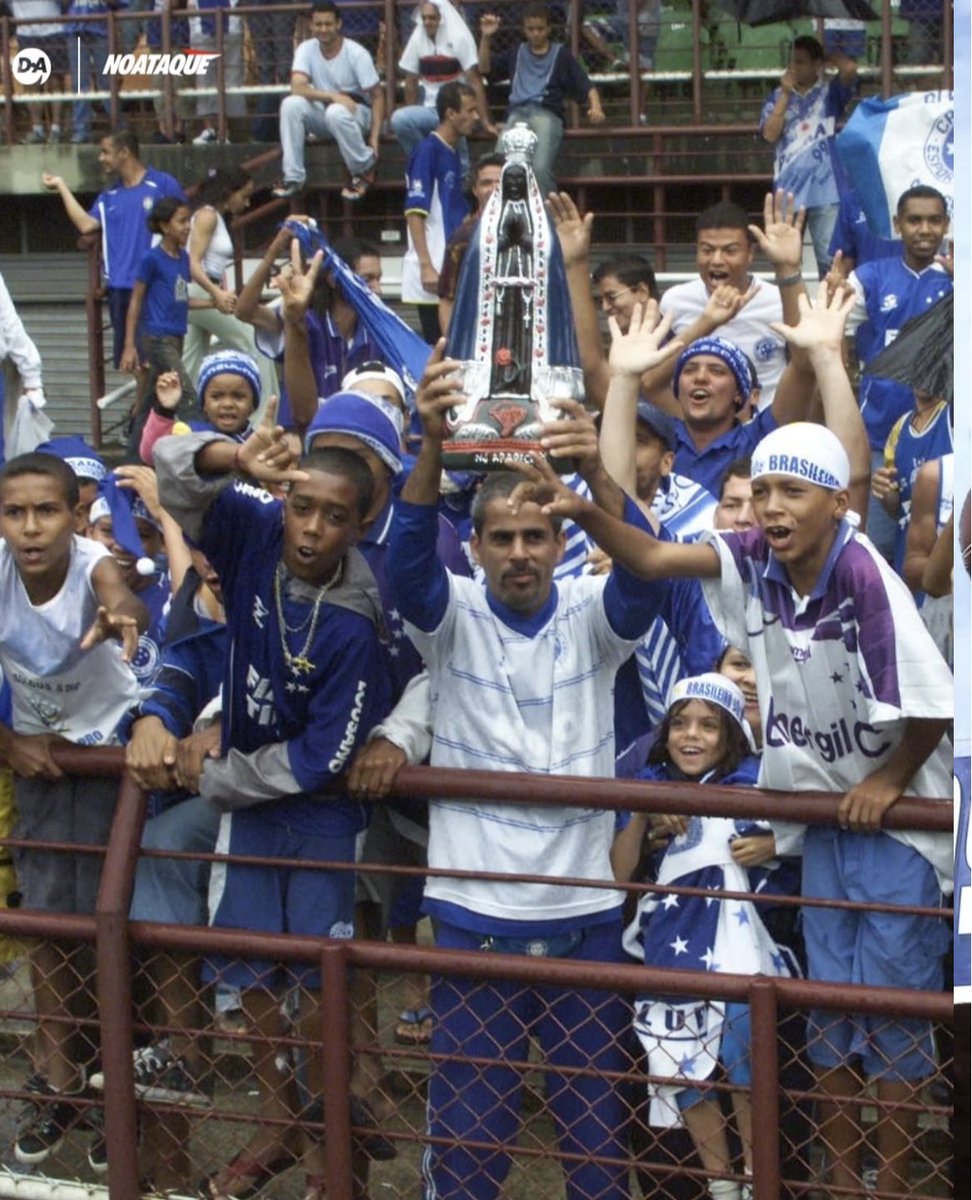
A verdadeira essência do Mineirão numa foto. Geral, ingresso que o povo podia pagar, farda no peito e a fé inabalável.
Que saudade dessa atmosfera raiz!
Sou obcecado na figura do Tostão. Maior artilheiro da história do Cruzeiro, campeão do mundo, largou o futebol aos 26, virou médico, professor e é um dos poucos que verdadeiramente pensam o futebol no Brasil.
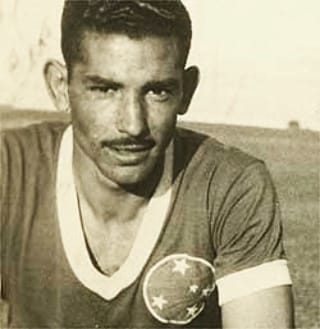
From the football pitch to the front against fascism: Adelino
World War II years were a period when, unlike today, the cliché that “football and politics are separate things” was not very valid. Football history is full of stories of footballers who joined the resistance against the Nazis in different countries, from France to Italy. In this article, we go to Brazil and tell the story of legendary footballer Adelino Gonçalves Torres.
Adelino spent almost his entire career wearing the shirt of Cruzeiro Esporte Clube, one of Brazil’s major clubs. During this period, he played 430 matches and became one of the players with the most appearances in the club’s history. He won Campeonato Mineiro titles with Cruzeiro in 1943, 1945 and 1948. He was also included in the club’s “Hall of Fame” roster created in 2012.
What separated Adelino from many other footballers was the fact that he joined the war while his active football career was still continuing. In 1944, he joined the Brazilian army and was sent to the Italian front to fight against the fascists. He took part in critical battles such as Monte Castello and Montese. He narrowly escaped death after a grenade exploded near him. Because of the nickname given to soldiers of the Brazilian Expeditionary Force, he became known as “O Pracinha” (“The Little Soldier”).
“I lived through days of terror. There I was, watching comrades fall, riddled with enemy bullets. I must have sent many Germans to the other world, I don’t know exactly how many, and I don’t like to remember those days. After a grenade exploded a few meters away from me, I was taken to a hospital in Livorno because of the air displacement caused by the blast. When I came to, I was between white walls and nurses who did not speak our language,” he recalled in an interview with Diário da Tarde on March 7, 1958.
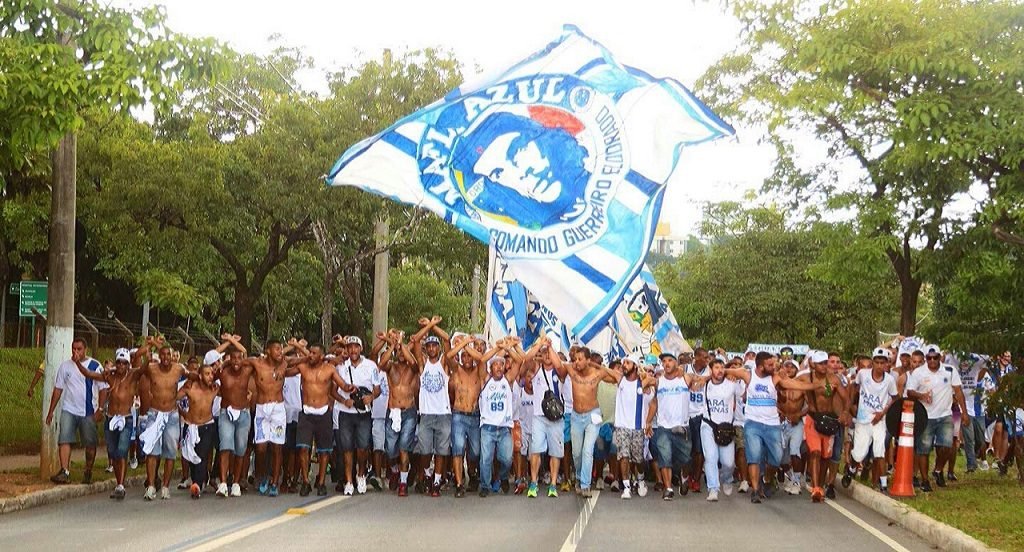
After returning to Brazil, he started wearing the Cruzeiro shirt again in September 1945. In the late 1940s, during a period when the club was going through a financial crisis, Adelino accepted a salary reduction and remained at Cruzeiro. He also worked in a shoe factory to supplement his income. After retiring from football, he continued working within Cruzeiro. It was Adelino himself who brought Dirceu Lopes, considered one of the greatest talents in Brazilian football history, to the club in 1963. Cruzeiro’s anti-fascist supporters group Resistência Azul Popular carries flags featuring Adelino’s image, and even today it is still possible to find traces of Adelino in Cruzeiro’s stands.
Cruzeiro is a club founded by the Italian community in Belo Horizonte and has a strong connection with the Barro Preto neighborhood where it is located. Even today, it is possible to come across murals in the area referencing Italian partisans. The club’s original name was Palestra Italia. During World War II, because Brazil entered the war against Italy, the club was forced to change its name and the Italian community faced persecution. The club chose the name Cruzeiro, representing the Southern Cross constellation, one of Brazil’s main national symbols. Among the Italian immigrants were many socialists and anarchists, who even led some of the major strikes in Brazil. The community was mainly made up of workers, craftsmen and merchants.