Found this really cool resource from @savingoceans that serves as an interactive guide to the world's #MPAs. It separates them by level of protection, management, and type of protection they provide, among many other things. Definitely check it out!
https://t.co/8p5okdFE6v
Species Spotlight: Sperm Whale🐋
-Is the largest toothed predator on earth
-get their name from an organ called the spermaceti in their head
-was the inspiration for Moby Dick
-is listed as vulnerable by the @IUCN but populations are recovering since the moratorium on whaling
Good news! The Oregon Fish & Wildlife Commission voted on Friday to protect Southern Resident orcas under the state’s #EndangeredSpeciesAct, responding to a 2023 petition from @CenterForBioDiv, @Defenders, & @whalesorg.
Read more. 🔽🔽 https://t.co/qpraywkf5Z
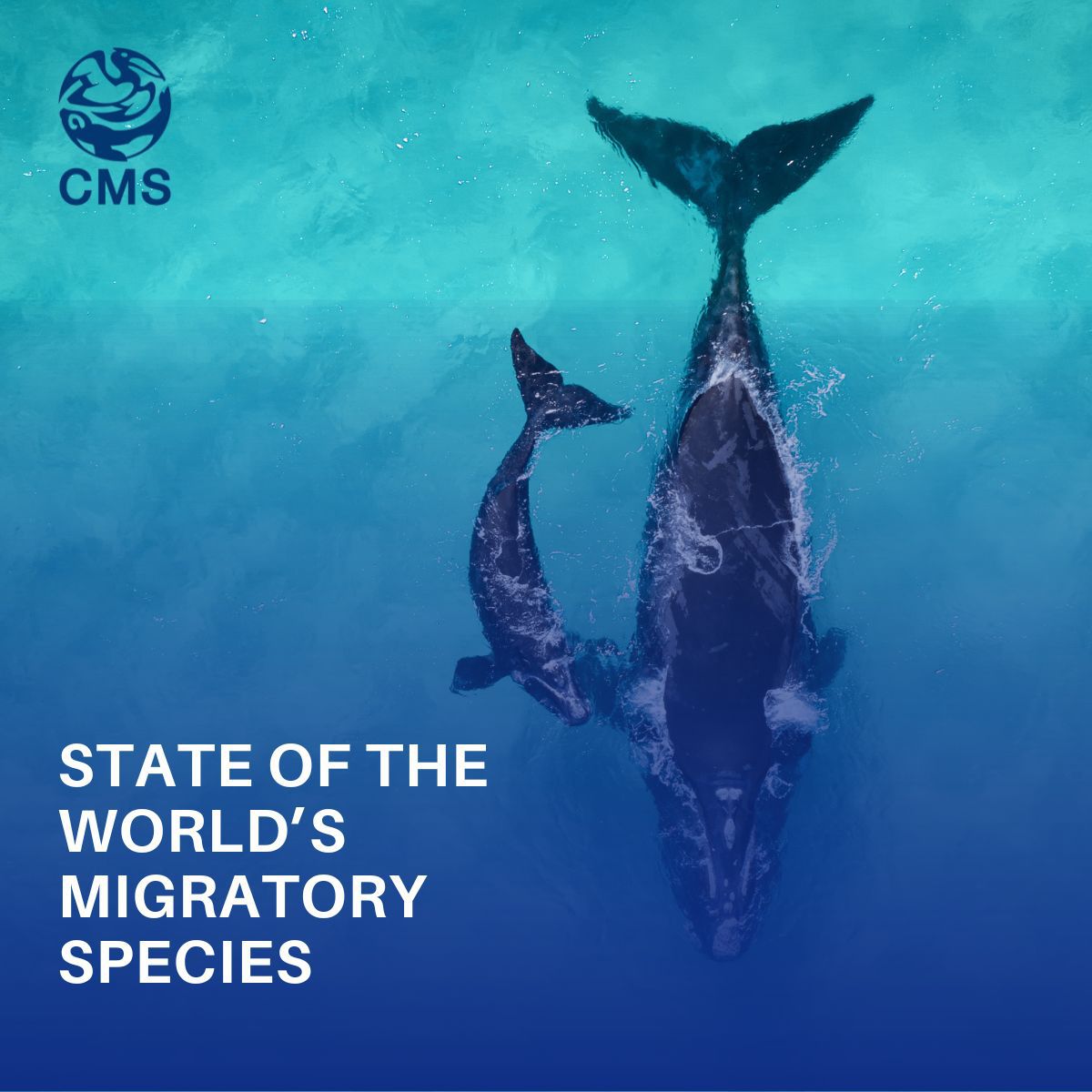
The first-ever State of the World’s Migratory Species Report found nearly half (44%) of CMS-listed migratory species are showing population declines.
Data from the IUCN Red List was instrumental in informing the conclusions of the report.
https://t.co/F6Owz1fNr5
#CMSCOP14
Our planet just had the warmest January ever documented.
New data confirms the record-breaking trend seen for much of 2023 continues in 2024.
The urgency for #ClimateAction has never been clearer.
More from @WMO: https://t.co/KrXDL9Vw9d
Interesting piece, for those not up for a read, sand tigers🦈:
-have low growth rates, making them vulnerable for longer
-are very migratory, and require global networks of conservation cooperation
-populations are down up to 90% in parts of their range over the last 40 years
This is on a slightly different note from what I normally post, but I've done some field work regarding invasive plants in the past, and let me tell you, once you know what to look for, they really are EVERYWHERE. I can't imagine what it'd look like if it's getting worse
#ClimateChange is expected to usher in more #InvasivePlants to much of the eastern United States. Many of these plants could come with harmful consequences to the environment, agriculture, the economy and human health. @WorldofWeeds@CambridgeCore https://t.co/ehpxcf3Jag
It’s not surprising to find plastic and many other pieces of waste floating alongside beautiful corals and schools of fish. But you can help prevent an even more plastic-filled future for our oceans. Here are 5 tips to get you started.
https://t.co/n3P3UJzRWd
Anglerfish take “till death do us part” to an extreme. It's hard to find a mate in the deep ocean. So, when a male finds a female, he bites onto her & never lets go. For the rest of his life. He even becomes a part of her circulatory system. #ValentinesDay https://t.co/Ep10SoJGFQ
Learn more: https://t.co/aWW1fbUCBI
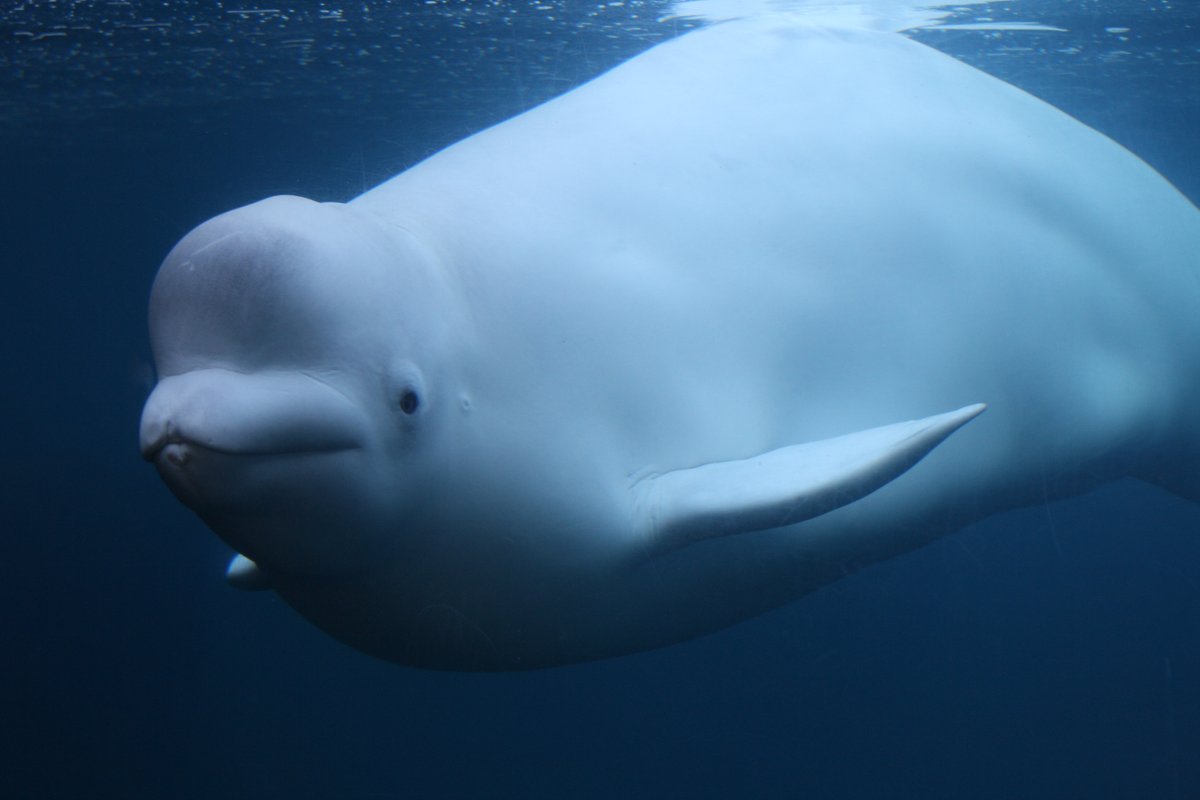
Fun fact: seeing Beluga Whales at the Shed Aquarium is one of my earliest memories, and something I attribute to me pursuing a career in conservation, and I can confidently say many people probably have similar stories
Happy #WhaleWeek! Whales are truly amazing creatures, and worthy of protection for future generations to come. Although global whale populations have rebounded since their low point at the height of the whaling industry, that doesn't mean that the fight is over🐳🐳🐳
Happy Valentine's Day!
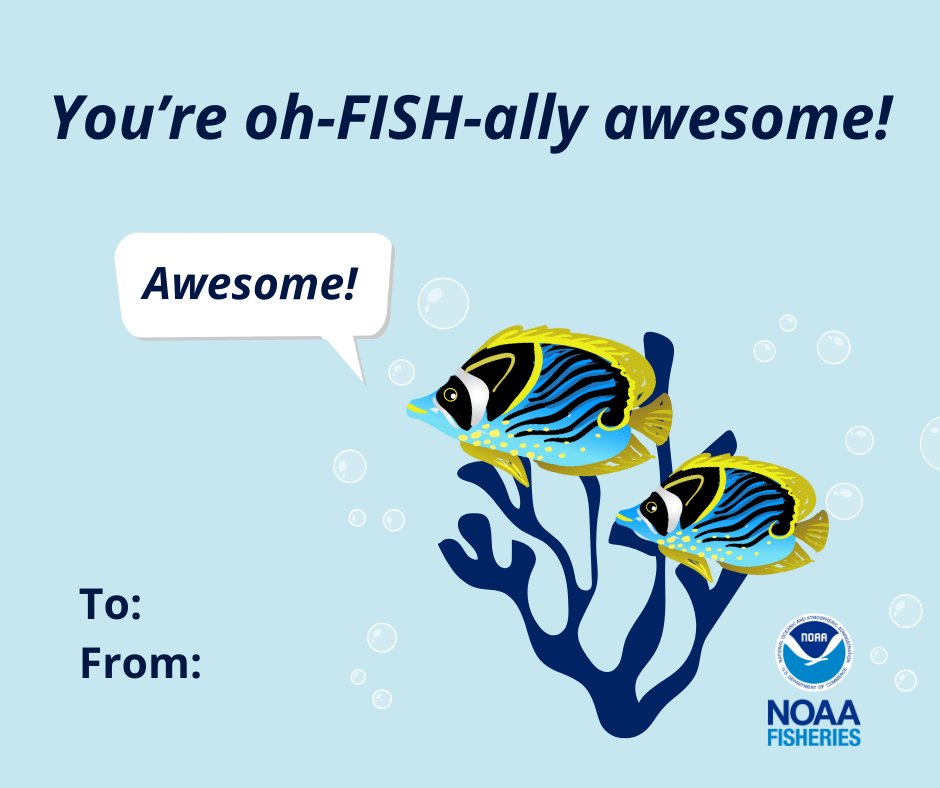
Show your friends you care (about marine life) with these punny Valentine’s Day cards: https://t.co/URD8Fe4ddu
Love, NOAA Fisheries