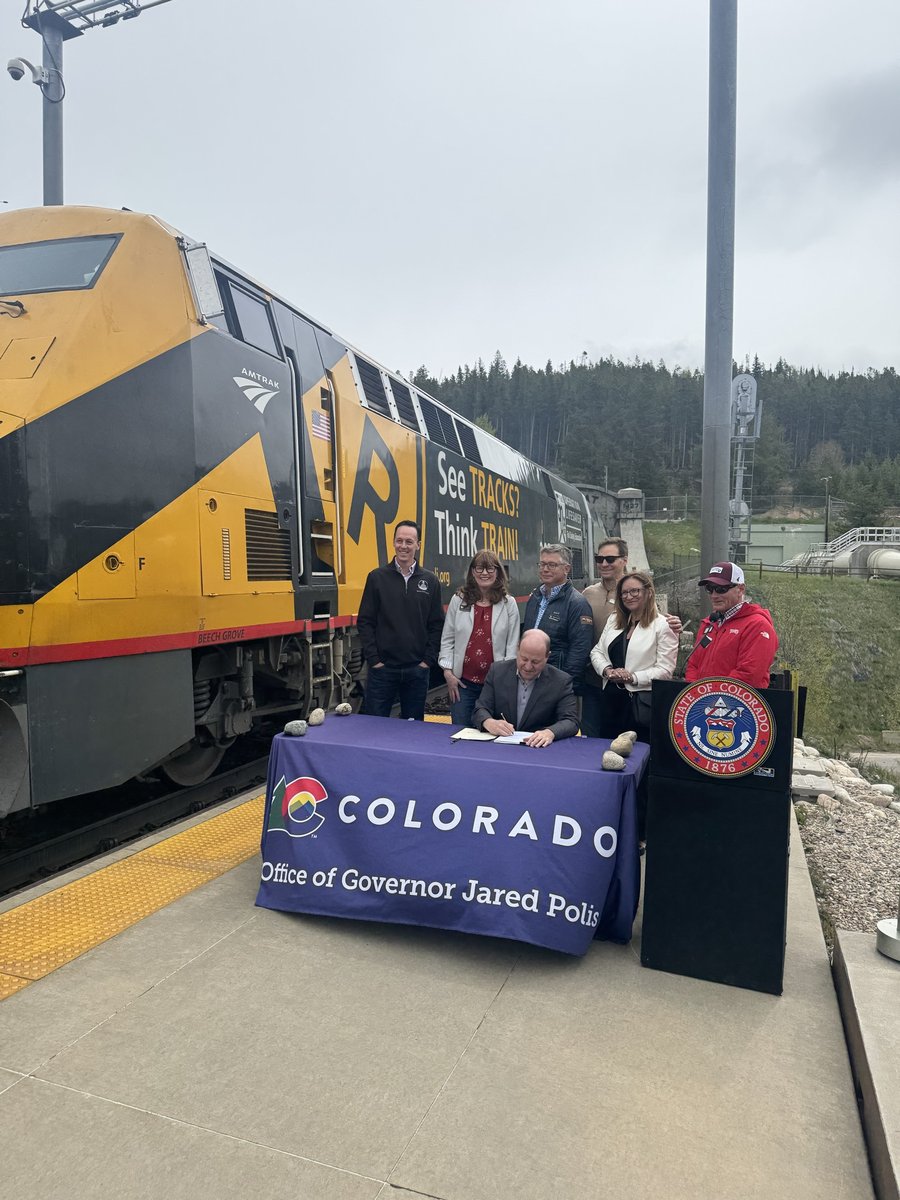
This #coleg session brought some more gains for the push for increased housing construction — but not as many as @GovofCO or groups like @COHomeBuilders would have liked: https://t.co/JWlUxxBsEX
The data center boom is a useful humility check for climate/energy wonks.
A lot of 2050-style planning implicitly assumed we could know future energy demand well enough to centrally plan the “right” decarbonization pathway.
But new things happen. Sometimes big things. And there are probably more to come.
Climate world used the appearance of modelable certainty as a substitute for political realism.
We found modeled pathways where climate goals looked achievable and socially acceptable. Then we mistook support for those specific scenarios as broad buy-in for climate as an overriding priority.
But society does not primarily optimize for climate. It wants growth, convenience, security, novelty. True abundance.
So when conditions changed, and “the plan” started conflicting with those priorities, society did what it was always going to do. It chose its actual priorities.
That should not shock us. This is why it is possible for the Biden-era high (or what felt like one to many) to have so quickly turned the other way. It was always very fragile.
The job is not to design a great climate plan that relieves your anxiety and then wait for society to get on board.
The job is to relentlessly work on climate solutions that society wants anyway, no matter the situation we find ourselves in.
Be nimble, keep pushing things forward, and over a lifetime you’ll make a big difference.
In the smallest of towns and the biggest of cities, eliminating parking minimums can help boost small businesses, promote housing development, and prioritize people over parking. https://t.co/EGKyZ380uf
Nearly 1 in 3 new cars sold in Colorado last year was electric.
According to the Colorado Energy Office, the state ranked #1 in the nation for EV adoption. There are over 210,000 EVs on Colorado roads today.
But the charging infrastructure, especially outside the Front Range, hasn't kept up. That's exactly why the $17M DCFC Plazas program exists.
If you own or operate a property in Colorado, now is the time to look at what this grant could mean for your site. Read more: https://t.co/vZb1U8xvuv
At #CNU34, we're launching a pilot world-class transit system for Northwest Arkansas to support walkable, mixed-use growth. 🚌 Learn more: https://t.co/TOxx8Yl6B6
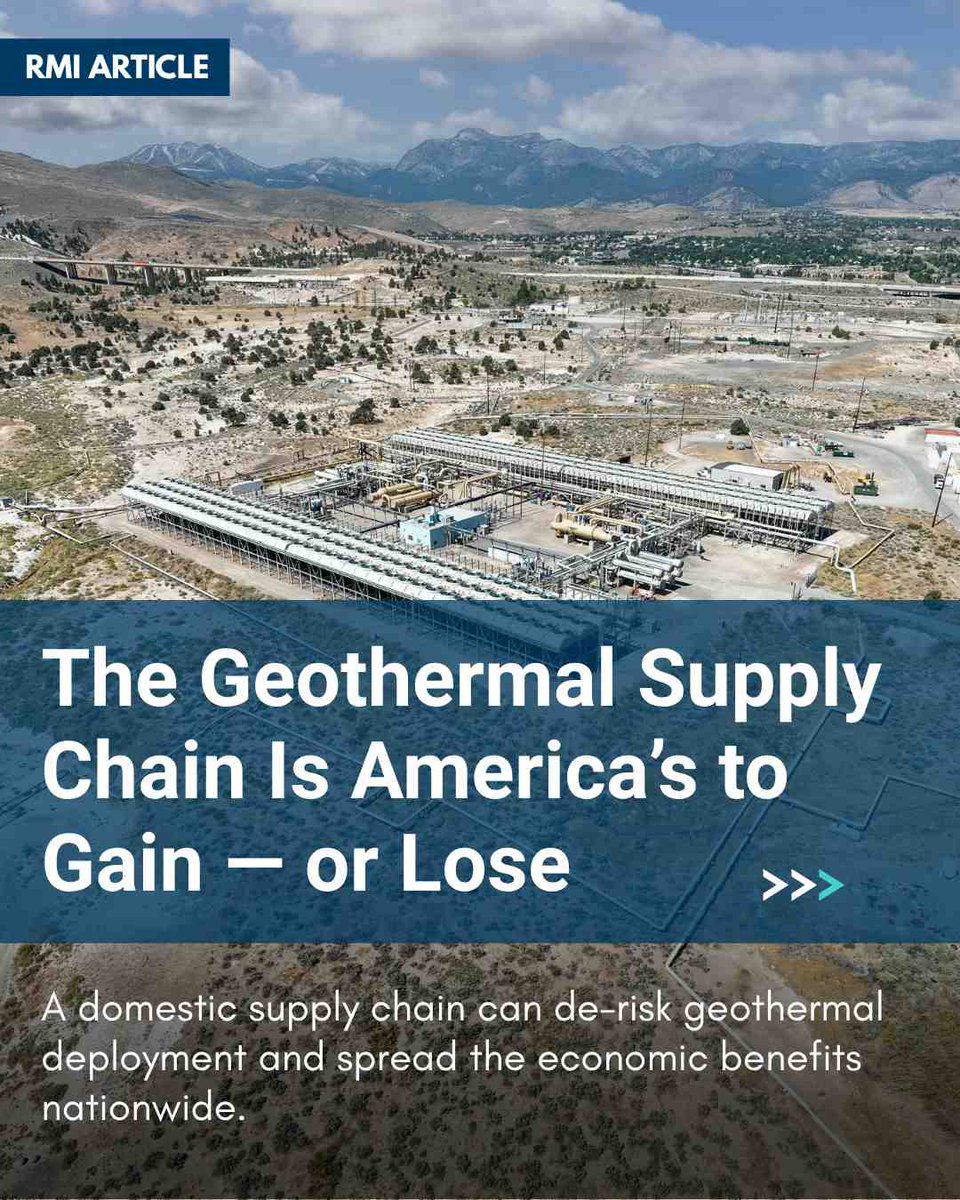
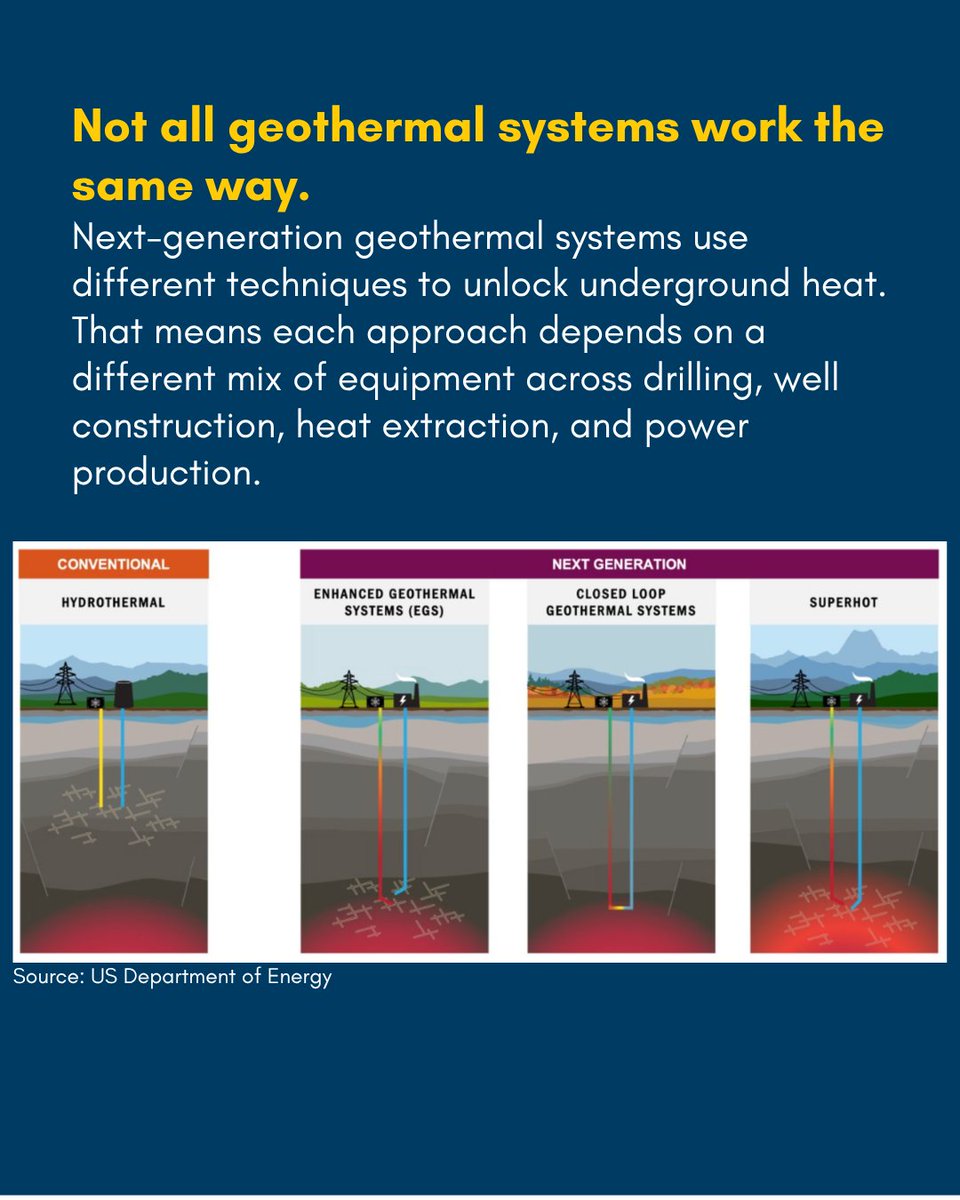
Next-gen geothermal energy shows increasing promise as a reliable, ready-to-use source of energy in the US — if the equipment supply chain can be built. Manufacturing expertise from the oil and gas industry, targeted policy, and better data can help:
https://t.co/VYXdy9fYZx
Nuclear industry executives have confirmed that a group of US utilities are seeking loan guarantees from DOE to order long-lead components for up to 10 @WECNuclear AP1000 reactors.
https://t.co/StYOz2Yfj4
There’s a lot of cognitive dissonance in the power debate right now.
On one side: data centers are framed as the source of all evil, driving electricity bills higher and consuming every incremental megawatt.
On the other: people still haven’t fully internalized what broad-based electrification and decarbonization actually require. Electric vehicles, heat pumps, industrial electrification, reshoring, transmission upgrades, battery manufacturing, air conditioning growth, etc. This was always going to be an enormous power demand story.
That’s why I keep coming back to the same point: AI/data centers may be one of the best things to happen to grid investment in decades.
For the first time in a long time, you have:
-governments prioritizing infrastructure
-corporates willing to sign long-duration power contracts at above market prices
-capital markets willing to fund generation/transmission
-customers that can actually support the returns needed for massive buildouts
Does it solve everything perfectly? Of course not. There will be bottlenecks, local stress, permitting fights, bad projects, longer thermal runoff period,and periods of volatility.
But absent another generational supercycle where incentives align across utilities, policymakers, infrastructure developers, and private capital, this may be one of the strongest opportunities we get to materially modernize and expand the grid, ever!
Also a little convenient how some of the loudest proponents of gas stove bans, EV mandates, and broad electrification are suddenly treating data centers as the sole culprit behind higher power prices.
If you've climbed a Colorado 14er in the last two years, you've benefited from federal trail crews you'll probably never meet.
A leaked Forest Service report says 22% fewer trail miles were maintained in 2025, reaching a 15-year low. Some ranger districts lost their entire trail staff.
Here's what that means for this summer: https://t.co/RN3KWI4CAp
Excellent story by @charlierybak on MnCIFA & the incredible work of exec director, Kari Groth Swan & team. @CleanEnergyMN strongly supports this bill | Minnesota’s Green Bank Wants to Grow—It Just Needs the State Legislature’s Permission #mnleg https://t.co/0yCXOO5HtP via @tcbmag
NEW: U.S. Steel is planning a “direct reduced iron” plant at Big River Steel Works in Arkansas, where it’ll combine with electric arc furnaces to create a model for cleaner steelmaking.
https://t.co/6g6ugQavoe
@jdcmedlock In his fiscal defense , his own reply tries to inject course correction for revenue to cover the fiscal hole a suspension would cause as points to the very little dynamic effect on pricing for consumers this policy would have vs the wars continued effect. This is the best slop
🚌 Beep beep! An improved RTD is making its way through the Colorado Capitol 🚌
Reps. Meg Froelich and Jamie Jackson's bill to modernize and improve RTD just passed in committee!
Learn more ⬇️
https://t.co/eXwGWXUfSs
There seems to be a “shut it down till we know what’s going on” or “till tech companies behave” approach in data center opposition. Well intentioned or not, it’s hostile to the very idea of democratic governance over technology and capital.