INTELIGENCIA ARTIFICIAL AGÉNTICA
DESDE LA PERSPECTIVA DE PROTECCIÓN DE DATOS. 2026
Agencia Española de Protección de Datos
Descargar: https://t.co/owxdBcKNNc
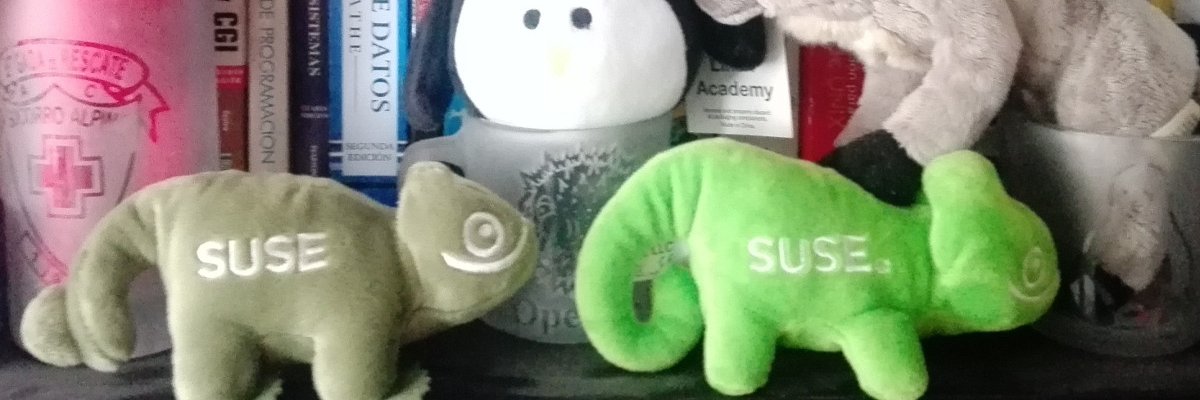
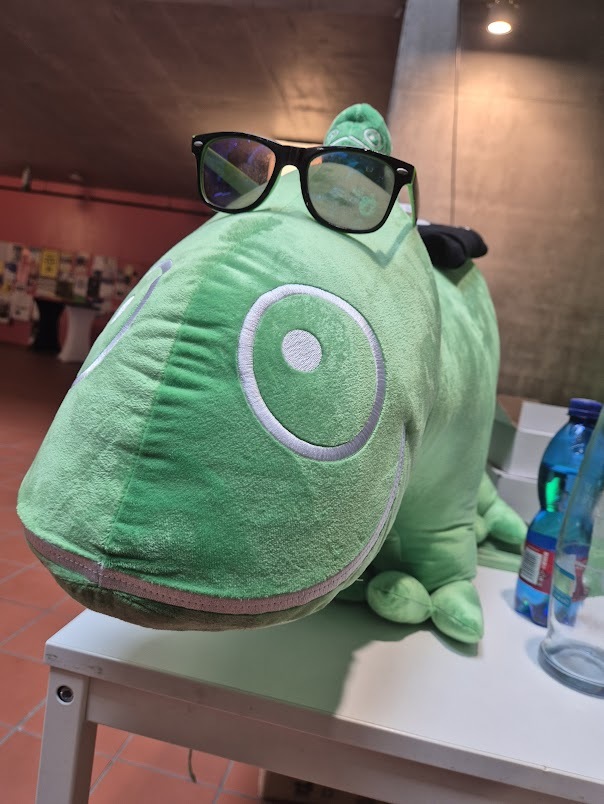
Heading to #LinuxDays 2026 in Prague? Don't miss the openSUSE booth! Come say hello, ask questions, try a quiz, and pick up some stickers. FIT CTU, Dejvice from #October 3-4. 🦎🐧 https://t.co/ZloyYEpA5n
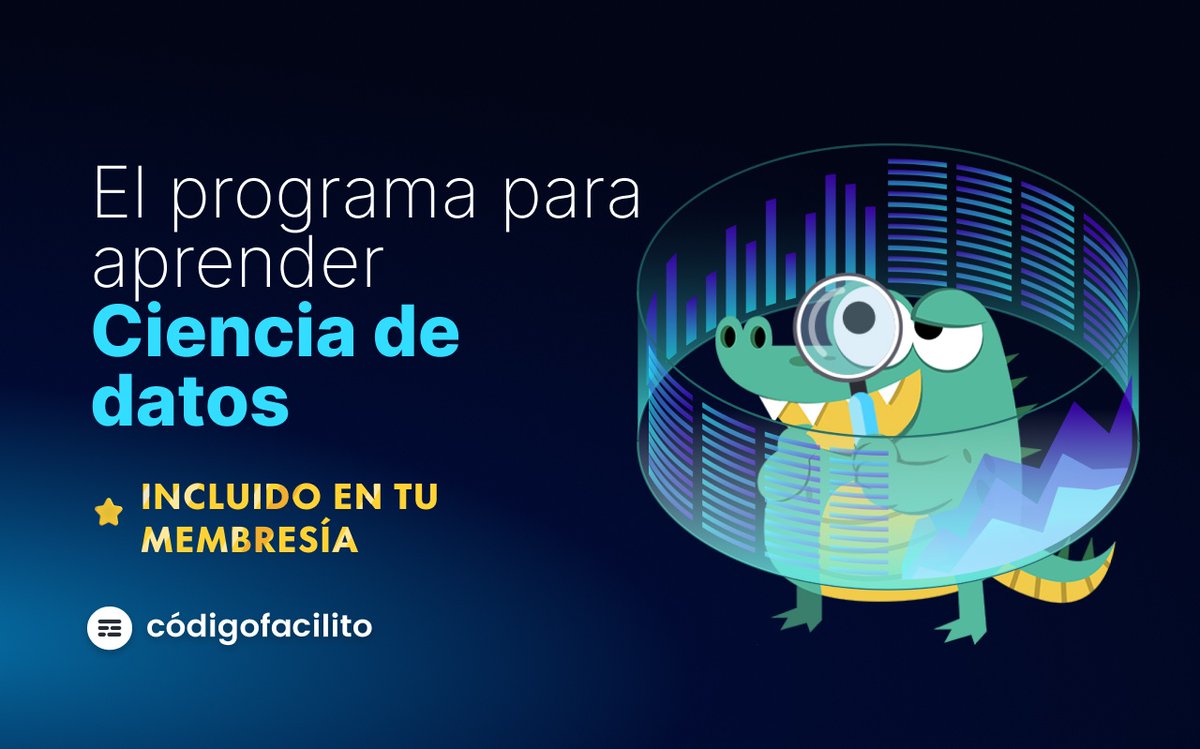
Si eres Premium, este Bootcamp YA ES TUYO ⭐️
Aprende desde fundamentos de Python hasta Machine Learning y análisis de datos con las herramientas más usadas en la industria.
👩🏫 Con asesorías en vivo de Cynthia Castillo @lamatemaga
El software libre y el código abierto son pilares fundamentales en el desarrollo tecnológico de la #UNAM.
📚🔧 🔗 Conoce los principios que guían esta filosofía: https://t.co/glY2M1U8mk
📣 More exciting news coming your way directly from #SUSECON25! Today we revealed enhancements to our core suite of #Linux solutions, including SUSE Multi-Linux Support, SUSE Multi-Linux Manager, SUSE Linux and SUSE Linux Enterprise Server for SAP applications.👉Discover more: https://t.co/Py9nrMzdAR
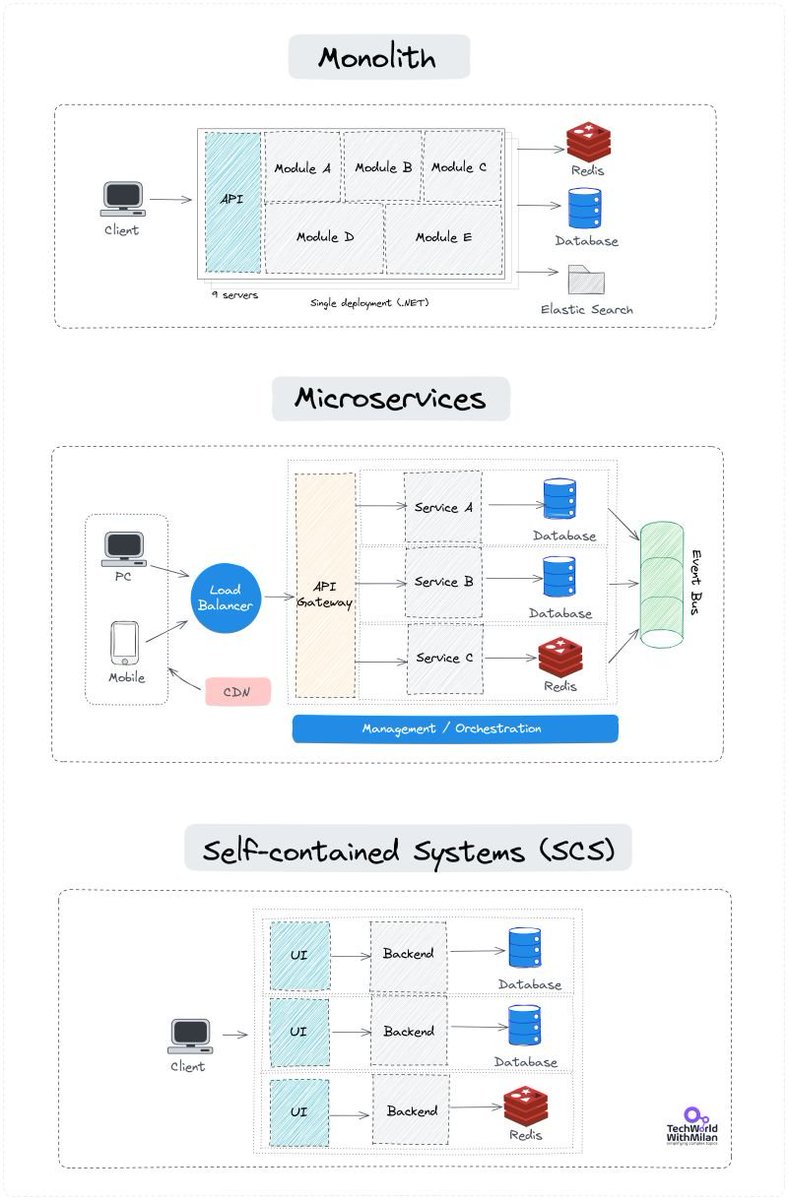
𝗛𝗼𝘄 𝘁𝗼 𝗱𝗼 𝗺𝗶𝗰𝗿𝗼𝘀𝗲𝗿𝘃𝗶𝗰𝗲𝘀 𝗮𝗿𝗰𝗵𝗶𝘁𝗲𝗰𝘁𝘂𝗿𝗲 𝗽𝗿𝗼𝗽𝗲𝗿𝗹𝘆?
𝗦𝗲𝗹𝗳-𝗰𝗼𝗻𝘁𝗮𝗶𝗻𝗲𝗱 𝗦𝘆𝘀𝘁𝗲𝗺𝘀 (𝗦𝗖𝗦) is a software architecture approach that prioritizes the decentralization of applications into independent systems, each with its domain logic, UI, and data storage. Unlike microservices, which are more minor services focused solely on business logic, SCS is more considerable and encompasses a broader scope within a specific domain.
SCS are systems that represent 𝗮𝘂𝘁𝗼𝗻𝗼𝗺𝗼𝘂𝘀 𝘄𝗲𝗯 𝗮𝗽𝗽𝗹𝗶𝗰𝗮𝘁𝗶𝗼𝗻𝘀. They include web UI, business logic, and a database, and they might have a service API. A single team usually owns them.
The main 𝗮𝗱𝘃𝗮𝗻𝘁𝗮𝗴𝗲𝘀 of such systems are:
𝟭. 𝗔𝘂𝘁𝗼𝗻𝗼𝗺𝘆 - Each SCS operates independently with its database, business logic, and user interface.
𝟮. 𝗗𝗼𝗺𝗮𝗶𝗻-𝗮𝗹𝗶𝗴𝗻𝗲𝗱 - SCS is structured around specific business domains, ensuring each unit represents a coherent and meaningful set of functionalities.
𝟯. 𝗗𝗲𝗰𝗲𝗻𝘁𝗿𝗮𝗹𝗶𝘇𝗲𝗱 𝗗𝗮𝘁𝗮 𝗠𝗮𝗻𝗮𝗴𝗲𝗺𝗲𝗻𝘁 - Individual databases per SCS ensure data consistency within their boundaries, reducing cross-service dependencies.
𝟰. 𝗧𝗲𝗰𝗵𝗻𝗼𝗹𝗼𝗴𝘆 𝗗𝗶𝘃𝗲𝗿𝘀𝗶𝘁𝘆 - Allows for different technology stacks to be used across other SCS, suiting the specific needs of each domain.
𝟱. 𝗘𝘅𝗽𝗹𝗶𝗰𝗶𝘁𝗹𝘆 𝗣𝘂𝗯𝗹𝗶𝘀𝗵𝗲𝗱 𝗜𝗻𝘁𝗲𝗿𝗳𝗮𝗰𝗲 - Well-defined interfaces for interactions with other systems, maintaining a clear contract while preserving encapsulation.
𝟲. 𝗜𝗻𝗱𝗲𝗽𝗲𝗻𝗱𝗲𝗻𝘁 𝗗𝗲𝗽𝗹𝗼𝘆𝗮𝗯𝗶𝗹𝗶𝘁𝘆 - Each SCS can be deployed, scaled, and updated independently without affecting other systems.
Such systems go well along with 𝗗𝗼𝗺𝗮𝗶𝗻-𝗱𝗿𝗶𝘃𝗲𝗻 𝗗𝗲𝘀𝗶𝗴𝗻 (𝗗𝗗𝗗).
The first step in creating such systems is domain analysis, which can be conducted by identifying bounded contexts that align with specific business domains.
Each bounded context is then encapsulated within an SCS, which comprises its own data management, business logic, and user interface, ensuring each system is autonomous yet able to interact with others through well-defined APIs when necessary.
Why Self-contained Systems have the 𝗲𝗱𝗴𝗲 𝗼𝘃𝗲𝗿 𝗺𝗶𝗰𝗿𝗼𝘀𝗲𝗿𝘃𝗶𝗰𝗲𝘀:
🔹 𝗕𝗿𝗼𝗮𝗱𝗲𝗿 𝘀𝗰𝗼𝗽𝗲: SCS has a broader scope encompassing the UI, business logic, and data storage within a bounded context
🔹 𝗥𝗲𝗱𝘂𝗰𝗲𝗱 𝗢𝗽𝗲𝗿𝗮𝘁𝗶𝗼𝗻𝗮𝗹 𝗖𝗼𝗺𝗽𝗹𝗲𝘅𝗶𝘁𝘆: Microservices can lead to high operational complexity due to managing many smaller, interdependent services, while SCS is more significant and autonomous.
🔹 𝗗𝗮𝘁𝗮 𝗖𝗼𝗻𝘀𝗶𝘀𝘁𝗲𝗻𝗰𝘆: SCS manages their data, leading to better data consistency within each system, while Microservices often rely on a shared data store.
🔹 𝗥𝗲𝗱𝘂𝗰𝗲𝗱 𝗜𝗻𝘁𝗲𝗿-𝘀𝗲𝗿𝘃𝗶𝗰𝗲 𝗖𝗼𝗺𝗺𝘂𝗻𝗶𝗰𝗮𝘁𝗶𝗼𝗻: SCS, by encapsulating more functionality, requires less inter-service communication than microservices.
#microservices #softwaredesign #programming
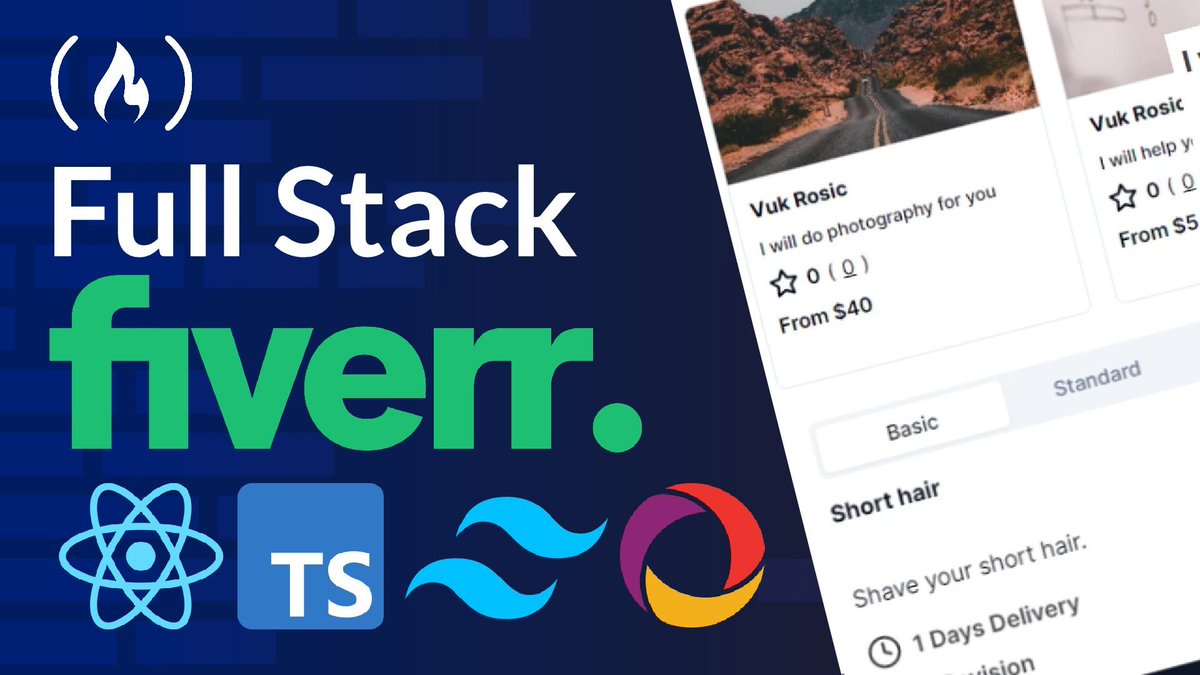
If you want to practice your full-stack dev skills, here's a fun course for you.
You'll build a Fiverr clone using popular tools like Next.js, React, and Tailwind CSS.
The course covers coding the front & back ends, database design, dynamic content, & more.
https://t.co/FLUHB3VbRj
🎉Today at #SUSECON25, we launched SUSE Rancher for #SAP applications. ✅ Built entirely on #opensource technology, this new solution delivers flexibility, security, and operational continuity for enterprises relying on mission-critical operations from SAP in hybrid-cloud scenarios.👉https://t.co/3mDNbjBzvB
🎙️ Your Voice, Your Stage! #oSC25 is looking for amazing talks from #devs, #sysadmins, #designers & more! Choose from 8 tracks & formats that fit your style.
📢 Don’t wait; submissions close April 30! #openSUSE#SoftwareFreedom https://t.co/m089i1dc0F
When you're writing code, you need to think about designing systems that are scalable and maintainable.
And inefficient software design can lead to issues like scope creep, miscommunication, delays, and so on.
In this guide, Soham teaches you Software Design basics along with some helpful best practices to follow.
https://t.co/X4xpKkQvO5
Every #contribution counts! From coding and packaging to design, documentation, and community support; your skills can help #openSUSE grow. Get involved 🌍 Visit https://t.co/pghAcusgpQ