Neuroscience PhD candidate committed to memory in natural and artificial intelligence systems | @sjo09 lab & @Comp_NeuroLab based @SickKids & @UofT | 🇨🇦🇺🇦
Thanks to @UofT for featuring my research on social memory and translating memory mechanisms in the brain into better AI. Read the full story: https://t.co/kt3BsI62KY
Last night’s missile attack completely destroyed the neighbourhood where I grew up. The subway station and everything around it are all ruins now. I will never see this place as I remember it.
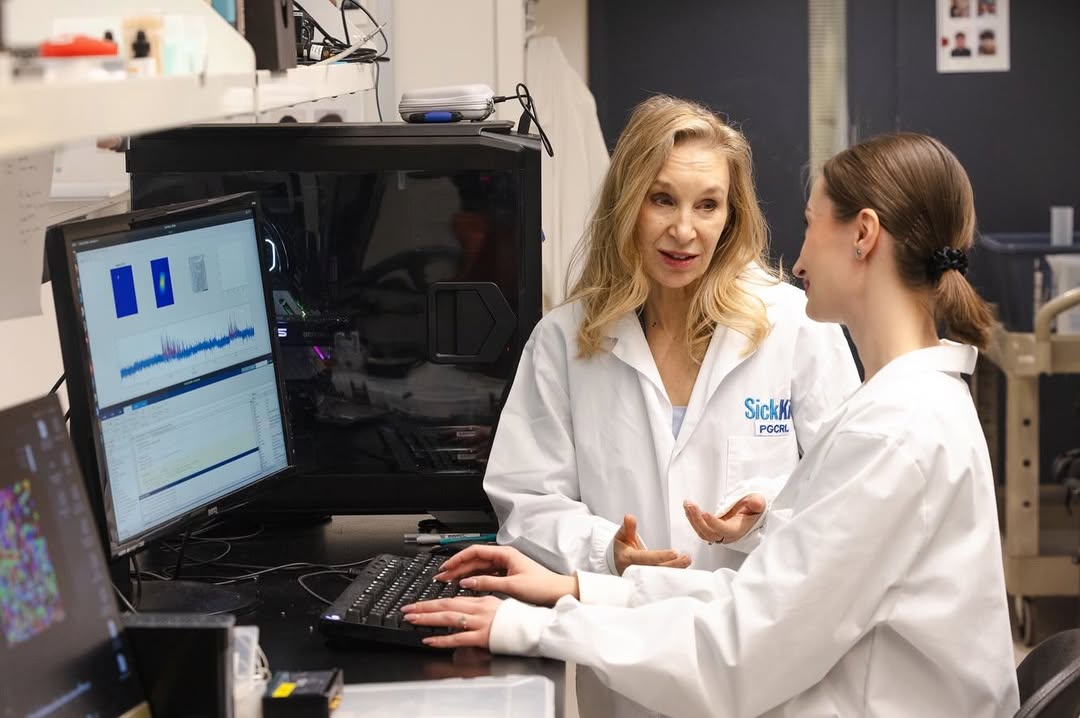
Thrilled to share that I’ll be starting my lab at the SickKids Research Institute and University of Toronto in August!
https://t.co/AcQZxHLwpF
Recruiting at all levels. Get in touch if you’re interested in astrocyte biology of cognition and disease!
@KyivIndependent A point to add about using drugs. Iuliia didn't even mention any name as Tucker started pushing his suggestion about cocaine. Moreover, the effect she described—happy and slow—is not characteristic of cocaine as it is a stimulant. Doesn’t sound trustworthy.
New paper from the lab. Using longitudinal ca imaging, activity-dependent tagging and optogenetics, we show that newly allocated fear engram neurons in amygdala undergo a brief period of coordinated “offline reverberation” immediately after learning.
https://t.co/ELcRXieer2
@miniapeur Sadly but true. I have to say though that their LLM review option for authors on Openreview is really bad 🫣 it misinterpreted both written text and visualizations
What if memories could be rewritten? #UofT researcher Sheena Josselyn studies how memories are encoded, stored & recalled, and how they might be reprogrammed or erased, advancing research on PTSD and Alzheimer’s disease. 🧠 https://t.co/BNBqhEOAkZ
This looks amazing. Rats composing long action sequences out of short ones. mPFC constructing the long sequence by Reusing primitive representations but composing overall progression. One of the most impressive things I have ever seen a rodent do.
https://t.co/HxsSArGoxt
New paper in Nature Neuro! We found dopamine is severely impaired in the lateral entorhinal cortex of Alzheimer’s mice. Optogenetic stimulation of entorhinal dopamine and LEVODOPA treatment restored their memory – dopamine treatment may be a future treatment for AD patients!
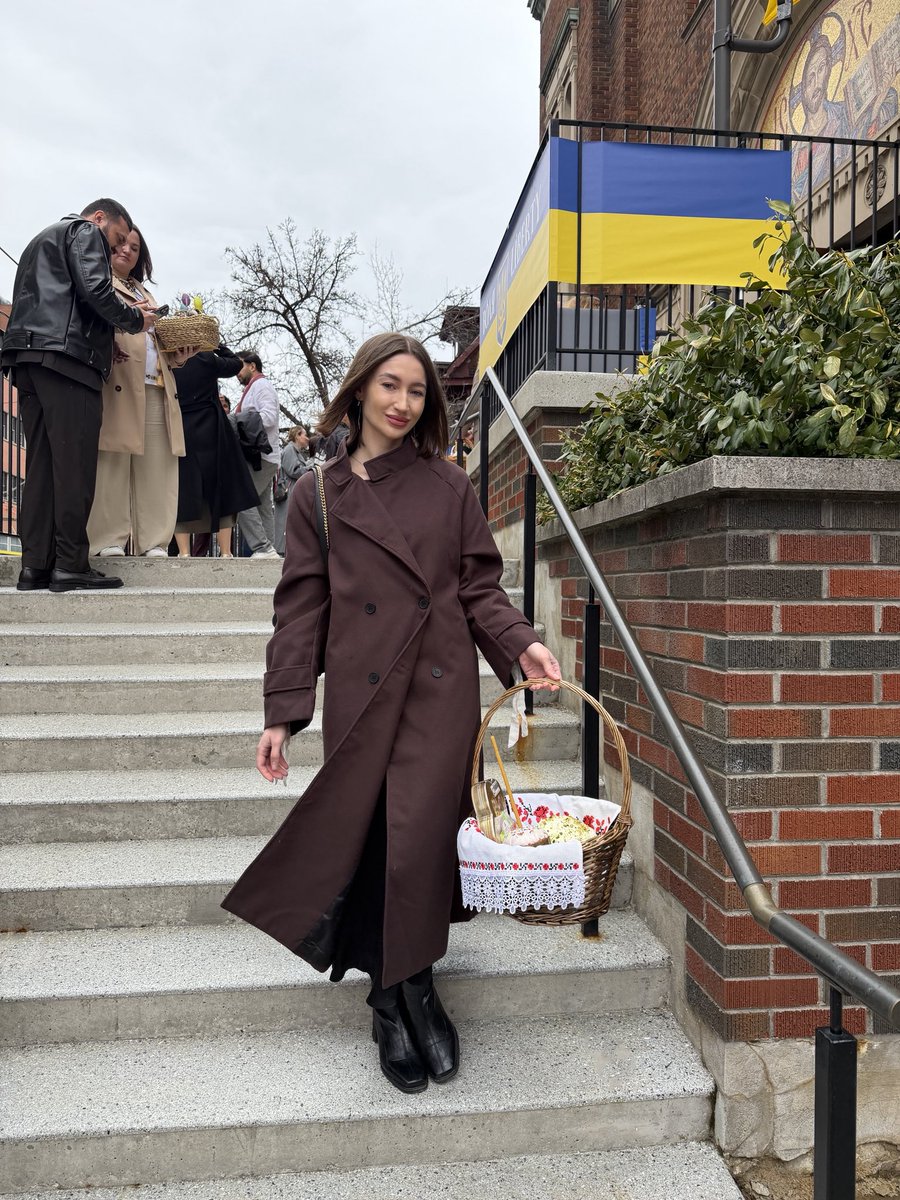
Canada stands firmly with Ukraine. We will continue to support Ukraine’s defence, hold Russia accountable, and work with partners to advance a just and lasting peace. #StandWithUkraine
Neuroscience has become increasingly concerned with prediction, and machine learning with causal explanation, with each field adopting methods from the other, writes @gershbrain. Will this bring us closer to understanding neural systems?
https://t.co/fO0ydFhPaj