Over the weekend, I had the pleasure of hosting my MeetUp with the AWS User Group Belize, presenting my Lightning Talk on "How to Host Your Website on AWS." Grateful to everyone who joined to participate and network – it was an enjoyable experience!
#awsnewvoices#Belize
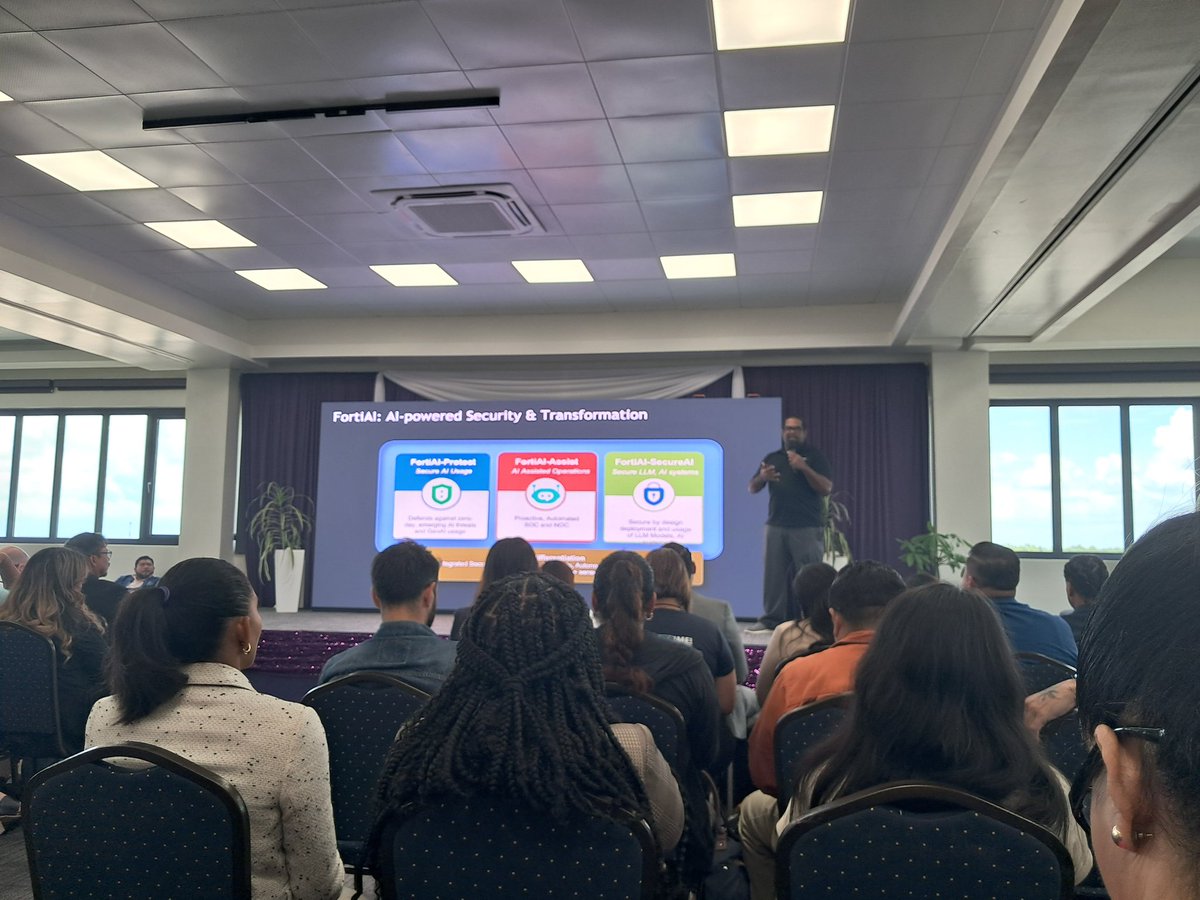
Happy to share that I attended Belize's first AI Unleashed Digital Summit. This summit highlighted AI in data analytics, robotics, travel and edtech with speakers from PANGEA, ILUNION Hotels, United Network Solutions and Ministry of E-Governance.
The Results Are In: Kendrick Lamar Won the Great Rap War
There may be more shots to come, but the bulk of the war has been fought, and the results are clear: Kendrick Lamar simply hit harder than Drake could.
🔗 https://t.co/iPInVak4h4
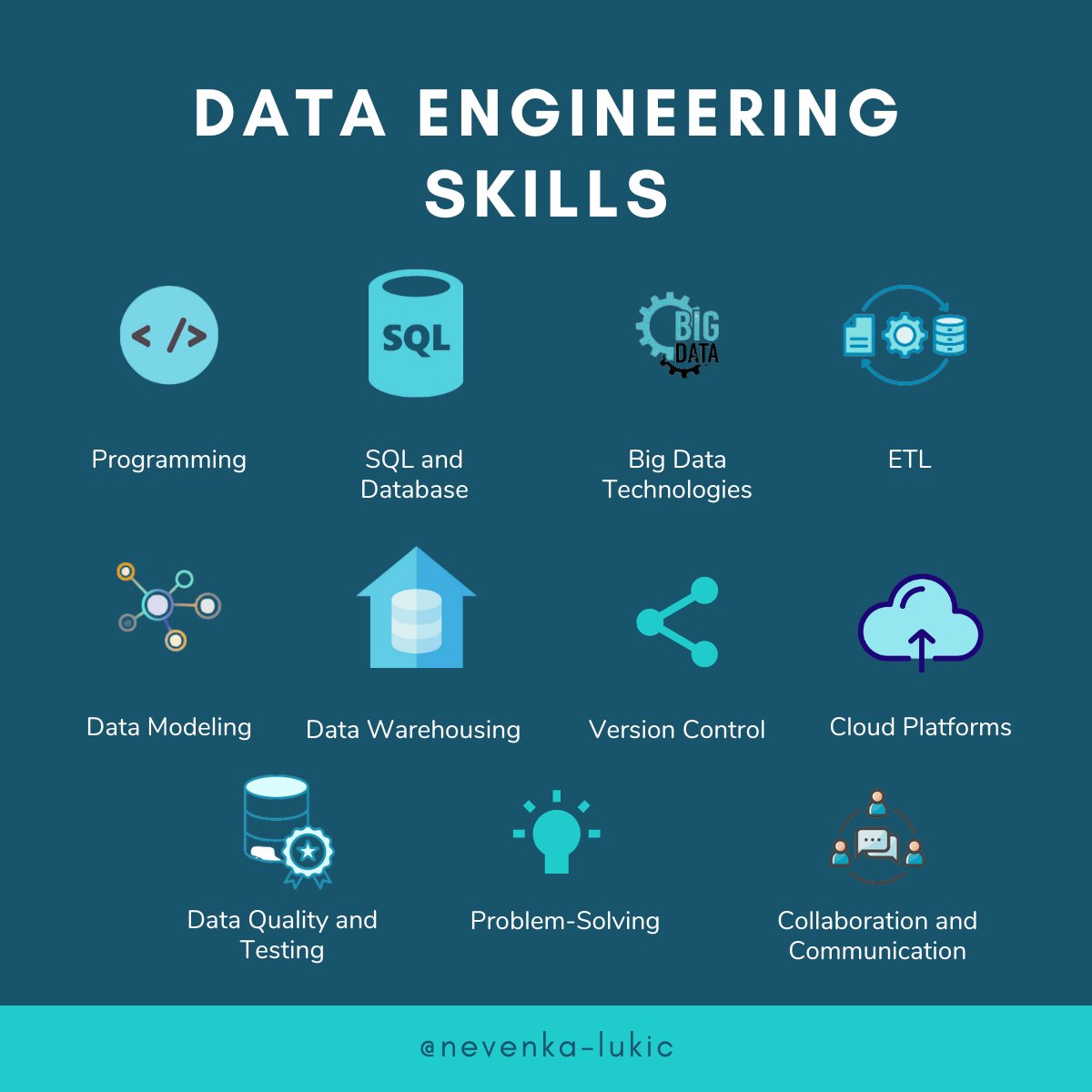
Want to start a career as a Data Engineer?
Data Engineers play a central role in managing and transforming data. I want to talk about what I learned about it in the last 2 years and which skills are important for data engineers:
1. Programming Skills:
Proficiency in programming languages such as Python, Java or Scala is essential for data engineering tasks. Python, in particular, is used everywhere in the data engineering ecosystem.
2. SQL and Database Knowledge:
A strong understanding of SQL (Structured Query Language) is vital for working with relational databases. Additionally, knowledge of various database systems (SQL and NoSQL) is important for designing and optimizing data storage.
3. Big Data Technologies:
Familiarity with big data technologies like Apache Hadoop and Apache Spark is important. These tools are still very much used for processing and managing large volumes of data efficiently.
4. ETL (Extract, Transform, Load):
Data engineers often work on ETL processes to extract data from various sources, transform it into a suitable format and load it into a data warehouse or other storage systems. Understanding ETL concepts and tools is key.
5. Data Modeling:
Skill in designing data models and schemas is important for organizing and structuring data in a good way for querying and analysis.
6. Data Warehousing:
Knowledge of data warehousing concepts and platforms (e.g, Amazon Redshift, Google BigQuery) is valuable for building and maintaining systems for analytical purposes.
7. Version Control:
Getting good at using version control systems like Git is essential for collaborative development and tracking changes in data engineering projects.
8. Cloud Platforms:
Familiarity with cloud platforms such as AWS, Azure or Google Cloud is really important. Many organizations use cloud services for data storage, processing, and analytics.
9. Data Quality and Testing:
Understanding data quality concepts and implementing data validation and testing procedures is important. It helps you to avoid waking up in the middle of the night by the alert when you are on-call.
10. Collaboration and Communication:
Good communication skills are a must for collaborating with different teams, including data scientists, analysts and business stakeholders.
11. Problem-Solving and Critical Thinking:
Data engineers often encounter complex problems about data integration and processing. Strong problem-solving skills and patience are valuable in finding good solutions.
One thing is certain: you need to keep learning! In this dynamic field new technologies and tools continue to emerge and you need to keep up with them. As a Data engineer you should stay updated with industry trends and continue upgrading your skill set.
Do you like this? 🔄Repost it and share it with your network.
Excited to announce that I'm hosting my first Meetup with AWS User Group Belize! 🎉 Join me as I share how you can host your own website on AWS. There will be coffee and a little take home token available 📷. If you are in San Ignacio on May 4, register below: