#meded, #neuro, tweets my own opinion, neurorad, @rimirad, Associate Prof, Brown University Health and The Warren Alpert Medical School, Brown University
Vestibular migraine vs. persistent perceptual postural dizziness (PPPD) 🧠
In order to have vestibular migraine, you have to meet the diagnostic criteria for migraine. Vestibular migraines are episodic, while PPPD is chronic.
#migraine#vision#neuro
🎥https://t.co/bvgV8W39q2
“Tell me where it hurts.”
How back pain radiates can tell you where the lesion is—if you know where to look!
Do YOU know where to look?
Here’s how to remember the lumbar radicular pain distributions!
Keep this cheat sheet as a BACKUP for when you are dealing with BACK pain!
➡️L1
🔸L1 radiates to the groin
🔸Remember that b/c the number 1 is, well, um…phallic. So phallic number 1 radiates to the groin.
➡️L2
🔸L2 radiates to thigh
🔸Two is the number between 1 and 3, so the distribution of L2 is between the distributions of L1 and L3—and between the groin (L1) and knee (L3) is the thigh.
➡️L3
🔸L3 radiates to the knee
🔸Remember L3 is to the knee—easy, it rhymes!
➡️L4
🔸L4 radiates to the calf.
🔸Remember this bc the number 4 looks like the calf, 🔸Top part of the 4 looking like a bulging gastroc & the bottom part of the four is the rest of the calf connecting to the ankle.
➡️L5
🔸L5 radiates to the big toe.
🔸Remember the little rhyme “Five is to the big guy!”
🔸L5 is also foot drop. Remember big guys are heavy, and heavy gravity = drop.
➡️S1
🔸S1 radiates to the side of the foot.
🔸Remember this because both S1 and Side start w/S.
So now you know where in the lumbar spine to a look when a patient tells you the pain radiates down their leg!
🚨Remember, there are many variations & this is just a starting guide🚨
But hopefully now remembering the lumbar radicular distributions won’t be a pain in the backside!
Today's the day! There's still time to register and attend our free #ASNR webinar! Join us today (Sept 18) at 3:00 pm ET for Regulatory, Medical Legal and Reimbursement Considerations for AI Tools in Clinical Practice. Get complete details & register now: https://t.co/wT3dFTJefX
Gender, a key SDOH
“One-third of women in the United States have struggled to get doctors to take their symptoms seriously, according to a new survey. And of those women, more than half said their health issues have affected their work and homelives.”
https://t.co/cLyXu5YygI
We are pleased to announce the winners of this year's Core Curriculum Fund trainee travel grant awards! Winners receive a $2000 travel grant to attend #ASHNR26 and highlight their excellent work!!
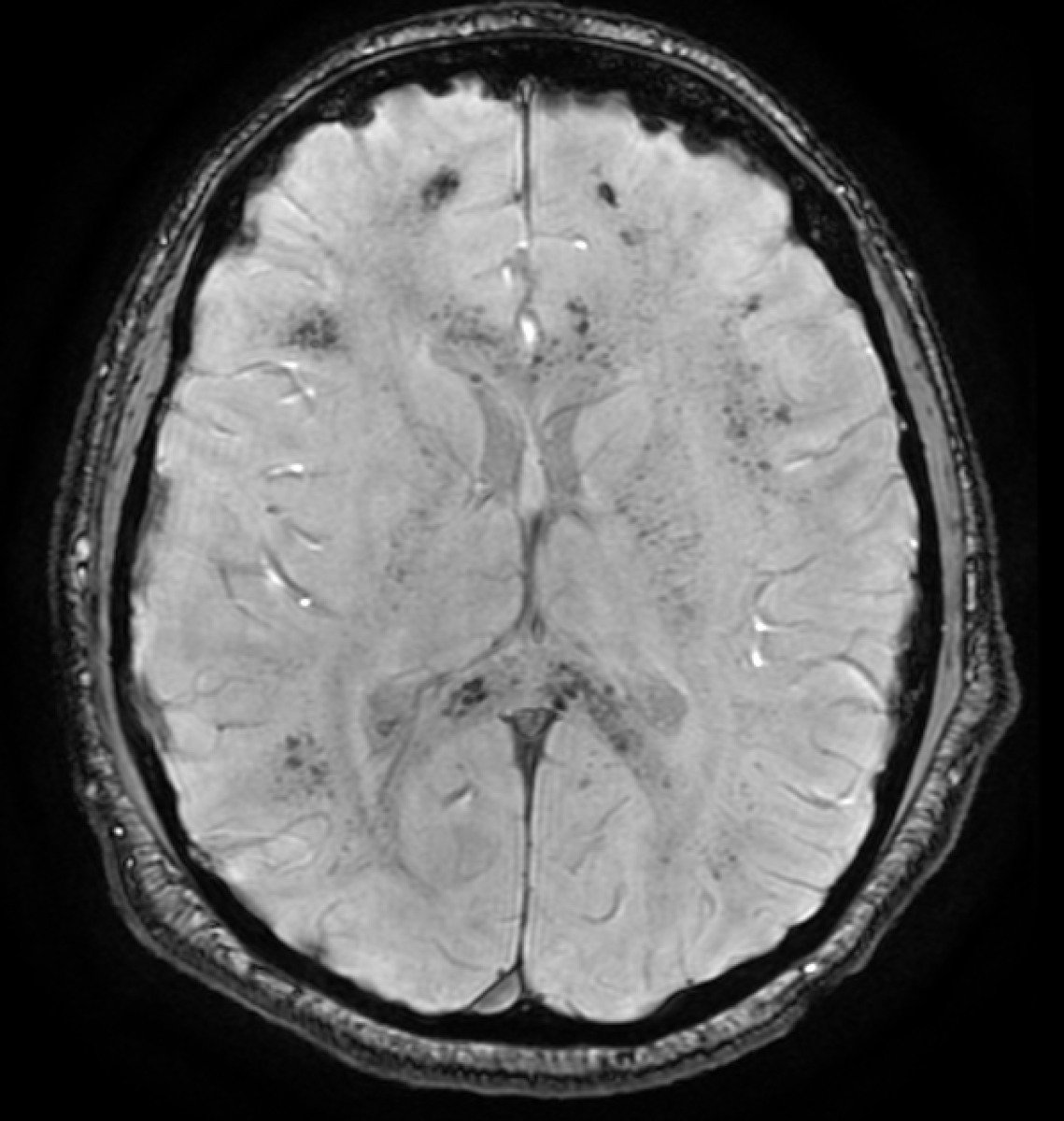
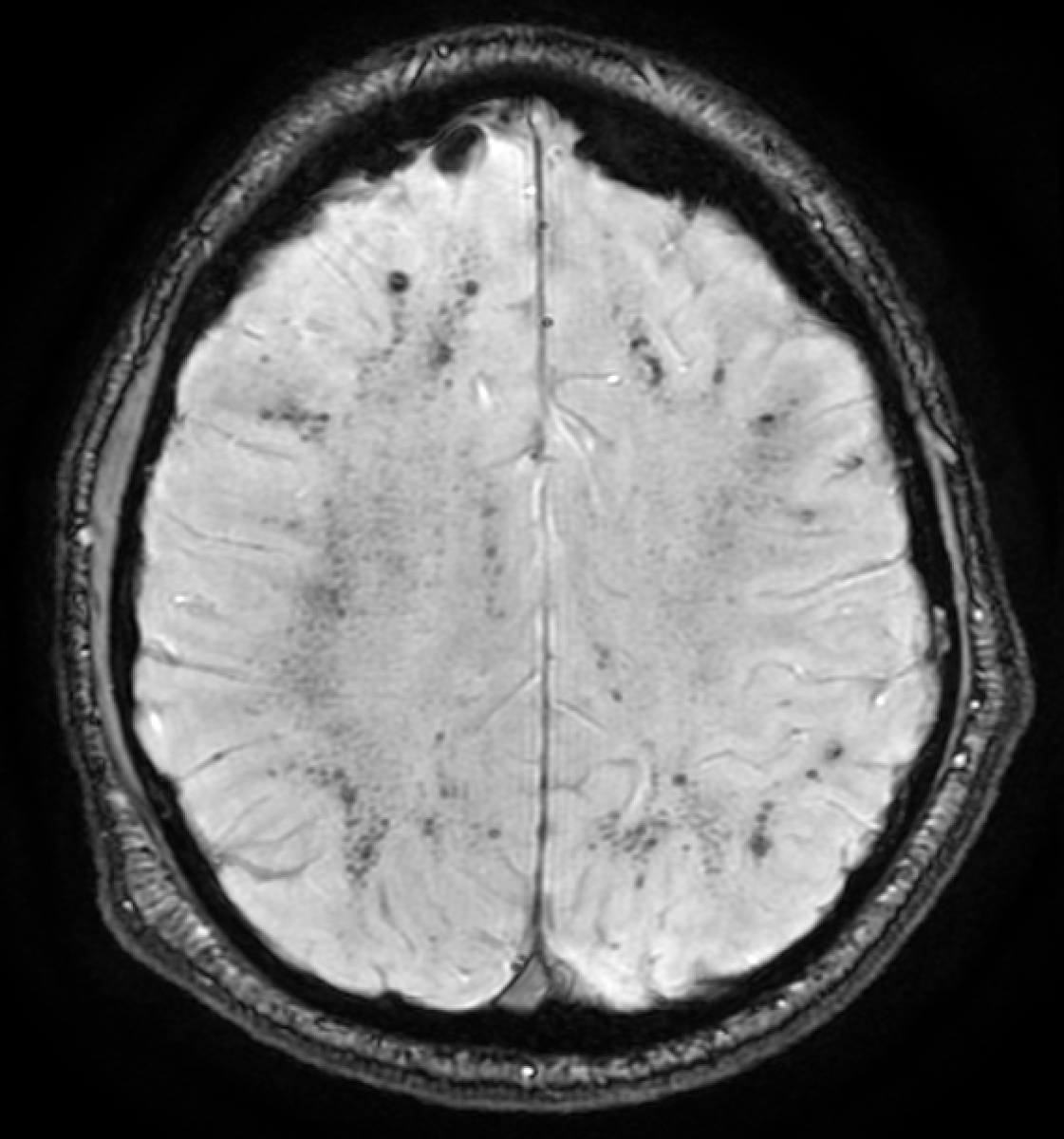
ICU MRI. The T2-weighted images are normal but the SWI looks like iron filings scattered over a magnet. Before you think amyloid angiopathy or diffuse axonal injury, pause...
These are critical illness–associated microbleeds.
Typical pattern:
✅ Juxtacortical white matter and corpus callosum.
🚫 Cortex, periventricular white matter, basal ganglia, or thalami.
❓ Internal capsules and cerebellum.
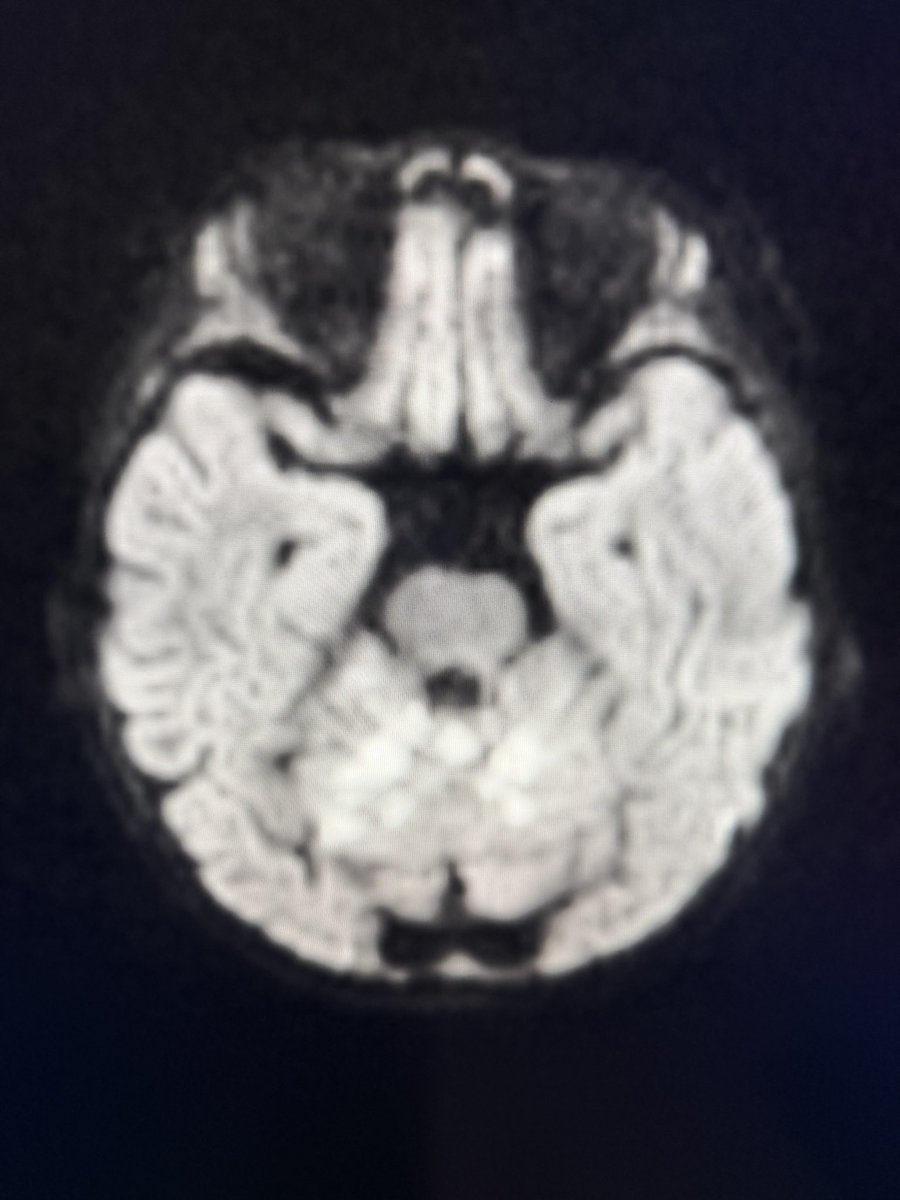
This appears up after respiratory failure, ARDS, prolonged ventilation, or ECMO, not after a fall, and not only in the elderly. Fat embolism is the main radiological mimic but comes with a "starry sky" DWI pattern.
Top tip 💡: Anemia remains a leading cause of stroke, not restricted to the poorer population of the world. Severe anemia increases thrombotic risk significantly! Let’s proactively tackle this treatable cause, from social, economic and medical perspectives. We all have an important part to play!
“The American College of Radiology is committed to reducing inappropriate imaging. This study identifies self-interpretation [by nonradiologists] as an important factor associated with higher imaging utilization"
https://t.co/qGcf9tFoI3
My R01 application was awarded! This project has been years in the making, building on my NIAAA-funded K01 and pilot work with phenomenal collaborators. I’m truly grateful and excited to begin this next chapter and bring this project to life!
Our understanding for how our brain ages and why our memory slips after age 50 have been completely revamped through 2 new landmark studies of the microglia, the brain immune cells
And the answer is...SAPHO syndrome! Rare but important diagnosis to keep in mind! See key teaching points below.
Thanks again to our authors for sharing their great case!
Submit yours today: https://t.co/XbxXuyPbZ1
Key reading for neuroradiologists. Demonstrates the link between quality of resection in grade 2 astrocytomas and oligodendrogliomas and survival. The benefit is greater for astrocytomas than oligodendrogliomas and becomes apparent earlier. The authors produced a four-tier system for extent of resection based on residual T2-FLAIR volume:
Class 1⃣: supramaximal (no residual tumour and resection of non-affected structures beyond imaging borders).
Class 2⃣: maximal (0 - 5 cm³ residual).
Class 3⃣: submaximal (5 - 25 cm³ residual).
Class 4⃣: minimal (> 25 cm³ residual and/or residual contrast-enhancing tumour).
https://t.co/DIHcObOMec
💫 Calling all medical students interested in pediatric neuroradiology! 📢
The Booth-Johnson Medical Student Travel Award offers up to $1,000 to support your attendance at #ASPNR27 in Miami 🏖️🎉
Apply here: https://t.co/C9KD8sx9oX
⏰ Deadline: Sept 25, 2026 🗓️
#ASPNR#PedsRad #PediNeuroRad
🚨 Exciting news 🎉
ASPNR is offering FIVE Travel Awards to help you join us at #ASPNR27 in Miami 🏖️🌟
Who can apply?💫
🔷Medical students
🔷 Trainees: Residents and fellows
🔷 Early-career research scientists (non-MD)
🔷 International trainees & early career radiologists
Apply here: https://t.co/EvlFCcXtFF
🗓️Deadline: September 25, 2026 ⏰
#ASPNR #PediNeuroRad #PedsRad