CAPITALIST PIGS (@WVUPRESS) provides a history of pigs🐷🐽🐷 in America from their first arrival on the continent in the Columbian Exchange to the modern agribusiness of pork production.
Give @chtippen's interview with author J.L. Anderson a listen⤵️
https://t.co/XPPAZwDhxz
Seven decades of military spending during the Cold War and War on Terror have created a vast excess of military hardware. What happens to it all? Find out as @JOziasReno, anthropologist & author of the new book MILITARY WASTE (@ucpress) joins @jacmatdoh👇
https://t.co/8boEACFJ8d
Why do Americans eat so much beef? 🐮
RED MEAT REPUBLIC (@PrincetonUPress) shows how our diets and consumer choices remain rooted in nineteenth-century enterprises.🎙️Listen in as economic historian @joshspecht joins @rydriskelltate on the podcast ⬇️
https://t.co/a2UWlnieav
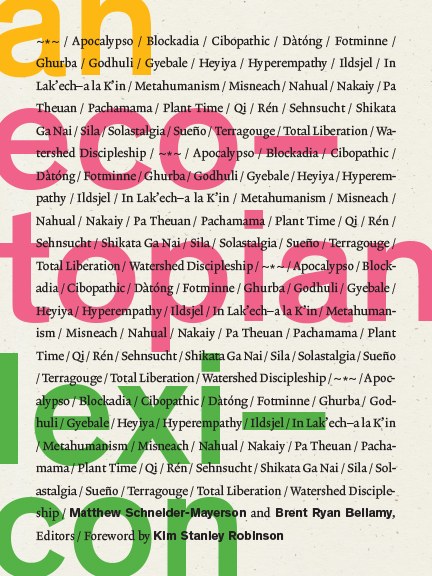
📗 AN ECOTOPIAN LEXICON (@UMinnPress) explores dozens of possible loanwords from world cultures, activist subcultures, and speculative fiction that shed light on the age of the Anthropocene. Editors @isagrapefruit & @schneidermayers join @lancethurner ↙️
https://t.co/DP2KFDTEzC
What can millennials contribute to architecture?
A lot, says @DariusSollohub.
Listen in as the author of MILLENNIALS in ARCHITECTURE (@UTexasPress) explains how this generation of young disrupters is responding to a rapidly changing physical world ⤵️
https://t.co/QHqIozFgJf
How can planners, municipal staff & officials, and citizens work together at the local level to develop and implement plans to mitigate a community’s greenhouse gas emissions? Listen in as @mboswell debriefs us on CLIMATE ACTION PLANNING (@IslandPress) ⤵️
https://t.co/onR6PI9gP6
If anyone is interested in hearing me drone on about assemblages, toxicity and sensory ethnography, check out this New Books Network interpretive methods podcast:
https://t.co/JLzjaXUQGQ
EVERYDAY EXPOSURE (@UBCPress) author @smwiebe joins us for this New Books in Interpretive Political and Social Science episode. Learn all about environmental reproductive justice, political ethnography, “sensing policy," and Wiebe's new book project ⬇️
https://t.co/laMmkLdRNO
Humans generate hundreds of millions – possibly billions – of tons of waste each year. What can be done about it?
☑️ out @marshallpoe's conversation with @kmoneill2530 about her new book, WASTE (@politybooks), a key new contribution to #DiscardStudies ⤵️
https://t.co/K9eTAN0RZm
In CARING for GLACIERS (@UWAPress), Karine Gagné explores how relations of reciprocity between land, humans, animals, and glaciers foster an ethics of care in the Himalayan communities of Ladakh. Tune in as discusses her new ethnography on the podcast ⤵️
https://t.co/BZHHGbXhi3
How do you reconcile the fact that, in a democracy, everyone’s vote is equal but everyone’s opinion is not?
🎙️@MichaelEMann, Nobel Prize winner, Atmospheric Sciences professor, and author of THE HOCKEY STICK and the CLIMATE WARS joins @McCourtneyInst ⤵️
https://t.co/SzFj466FOe
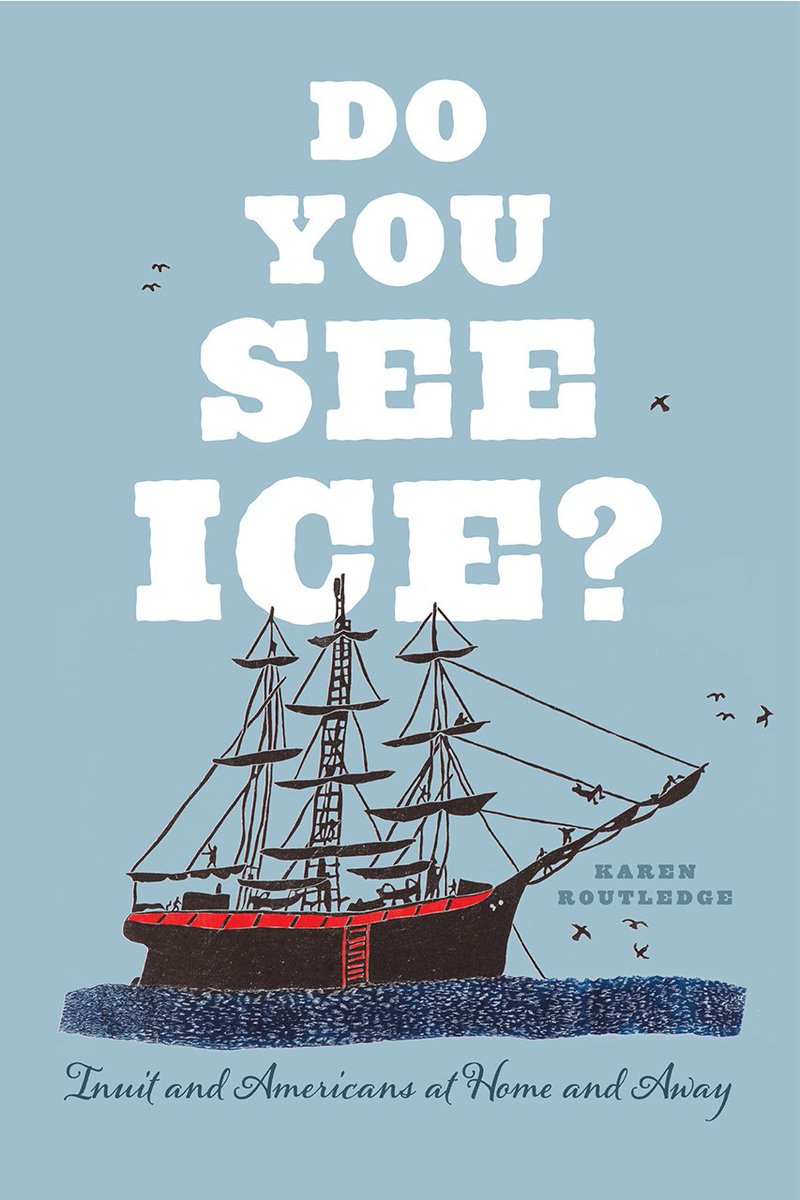
Whalers and explorers returning from the Arctic described a desolate, dangerous world, but for the Inuit, it was simply home. In DO YOU SEE ICE? (@UChicagoPress) @kirimsa chronicles the 19th-century Inuit-American encounter. She joins @ExplorationBlog👇
https://t.co/uBq1E8BBQW
Known especially for Seattle's Gas Works Park, Richard Haag worked closely w/ecologists & soil scientists to develop best practices for post-industrial sites. Learn more abt THE LANDSCAPE ARCHITECTURE of RICHARD HAAG (@UWAPress) as @nowurbanism joins us👇
https://t.co/zCWs04Rk7a
Ellen Nerenberg has Elena Past on the podcast to talk about
ITALIAN ECOCINEMA (@iupress), her new 📘 that takes on a complex of issues surrounding on-location films made in #Italy and the how production leaves lasting, material traces on the environment.
https://t.co/eJ8gmkYC7f
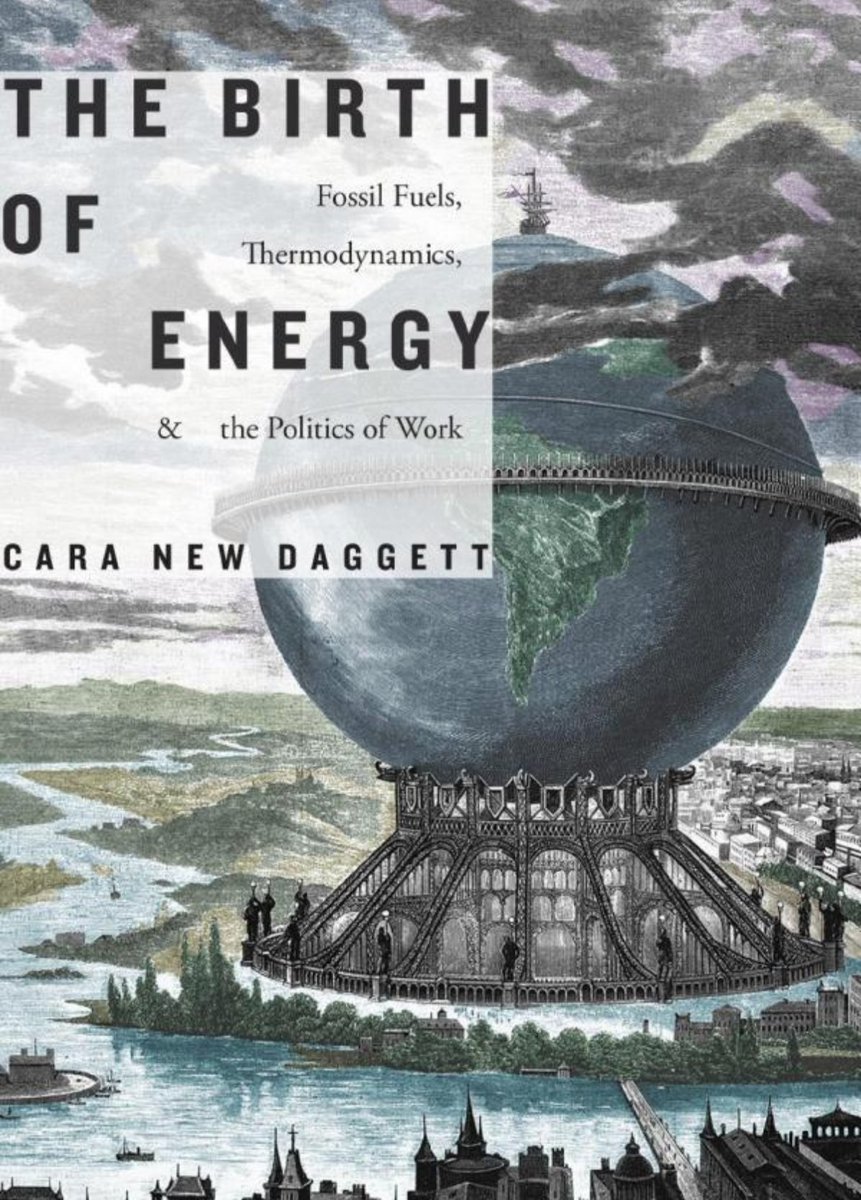
Although a seemingly natural scientific object, the idea of energy that informed the development of fossil fueled capitalism is a surprisingly modern invention. Learn more as Cara New Daggett, author of BIRTH OF ENERGY (@DukePress), joins @lancethurner ⤵️
https://t.co/gMULE3l68U
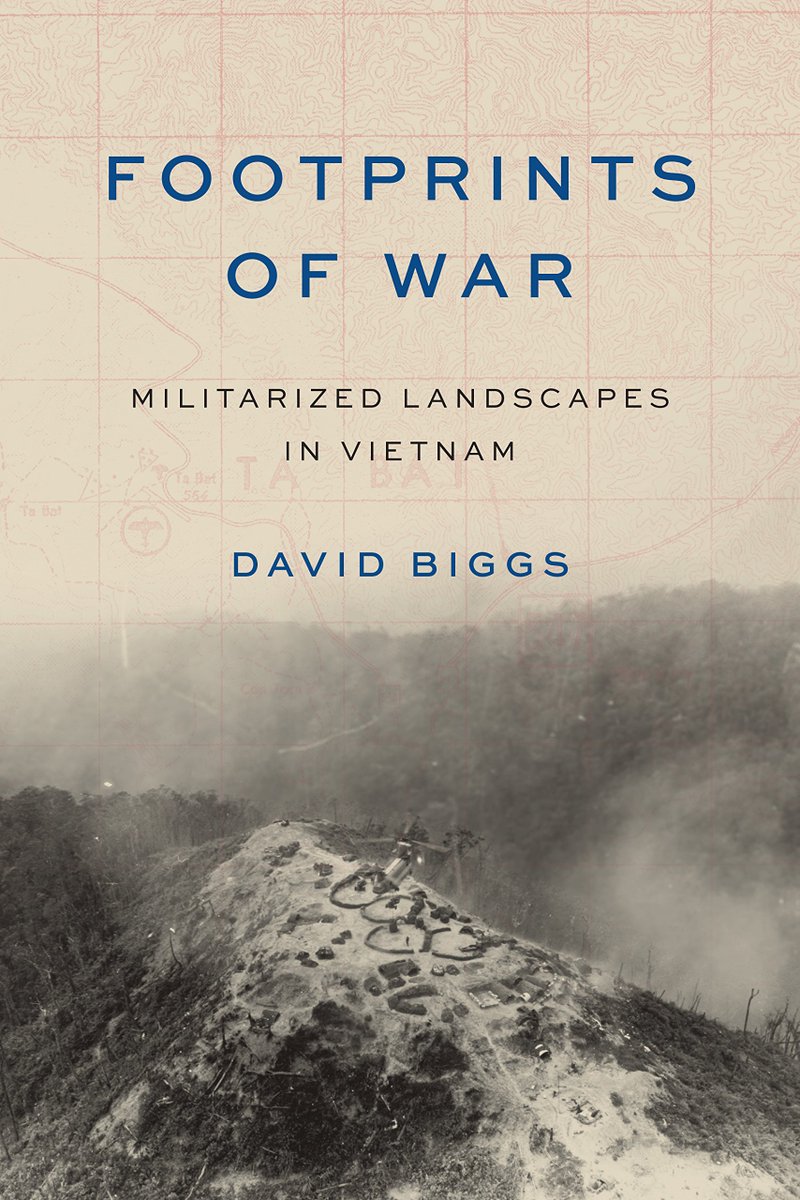
Vietnam is a country, not a war. But how have decades--even centuries--of war impacted the land of this southeast Asian nation? In FOOTPRINTS of WAR (@UWAPress), @biggsbiggs finds legacies of war in the soil, water, and forests. He joins @MichaelGVann ⤵️
https://t.co/Li33GHoqYc