Giveaway time! Here's your chance to win the DJI Lito X1 — sub-249g, 1/1.3-inch sensor, Forward LiDAR omnidirectional obstacle avoidance, 36-minute flight on the standard battery.
How to enter:
1. Follow @DJIGlobal
2. Like and share this post
3. Bonus Chance: Comment below — what's the one
"Trump, the Mar-a-Lago golfer, is the only bull in the world who walks around with his own china shop. When a clown takes over the Palace, he doesn't become King. It's the Palace that becomes a circus"
French senator Claude Malhuret once again nails it. You won't hear a better indictment of Trump and his Gulf war than this. Well worth 5 minutes of your time
My English s/t 👇
The largest and sharpest image ever taken of the Andromeda galaxy — otherwise known as M31.
It is the biggest Hubble image ever released and shows over 100 million stars, thousands of star clusters in a section of the galaxy’s disc stretching across over 40 000 light-years.
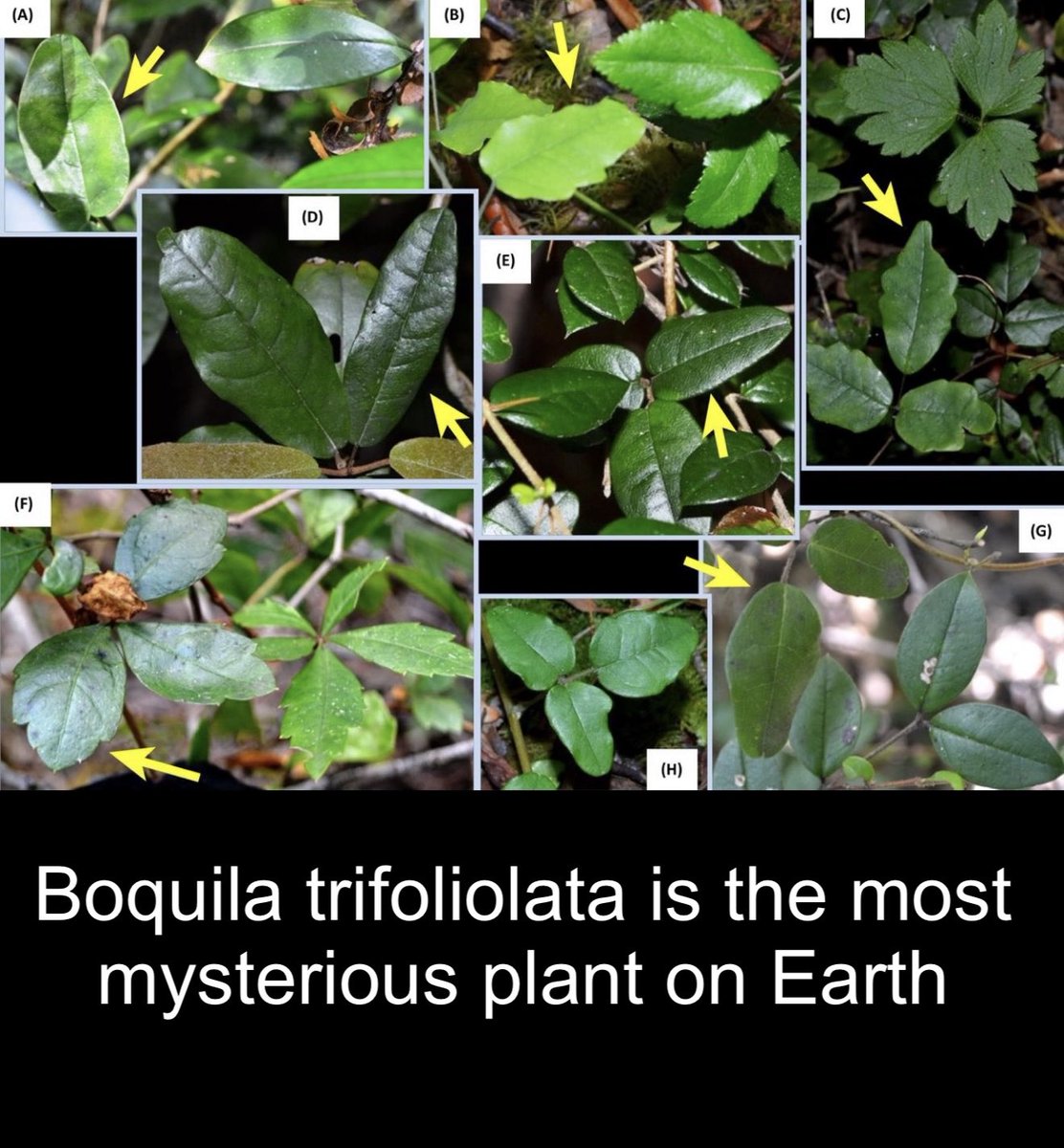
Boquila trifoliolata is one of the most mysterious plants on Earth.
This Chilean climbing vine can mimic the leaves of nearby plants, changing its shape, size, colour, orientation, vein pattern, and even spines to match, without touching the plant and with an air gap between them
It doesn’t just copy one species. A single vine can produce different leaf forms simultaneously, depending on which plant it’s climbing. A single Boquila vine climbing through multiple host species at once
Produced different leaf morphologies on different sections of the same vine
Matching the specific host it was in contact with (or growing among)
Even more intriguing: it can mimic without direct contact.
Scientists first proposed that it may detect volatile organic compounds (VOCs) released by neighbouring plants, triggering changes in gene expression, a form of extreme phenotypic plasticity. Others suggested the possibility of horizontal gene transfer, although evidence for that remains weak.
Then came the controversial claim that it mimicked a plastic plant.
That led to speculation that the vine might respond to light patterns or reflected wavelengths, or even possess primitive light-sensitive structures sometimes compared (loosely) to ocelli. However, this idea remains highly debated, and no confirmed “plant vision” mechanism has been demonstrated.
Why evolve this ability
Boquila is a twining vine in the temperate rainforests of Chile and Argentina. By blending into its host, it likely reduces herbivory. Studies have shown that mimicking leaves suffer significantly less damage from plant-eating insects than non-mimicking ones.
It’s camouflage, but botanical.
A plant that doesn’t just climb its host…
It becomes it.
Nature still has secrets we don’t fully understand.