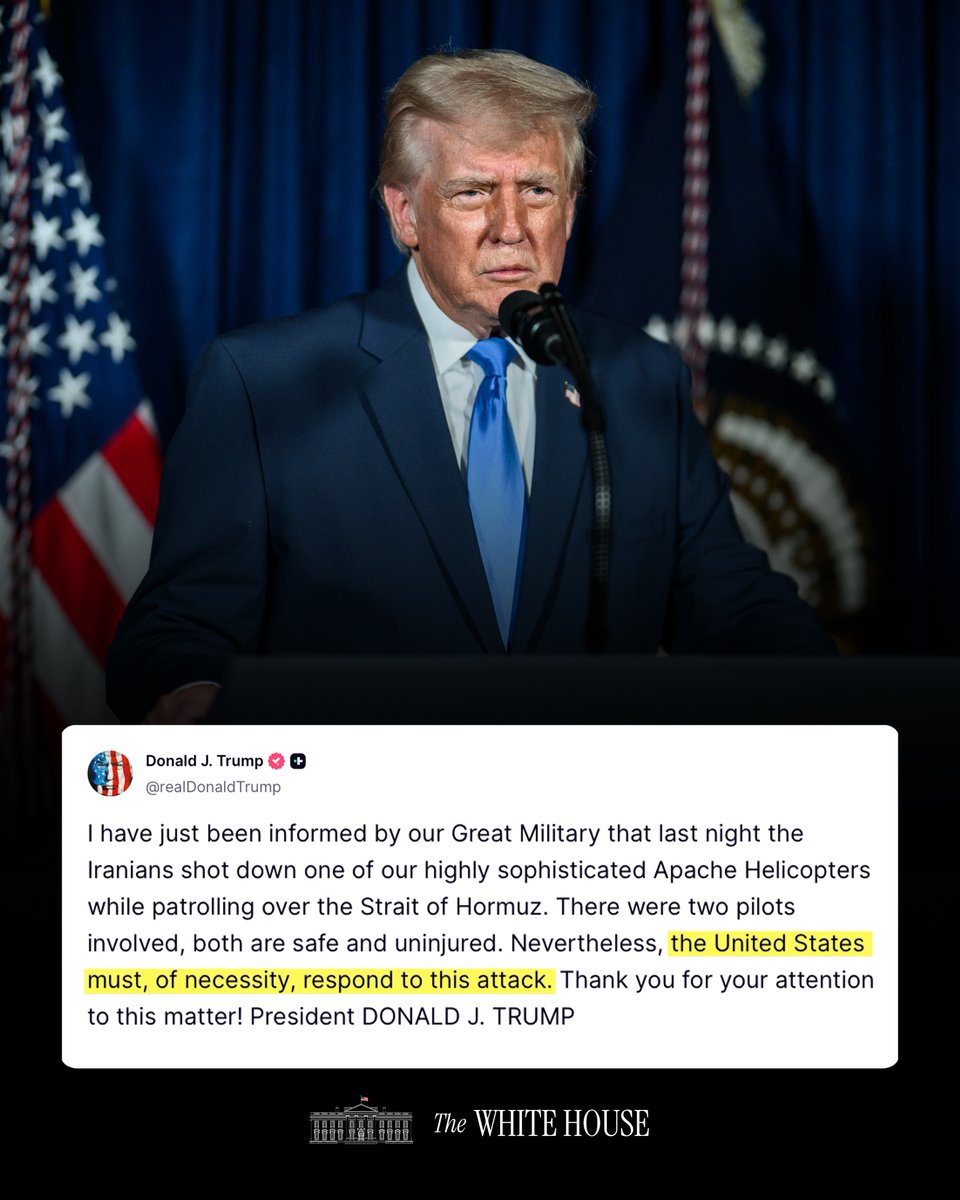
"I have just been informed by our Great Military that last night the Iranians shot down one of our highly sophisticated Apache Helicopters while patrolling over the Strait of Hormuz. There were two pilots involved, both are safe and uninjured. Nevertheless, the United States must, of necessity, respond to this attack." - President Donald J. Trump 🇺🇸
Here's a short wrap-up video of the 2026 Iraq Dialogue. Lots of amazing insights from our distinguished panelists and a great opportunity to network with old and new friends. We can't wait to do it again next year.
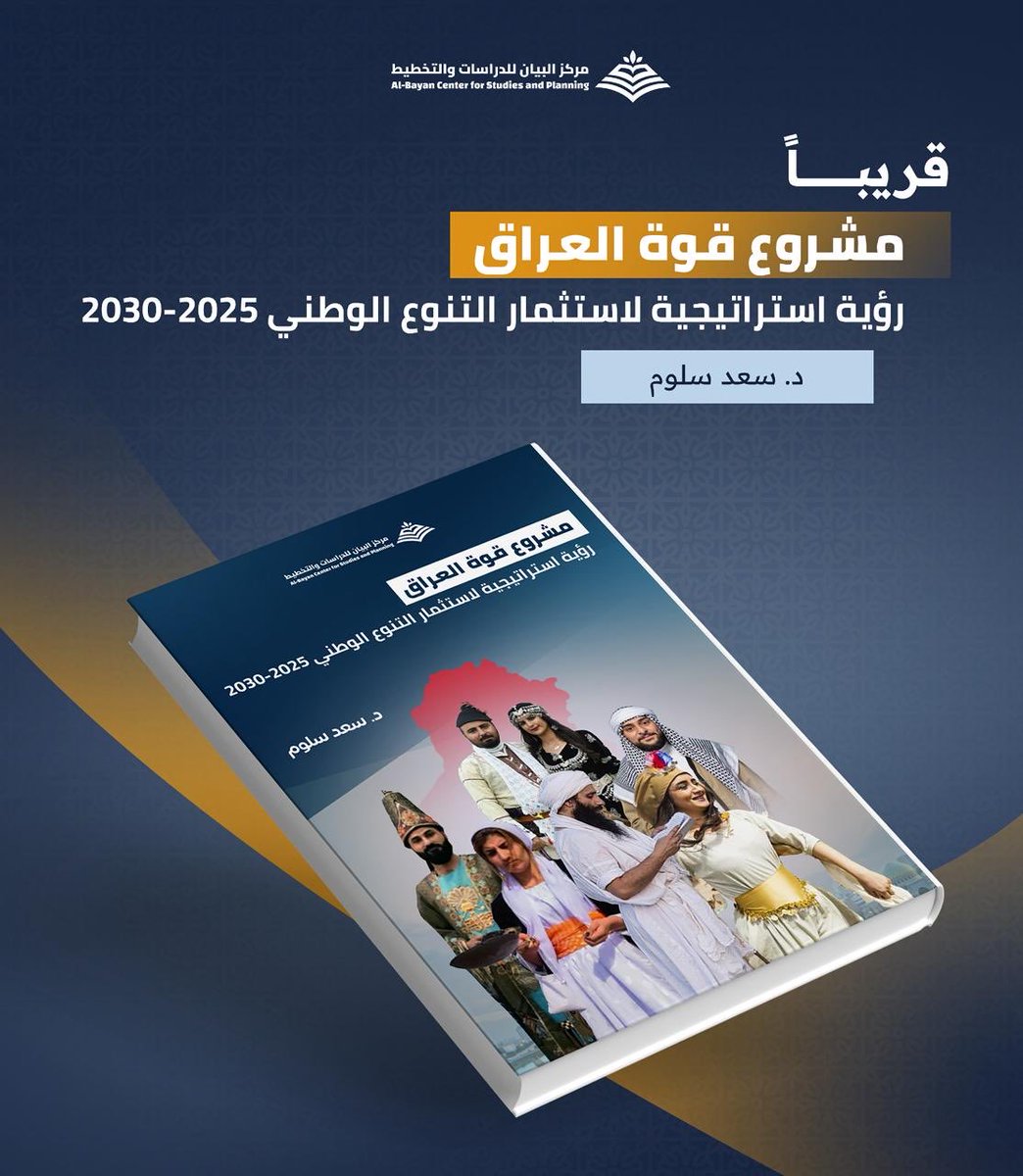
مشروع قوة العراق
بمناسبة تشكيل الحكومة العراقية الجديدة، سوف ينشر @BayanCenter مشروع "قوة العراق"، وهو مشروع اقدم فيه رؤية فكرية واستراتيجية لحماية التنوع وتعزيز حقوق الأقليات.
ينطلق المشروع من مقاربة تتجاوز التعامل التقليدي مع ملف الأقليات بوصفه قضية حقوقية أو إنسانية او أمنية فحسب، ليعيد تعريفه باعتباره عنصر قوة للدولة العراقية، وركيزة أساسية لإعادة بناء العقد الوطني على أسس المواطنة والتعددية والشراكةالحقيقية
لا يقدم "قوة العراق" حلولًا جزئية أو معالجات ظرفية، بل يطرح رؤية متكاملة لتحويل التنوع العراقي من ملف هشّ ومعرّض للاستثمار السياسي، إلى مصدر استقرار استراتيجي وقوة حضارية تعزّز وحدة الدولة وتحصّن مستقبلها.
سينشر المشروع الأسبوع المقبل
يليها مناقشة موسعة في جلسة خاصة
Our @nytimes report finds there was a second Israeli base in Iraq's desert. At least one dated back to the June '25 war. Israel chose Iraq for these covert ops due to US role in Iraq's security affairs. The shepherd who exposed the first base was killed.
https://t.co/glHgZ0ZtPL
Exclusive: Israel built a secret military post in Iraq to support its campaign against Iran and launched strikes on Iraqi troops who almost found it early in the war https://t.co/f9FISMgdNs
Quoted here 👇
The sanctioning of Maarij “sends a definitive message that the Trump team will not tolerate figures affiliated with militias participating in the next government,” said Victoria Taylor, who oversaw Iraq policy at the State Department during the Biden administration and is now with the Atlantic Council, a Washington think tank.
Quoted here in @AlMonitor 👇🏼
Zaidi’s first litmus test will be whether he can form a cabinet free of militia-linked figures, said Victoria Taylor, the director of the Atlantic Council’s Iraq Initiative and former deputy assistant secretary of state for Iraq and Iran during the Biden administration.
More challenging, Taylor said, will be to “take the kinds of steps that the US expects to see in terms of bringing the militias under control … given the real entrenchment of these militias into the Iraqi state, into the political system and important areas of the economy.”
https://t.co/x5WDm2dGH5
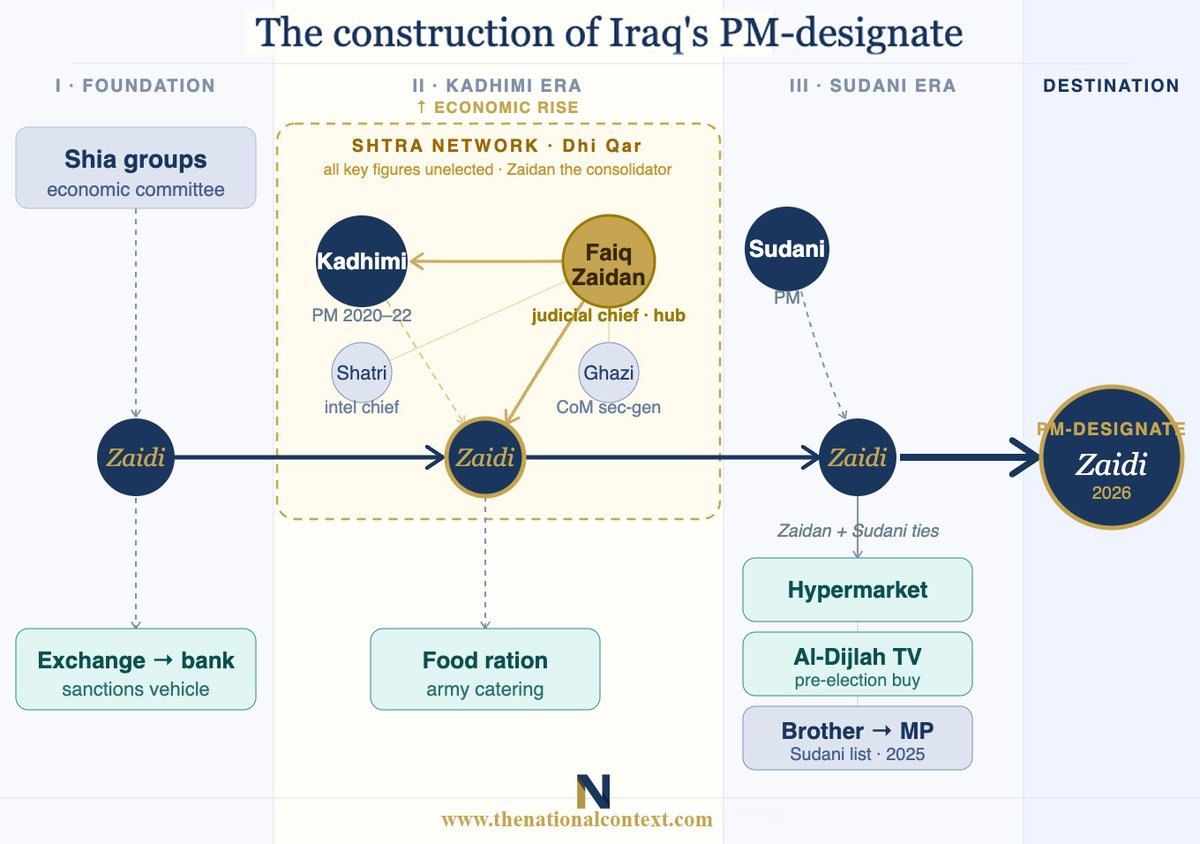
How Ali Zaidi became Iraq's PM-designate
Zaidi's rise begins inside the "economic committees" of militia-linked Shia parties, the financial engine rooms through which armed factions manage, invest and recycle capital. From that base, he launched a licensed currency exchange business, a sector widely used for money laundering and Iran-related sanctions-busting. Inferring from the ecosystem that shaped the rise of figures such as Zaidi, the seed capital very likely came from those same faction networks. The exchange business then became a bank, and in Iraq, a banking licence does not come without serious political cover.
The real acceleration came under Prime Minister Mustafa al-Kadhimi. Zaidi was awarded food ration and army catering contracts, among the most lucrative and corruption-prone in the Iraqi state, and the timing does not appear incidental. Kadhimi, a journalist by background who rose without election to intelligence chief and then prime minister, is from Shatra, a small town in Dhi Qar province. So is Faiq Zaidan, head of Iraq's judiciary and its most powerful unelected figure, who was consolidating that influence precisely during this period. So is Zaidi. So is the current intelligence chief, Hamid al-Shatri. So is Hamid Naeem al-Ghazi, secretary-general of the Council of Ministers, one of the key administrative positions in the Iraqi executive. Not one of these figures reached their post through an election. The Shatra cluster, spanning the judiciary, the intelligence services, the executive apparatus and now business, has become one of the most significant informal power networks in the Iraqi state, emerging visibly only over the past decade as Zaidan's influence expanded. That Zaidi's rise and most valuable contracts arrived during a Shatra-linked premiership, under a Shatra-linked judicial chief, points directly to Zaidan as the connective tissue.
Under outgoing Prime Minister Mohammed Shia al-Sudani, that integration deepened. Zaidi received contracts for Sudani's signature cooperative hypermarket chain. Just months before the November 2025 elections, Zaidi's family acquired Dijlah TV as his brother became its manager, which then openly campaigned in Sudani's favour. His other brother won a parliamentary seat on Sudani's list.
The convergence of two patronage lines, one running through Zaidan's network and another through the Sudani political camp, appears to have made Zaidi the acceptable candidate when the moment came. His lack of an overt militia profile or hardline factional identity likely made him easier for Washington to clear, while his emergence from an ecosystem that Iran has long shaped meant Tehran had little reason to object.
More: https://t.co/ZnY0ihlV1O
Quoted here in NYT 👇
U.S. officials appear likely accept Mr. al-Zaidi’s nomination despite the sanctions against his bank, said Victoria J. Taylor, who led Iraq policy at the State Department during the Biden administration, and is currently at the Atlantic Council, a think tank.
“They’ve clearly decided they want to see a government formed sooner rather than later,” she said.
“They likely see the path ahead with a new prime minister as providing an opportunity to press this new government to take stronger action against the militias,” she said.
https://t.co/GoOh4FAiTN
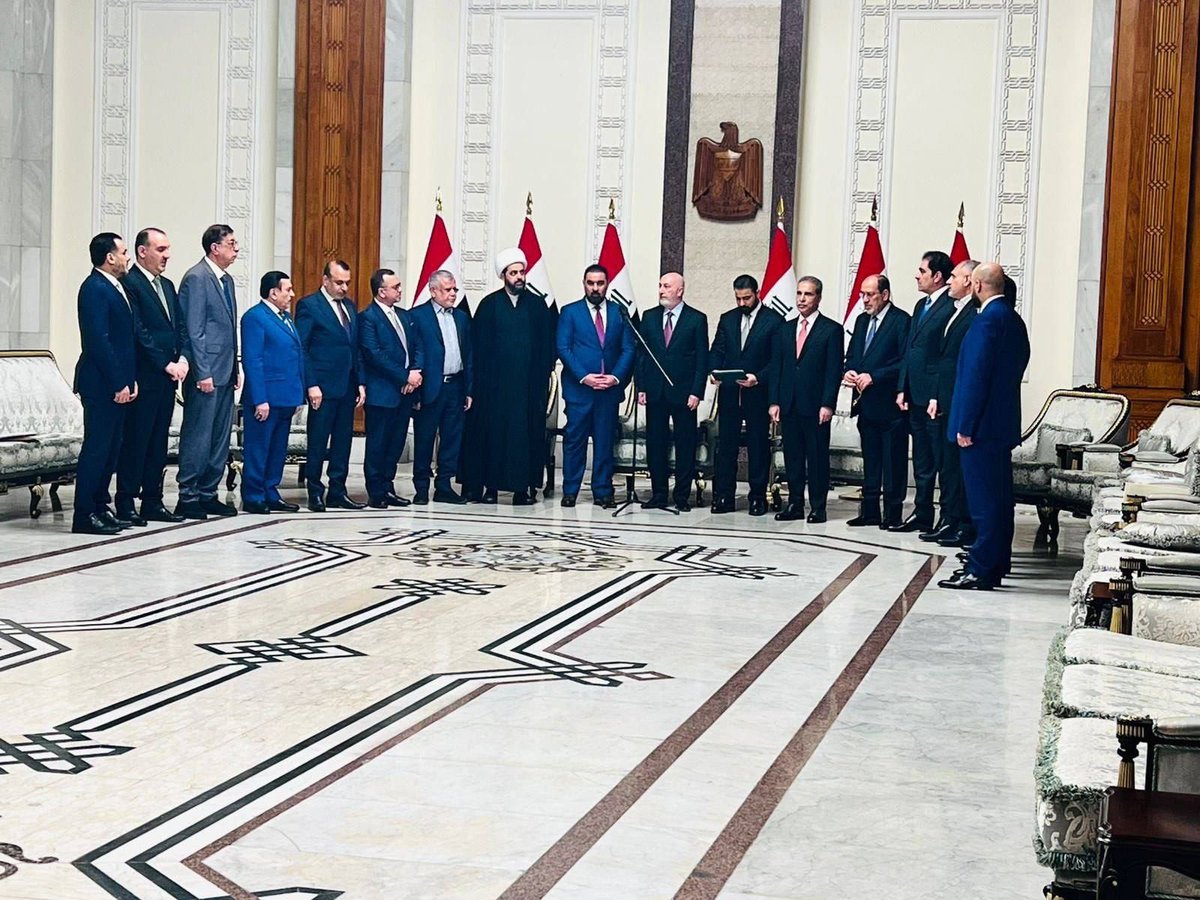
#BREAKING: Iraqi President Nizar Amedi tasks Ali al-Zaidi, the Coordination Framework's candidate for prime minister, to form the next government - State media
We are pleased to welcome @ahmedalbasheer1 at the 2026 Iraq Dialogue on May 13 in Washington, DC.
Ahmed AlBasheer is the creator and host of the Albasheer Show, Iraq's most-watched weekly political satire program, currently broadcast on DW Arabic and YouTube, where the show has amassed millions of subscribers.
He joins the 2026 Iraq Dialogue for a fireside chat on what Iraq's public discourse, media landscape, and civic life look like from one of its most distinctive vantage points.
Register: https://t.co/X8nl1S8Ygw
#IraqDialogue #ACIraq
And we're on. The 2026 Iraq Dialogue is happening — May 13 in Washington, DC.
Join us in-person or online for a full-day conference on US-Iraq relations, Iraq's place in a shifting Middle East, and the path to economic growth.
Register here and see our confirmed speakers (with more to come): https://t.co/5QnOvHcu0J
US official tells @AlMonitor the State Department is aware of Shelly Kittleson's kidnapping and working with the Iraqis to secure her release
https://t.co/GO7cDXcKth
🚨 BREAKING: The European Commission has urged people to work from home, drive and fly less, and for EU countries to urgently roll out renewables, as it warned of a prolonged energy crisis as a result of the conflict in the Gulf.
Full story: https://t.co/0IU3HD1E8u
Iraq long tried to stay out of a regional war. Now it’s being pulled in.
My latest for @ForeignAffairs on how the U.S.-Israeli war against Iran is destabilizing Iraq — from escalating violence to economic shock and societal strain — and how to curb it.
https://t.co/aPkx3689h9