My 2nd paper has just been published 🎉
Training spatial cognition enhances mathematical learning in a randomized study of 17,000 children
Nat Human Behaviour
https://t.co/WuwlpGrKrv
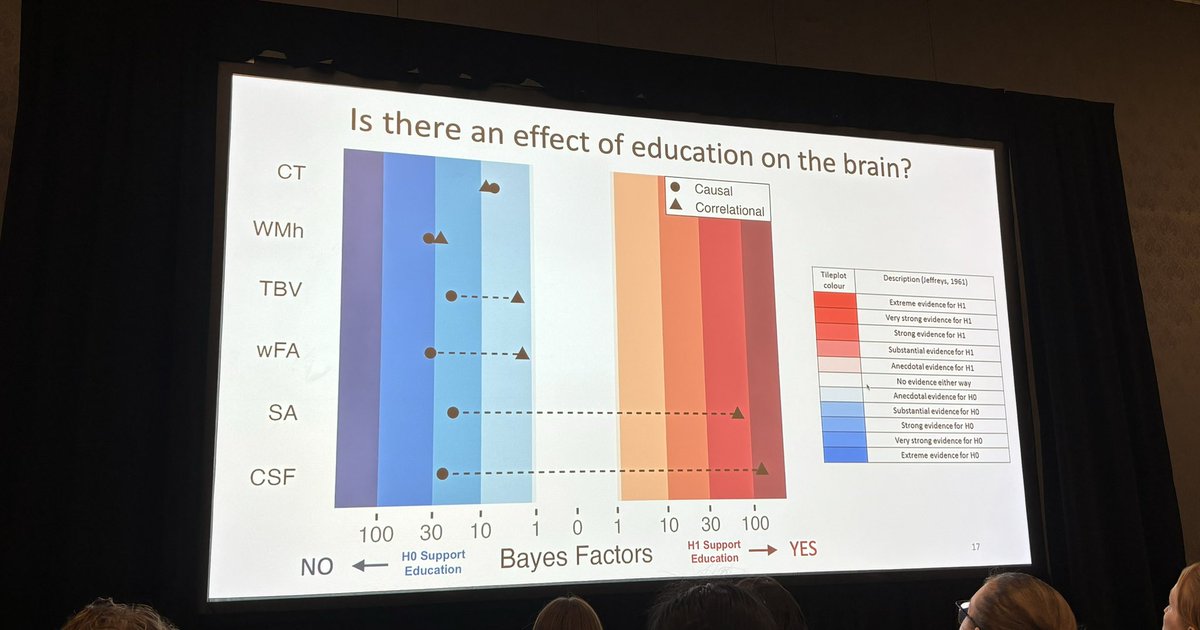
"In a large, preregistered study [~30,000 participants, @uk_biobank] we find converging evidence against a causal effect of education on long-term structural neuroimaging outcomes." @eLife@nickkjudd@DondersInst https://t.co/YBKEKvYSaZ
But this natural experiment was limited to 1 additional year of education
Sayings and colloquialisms capture the shared experience of humans having ‘good days’ and ‘bad days.’ In contrast, the temporal stability of cognitive performance is a central assumption in intelligence research.
What if this assumption does not hold?🧵
https://t.co/o7eADN8hga
@mearistodemou@rogierK /end
This is hopefully just the first step, opening the door for a new tool to understand cognitive performance. We see cognitive variability as an exciting new avenue into how our cognition fluctuates!
check it out: https://t.co/E8bciHEIUd
1/
What is cognitive variability, you ask? It’s the ups and downs in performance we all have, across seconds, hours, or even days. These ups and downs can have many reasons, from strategy exploration to fatigue. We all experience it, yet rarely study it!
https://t.co/0rVPyFOx7I
@mearistodemou@rogierK 10/11
There are many limitations to this study, our sample is Swedish and 6-8 yrs, therefore far from representative. Yet, our tasks were administered within the same setting, response profile, and reward structure, leaving open (even) more high-dimensional patterns.
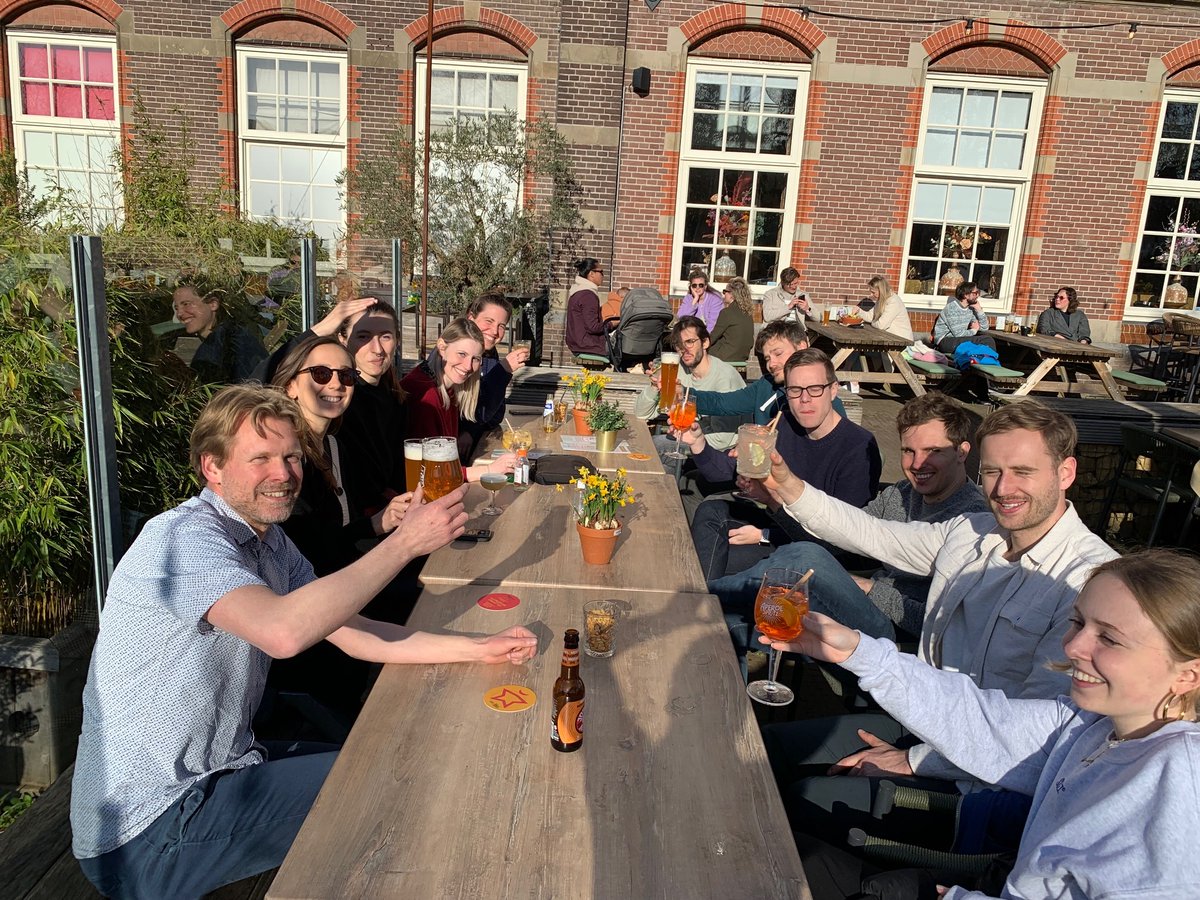
Last April we organized a lab retreat for the @lcd_lab_donders. We had lots of fun and we finally discovered that the true vocation of the lab was to be a cat cafe!🐱
You want your lab to look as happy as us? Go to this blog post that explains everything!
https://t.co/6l5cvJUhQF