μακράν το πιο απαραίτητο εργαλείο που πρέπει να έχει κάθε Δήμος στην Ελλάδα κ να δουλευει 24/7 , ούτε κόπος ούτε κατανάλωση άλλων πόρων κ υλικών , καθαρά κ οικολογικά κατά της οπτικής μόλυνσης κ σαπίλας
Declassified 1992 Central Asia Ethnic Groups Map Created By The CIA
This 1992 ethnic map of Central Asia was produced just after the collapse of the Soviet Union and reflects one of the most important geopolitical realities facing the newly independent republics: ethnicity did not align neatly with political borders.
The map covers Kazakhstan, Uzbekistan, Turkmenistan, Kyrgyzstan, and Tajikistan, showing major ethnic distributions across the region.
It highlights Slavic groups (primarily Russians and Ukrainians), Turkic peoples (Kazakhs, Kyrgyz, Turkmen, Uzbeks, Karakalpaks), Tajiks, and smaller European minorities such as Germans.
Several major patterns stand out:
Northern Kazakhstan contains extensive Russian-majority and mixed Slavic settlement zones. This reflected decades of Russian migration during the imperial and Soviet periods, especially the Virgin Lands agricultural campaigns under Nikita Khrushchev.
The densely populated Ferghana Valley appears as a highly fragmented ethnic mosaic shared between Uzbekistan, Kyrgyzstan, and Tajikistan. This region would later become one of the most sensitive ethnic flashpoints in post-Soviet Central Asia.
Tajik populations extend beyond Tajikistan into major cities of Uzbekistan such as Samarkand and Bukhara.
Turkic peoples dominate the steppe and desert regions, but large minority enclaves are scattered throughout the republics.
White areas indicate sparsely populated deserts, mountains, or steppe terrain, emphasizing how geography shaped settlement.
The map captures the immediate post-Soviet transition era, when borders that had once been internal Soviet administrative lines suddenly became international frontiers.
Many of these boundaries had originally been drawn in the 1920s and 1930s by Soviet planners under Joseph Stalin, often deliberately mixing ethnic groups to prevent unified nationalist movements.
By 1992, these demographic patterns had major implications for:
nationalism and state-building,
language policy,
migration,
border disputes,
and fears of separatism or Russian intervention.
The Russian-heavy north of Kazakhstan, in particular, was widely viewed as strategically sensitive after independence. Meanwhile, the complicated ethnic geography of the Ferghana Valley contributed to recurring tensions and violence during the 1990s and later decades.
Historically, this map is valuable because it documents Central Asia at the precise moment it transformed from a Soviet interior region into an independent geopolitical zone between Russia, China, Iran, and Afghanistan.
More Declassified 1990s CIA Maps: https://t.co/XgUBDSeiS5
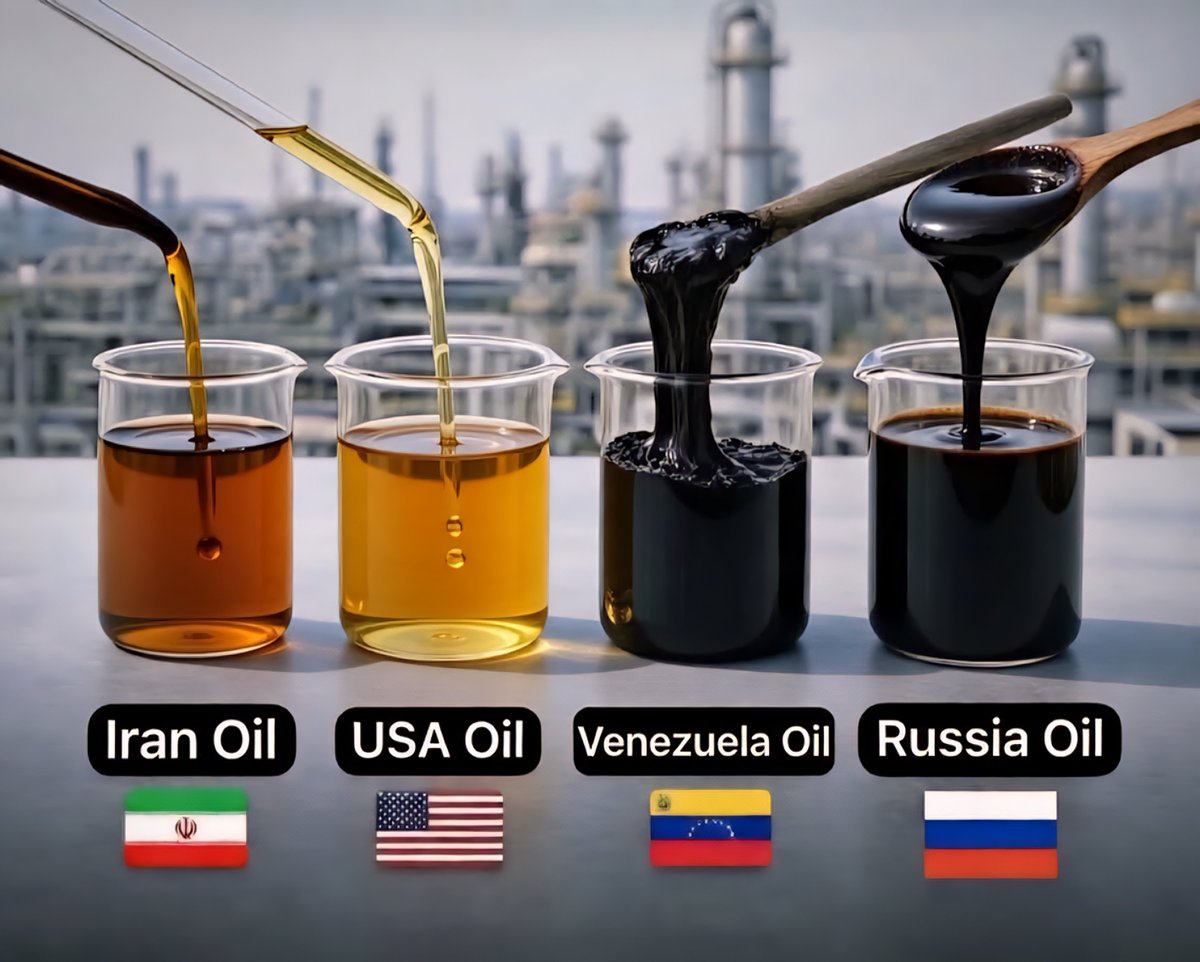
Crude Oil Quality & Refining 🛢
1. 🇺🇸 United States (WTI) – 39–41° API
• Light, sweet crude
• Very easy to refine, high gasoline & jet fuel yield.
2. 🇮🇷 Iran (Iran Light) – 33–36° API
• Medium-light crude
• Iran Light sits near the medium-light range that many refineries are designed for
3. 🇷🇺 Russia (Urals) – 30–32° API
• Medium sour crude
• Requires more processing.
4. 🇻🇪 Venezuela (Merey / Orinoco) – 15–16° API
• Heavy crude
• Thick, tar-like, complex refining needed.
📌 Key Insights 🌍
• Higher API Gravity = Lighter Oil = Easier Refining = Bigger Profits
• Iranian crude sits between ultra-light US shale and heavy Venezuelan oil, making it highly compatible with many global refineries.
• Strait of Hormuz carries a large share of the medium-grade crude many refineries are designed to process.
• If Hormuz supply is disrupted, refineries must switch to heavier or ultra-light substitutes, reducing efficiency and profits.
• Quality of oil often drives global oil politics more than most people realize.
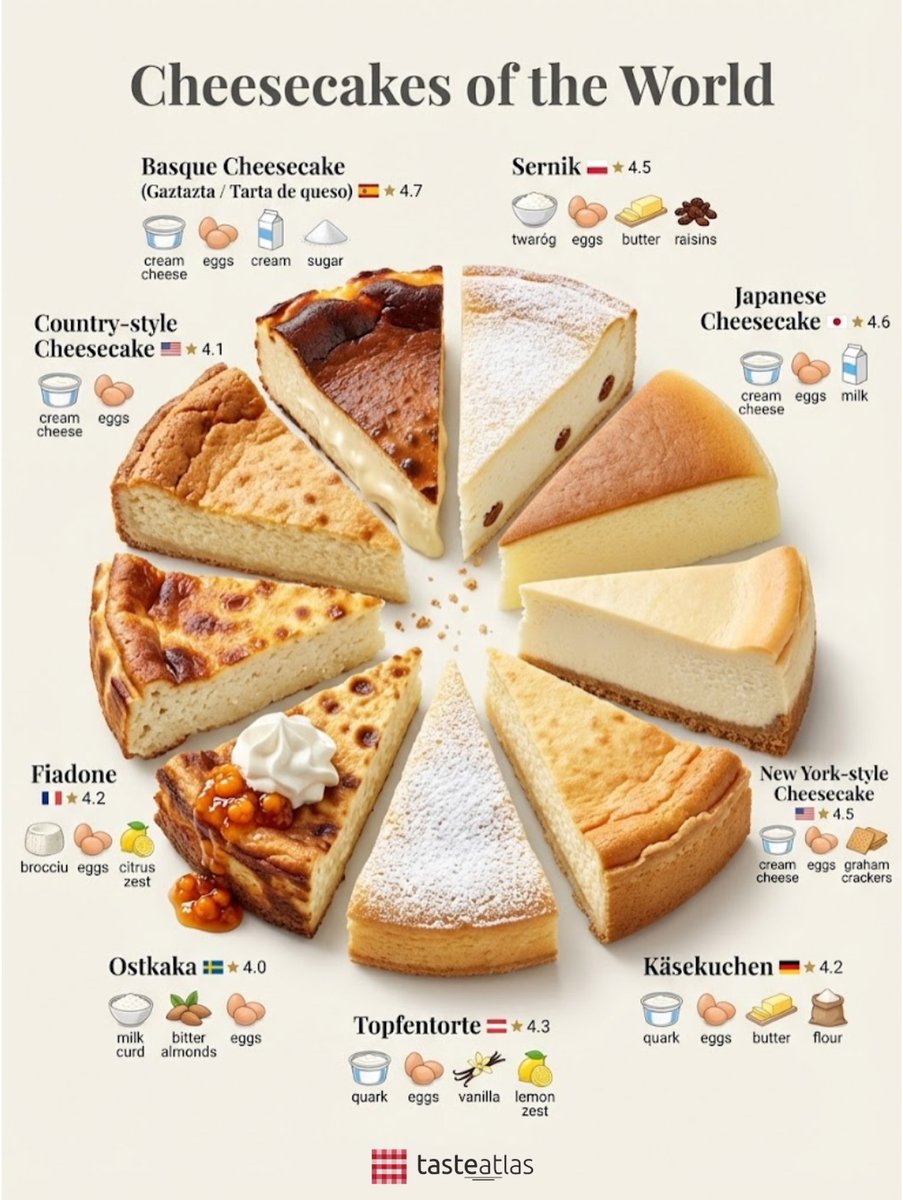
While the internet is currently obsessed with “lazy” viral cheesecakes made of just Greek yogurt and biscuits, the real world of cheese is a much more sophisticated map of textures and traditions. Cheesecake isn’t a single recipe; it is a global spectrum ranging from airy, soufflé-like clouds to dense, caramelized blocks. While the New York-style is defined by its heavy graham cracker crust and thick cream cheese heart, other cultures use cheese as a delicate, structural canvas. A true Japanese Cheesecake uses whipped egg whites to achieve its iconic “jiggle,” while the Spanish Basque version is intentionally scorched at high heat to create a bitter, burnt top that protects a molten center.
The regional identity of these cakes is anchored in the specific curds used. Germany’s Käsekuchen relies on Quark for a tangy lightness, while the Polish Sernik uses Twaróg for a heartier, more rustic bite. In Corsica, the Fiadone is made from Brocciu (sheep or goat milk cheese) and citrus zest, resulting in a flourless cake that tastes purely of the Mediterranean hills. From the almond-scented Ostkaka of Sweden to the raisin-studded versions of Eastern Europe, these desserts prove that cheese is simply the starting point for infinite local expression.
What did you freeze today?
Keep your freezer at 0°F (-18°C) for optimal safety; while most food is technically safe to eat indefinitely at this temperature, it inevitably loses texture and nutrients over time, so it is best to follow recommended storage limits for the best quality.
The fact that a train (!!!) can travel under ideal conditions at over 600km/h is unbelievably amazing to me. Also, I had no idea that Indonesia would pop up in the top 10 list!
Απολαύστε υπεύθυνα... αυτή είναι η νέα Ναυαρχίδα του @NavyGR, κατασκευασμένο από τη @navalgroup
Και δυναμικό RT προκειμένου να γίνει γνωστό εκεί που πρέπει, πως το Αιγαίο και η Μεσόγειος έχει νέο κυρίαρχο
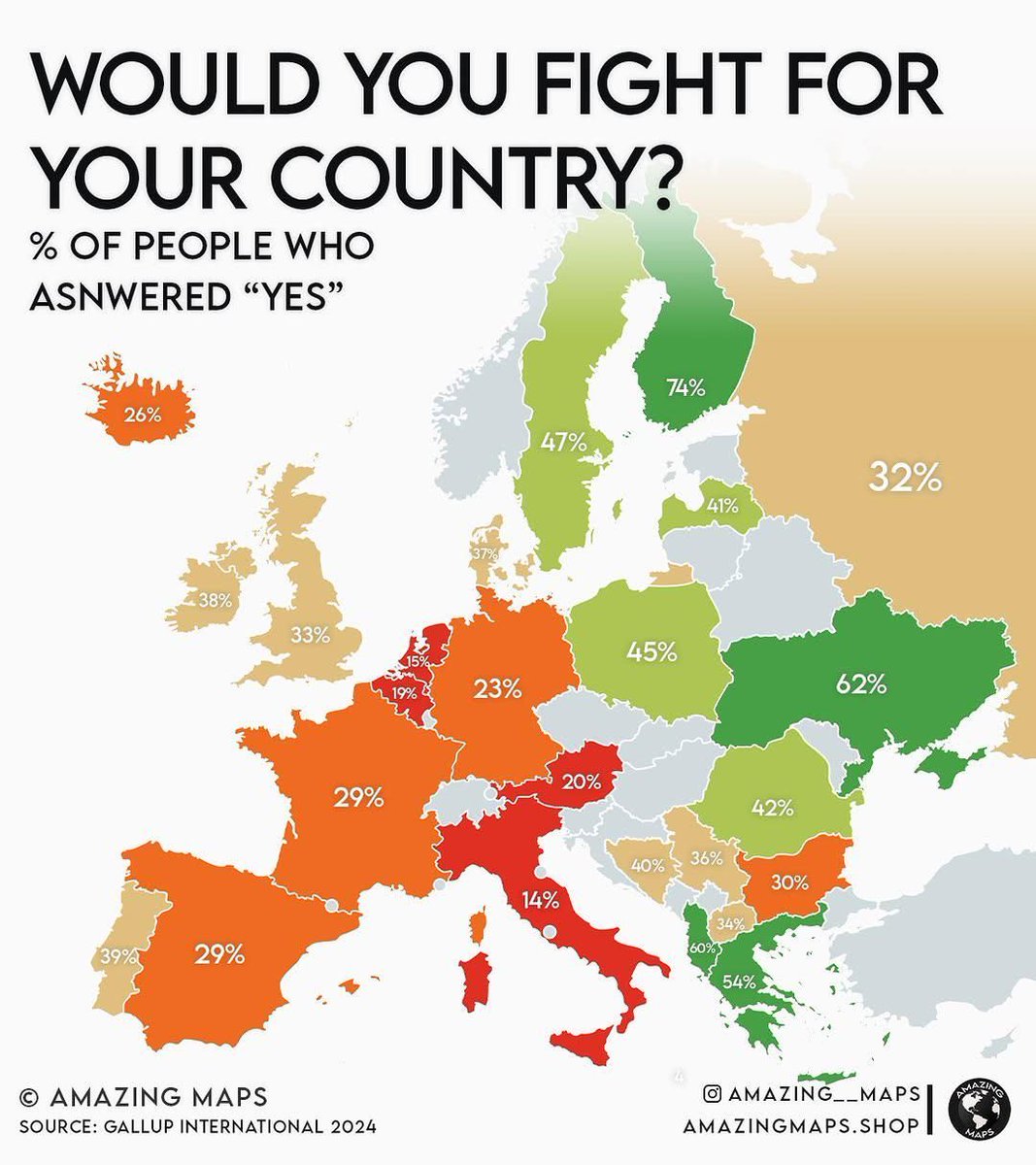
While such questions (and the shift in answers over time) are somewhat interesting, I am certain that numbers would move upwards rapidly if their country actually found themselves under attack suddenly.
Facts > Intentions
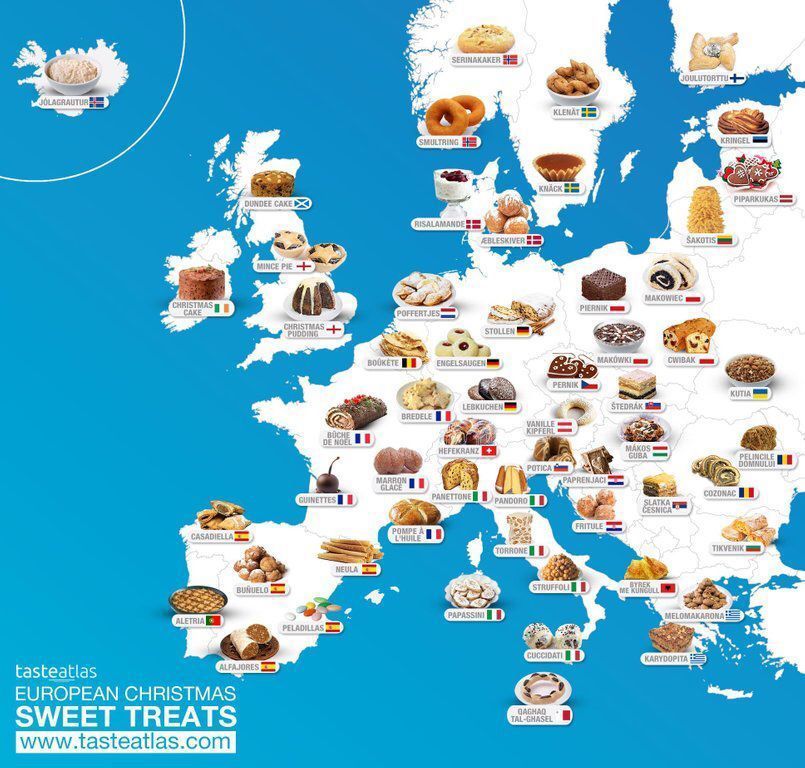
Traditional European Christmas Deserts by region. Being from Munich I am favoring the Frankonian Lebkuchen, the Italian Panettone and basically everything from Eastern Europe. Let’s just say that I’m no a picky eater... Source: https://t.co/WmIC71xTFf