Who says eating low-carb has to cost a fortune? Not in my kitchen! 👑
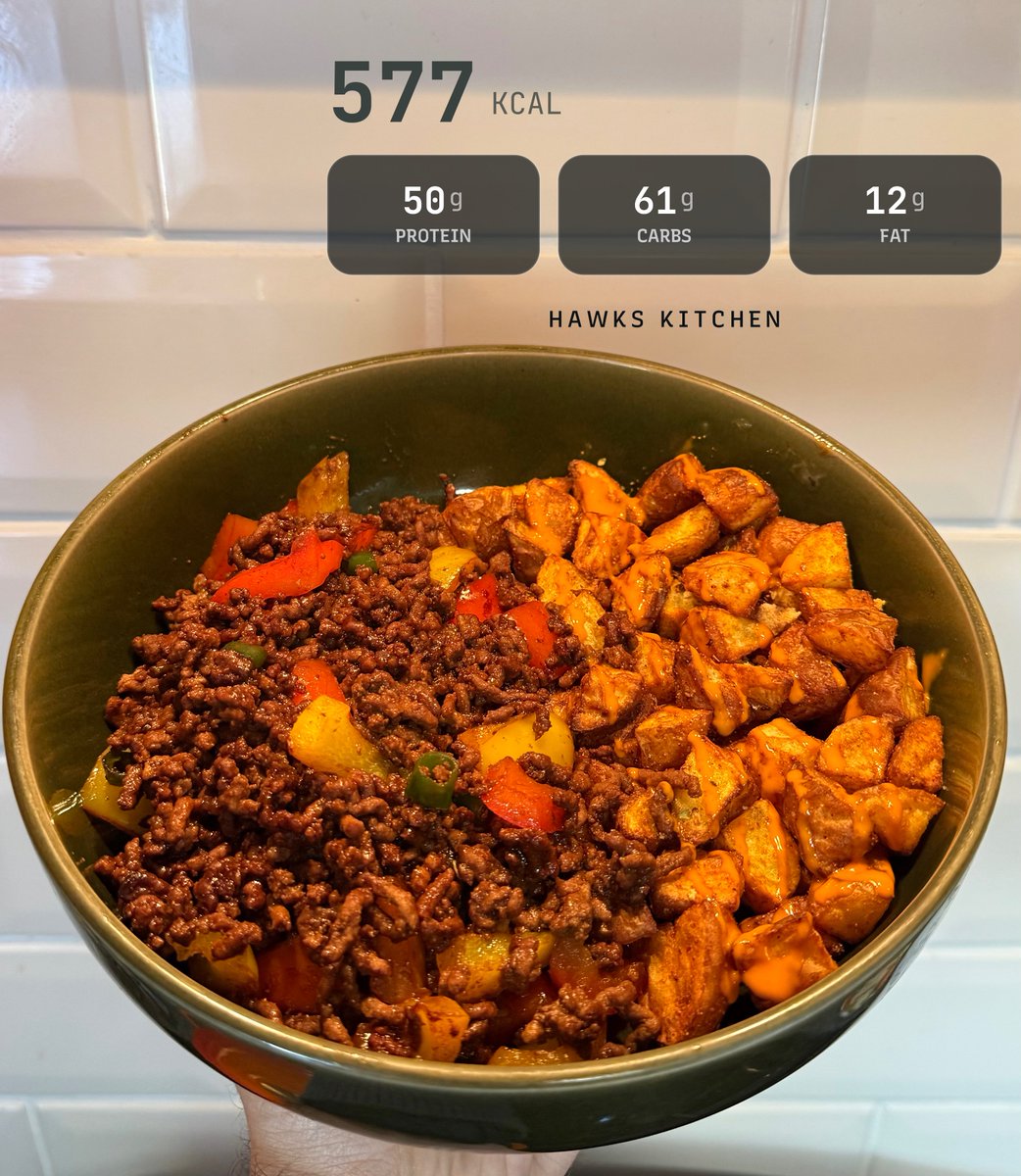
This Bacon Chicken Parmesan Bowl cost me just $4 to make, and let me tell you, there’s absolutely nothing boring about it!
That’s why I started my Five Bucks, Girl Come Eat series. I want to show you that you can make delicious, satisfying meals without spending a fortune at the grocery store.
You don’t need expensive cuts of meat, fancy ingredients, or a complicated recipe. Sometimes all it takes is a little creativity to turn everyday ingredients into something really freaking good!
Because eating on a budget shouldn’t mean sacrificing flavor, variety, or enjoying what’s on your plate.
And yes, this bowl is coming to the next Girl, Come Eat cookbook update!
👑 Find Girl, Come Eat through the link in my bio, or comment COOKBOOK and I’ll send you the link!
Girl, come eat! 🍽️
3 months on a vegan diet and they lost 5 years worth of muscle!
Imagine 72 healthy, independent-living adults over 65 who had been eating normally their whole lives. Researchers at Wageningen and Maastricht randomly assigned them to one of three paths for 12 weeks: keep eating the way they always had (omnivorous), switch to a fully self-selected vegan diet, or switch to that same vegan diet while doing supervised resistance training twice a week.
They weren’t handed rigid meal plans. They got guidance, recipes, and some products, but they chose their own food—the way people actually do in real life. Protein intake in the vegan groups promptly fell from about 1.0 g per kg of body weight down to roughly 0.7 g/kg. Essential amino acids dropped with it.
MRI scans told the rest of the story. The self-selected vegan group lost about 0.61 liters of thigh muscle volume—roughly 5% of their muscle in just three months. That’s roughly the amount of muscle most people over 50 lose across five ordinary years. Appendicular lean mass fell by more than a kilogram. Muscle protein synthesis rates, measured with deuterium oxide over the first 10 days, were also lower.
The omnivorous group stayed essentially flat.
Adding resistance training twice a week helped, but it didn’t fully protect them. That group still lost about 0.35 liters of thigh muscle. The lead author later said she was shocked—she hadn’t expected the exercise group to lose any muscle at all.
There were other changes. Visceral fat and liver fat dropped in the vegan groups, and body weight fell by a couple of kilograms. Energy intake didn’t clearly crash; the researchers noted the diets simply weren’t matched for protein or energy the way a controlled feeding trial would be.
This sits in interesting contrast to earlier work from the same team. When older adults were given carefully planned, higher-protein vegan meals (around 1.3 g/kg) in a controlled setting for 10 days, their muscle protein synthesis matched the omnivorous diet. Real-world self-selection, especially in people with the anabolic resistance of aging, appears to be a different story.
The paper’s own conclusion is straightforward: a self-selected vegan diet reduced protein intake, skeletal muscle mass, and muscle protein synthesis in these older adults. Resistance exercise attenuated the loss but did not erase it.
In three months, one dietary shift produced muscle loss that normally takes years. That’s the finding that stands out.
What’s missing in this Garlic Lime Cucumber Crunch salad?? Let me know what you would add!
If you want something light, refreshing, and still surprisingly filling, this is one of my go to healthy salads! It has creamy, some crunch, lots of fresh herbs, healthy fats, and the best easy dressing that brings it all together.
This lowcarb cucumber salad works great on its own or as a side with grilled chicken, shrimp, or even some roasted chickpeas.
Here’s how I made it:
1.Thinly slice 4 or 5 Persian cucumbers (or 3 Japanese cucumbers) into half moons, coins, or sticks. Go thin so they soak up the dressing well.
2.Add your cucumbers to a large bowl or mason jar or deli container.
https://t.co/f80NVTteLd the cucumber, add 8oz finely chopped broccoli. Chop it small so you get a little in every bite.
4.Add 1 cubed avocado, a large handful of chopped mint and chives. No chives? Thinly chopped Green onions or scallions work too.
5.Toss in 2 tbsp roasted walnuts or some pistachios for crunch.
6.Make your creamy garlic lime dressing: just mix 2 tbsp mayo, 2 tbsp Greek yogurt, 1 tbsp Dijon mustard, the zest of a lime, juice of 2 limes, 1–2 minced garlic cloves, and a generous pinch of salt. Pour it over the veggies.
7.Shake it up or gently toss until coated.
Top this up with feta, some morr herbs, extra nuts, or a dusting of sumac if you’re feeling fancy.
If you make to, be sure to let me know on SHREDHAPPENS!
.
.
.
.
#healthyrecipes #healthyfoodshare #saladrecipe #lowcarb #lowcarbrecipes
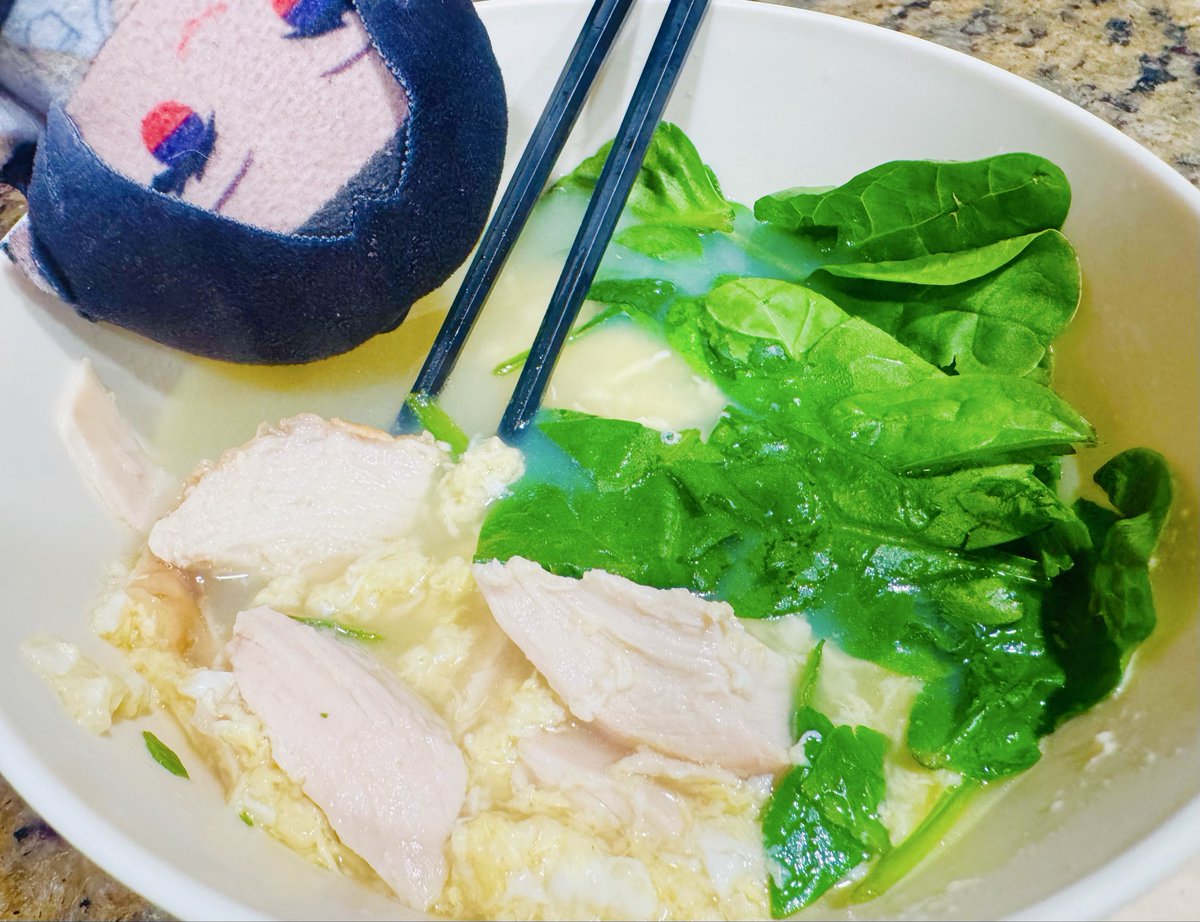
Here is Scarle’s Soup of the Day! :3c 🍲 ✨
I love soup, I eat soup almost every day and it’s nice and warm and no upset my tummy.
I’ve been trying to up my protein intake lately, so I made egg drop soup with 2 eegs, smol spoon of chicken bouillon for flavor, 4oz of rotisserie chicken and several lots of smol hand fulls of spinach. Very simple and yummy!^^✨💚
Agreed. And honestly, we shouldn't be feeding our kids that way either. Pancakes with syrup or a bowl of sugary cereal is really just dessert in the morning, and it sends blood sugar up and then crashing long before lunch. A real breakfast is eggs, bacon, sausage or a steak, which keeps adults and kids full and focused until the next meal.
Huberman opened his fridge for Men’s Health and said it wasn’t staged. This is what he actually eats.
Cold brew yerba mate first (organic, zero sugar, usually raspberry). Persian cucumbers still show up two or three times a day. In college people called him cucumber boy for the same reason.
Protein at meals, olive oil, a little butter and Parmesan, blueberries, low sugar fermented stuff like sauerkraut. Bread, oatmeal or rice when training volume is higher. Grass fed steak because his dad’s Argentine.
He’s been eating roughly this way since he was 16. Same basic structure for 25 to 30 years: protein, fibrous produce, healthy fats, starches that move with training. Not identical groceries every week. Just the defaults that stuck.
Most people keep swapping systems. He locked the fridge early and left it alone.
What’s one thing that’s been in your kitchen since your teens that you still buy without thinking?
Recommendations about saturated fat have been dramatically oversimplified.
Dr. Dariush Mozaffarian argues that saturated fat can become a distraction when it’s the only thing we use to judge a food.
Foods with similar saturated fat content can affect the body differently. For example, saturated fat from butter raises LDL cholesterol, while the same amount from cream can produce little to no increase.
One possible explanation is the milk fat globule membrane, the natural coating around fat droplets in cream, largely absent from butter oil. The structure surrounding the fat influences its biological effects.
Recommendations that reduce a food to a single number of fat grams can miss its structure, its other components (the food matrix), and the overall diet it belongs to. Those details matter when translating nutrition research into advice about what to eat.
From the latest episode of the podcast. You can find it on YouTube, Spotify, and Apple Podcasts.
Major cheat code for fat loss:
Prioritise protein,fibre & complex carbs at every meal.
Walk 10–15 minutes after meals.
Lift weights 3–4 times a week.
Stop mindless snacking.
Sleep 7–8 hours.
Maintain a calorie deficit without starving yourself.