The #TianhuiMedicalSlips, written by #BianQue during the Warring States period, reveal diagnostic insights of #TraditionalChineseMedicine, including pulse diagnosis, the five elements, and more. Read more: https://t.co/RTglnjCqaJ
A rare Song dynasty text reveals how medical exams shaped #TraditionalChineseMedicine training. This study explores Tai Yi Ju Zhu Ke Cheng Wen Ge, offering a new perspective on historical medical education. Read in Chinese Medicine and Culture: https://t.co/RTnx5D0TPQ
Dear Z-Librarians,
Z-Library’s mission is to make education accessible to everyone, no matter where they live or what their financial situation is. That’s why we offer free online access to millions of publications in many languages, which are used daily by students, teachers, and staff at educational institutions.
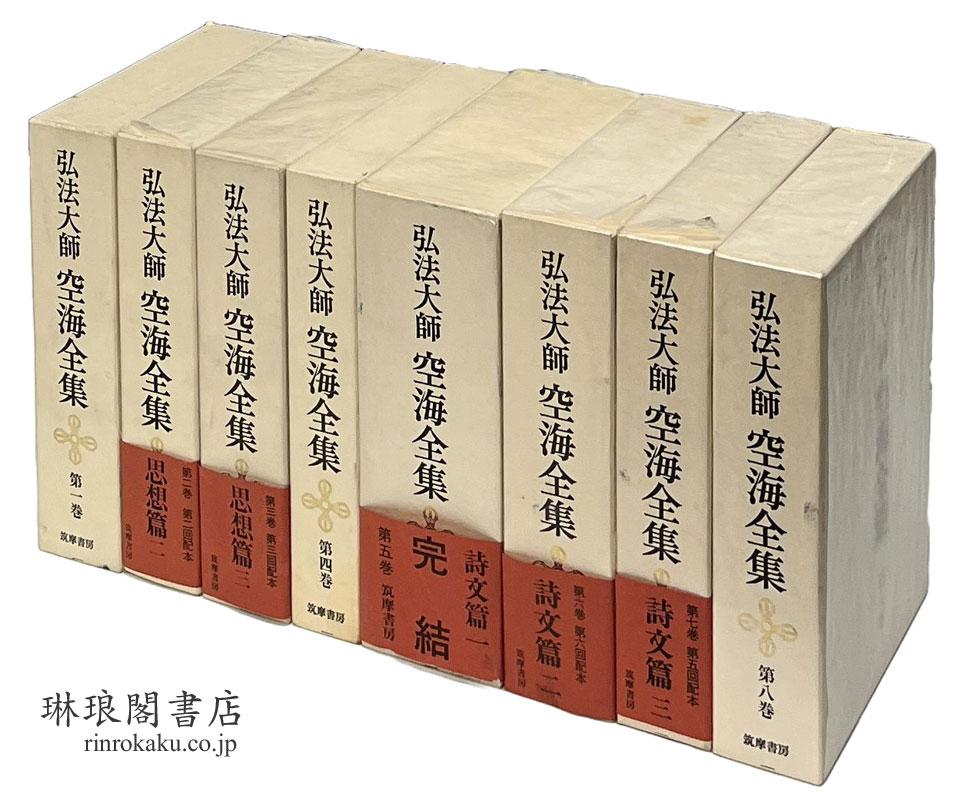
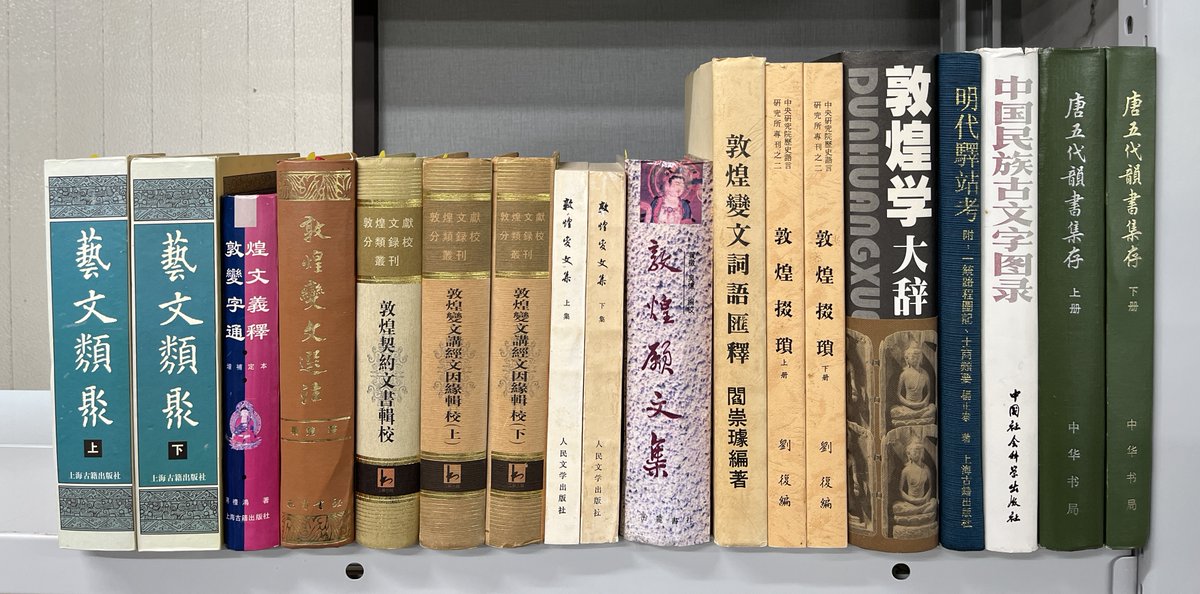
In addition to digital resources, we are working to improve access to physical books. Through our Litera Library project [https://t.co/IQ9p0YLCoe], users can request the books they need or donate their own by sending them to one of many Litera Points—special exchange locations around the world. This project already operates in dozens of countries and is helping to break down barriers to knowledge sharing.
The Problem of Insufficient Educational Materials
Many educational institutions, especially in developing countries, struggle to provide enough learning materials for their students. Books can be expensive, institutional budgets are often limited, and sometimes it’s just impossible to get up-to-date publications. In some places, a single textbook can cost 50–80% of a day’s wage, putting it out of reach for most students. This creates inequality in education and makes it hard for people to get the knowledge they need.
To help address this issue, we’re launching a new targeted support program for educational institutions that lack essential educational materials. Every month, we’ll help schools, colleges, universities, and other officially registered organizations get the materials they need—either by purchasing them directly or by providing funds for their acquisition. To participate, just fill out our support request form [https://t.co/IOXMyMvnb3].
How the Program Works:
- Educational institutions submit a detailed application from their official email address, describing what kind of help or materials they need and how these resources will benefit their students and faculty. The more specific and comprehensive your request, the better your chances of approval;
- We review each application and contact the institution’s representatives if we have questions or need more details;
- If your application is approved, we’ll purchase the required books, journals, or scientific periodicals and deliver them to your institution, or transfer funds to your official bank account.
This helps us assist as many organizations as possible and ensure our support is effective and targeted.
Please note: This program is only available to officially registered educational institutions. We do not work with private individuals or informal organizations.
If you have any questions or need help, please contact our support team at [email protected] 🤗
We will stay open during the Labour Day holiday, from May 1 to 5!
At the same time, the Shanghai Museum on People's Square will open extra hours till 9 pm. Plan your visit ahead with your family and friends !
My colleague Blazej Mikula will talk about his excellent work on Digitizing Chinese Oracle Bones tomorrow, at a digital humanities workshop in King’s College London. @theUL’s digitized oracle bones has been publishing to Cambridge Digital Library: https://t.co/DxUbvWAP0T
Dr. Jonathan Hartwell (right) and his assistant Sylvy R. Levy Kornberg conduct some of the earliest chemotherapy tests at the National Cancer Institute, about 1950. Photo courtesy of the National Cancer Institute. #histmed#historyofmedicine#beatcancer#pastmedicalhistory
How did herbal medicine from Central Asia and Persia shape traditional Chinese medicine? This study retraces how the #SilkRoad served as a channel for medical exchange between East and West. Learn more: https://t.co/klLMUEQHxz
How does Xiang thinking help explain Wu Xing in #TraditionalChineseMedicine? This #ChineseMedicineAndCulture article explores how imagery thinking gives structure to the five elements and expands on #YinYang theory. Learn more:
https://t.co/UlammrFcHw
An ancient concept at the “mid-right” of traditional #ChineseLogic may explain how multi-dimensional thinking shaped principles like #YinYang and #BaGua in #ChineseMedicine.
Learn more: https://t.co/pSA5GWeRwR









![Z_Lib_official's tweet photo. Dear Z-Librarians,
Z-Library’s mission is to make education accessible to everyone, no matter where they live or what their financial situation is. That’s why we offer free online access to millions of publications in many languages, which are used daily by students, teachers, and staff at educational institutions.
In addition to digital resources, we are working to improve access to physical books. Through our Litera Library project [https://t.co/IQ9p0YLCoe], users can request the books they need or donate their own by sending them to one of many Litera Points—special exchange locations around the world. This project already operates in dozens of countries and is helping to break down barriers to knowledge sharing.
The Problem of Insufficient Educational Materials
Many educational institutions, especially in developing countries, struggle to provide enough learning materials for their students. Books can be expensive, institutional budgets are often limited, and sometimes it’s just impossible to get up-to-date publications. In some places, a single textbook can cost 50–80% of a day’s wage, putting it out of reach for most students. This creates inequality in education and makes it hard for people to get the knowledge they need.
To help address this issue, we’re launching a new targeted support program for educational institutions that lack essential educational materials. Every month, we’ll help schools, colleges, universities, and other officially registered organizations get the materials they need—either by purchasing them directly or by providing funds for their acquisition. To participate, just fill out our support request form [https://t.co/IOXMyMvnb3].
How the Program Works:
- Educational institutions submit a detailed application from their official email address, describing what kind of help or materials they need and how these resources will benefit their students and faculty. The more specific and comprehensive your request, the better your chances of approval;
- We review each application and contact the institution’s representatives if we have questions or need more details;
- If your application is approved, we’ll purchase the required books, journals, or scientific periodicals and deliver them to your institution, or transfer funds to your official bank account.
This helps us assist as many organizations as possible and ensure our support is effective and targeted.
Please note: This program is only available to officially registered educational institutions. We do not work with private individuals or informal organizations.
If you have any questions or need help, please contact our support team at support@z-lib.fm 🤗](https://pbs.twimg.com/media/Gp1M2ERWAAAaRIJ.jpg)