As of March 11, 2026, this account is no longer active.
Please look for our content on the main NIH X accounts @NIH and @NIH_Innovates and follow along for the latest news and info from NIH!
Visit our website at https://t.co/Ezq9vulmfM for more information about NCCIH.
@NIH is seeking a new director of NCCIH. The holder of this key position will provide leadership, vision, and direction to the Center and play a leading role in multiple NIH-wide initiatives. Applications are due Wednesday, Nov. 26. https://t.co/tuwpvy1Gcr
Are you feeling stressed? Or anxious? Are you having trouble sleeping? Check out our new eBook to find out what the science says about mindfulness, relaxation techniques, and other complementary approaches that might help. https://t.co/wa15tNxiuT
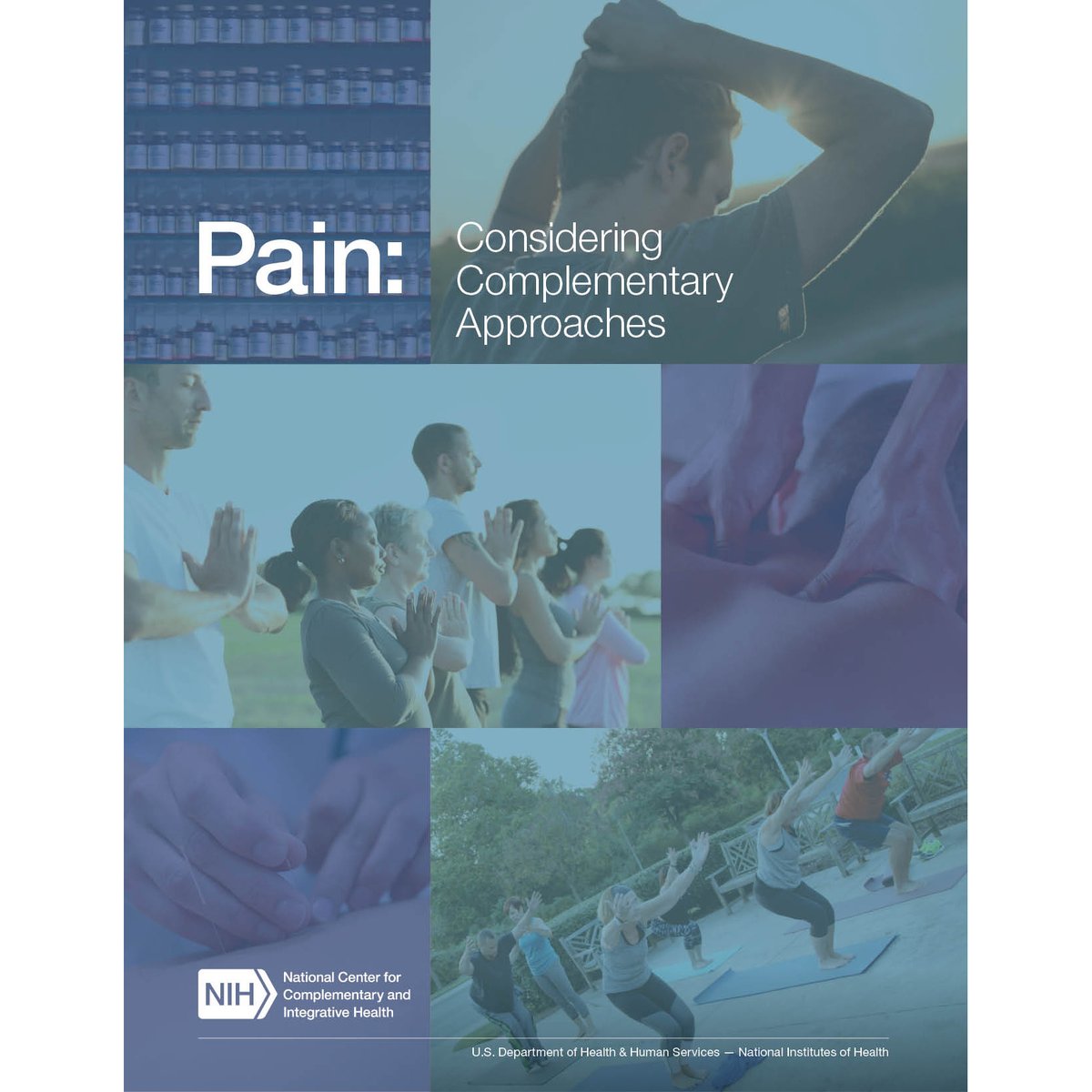
Did you know that #pain is the most common reason for seeking medical care? We have an eBook that provides an overview of complementary health approaches for pain including acupuncture, massage therapy, meditation & more. Check it out: https://t.co/mfZVE6iYMu
#PainManagement
Why is whole person health so important? Whole person health involves looking at the whole person and considers multiple factors when it comes to our health. This approach focuses on health promotion and prevention, & not just treatment: https://t.co/Ob7WE65jgZ #WholePersonHealth
The Pain Management Collaboratory (@painmc3), funded by @NIH, @DeptofDefense, and @DeptVetAffairs and led by NCCIH, is conducting large-scale real-world studies on improving pain management with nonpharmacologic treatments. Learn more: https://t.co/Q1adz1ykIH
The NIH Pragmatic Trials Collaboratory (@Collaboratory1), led by @NIH_NCCIH and @NIHAging, has pioneered approaches for conducting large-scale, cost-effective research in the settings where patients normally receive their care. Learn more from this video: https://t.co/tqghKUl3Qg
NCCIH’s #KnowTheScience toolkit aims to help consumers better understand scientific topics related to health research.
Check it out to learn how to make sense of scientific journal articles, avoid drug-supplement interactions, and much more! https://t.co/GGnkdSVmh0
A study by investigators from NCCIH and the @NIDCR_NIH, published in @Nature, provides new insights into how the nervous system detects heat and touch and how inflammation modifies these processes to trigger pain.
https://t.co/teRxEr8xWh
Not sure if your health insurance covers the complementary health approach you want to use? Read this fact sheet for information to help guide you when it comes to paying for complementary products and practices.
https://t.co/jYNVTL74V5
In health care and research, there’s often a gap in capturing the full picture of an individual’s overall health. In this blog post, @NCCIH_Director highlights an exciting new survey tool: the Whole Person Health Index (WPHI). Read the full post here:
https://t.co/D2qTG7qiw7
Acupuncture may help relieve #osteoarthritis pain. Other psychological and physical complementary approaches like tai chi and massage therapy may help with pain management as well. Read more here:
https://t.co/He5ELedMQP
Different types of magnets may be used for pain management, including electromagnets and static or permanent magnets. Here’s what we know about these magnets and the pain conditions they are used for:
#PainManagement
https://t.co/7ens7yEkhE
When you’re under stress, your body reacts by releasing hormones that produce the “fight-or-flight” response. Check out these 5 things to know about relaxation techniques that may counteract the negative effects of stress.
#StressAwarenessMonth
https://t.co/L86yAHXxST
Looking for reliable health resources online? Check out our #KnowTheScience toolkit. We have a new set of tools to help you find out whether websites, social media sites, and apps are trustworthy and to help you distinguish news from advertising. https://t.co/aXMrgS5PUo
In her new #DirectorsMessage, @NCCIH_Director discusses the ways in which @NIH is advancing research on whole person health to improve health outcomes and inform better care for everyone. https://t.co/D9RldZyM52
It’s #StressAwarenessMonth. We have resources for you on complementary health approaches and stress. See what the science says about approaches like relaxation techniques and yoga for stress relief!
https://t.co/YfRKPJbusW
Today kicks off National Public Health Week. Public health focuses on how the places we live, work, and play affect our well-being. Check out some ideas on creating healthy communities. @PublicHealth#ThankYouPublicHealth
https://t.co/hzd18kxEfH
Fenugreek is a clover-like herb. Its seeds, which smell and taste like maple syrup, have been studied for health purposes.
Research suggests that fenugreek may help lower blood sugar levels in people with type 2 diabetes.
https://t.co/0qe5HxUWpi