As of February 18, 2025, this account will no longer be active. Please follow @NIMHgov for updates and news from the National Institute of Mental Health.
Join us for this NIH HEAL Initiative virtual workshop on health economics research to address the needs of individuals with serious mental illness, substance use disorder, and comorbid conditions.
📅 Feb. 14, 2025 | 10:00 a.m.–3:45 p.m. ET
Register! https://t.co/oP4ZnjJ1AY
Reward processing impairments are often assoc. with mental illness. #TBT to a data-driven approach using PVS constructs (reward responsiveness, learning, & valuation) to identify pathways to negative symptoms in individuals across the SMI-spectrum; https://t.co/5DGjMtbZpL #RDoC
#RDoC is constructed around six major domains of human functioning. Learn how each domain contributes to the overall framework; https://t.co/slb7IFniiH
A new article to start the new year! An insightful review examining neuroimaging studies on adolescent depression within the #RDoC framework, focusing on modalities such as fMRI, DTI, & EEG; https://t.co/qkZTNhH42m
#2024rewind: Influenced by the #RDoC framework, this study compares disorder-specific and #transdiagnostic cognitive patterns when predicting the severity of anxiety & depression symptoms; https://t.co/zWBe7bASHw
In 2024, NIH-supported #BasicResearch led to several noteworthy advances, including insights into the H5N1 avian flu outbreak, mapping how cancers form and spread, and progress in understanding the brain. https://t.co/iYKL9j18aH
#2024rewind: A review summarizing #NIMH initiatives that facilitate cognitive & intervention research for #schizophrenia. Highlighted are measurement/treatment research, cognitive neuroscience, & #RDoC funding opportunities; https://t.co/IDS13xbjqz @SchizBulletin
How does access to opportunity impact cognitive development? #FBF to a study examining how constructs within the #RDoC Cognitive Domain (language, perception, & attention) are associated with environmental factors that impact youth development; https://t.co/PrdawLHWOc
Help NIMH raise awareness about mental health and the importance of mental health research by sharing free education and outreach materials with your community. Sign up to receive the Discover NIMH newsletter to learn about new materials! https://t.co/9K7AT6z71b #shareNIMH
.@NIHgrants launched a new Resources for Researchers with Disabilities webpage, highlighting support, accommodations, and funding opportunities. Learn more and explore the resources! https://t.co/hBpOlNHKwK
New review by Dr. Joshua Gordon, @KafuiDzirasa, & @rikepetzschner examining neuroscientific advances in #MentalHealth research. Highlights include progress in genetics/ molecular neuroscience & computational approaches. BTW, thanks for the #RDoC mention! https://t.co/JQSpUPquzv
Join us on December 16 at 2 p.m. ET for the NIMH Director's Innovation Speaker Series on youth suicide. Acting NIMH Director Dr. Shelli Avenevoli and expert Dr. Arielle Sheftall will discuss research, prevention, and intervention. Register to watch! https://t.co/J4zWrt4ksE
New PVS Domain review! The study evaluates the potential of preclinical rodent research to investigate the neurobiology and neurochemistry underlying reward-related functioning in non-pathological & disease states; https://t.co/wxLXoyPCvN #RDoC
Are you an undergraduate, graduate, medical student, or postdoctoral fellow? NIMH has training opportunities for you! Attend our last free virtual information session of the year tomorrow, December 3, to learn more and talk to current trainees. Register! https://t.co/CE1tC37Lhf
Turkey shouldn’t be the only thing you gobble down this #Thanksgiving holiday! Take a deep dive on our webinars page to catch up on previous #RDoC themed webinars; https://t.co/v1Y6FQ5D40
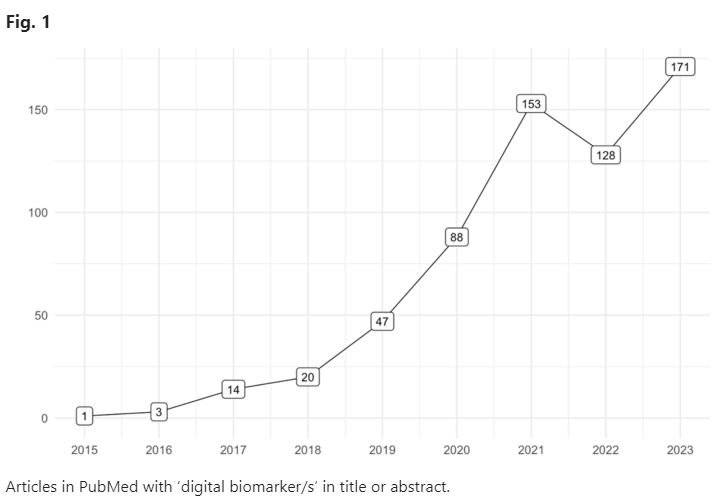
Digital biomarkers have played a major role in the evolution of biological psychiatry. A new article examines the definition and use of the term “biomarker” in psychiatry within the #RDoC Framework; https://t.co/FEwb1ZeXXN
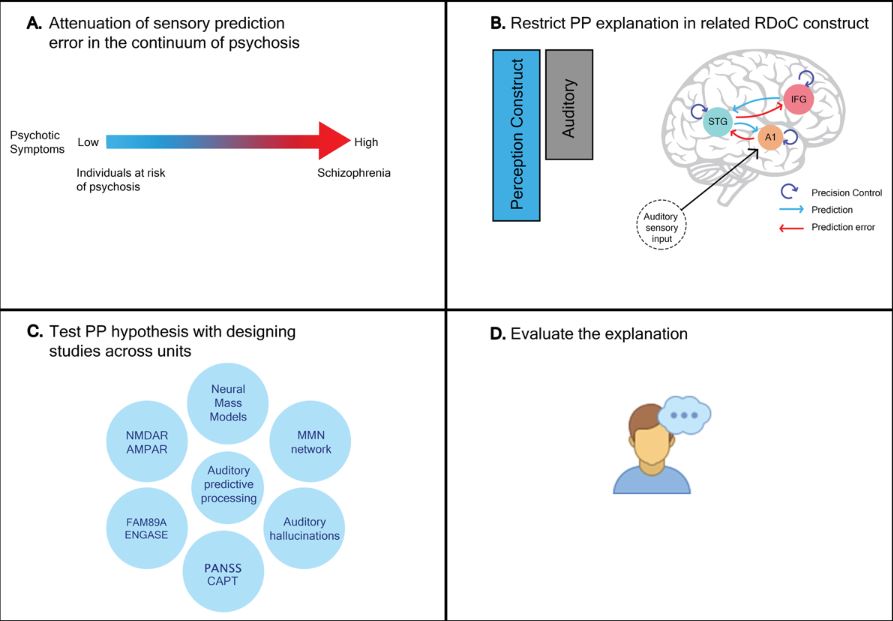
Spotlight on the Cognitive Systems Domain! An insightful paper examining the potential integration of the Predictive Processing framework and the #RDoC framework when studying #psychopathology; https://t.co/KnBpxDM2at @ToghiArmin@CPSYJournal