1. Does drawing harder boundaries between science and "misinformation" increase or decrease public trust in science?
In four studies conducted in the context of COVID-19, we tested this question by comparing different approaches to science communication.
https://t.co/gCXWe5KscK
Student reading abilities dropped so low some are calling for higher ed to take seriously the task of "cognitive rehabilitation."
https://t.co/nneC3J9KvC
Respondents were asked to place themselves, the Democratic Party, and the Republican Party
On a scale from 1 (very liberal) to 7 (very conservative)
Here's how 16 religious groups have done that from 2012 through 2025.
There are dozens of good stories here.
Our learning management system has been hacked, so please do not log in. This is a security risk.
Also, make sure to have your final grades in by COB today.
If we turn the political science department into a service department, that’s okay. The economists can do the political “research” with better math and better grants.
Former AEJMC president and Stanford journalism professor emeritus Ted Glasser: "Journalists need to be overt and candid advocates for social justice, and it's hard to do that under the constraints of objectivity."
This is the organization whose conference used the word 'resistance' 36 times last year and 'impartial' zero.
https://t.co/vZDGeI0OG2
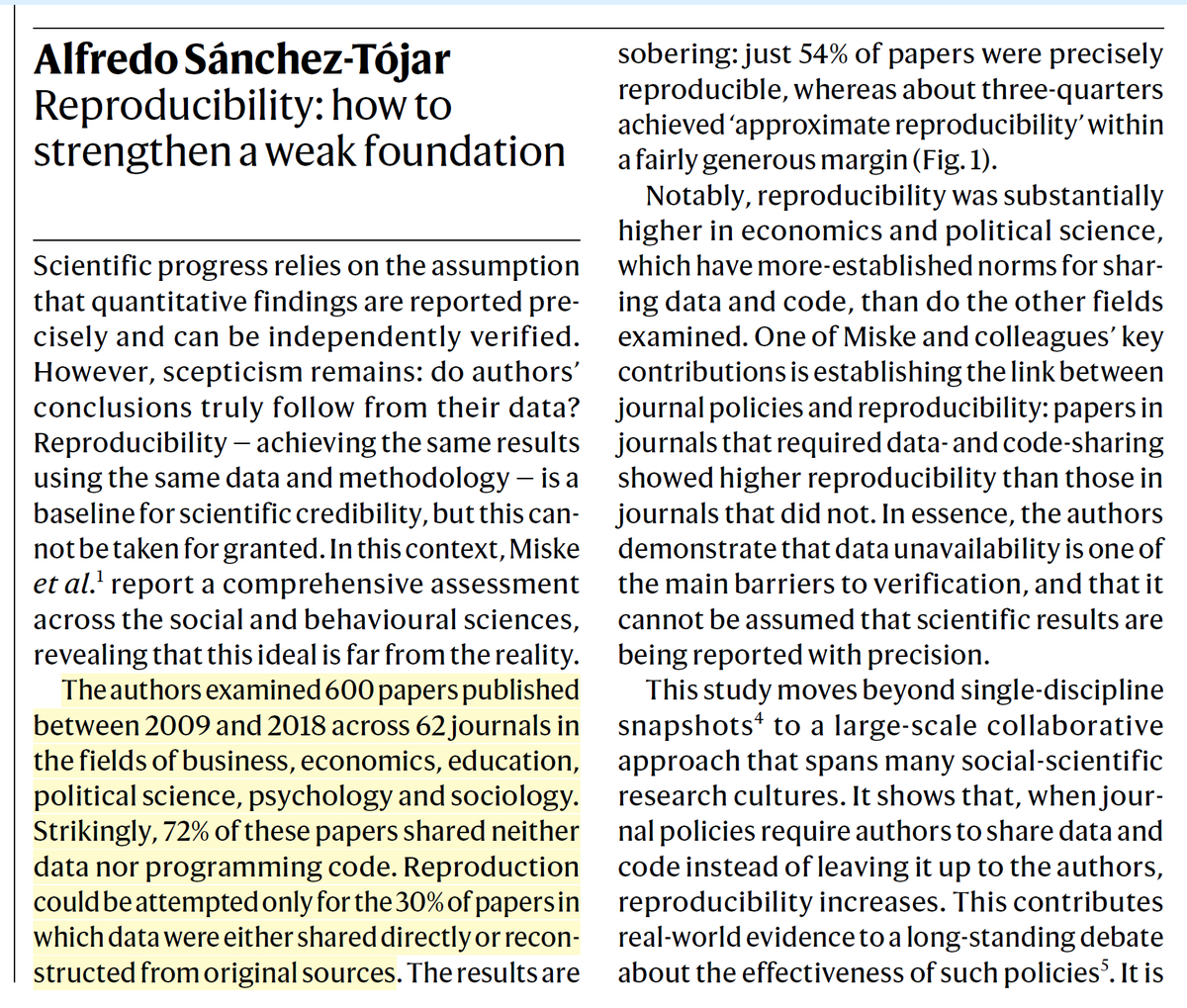
“If you’ve been in the social sciences for any amount of time, your reaction to this is probably one of two things...Either, ‘Oh my God, half?’ or, ‘Honestly, I’m surprised it’s that high.’ I'm in the "honestly I'm surprised it's that high camp.
https://t.co/r7fQmMQhip
Paul Ehrlich provides us with staggeringly certain, practically dispositive evidence that peer review allows basic, critical mistakes to be published with the imprimatur of the establishment.
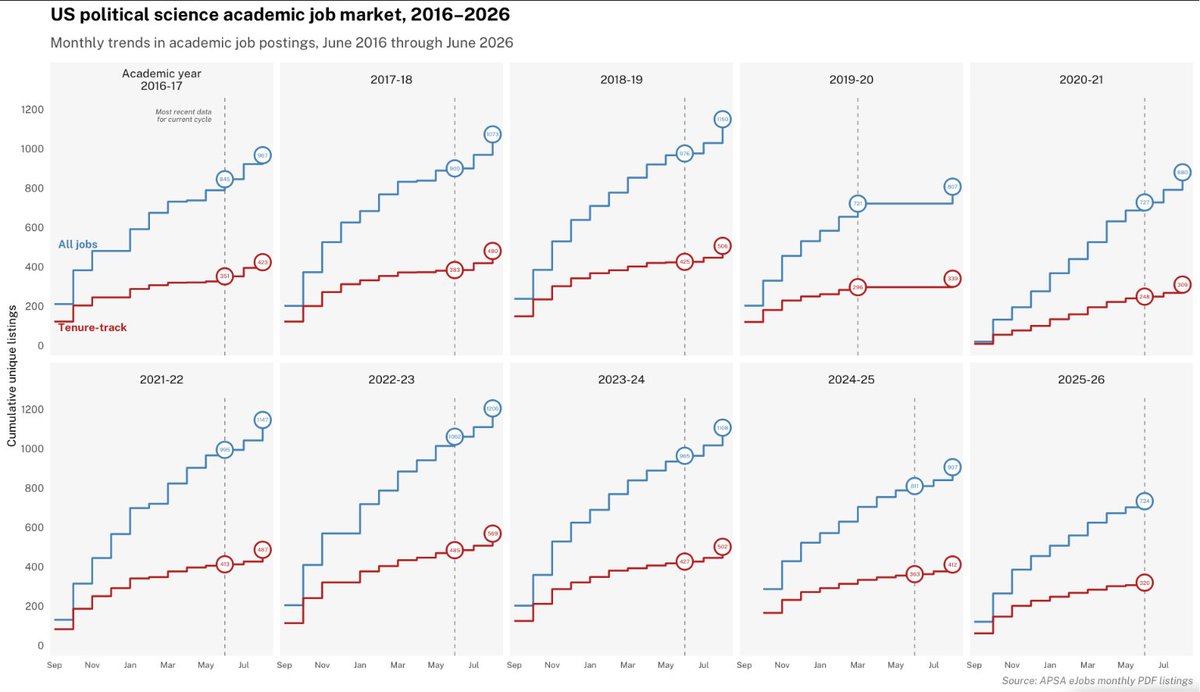
Political Science's academic job market having its worst post-Covid year -- almost 20% fewer jobs than at the same point in the previous cycle (which itself was bad!)
Data scraped from APSA ejobs pdfs.