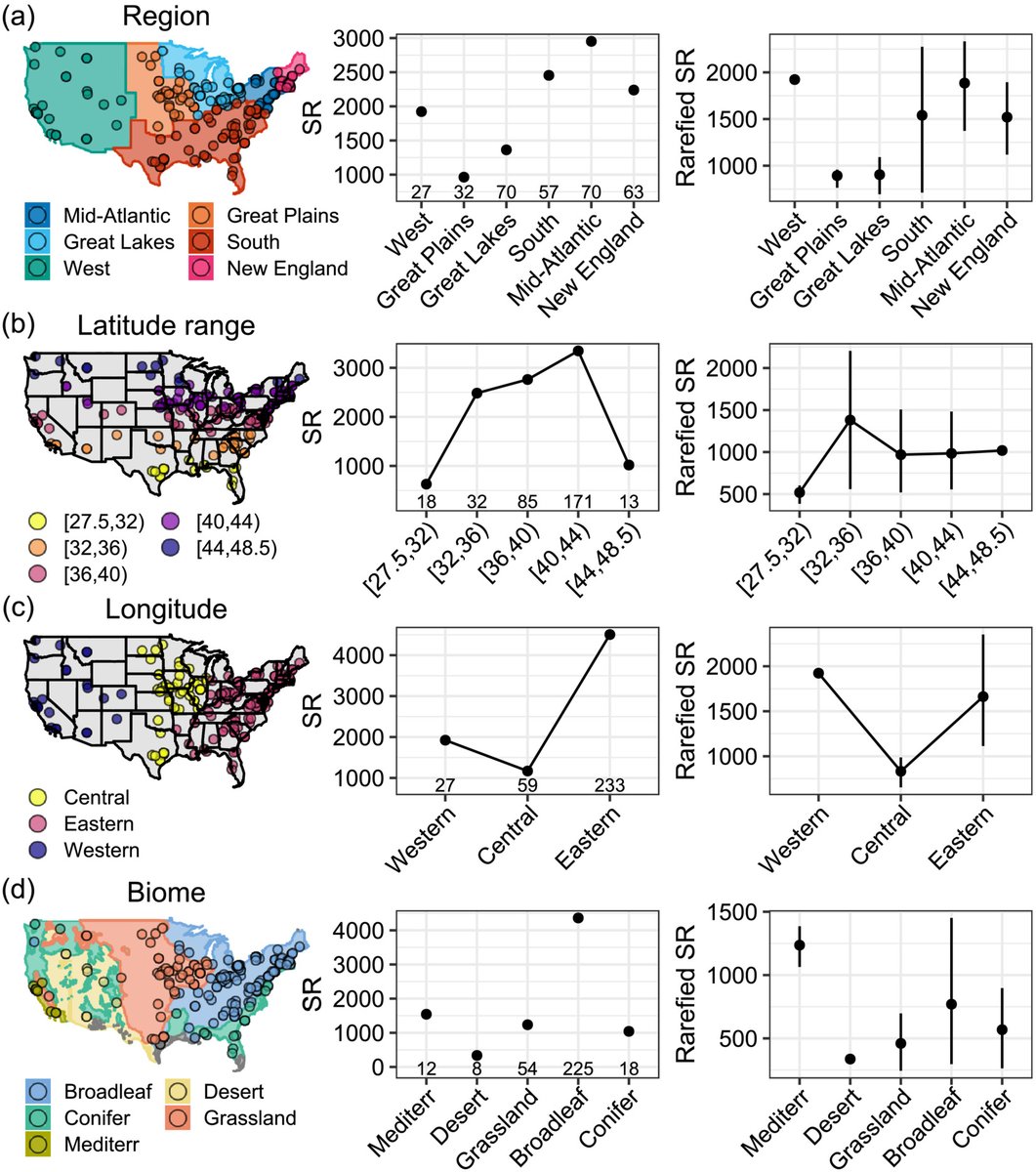
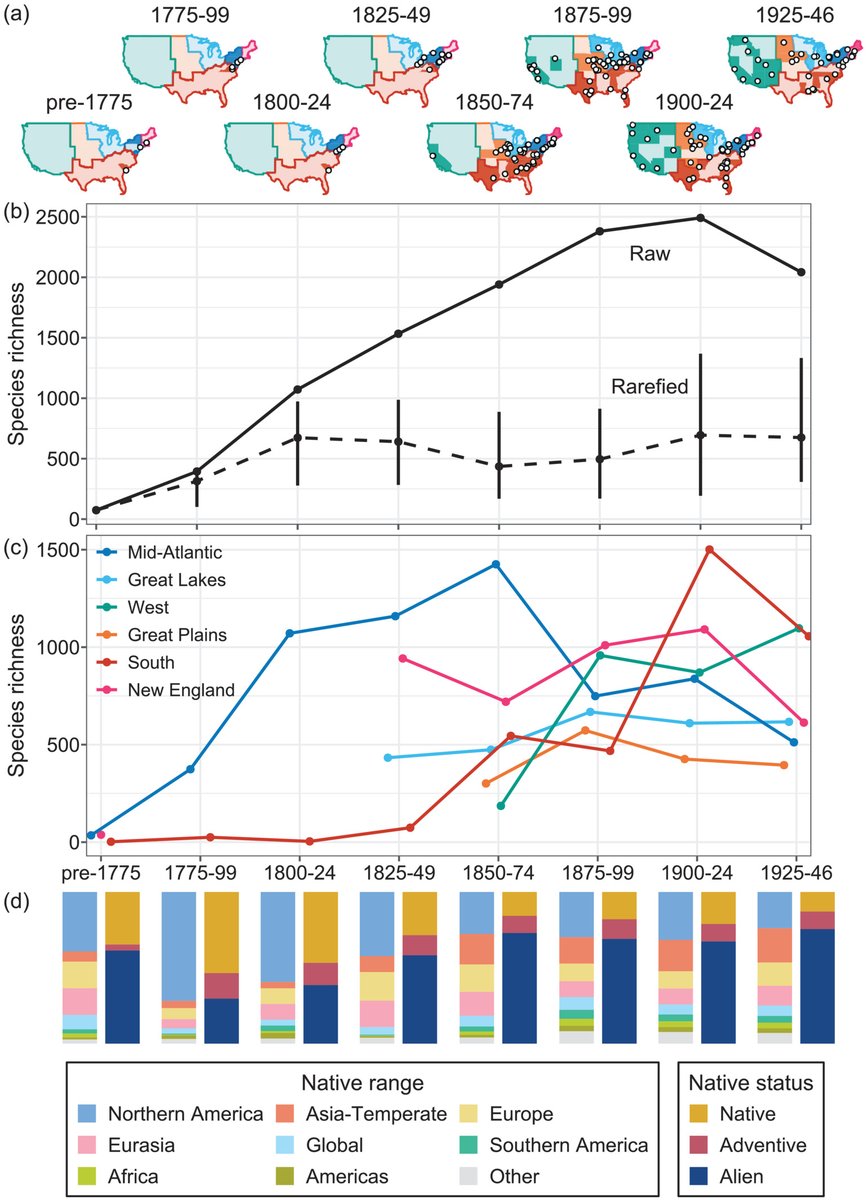
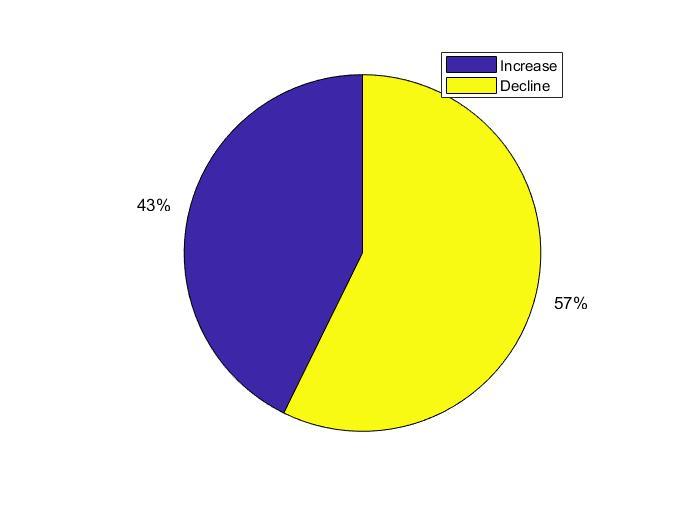
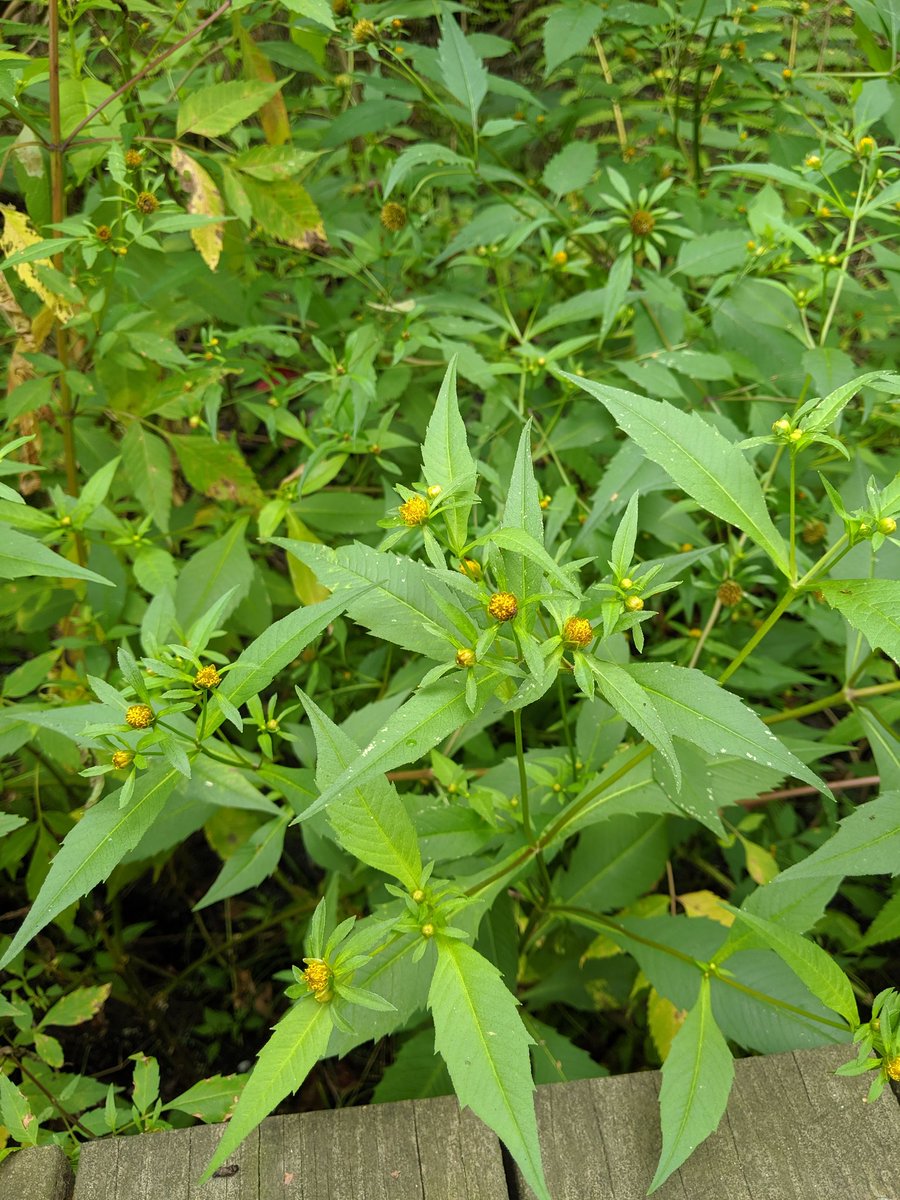
Our paper is out now in Early View—we used US history to inform hypotheses about the diversity/structure of the nursery flora from 1719-1946. Our approach, I think, allowed for deeper insights than if we had considered only species' identities/locations without this context
An ecological and evolutionary perspective of the historical US nursery flora
by @nlkinlock et al. 👇
📖https://t.co/cXrsRzspIZ
@UniKonstanz @wileyplantsci @WileyEcolEvol
Munich State Court finds use of Google Fonts in violation of GDPR and grants compensation of 100€.
Legitimate interest didn't apply. The website operator could have integrated the fonts directly into their website, thereby avoiding sending IP addresses to Google.
honored that my paper has been shortlisted for the Harper Prize ☺️check out the blog post at @JEcology where i explain a bit about the work & what i'm up to now (and [maybe] read the paper as well!)
⭐️@nlkinlock has been shortlisted for the 2021 Harper Prize!
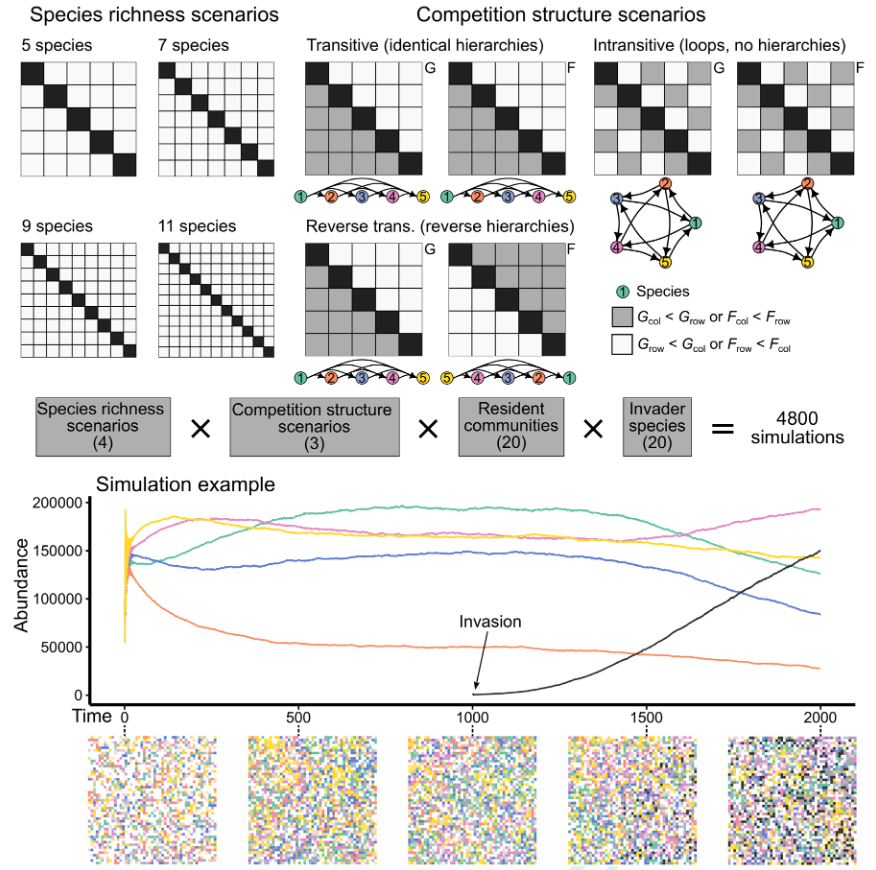
📖Read more about Nicole's research on the blog: Uncovering structural features that underlie coexistence in an invaded woody plant community with interaction networks at multiple life stages https://t.co/RDgs2GkHXk
The first paper from my postdoc work is available now in GEB Early View🌍! We used a dataset of plants introduced into Great Britain by the mid-19th c. ➕ cultivation records 🟰 present-day invasion is influenced by these historical factors
@peng_shijia thanks Shijia, good to hear from you! I really like Konstanz and I'm working on a project more directly related to invasion than my dissertation work. How've you been?
An invasive 🌱 called shoebutton spreads its seeds in Florida through bird 💩. Land managers are asking the public to help detect & report it. Latest for @MiamiHerald & @AAASMassMedia: https://t.co/YYPhSAB8lK
Like many people, I have spent the last 10 days watching so much tragedy unfold. So much anguish from Black colleagues here on twitter.
And so I've been trying to think of ways that *I* can improve my tiny corner of the world.
A thread on why change is hard in academia 1/
It’s no secret that population genetics has roots in eugenics and scientific racism. But as a scientific community, we are skilled at avoiding the topic. Without confronting our history, we may continue to use eugenic frames of reasoning without realizing. https://t.co/HtRvGG0sP1
I see a lot of people with Twitter climate Ph.D.’s saying that “there’s no evidence that extreme weather is getting more severe.” This is wrong.
THREAD. 1/
Celebrated Canadian Thanksgiving for the first time this past weekend, and had the chance to check out the extremely weird fruits of the aptly named Doll's Eyes (Actaea pachypoda), a forest understory plant
Did you know that the St. Lawrence and Ottawa River were once part of an inland sea some 13,000 years ago? Evidence of this sea can be seen today in a handful of maritime plants that haunt sandy shores of lakes and rivers 😮🌱
https://t.co/by0MoUkqa2
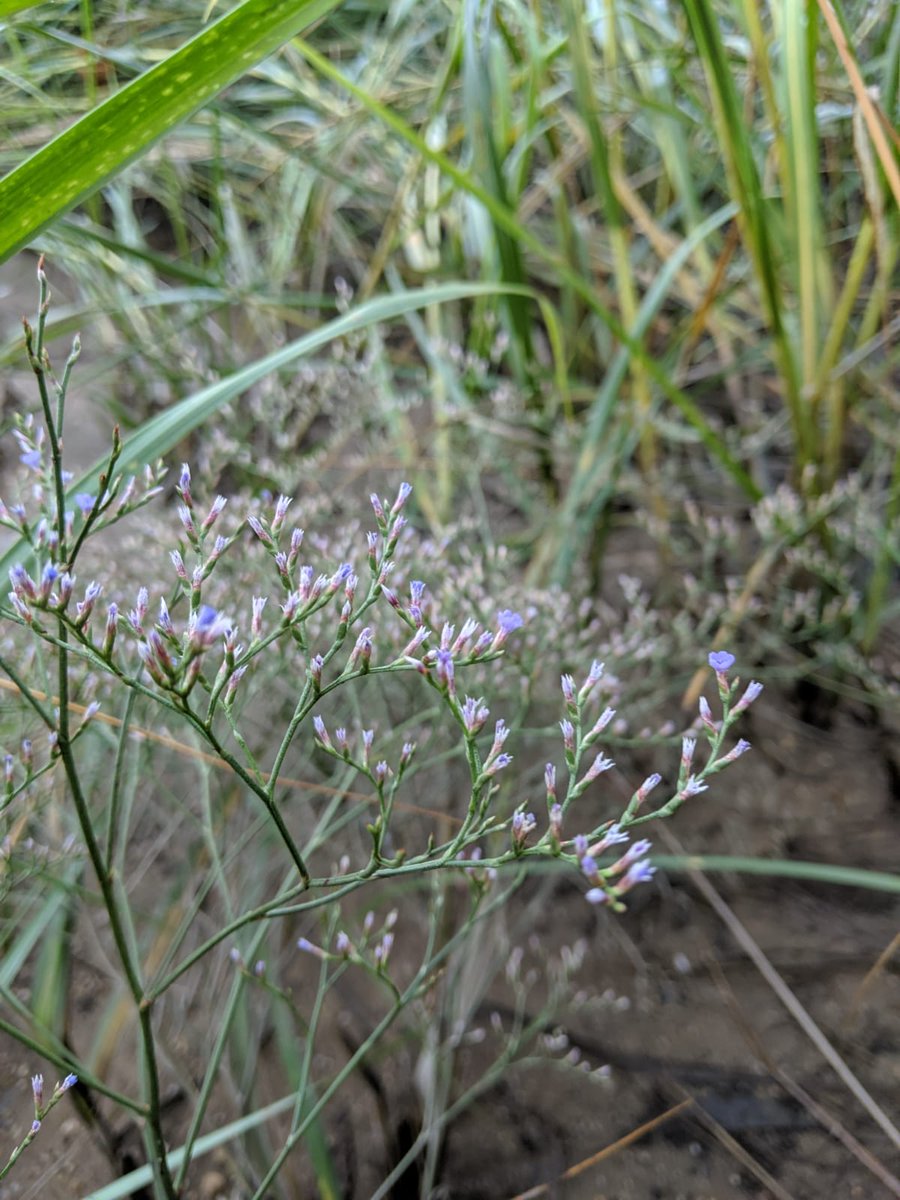
Sea lavender (Limonium carolinianum) closer to the salt marsh edge, just behind some of the marsh grasses. A perennial plant that can survive regular flooding with saltwater
Groundsel bush, Baccharis halimifolia, in the salt marsh border at Sunken Meadow. All male flowers on this individual (didn't see any nearby females). Native here in North America but invasive in estuaries in Europe/Australia