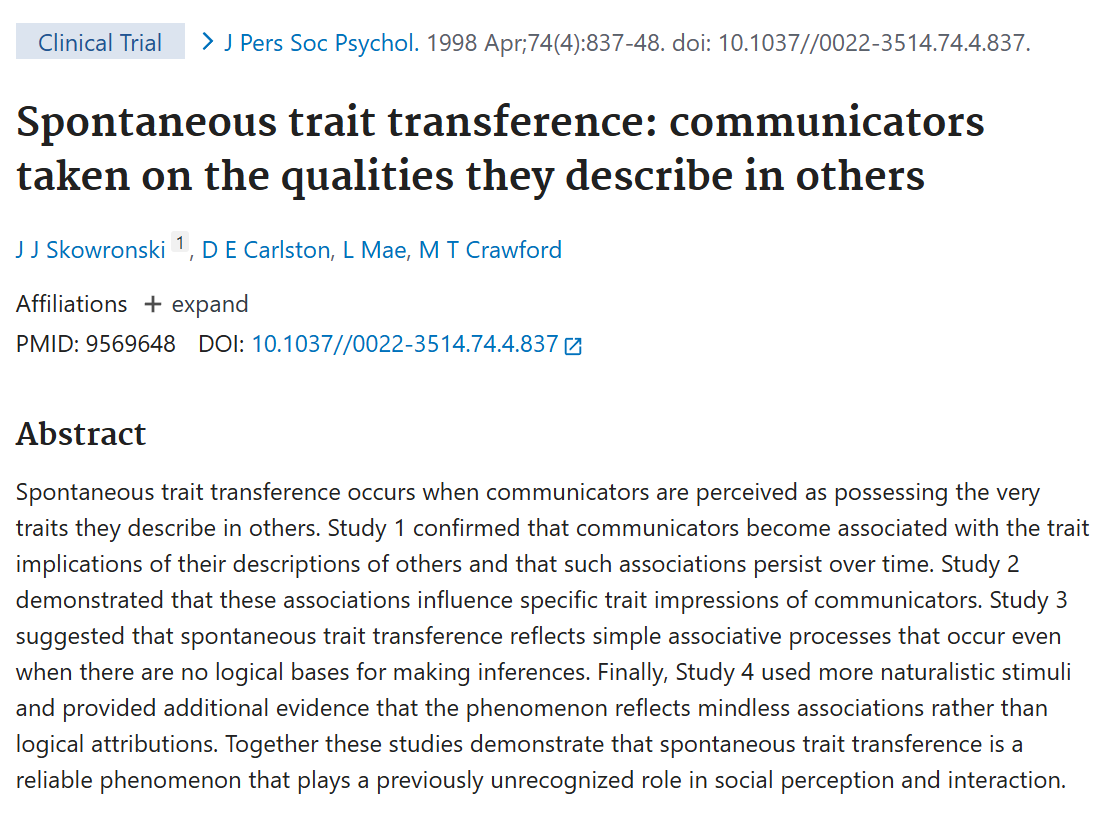
Mocking unconsciously repeats negativity and inadvertently shapes your identity.
You become what you repeat.
Neuroplasticity can't decipher between good and bad.
you can now control things with your brain. literally.
we're building the most wearable BCI on the planet, with @sabi, backed by @khoslaventures@accel@initialized & @kevinweil.
we collected the world’s largest neural dataset and trained the most capable Brain Foundation Model.
then we invented a new class of biosensors powered by custom ASICs.
type without typing. click without clicking. a cap that lets your brain do the work.
we’re sabi.
This is, somehow, meant to be an anti-Sherrill argument, but even when trying to pretend affordability would be bad they make the upzoned city look unfathomably cool. We could have this. You could afford to own a home and start a family. It'd be amazing.
These are people who believe that the future is worth building, that people are fundamentally capable of building it well, and that tomorrow will be better than today—but only because we make it so.
Read the full post here: https://t.co/4scTW4dwVZ
New post in my "How to Think like a VC" is up! "Visions of the Future": how to cultivate the mindset that enables you to be open to insane ideas, but also honestly evaluate them--and how to find the people building them.
This thread is a preview. Link to full post at the end.
The future isn't inevitable. The best investors and builders are the ones who remain genuinely optimistic about human capacity without becoming messianic about their own role in it.
Continuing the reading list I wish I had when I started investing: How to Think Like a VC.
Part 6 focuses on business & investment strategy: not just operating & investing frameworks--that'll just get consensus outcomes--but how to see your own blind spots & think independently
Earlier in my career, the biggest thing I missed was how relationships and power drove investments and outcomes often more than research and analysis did. Figuring that out gave me a more accurate model of the world and made me a more effective operator and better investor.
it's part 5 of my series on "how to think like a VC". this time, i'm diving into how to operate - which spans company ops, product, and growth. it's for founders and for VCs.
feedback welcome! if you've got a killer resource i missed, lmk!
founders often wonder what VCs are looking for underneath the pitch. i wrote a post to answer that honestly.
VCs aren’t underwriting the plan. they’re underwriting whether the founder can grow into a sequence of harder jobs without becoming the bottleneck.
want a head start, both at understanding how VCs will evalute you, and how to nail the 80/20 of scaling a startup? i put together a resource list. see it here: https://t.co/oGdotUV8fb