What if you could see your social graph?
A 3D globe where every meridian & parallel is someone's following list, and every dot is a person, rendered live on canvas 🌐✨
https://t.co/CF5aIvxJpi
#nostr#webdev#dataviz#IndieHackers#BuildInPublic
👇
@JE4NVRG Honestly, just happy to finally have clients that are a better way for myself to engage with people. It's still a shame for me that I have to use X or bsky for some people, because they're not there yet. Hopefully that changes.
My #nostr clients are live, btw:
https://t.co/fWiL4wvgxY
https://t.co/X5OctbCB3P
Getting fewer than 10 daily users, which is honestly a shame, because they're fast, simple, and built for You.
Come on, people, you can do this! Give them a try! 🚀#webdev#BuildInPublic
Global feed was unusable. Ref spam everywhere.
Just shipped regex spam filters in Settings.
More details 👇
https://t.co/D3WvWoKOnf
https://t.co/fWiL4wvgxY
#nostr#webdev#IndieHackers#BuildInPublic
@drunk_vibecoder@bleed811 If they want to stuff a cookie they have to do it on their own site, or with malware or some extension the user installed. That's not my problem to filter, I can't see that anyway. I'm not trying to stop some fraud ring.
I had to put together a few utilities:
Log analysis to filter out bots and identify real user traffic
A local geolocation service to serve region-appropriate affiliate links
Enough to understand patterns and show the right offer without tracking. #webdev#BuildInPublic
@drunk_vibecoder@bleed811 I partly disagree. While you clearly understand this space, I'm confident I can distinguish real users from bots in my own logs well enough for my use case. That said, I agree there's no good off-the-shelf tool for it, which is exactly why I had to build my own.
For the past few days, I’ve been working on server adjustments. There's a lot to fix before I can get down to business. It's a long story about affiliates, how they work, and what it actually takes to make money. If I find time, I'll share the details later. #BuildInPublic
@SSShken My plan is to keep the site free and focus on building a community instead. I'm creating a Tg group with bot to help answer. Then I'll see how many users actually join, what they want, and whether there's a real reason to build more. I'll share the numbers and lessons. Stay tuned
I have a free website with 500k+ charts and 15k daily users making $0
Should I start a #BuildInPublic experiment to monetize a side project?
Your thoughts 👇
@finjonesceo Good advice, I'll give it a try. Btw, your message isn't showing up in my notifications; I saw 1 reply, and found yours under "show probable spam". To put it mildly, X won't be much help with this, so I'd suggest following me on other platforms. All the best.
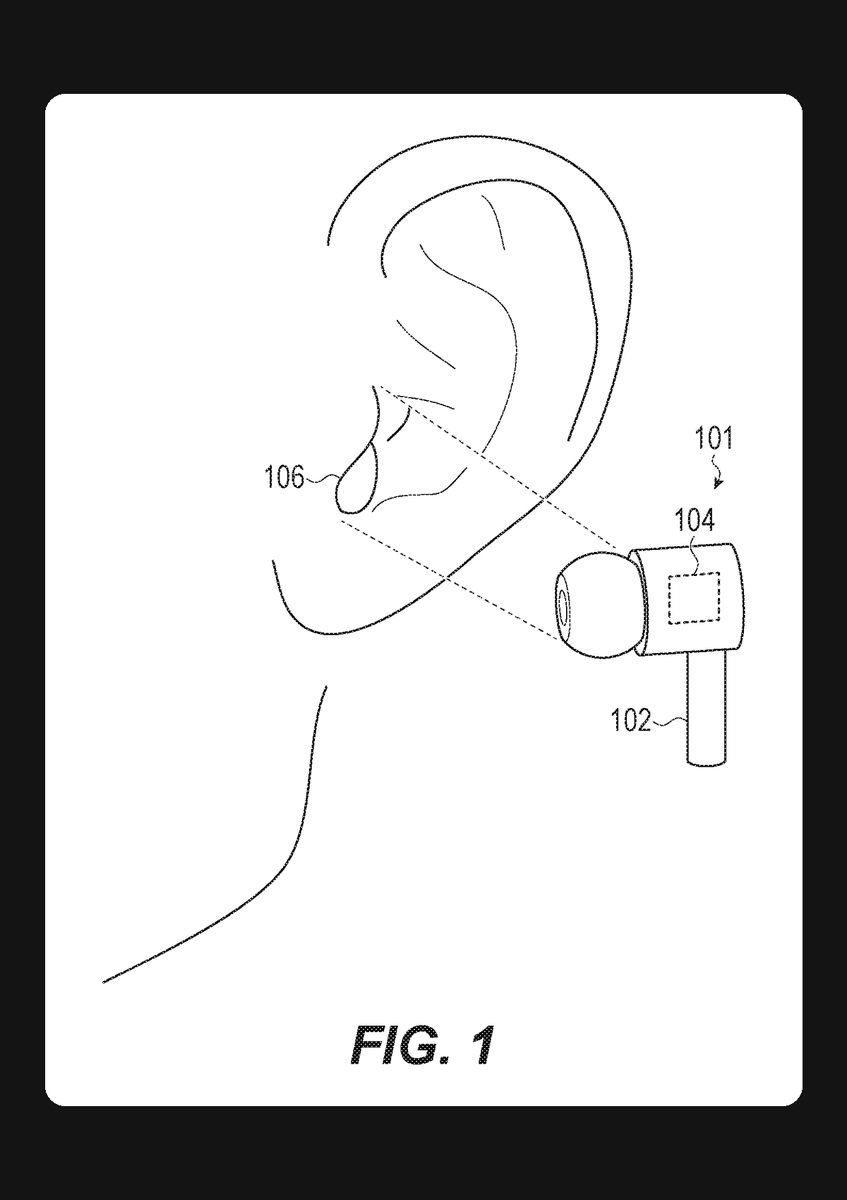
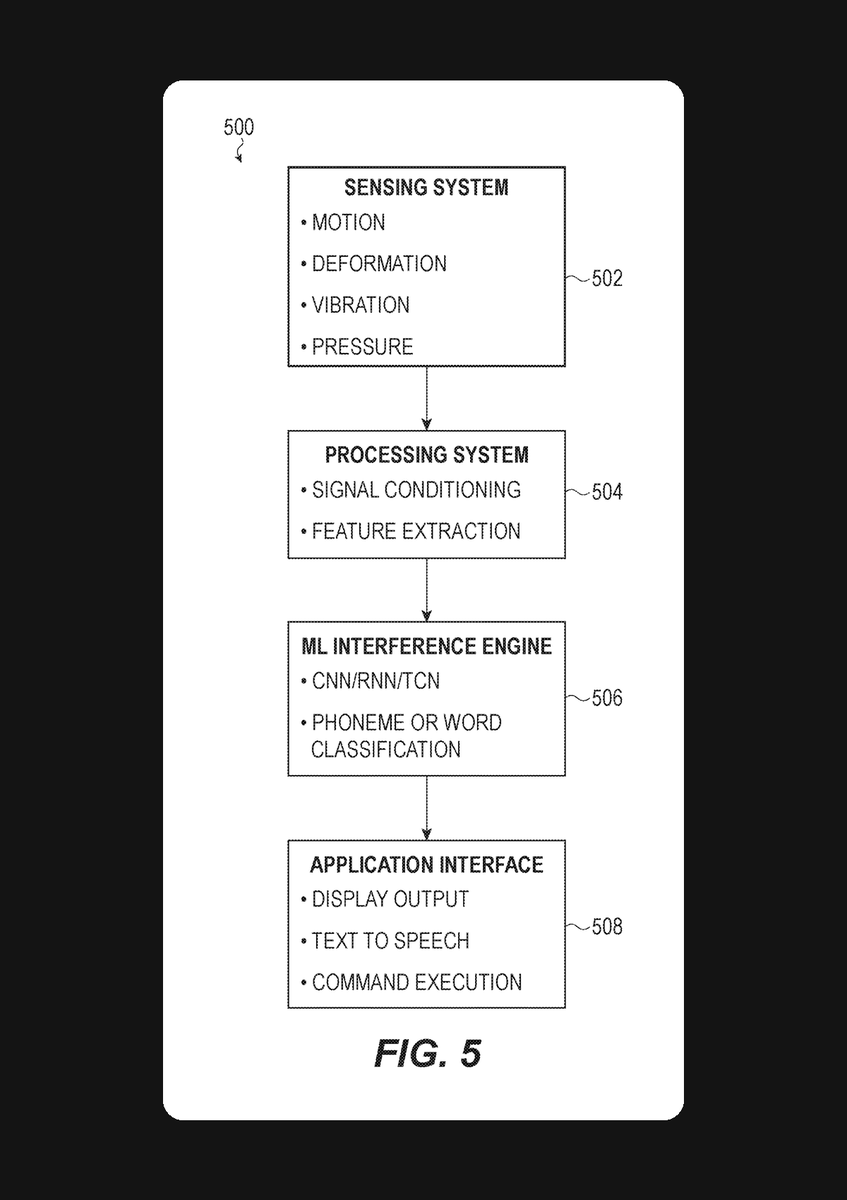
‼️ OpenAI and Apple have both filed patent applications for wearables that read words you only mouth, without making a sound.
OpenAI's earbud senses tiny movements of your ear canal as your jaw moves. Apple's shines laser light on your cheek and tracks how the muscles shift.
Both filings describe two people wearing the devices and holding a completely silent conversation.
@thomasfbloom Error on page 444. He claims a Markushevich basis whose vectors are bounded away from zero necessarily has a bounded biorthogonal sequence. This is not true.
🛡️ OpenSSL Hit by Critical 9.8 Heap Buffer Overflow Vulnerability in Base64 Encoding Function
Details: https://t.co/AQQTruZr9a
A heap buffer overflow in OpenSSL’s Base64 encoding function can corrupt application memory when the library processes very large inputs.
The flaw, tracked as CVE-2026-121481, was published on November 18, 2026, with a critical CVSS 3.1 score of 9.8. The flaw affects EVP_EncodeBlock(), which converts binary data into printable text.
Base64 produces four output bytes for every three input bytes, with padding for a partial group. The application supplies the buffer that holds the result. For very large inputs, OpenSSL’s calculation of the encoded length can exceed the range of the integer used to store it.
#CybersecurityNews