Congrats +Anthony Corcoran, SJ, of @JesuitsUCS consecrated a bishop hours ago at St. Paul Outside the Walls. He’s served as apostolic admin of Kyrgyzstan since 2017 & will continue to serve the Church in east Asia as bishop. An extraordinary missionary & brother Jesuit. AMDG
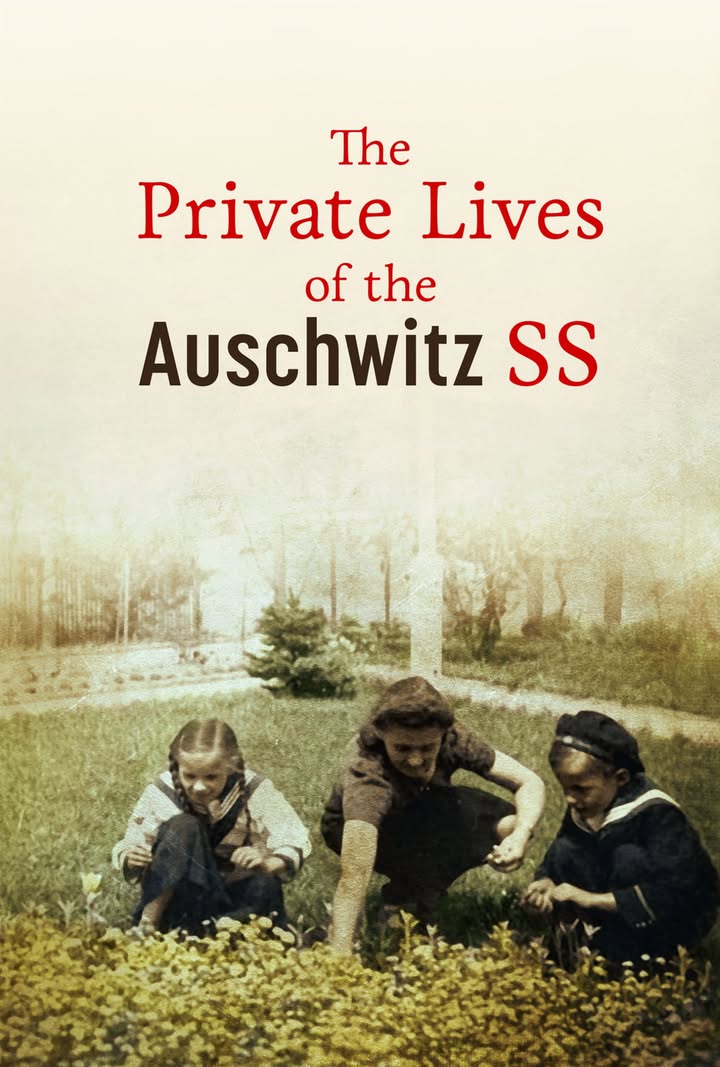
📖 "The Private Lives of the Auschwitz SS" by Dr. Piotr Setkiewicz
A look at the perpetrators of the crimes at the Auschwitz camp from a new, little-known, and sometimes surprising perspective.
The book contains selected accounts by Polish girls who worked in the homes of German officers and enlisted men from the Auschwitz SS garrison. Each text vividly describes the family life and domestic relations that prevailed in the homes of the SS men.
book: https://t.co/fURwUs1BRb
#ebook: https://t.co/W3NcFWpqxp
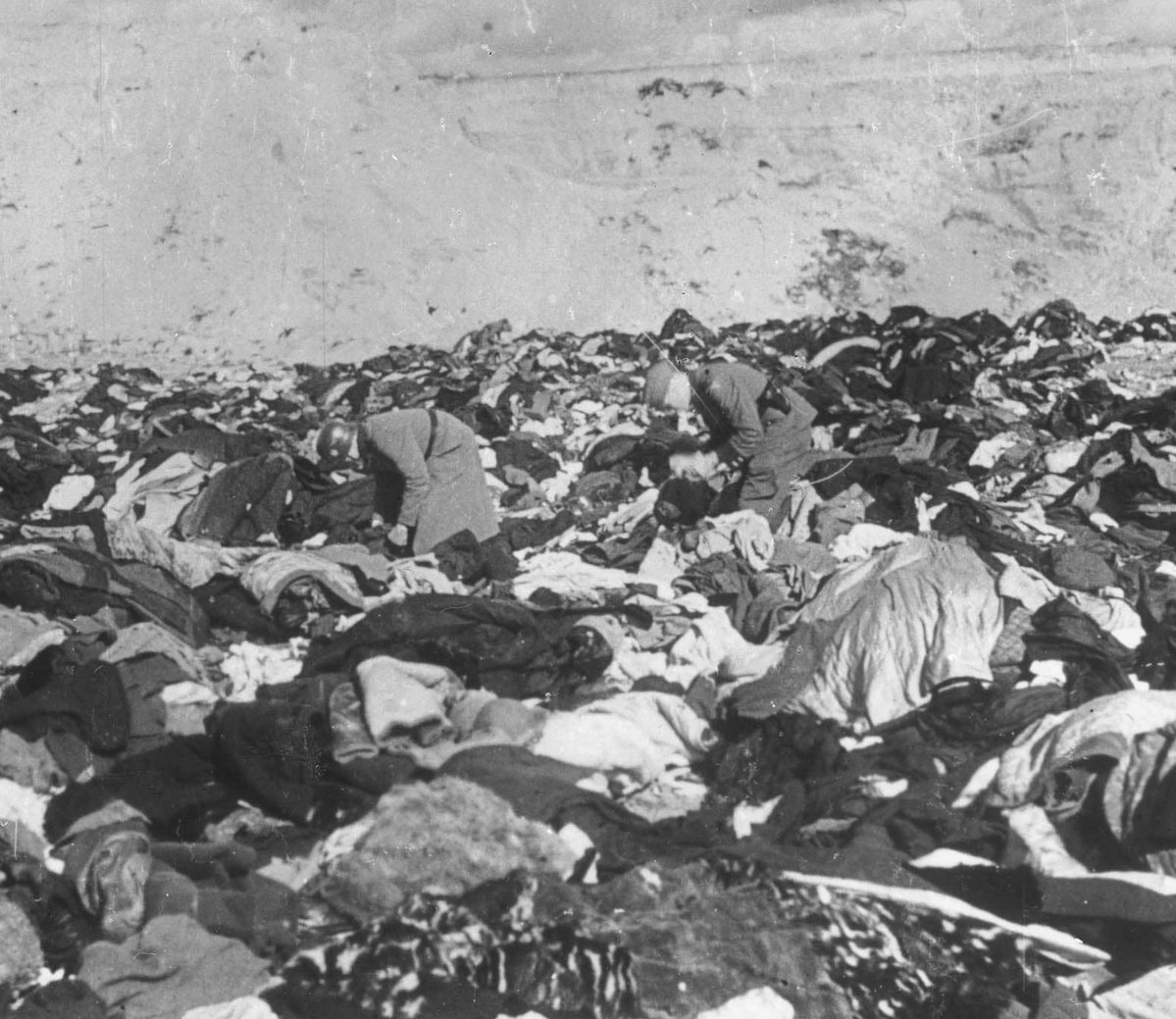
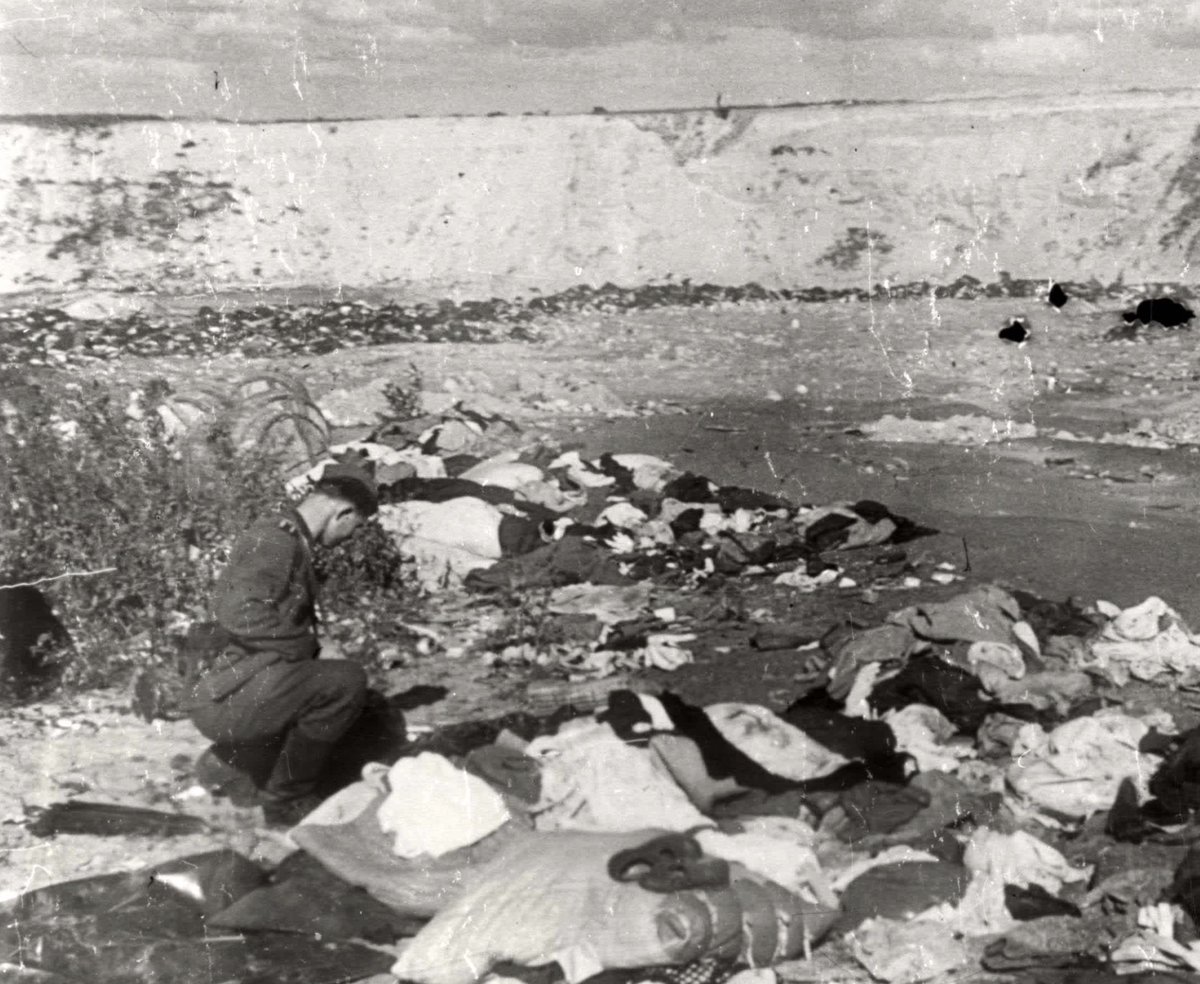
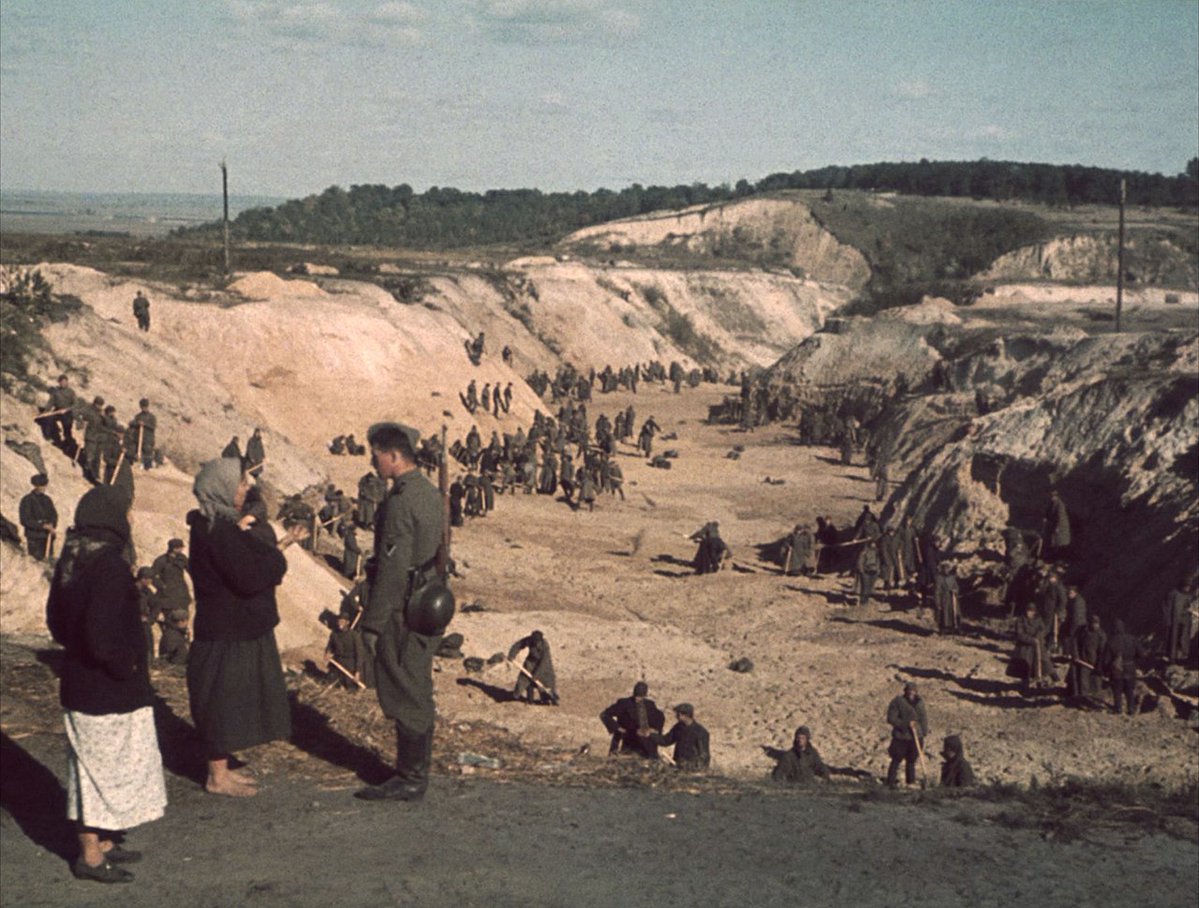
September 29-30, 1941 | The massacre in Babi Yar.
Under the supervision of Einsatzgruppe C, a special team of German SS troops supported by other German units and local collaborators began the murder of Jews of Kyiv.
In two days 33,771 Jews were murdered. And these were just the first of many other victims killed in this ravine until 1943.
Learn more: https://t.co/XPuhraPJnE
29-30.09.1941| Members of the Einsatzkommando 4a (Einsatzgruppe C) and the German policemen murdered nearly 34,000 Jews in the Babi Yar ravine near Kiev. #Holocaust by bullets
How can I have a personal relationship with Jesus? So glad we're addressing the most common question we receive on our podcast, with a gifted and experienced spiritual director, Susan Stabile. https://t.co/RVi9RPkfNx
🎧 New episode of the “On Auschwitz” podcast: The First Thirty Prisoner Functionaries of Auschwitz
Before the first transport of 728 Polish political prisoners arrived at the German Nazi camp Auschwitz on 14 June 1940, the SS had already brought a group of 30 German prisoners from the Sachsenhausen concentration camp.
They arrived on 20 May 1940 and were assigned Auschwitz prisoner numbers 1 to 30. These prisoners, mainly criminals, were selected to become the first prisoner functionaries in the newly established camp. The SS entrusted them with positions that gave them authority over other prisoners, including the functions of camp elder, block elder and kapo.
Who were these men? Why were they selected? What role did prisoner functionaries play in the system created by the SS?
In the new episode of “On Auschwitz,” Dr Wojciech Płosa, Head of the Auschwitz Museum Archive, discusses the history of the first thirty prisoner functionaries of KL Auschwitz.
Listen to our podcast:
Spotify: https://t.co/NqDOrC2Go4
ApplePodcast: https://t.co/XrP7a6e5X9
YouTube: https://t.co/GTqWGHg5E1
Transcript: https://t.co/QcQPn29WJp
---
In the picture: Bruno Brodniewicz, a German prisoner transferred from Sachsenhausen to Auschwitz on 20 May 1940. Registered as prisoner no. 1, he became the first camp elder (Lagerältester) and was remembered by prisoners for his extreme brutality. He survived the war.
Europe as we know it, with its spiritual and moral heritage, is rooted in the lives and work of men and women who lived, preached, and shared the teachings of the Gospel. From this heritage, the moral foundations of the world in which we live have been handed down to us: principles such as the primacy of the person and the sacred and inviolable nature of human life; the protection of freedom; the primary importance of the family; care for the poor and those most in need; welcoming the stranger; and respect for the elderly. #ApostolicJourney #France
Podcast | "Medicine in Auschwitz"
Participation in selections, both at the unloading platform during the deportation of Jews & in the camp infirmaries, became one of the deadly duties of the SS physicians in #Auschwitz. But it was not the only one.
Listen to our #podcast about medical crimes at Auschwitz.
Spotify: https://t.co/MORh8wukQ8
ApplePodcast: https://t.co/mMItT8Lwwe
On YouTube you can switch on sub-title translation mode to be able to follow the podcast in different languages: https://t.co/UsXRau2Whq
Transcript: https://t.co/qrNIGXJzOO
---
If you haven’t already, please give us a review and rate the podcast wherever you listen to it. Share it with others to help us reach more people with our online educational resources.
All podcasts: https://t.co/3pU9LwdER3
“For us as a nation we can pass by no more.”
Cardinal Robert W. McElroy, archbishop of @WashArchdiocese , addressed immigration and the Parable of the Good Samaritan in his Sept. 27 homily for the World Day of Migrants and Refugees.
Read his full homily: https://t.co/soUKKxBYul
📷 Mihoko Owada/Catholic Standard
On his return flight from France, Pope Leo XIV describes the "four days of blessings" he experienced in France:
"The four days were literally filled with many blessings. Almost miracles, I would say, especially the time at Lourdes, walking with, accompanying so many people who are sick and suffering and seeing how the grace of God's presence manifested in many different ways, touches people's hearts, transforms their lives, and, to use an expression that I mentioned there, restores dignity to the sick, the elderly, those who in some parts of society are discarded.
So, there were many signs, many expressions, many symbols throughout the four days. And personally, I felt very blessed myself to have the privilege to visit France to encourage especially young people who are obviously searching for something.
It was so apparent at the stadium, the evening with 80,000 young people gathered together from around France and their enthusiasm and their joy and the sense of hope that they offered, but especially I think that they received and will be able to share with others.
So, amongst the many different things that we celebrated and lived during these four days I would say those are some of the highlights, and not to exclude others, but that that were quite significant. I'm very happy to have had you along on this trip, and if you have a few questions."
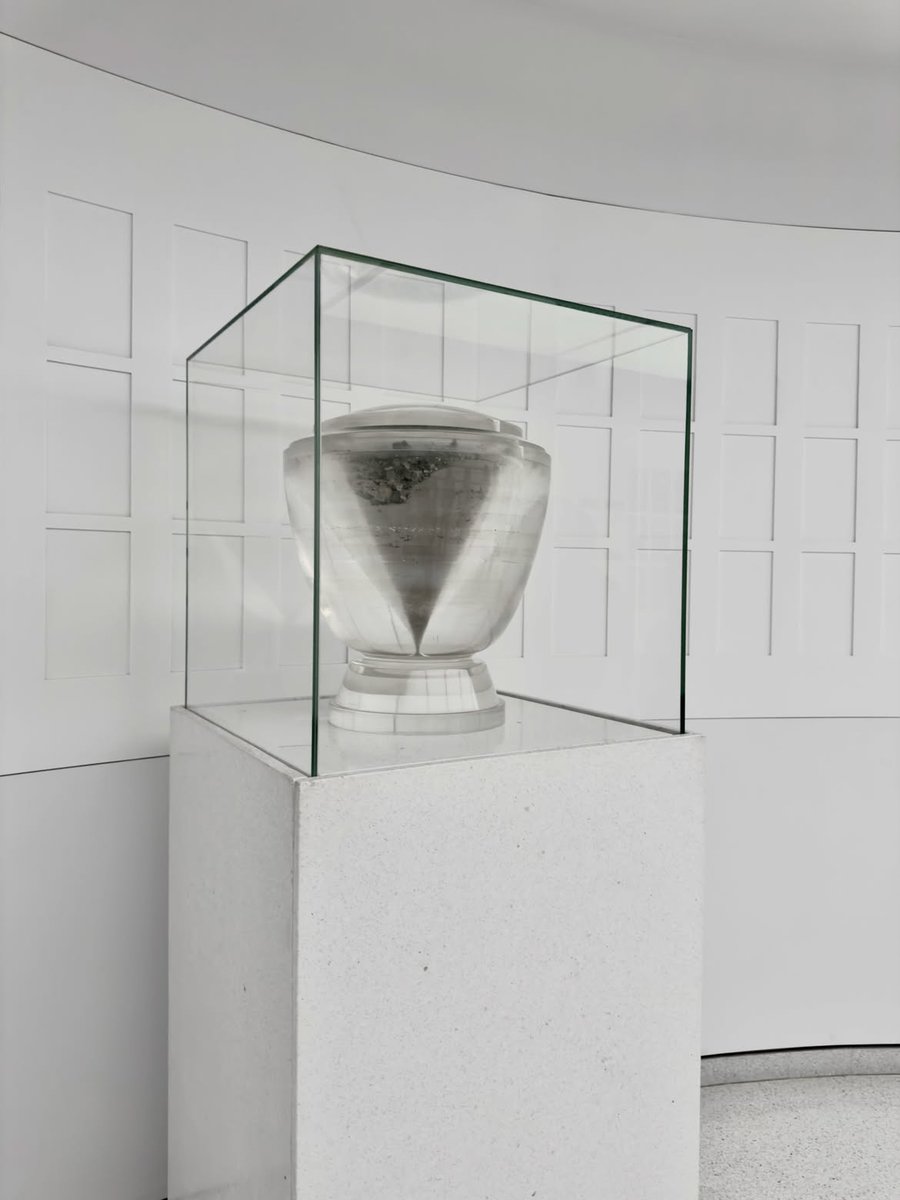
An urn containing human ashes is displayed in Block 9 of the new main exhibition at the Auschwitz Memorial.
It is surrounded by empty frames that symbolize the victims of the camp whose faces we do not know, and whose identities may never be recovered.
The empty frame reminds us that behind the number of 1,1 million victims were individual people, each with a name, a face, a life, and a story brutally cut short.
Watch a short video of the exhibition: https://t.co/dDF8WxYK7S
---
Photo: https://t.co/4lrW2w8eI2
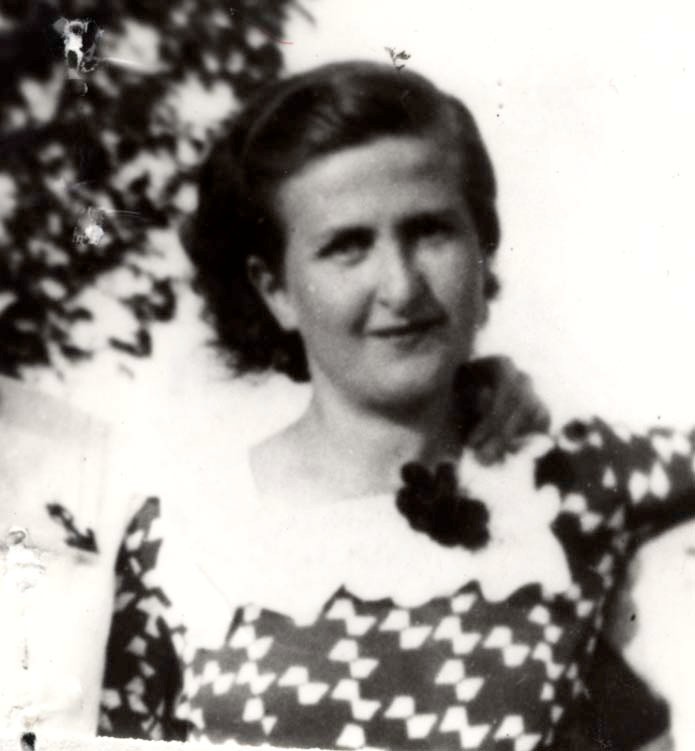
28 September 1908 | A Hungarian Jewish woman, Ibolya Remenyi, was born in Csenger.
In June 1944 she was deported to #Auschwitz. She did not survive.
---
Learn about deportations of Jews from Hungary to Auschwitz: https://t.co/UriR5fLdkB
We cannot speak of #Europe without mentioning Christianity. Robert Schuman was well aware of this when he stated: “Christianity has taught that all people are equal by nature, children of the same God, redeemed by the same Christ, without distinction of race, colour, class, or profession. The universal law of love and charity has made every person our neighbour, and it is on this law that social relations in the Christian world have been based ever since.” #ApostolicJourney #France https://t.co/IkDJ3VwNGB
Invoking the name of God to legitimize violence or oppression constitutes a profanation of His name. Nothing that violates human dignity can claim authentic divine inspiration. Religious discourse must constantly call for hearts and words to be disarmed. #ApostolicJourney#France https://t.co/f5Q6CnXQZS