New southern sky dataset relased via NSF's @noirlabastro Astro Data Lab from KS4 (a KMTNet survey) delivers deep, uniform imaging + 200M+ sources-ideal for time-domain astronomy and chasing transients like supernovae & GW counterparts.
Built from 600+ nights since 2019. 🌌
NSF's @NOIRLabAstro conference is to be on RR Lyrae & Cepheid Stars 2026: The Rubin Era 🔭
📍 La Serena, Chile
📅 Dec7-11, 2026
Exploring how the NSF-DOE @VRubinObs will transform variable star science, Galactic structure, and precision cosmology.
Join the next wave of discovery
📢 International @Geminiobs Fast Turnaround: May 2026 The monthly Call for Proposals is now open! 🔭 Submit your projects for Gemini North and South by 31 May 2026 (noon HST). Observations for this cycle will run from July to September. 🌌 Apply here: https://t.co/Iu7HFbYpoG
Dragon has leveled up! ���✨NSF's @NOIRLabAstro released DRAGONS 4.2, adding Flamingos-2 support, flux calibration, and better tutorials for Gemini data reduction. 🔭 Automating the stars, one script at a time. 🌌Details: https://t.co/Vm3eW6cmuJ
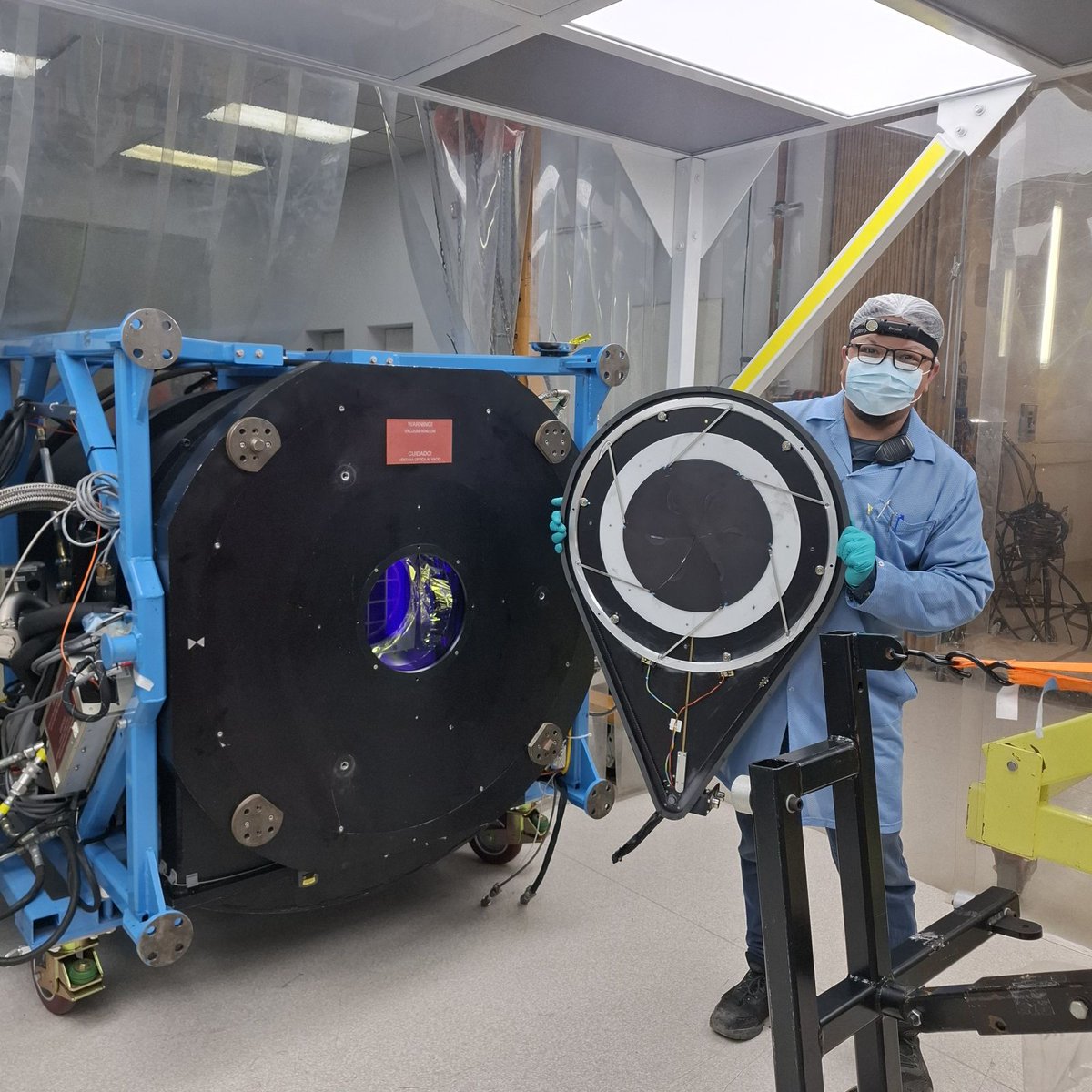
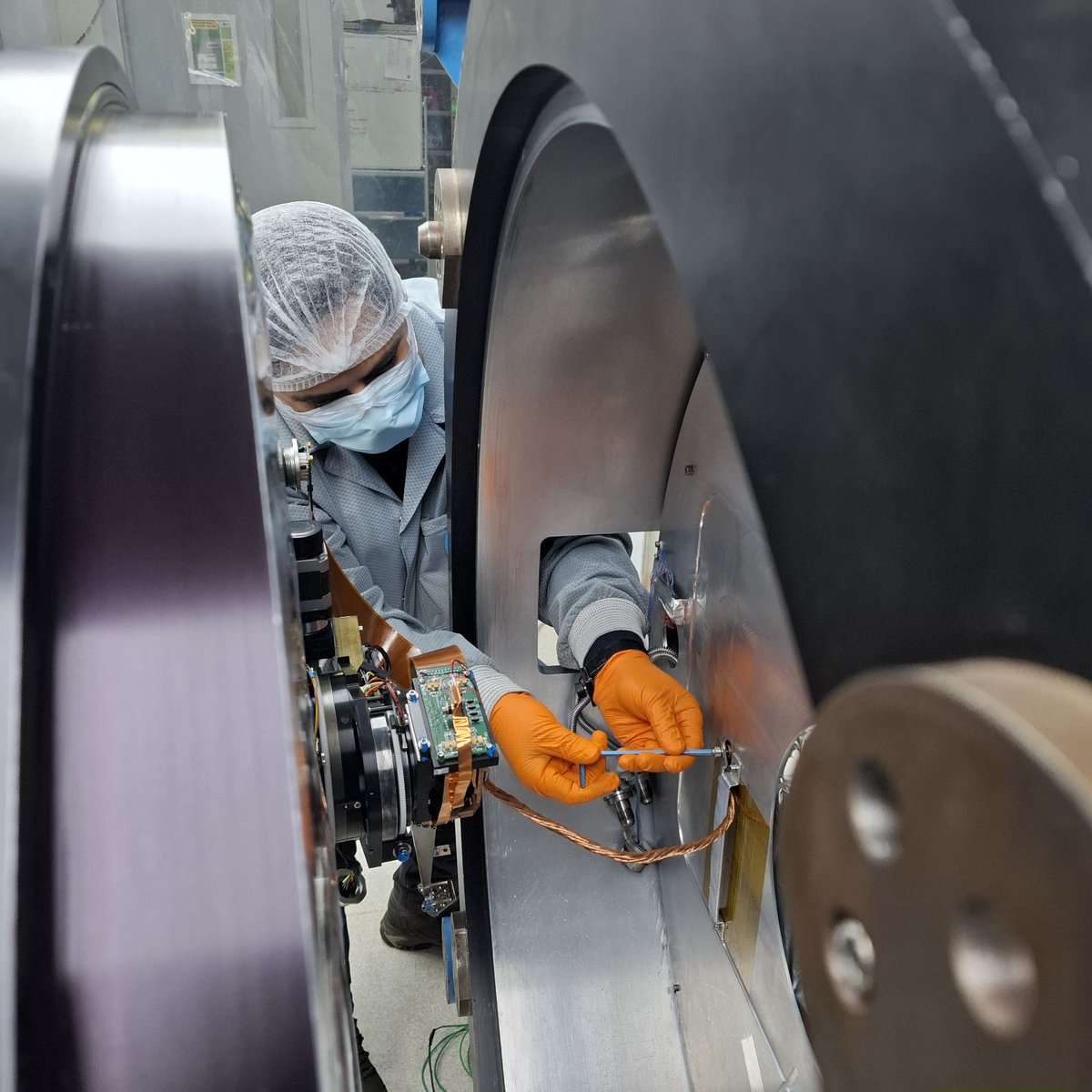
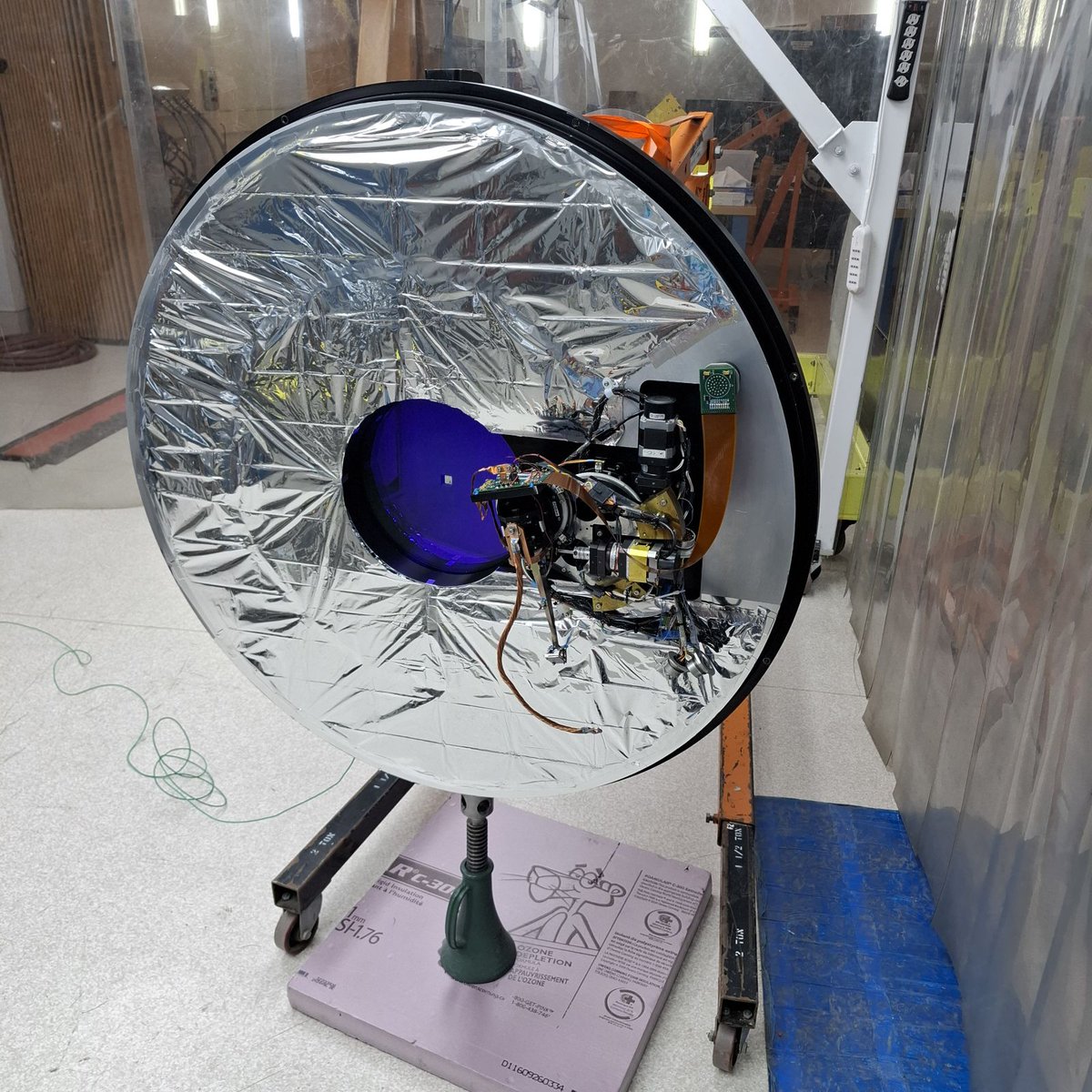
🛠️❄️ Every couple of years, Flamingos-2 comes down for a little maintenance break.
This instrument at the Gemini South telescope is spending a few weeks in the lab for the replacement of its cryocoolers and checks on components.
📷 @GeminiObs/NOIRLab/NSF/AURA/S. Olivares
���️ Update for the International @GeminiObs community: Gemini North will remain offline until at least Wednesday, May 27, due to a primary mirror control system fault. Remediation efforts are ongoing, and the team will reassess the situation next week. 🔭🛠️ Full details👇
International @geminiobs data are helping uncover the hidden lives of massive stars 👻✨Using GHOST observations in the Large Magellanic Cloud, astronomers found that true luminous blue variable (LBV) phases may last only ~1,000 years — far shorter than previously thought 🔭 👇
NSF's @NOIRLabAstro new publication The Scope brings the Universe to life with stunning visuals, deep-space discoveries, and the people building humanity’s next era of exploration.
Science communication at cosmic scale 🔭✨
https://t.co/KjQv6LlO8Q
The International @Geminiobs GMOS longslit reduced data products are now available🔭📦 Fully processed spectra are on the GOA Archive after they are taken, accelerating science and reducing time spent on data reduction.
More science, less pipeline wrangling ✨
The Universe is open access 🌌
NSF's @NOIRLabastro Data Archive gives researchers and the public access to decades of observations from 40+ telescope & instrument combinations — including survey data, reduced images, and massive sky catalogs.
Astronomy at petabyte scale 🔭✨
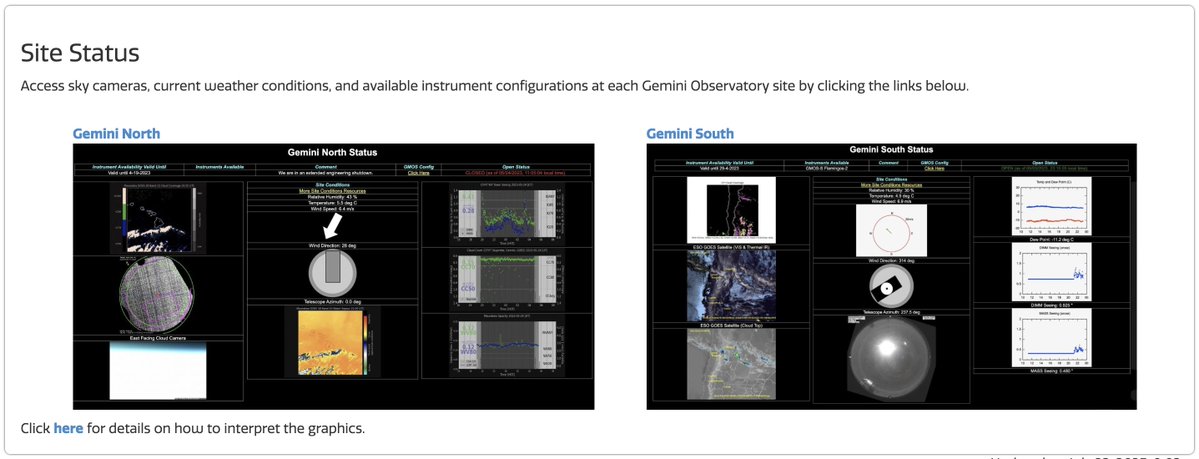
🔭 Planning a trigger at @GeminiObs? Want to check available instruments and get a quick look at current conditions?
👀 Take a peek at the Gemini North & South Status pages before you go!
🔗 https://t.co/Tg4WkLNkNz
Stay ready, stay informed. 🌌 @NOIRLabScience
Astronomy is entering real-time mode ⚡🔭
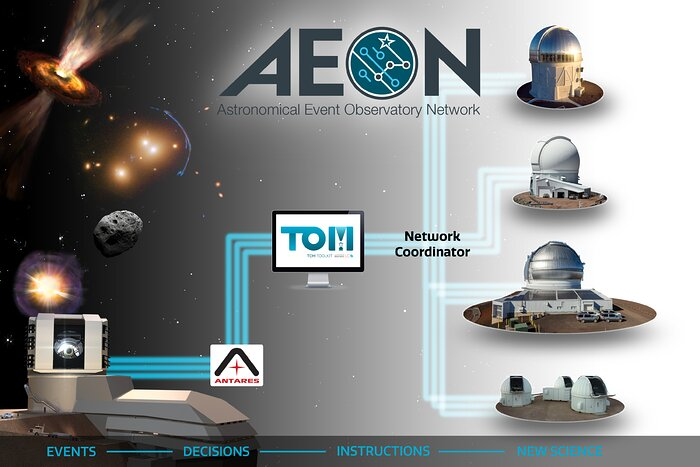
NSF's @noirlabastro AEON connects major observatories into one automated system that can react to triggers within minutes — from supernovae to neutron star mergers.
Built for the NSF-DOE @VRubinObs era 🌌
https://t.co/zf5z73gt9c
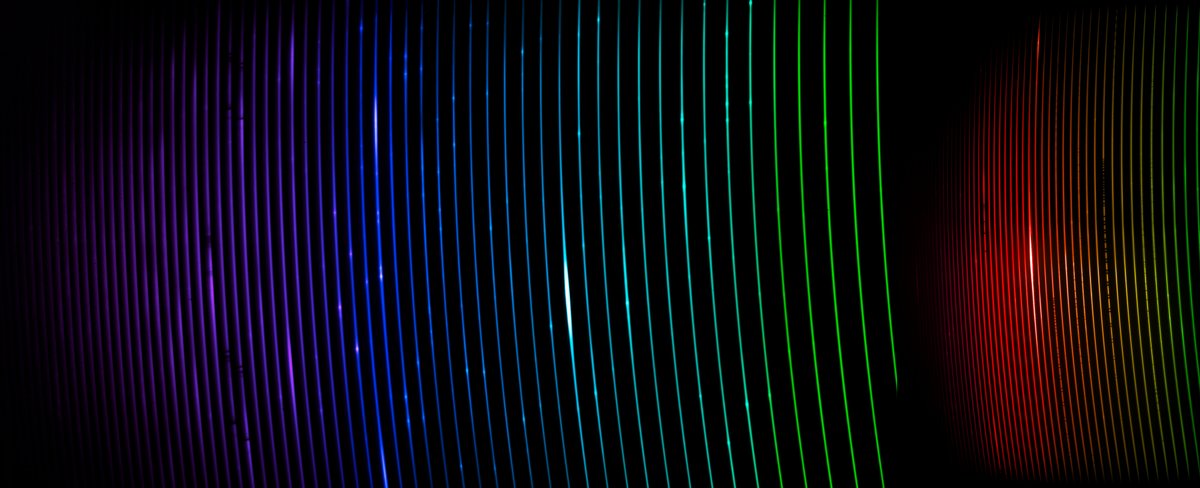
The spectrum of the binary star system Eta Carinae is seen here like a rainbow, stretching from ultraviolet to infrared. Spectra like this can tell scientists detailed information about an object’s chemical composition, motion, rotation & distance.
📷: CTIO/NOIRLab/SOAR/NSF/AURA
Are you dizzy yet? 😵💫
Star trails in this extra-long-exposure image of NSF–DOE @VRubinObs capture the apparent motion of the stars.
Rubin will observe about 17 billion stars during its 10-year survey.
📸 NSF-DOE @VRubinObs/NOIRLab/SLAC/AURA/H. Stockebrand