9 FREE Courses Every PhD Students Needs
Research Methodology
https://t.co/WpuSa0gRXh
Research Methods
https://t.co/O7QotniR3j
Academic Writing
https://t.co/ZxfJ0PncJn
Thesis Writing
https://t.co/GiSqsKQMRX
Reproducible Research
https://t.co/wMYTmP45DY
Research Methodology
https://t.co/WpuSa0gRXh
Research Methods
https://t.co/O7QotniR3j
Academic Writing
https://t.co/ZxfJ0PncJn
Thesis Writing
https://t.co/GiSqsKQMRX
Reproducible Research
https://t.co/wMYTmP45DY
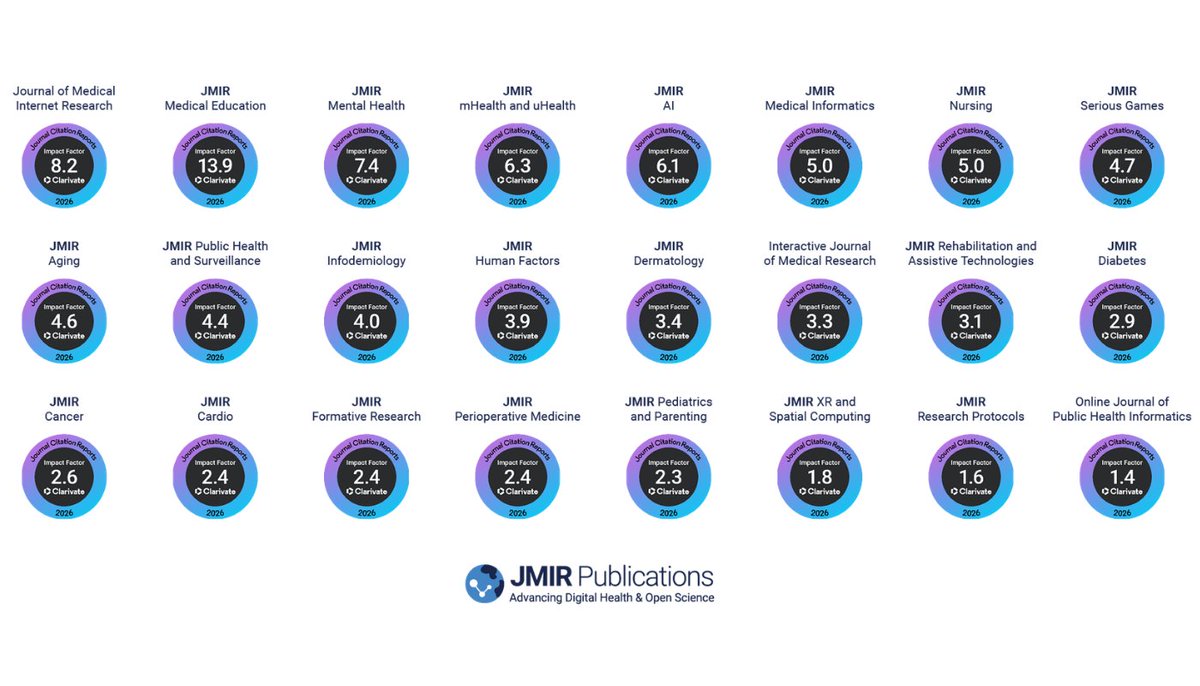
The 2025 Journal Impact Factor results are in: another strong year for JMIR Publications!
→ 24 journals with JIFs
→ 12 journals in Q1 (6 in the 90th percentile+)
→ 3 first-time Impact Factors
→ 18 journals increased year over year
→ 5 improved quartile ranking
Highlights:
• Journal of Medical Internet Research: 8.2 (all-time high, Q1)
• JMIR Medical Education: #1 in Education, Scientific Disciplines (13.9)
Strong Q1 performers:
• JMIR Mental Health: 7.4
• JMIR Nursing: 5.0
• JMIR Aging: 4.6
• JMIR mHealth and uHealth: 6.3
• JMIR Public Health and Surveillance: 4.4
Notable movement:
• JMIR Public Health and Surveillance: 4.4 (Q1)
• JMIR Medical Informatics: 3.8 → 5.0
• JMIR AI: 6.1 (Q3 → Q1)
• JMIR Infodemiology: Q1 status (4.0)
Thank you to our editors, reviewers, authors, and global research community, this impact is yours.
#JournalImpactFactor #OpenAccess #DigitalHealth #AIinHealthcare #JMIR #JCR2026
Comment on Numsang et al. (2025) ‘Effects of a culture-specific behavior modification program on glycated hemoglobin and blood pressure among adults with diabetes and hypertension: A randomized controlled trial’
Aaron Aytona Funa, Renz Alvin Emberga Gabay
https://t.co/6jdegqR5kQ
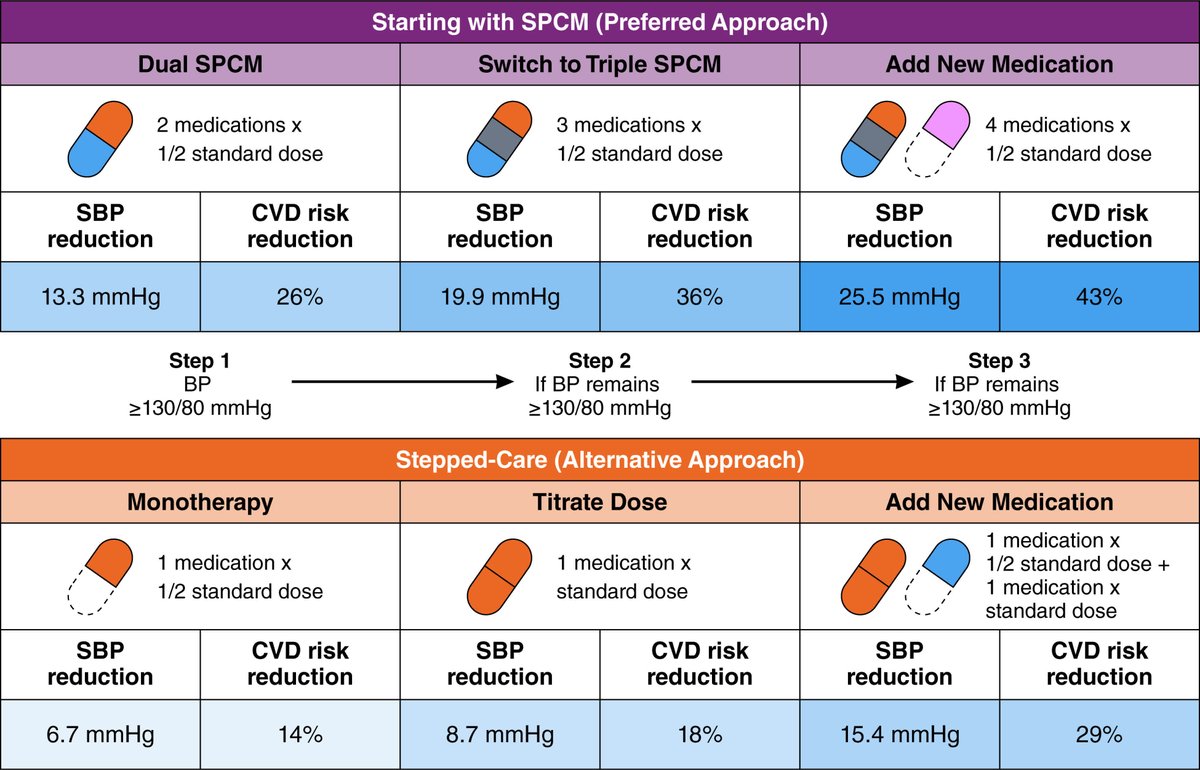
REVIEW: Single-Pill Combination Therapy for the Management of Hypertension: A Scientific Statement From the American Heart Association
https://t.co/pXN79YsBlp
JMIR Res Protocols: Addressing Gaps in the Hypertension and #Diabetes Care Continuum in Rural Bangladesh Through #Digital Technology Supported Decentralized Primary Care: #Study#Protocol and Baseline Results for a Hybrid Effectiveness-Implementation Trial https://t.co/BQ0B1d5FLe
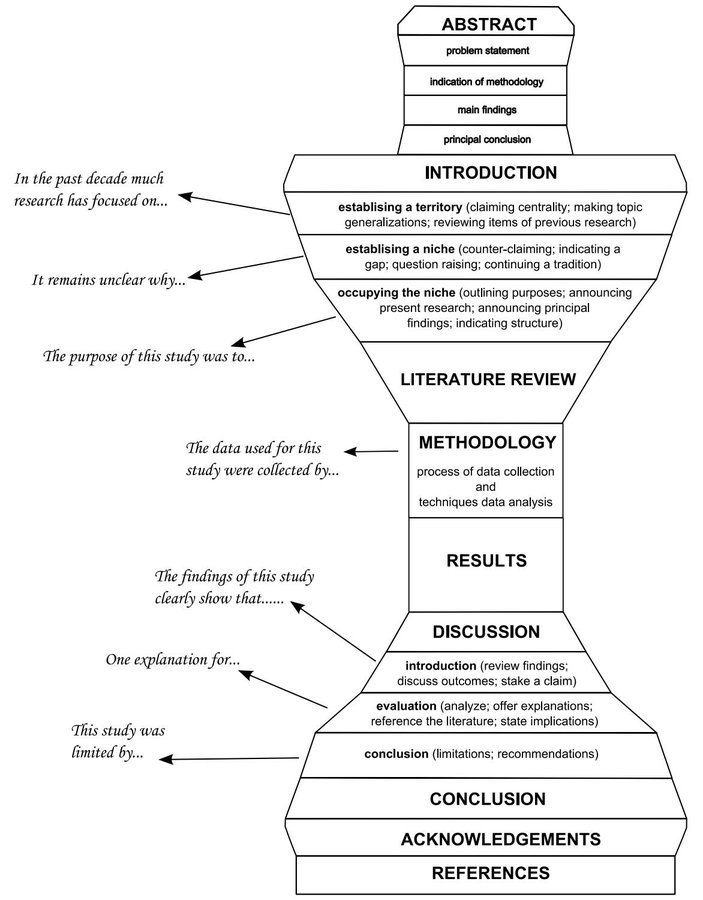
How to write a journal paper for publication?
Your paper should have the following 9 sections.
1. Abstract
2. Introduction
3. Literature Review
4. Methodology
5. Results
6. Discussion
7. Conclusion
8. Acknowledgements
9. References
JMIR Res Protocols: Implementation of #Digital Device–Assisted and Nurse-Led Case Management to Promote Self-Management in Adults With Noncommunicable Diseases: #Protocol for a Single-Arm Intervention #Study https://t.co/MavoKti8YQ
JMIR Res Protocols: Self-Management Combined With #Digital Health Interventions to Improve Dietary Behavior, Exercise Behavior, Stress Management Behavior, and Blood Pressure Among Thais With Uncontrolled Hypertension: #Protocol for an Explanatory… https://t.co/nKEDJtPQw9
JMIR HumanFactors: Integrating a Large Language Model Into a Socially Assistive Robot in a Hospital Geriatric Unit: Two-Wave Comparative Study on Performance, Engagement, and User Perceptions https://t.co/7CoSfWjzLx
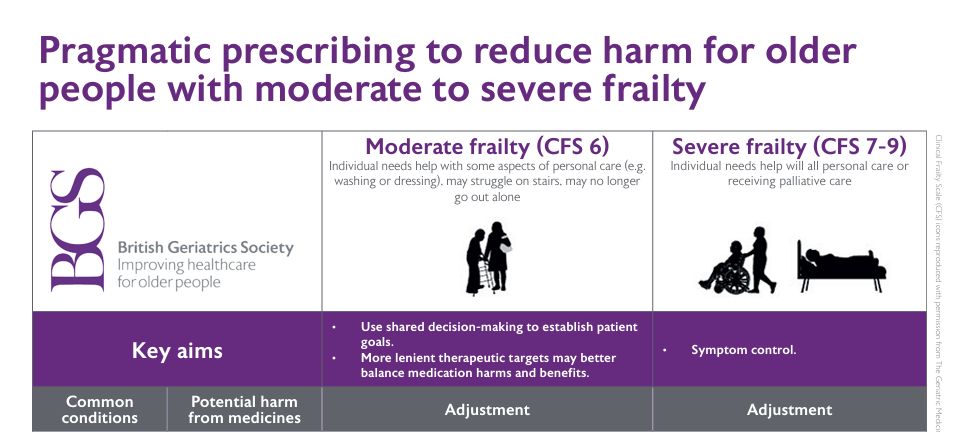
Have you read our "Pragmatic prescribing to reduce harm for older people with moderate to severe frailty" document? It aims to support prescribing decisions for older people with moderate to severe frailty.
https://t.co/cPpX3UGfPq
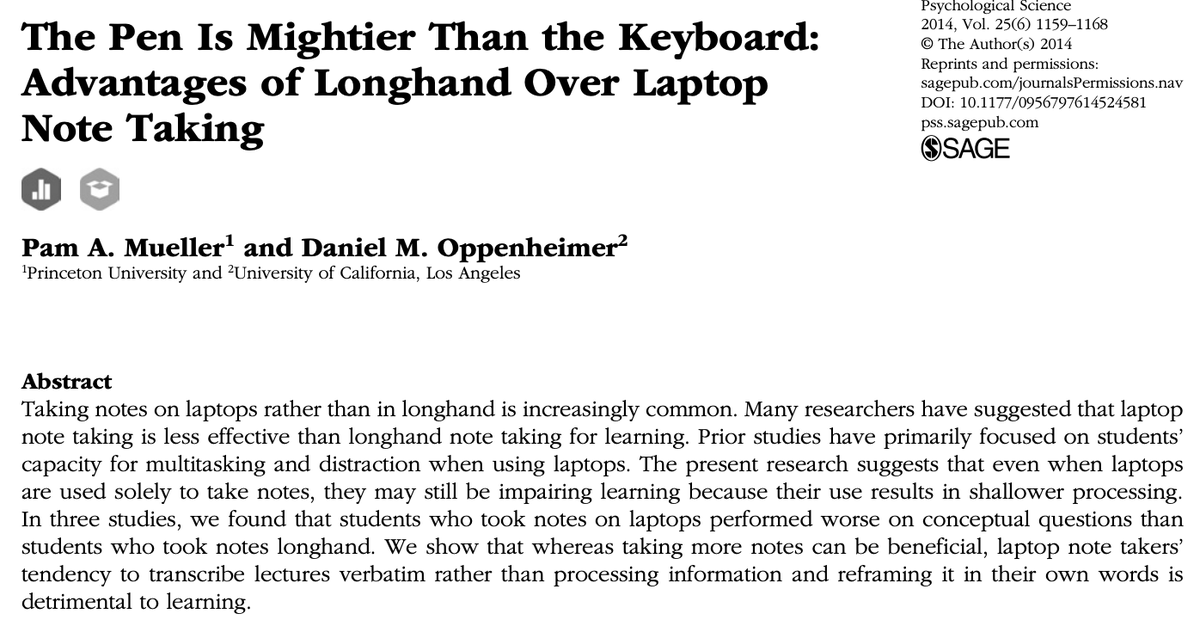
10 years separate the classic "Pen Is Mightier" paper (2014) and the latest meta-analysis (2024).
A decade later, the conclusion hasn't changed:
Handwriting remains superior.
Systematic Literature Review Vs. Meta-Analysis
𝐖𝐡𝐚𝐭
𝑆𝑦𝑠𝑡𝑒𝑚𝑎𝑡𝑖𝑐 𝐿𝑖𝑡𝑒𝑟𝑎𝑡𝑢𝑟𝑒 𝑅𝑒𝑣𝑖𝑒𝑤
↳ A qualitative process to assess existing literature
𝑀𝑒𝑡𝑎-𝐴𝑛𝑎𝑙𝑦𝑠𝑖𝑠
↳ A quantitative process to assess existing literature
𝐖𝐡𝐲
𝑆𝑦𝑠𝑡𝑒𝑚𝑎𝑡𝑖𝑐 𝐿𝑖𝑡𝑒𝑟𝑎𝑡𝑢𝑟𝑒 𝑅𝑒𝑣𝑖𝑒𝑤
↳ To provide gaps for future research
𝑀𝑒𝑡𝑎-𝐴𝑛𝑎𝑙𝑦𝑠𝑖𝑠
↳ To provide statistically precise conclusions
𝐖𝐡𝐞𝐧
𝑆𝑦𝑠𝑡𝑒𝑚𝑎𝑡𝑖𝑐 𝐿𝑖𝑡𝑒𝑟𝑎𝑡𝑢𝑟𝑒 𝑅𝑒𝑣𝑖𝑒��
↳ To ideate the current knowledge
𝑀𝑒𝑡𝑎-𝐴𝑛𝑎𝑙𝑦𝑠𝑖𝑠
↳ To provide a picture of relationships
𝐖𝐡𝐞𝐫𝐞
𝑆𝑦𝑠𝑡𝑒𝑚𝑎𝑡𝑖𝑐 𝐿𝑖𝑡𝑒𝑟𝑎𝑡𝑢𝑟𝑒 𝑅𝑒𝑣𝑖𝑒𝑤
↳ All relevant studies and their interpretations
𝑀𝑒𝑡𝑎-𝐴𝑛𝑎𝑙𝑦𝑠𝑖𝑠
↳ An empirical examination through statistical procedures
𝐇𝐨𝐰
𝑆𝑦𝑠𝑡𝑒𝑚𝑎𝑡𝑖𝑐 𝐿𝑖𝑡𝑒𝑟𝑎𝑡𝑢𝑟𝑒 𝑅𝑒𝑣𝑖𝑒𝑤
↳ Using guidelines for systematic literature reviews
𝑀𝑒𝑡𝑎-𝐴𝑛𝑎𝑙𝑦𝑠𝑖𝑠
↳ Using main model and moderator analysis.
One thing is common among both SLR and Meta-Analysis
Both require extraction of data from papers
This is task is very time-consuming
Now, you can automate this with 𝐂𝐡𝐚𝐭𝐏𝐃𝐅
This is a feature offered by @teampaperpal, which
➟ Extracts data from papers
➟ All key pointers and summary
➟ Fetch critical information with source
➟ Insert data into tables
➟ You can download the data as CSV
Once downloaded, you can analyze the data
Try it here: https://t.co/JPVigW1krB
Anything you'd like to add?
#WeekendReads from the #AdvanceArticles section
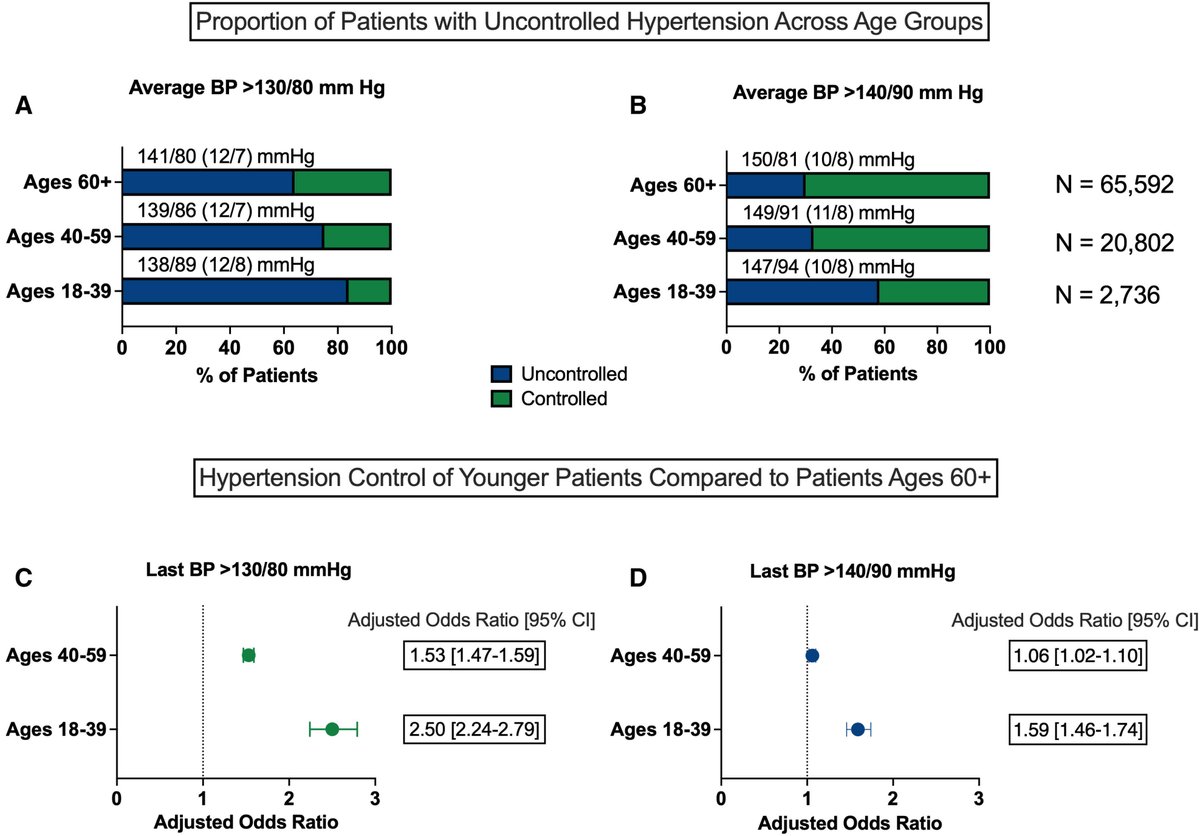
Hypertension Management Support With EHR-Integrated Telemonitoring and Proactive Patient Messaging
https://t.co/S1NkBYOmET
#OpenAccess