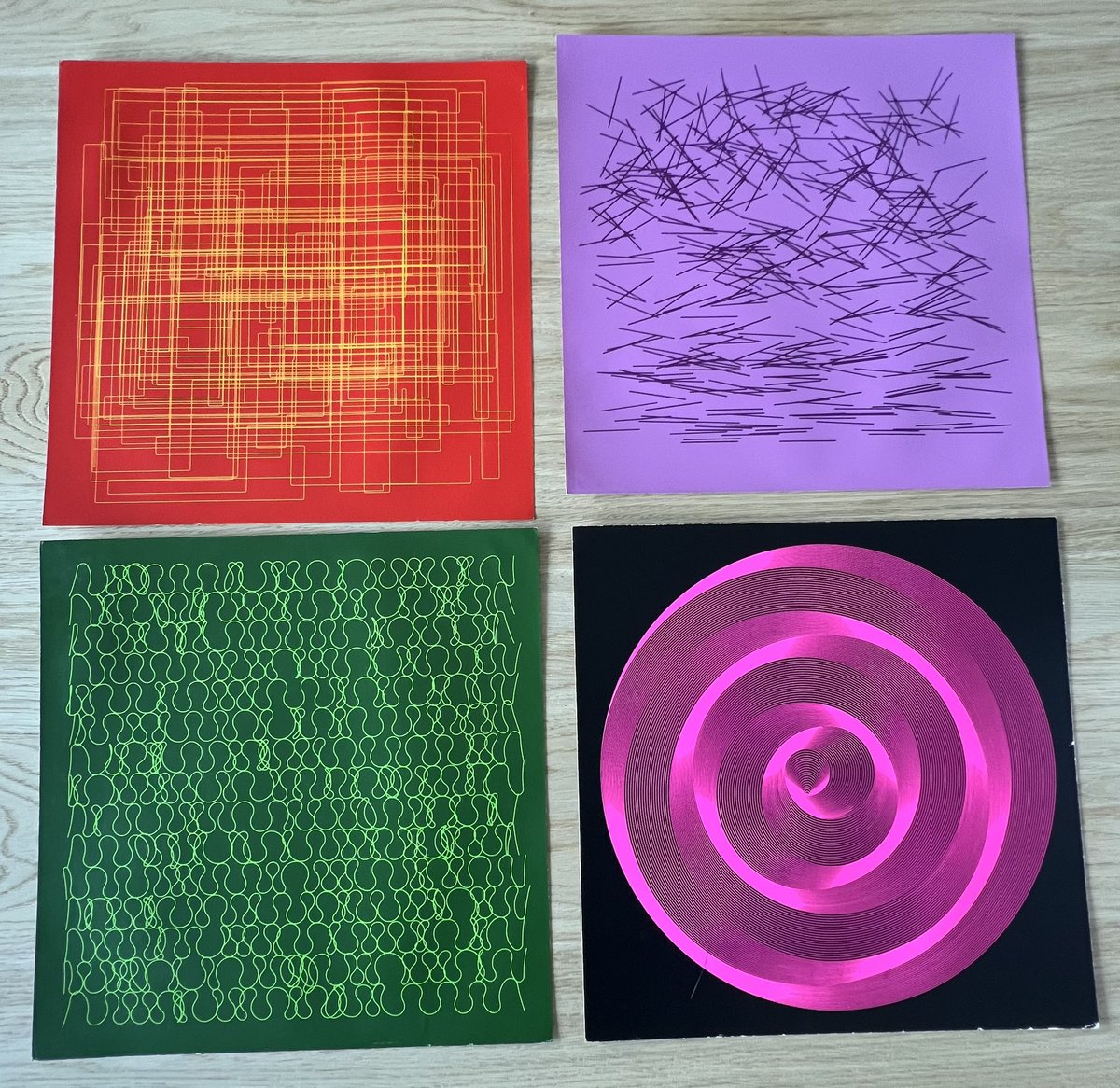
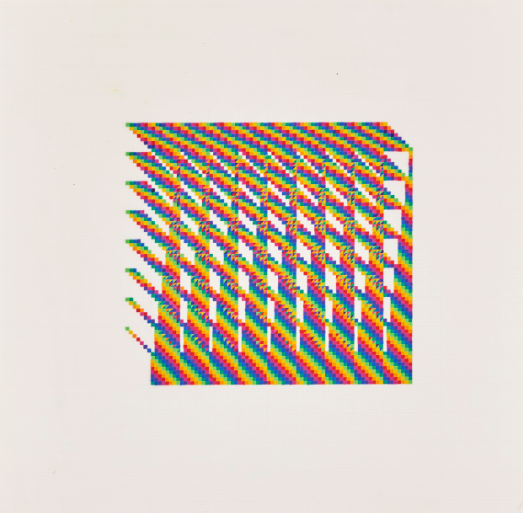
New addition to the early computer art collection.
Sadly not in a great condition but I prefer having it to not 😅
MBB Computer Graphics (1972)
A book and portfolio that contains ten serigraphs by Rolf Wolk, Frank Bottger, Aron Warszawski and Sylvia Roubaud. They are unsigned and not numbered.
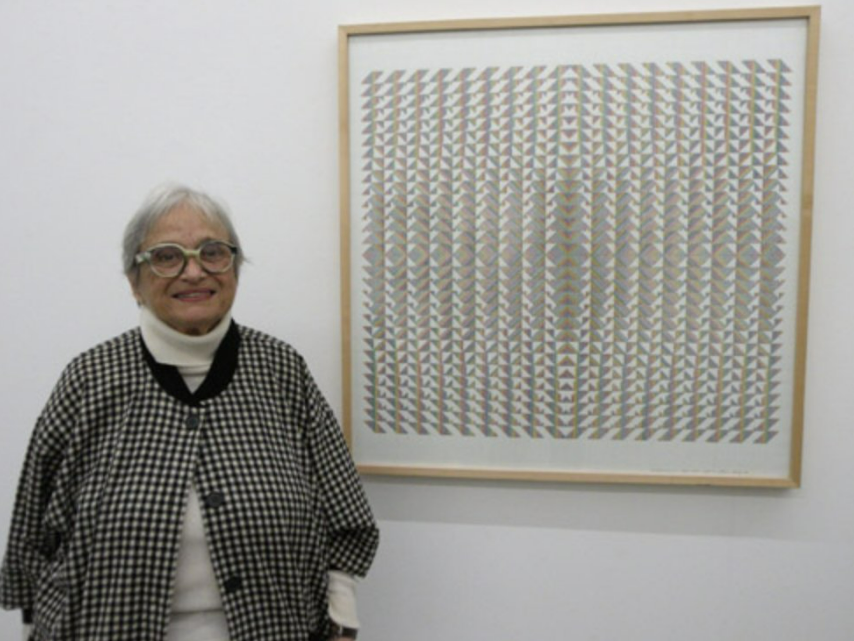
R.I.P. Lillian Schwartz 🖤
One of the most brilliant, passionate & innovative pioneers in the history of digital art.
More on her work & career below.
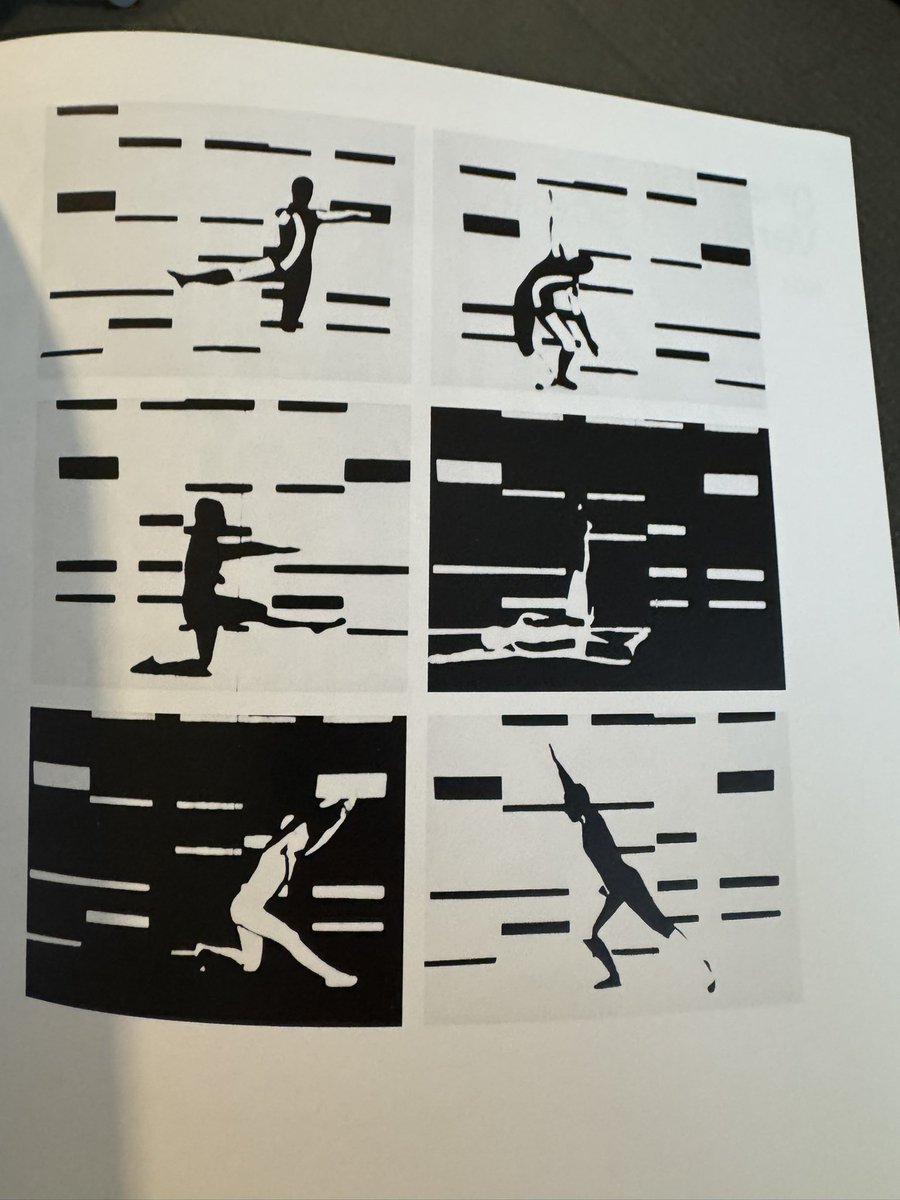
In our spare time (none) we’re collecting artifacts related to the history of computational choreography. Just got this ⬇️
Dance Magazine January 1967 issue where A. Michael Noll’s “Choreography and Computers” appeared.
Here is an experimental clip from that lab - it's made in 1969 - with Peter Oser waxing lyrical about monaries, binaries, participation, and what not. It's shot inside the lab, so you can get an idea of what a wild - dare I say postmodern? - space they created.
Coming this week to @lerandomart Editorials 📌📅
"Demystifying Generative Systems"🔻
Part III of Peter Bauman's @monkantony_tez Generative Art Framework
Part I: "Demystifying Generative Art"
Part II: "Demystifying Generative Aesthetics" 🔗⤵️
📌 July 3rd, 2024 - 8 pm
Generative Art Summit
Film Night
Evening Event “Computer Animation: Art in the 20th Century”
Academy of Arts, Berlin
presented by Larry Cuba
This overview of Computer Animation will be presented by computer animation pioneer Larry Cuba. He traces the development from the analog techniques involving oscilloscopes and video synthesizers through to the most sophisticated, digitally-rendered scenes of the late 20th century. The program will include such classics of computer art as
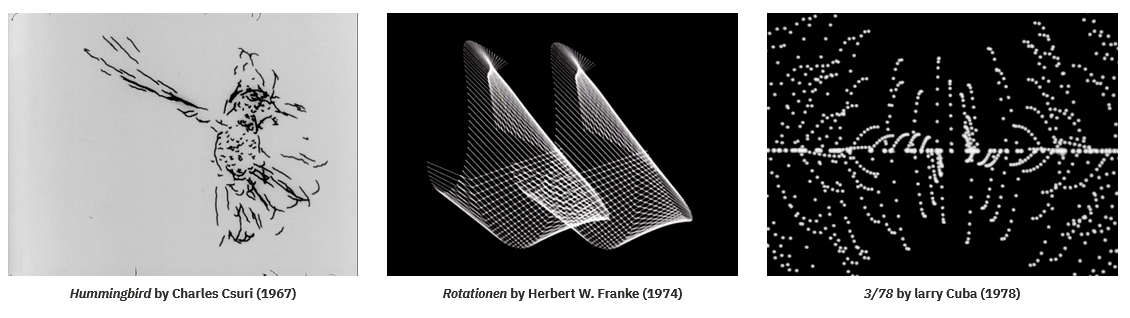
🟪"Humming BIrd" (1967) by Chuck Csuri @CharlesCsuri
🟪“Pixillation” by Lillian Schwartz (1970),
🟪“Sunstone“ (1979) by Ed Emshwiller and
🟪“Particle Dreams“ (1988) by Karl Sims or
🟪"Evolution of Forms" by William Latham @WilliamLatham1.
Some films on the program demonstrate technical breakthroughs, like
🟪Peter Foldes’ “Metadata”(1971), the first film to use “morphing“ animation, and
🟪Loren Carpenter’s “Vol Libre”(1980), the first time fractal geometry was used to render a landscape up to
🟪“Fiat Lux”(1999) by Paul Devebec @pauldevebec.
Realtime vector animation will be seen in
🟪Herbert W. Franke‘s @HerbertWFranke “Rotationen“ (1974) and
🟪 Larry Cuba‘s “3/78“ (1978).
Demonstration videos by the inventors of some of the computer systems will be shown with a special section on motion control that will answer the question, “What is SlitScan and how does it work?“
🟪 About Larry Cuba
Born in Atlanta, Georgia, Larry Cuba received BA from Washington University in St. Louis in 1972 and his MFA from California Institute of the Arts in 1974 where he completed his first computer-animated film, First Fig. John Whitney, Sr. invited Cuba to be the programmer on his film Arabesque (1975). Subsequently, Cuba produced three more computer-animated films: 3/78 (Objects and Transformations), Two Space, and Calculated Movements. Cuba also provided computer graphics for Star Wars Episode IV in 1977. He received grants for his work from the American Film Institute and The National Endowment for the Arts and was awarded a residency at the ZKM | Center for Art and Media Technology Karlsruhe @zkmkarlsruhe. He has served on the juries for the @siggraph Electronic Theater, the Montpellier Festival of Abstract Film, The Ann Arbor Film Festival and Ars Electronica @ArsElectronica.
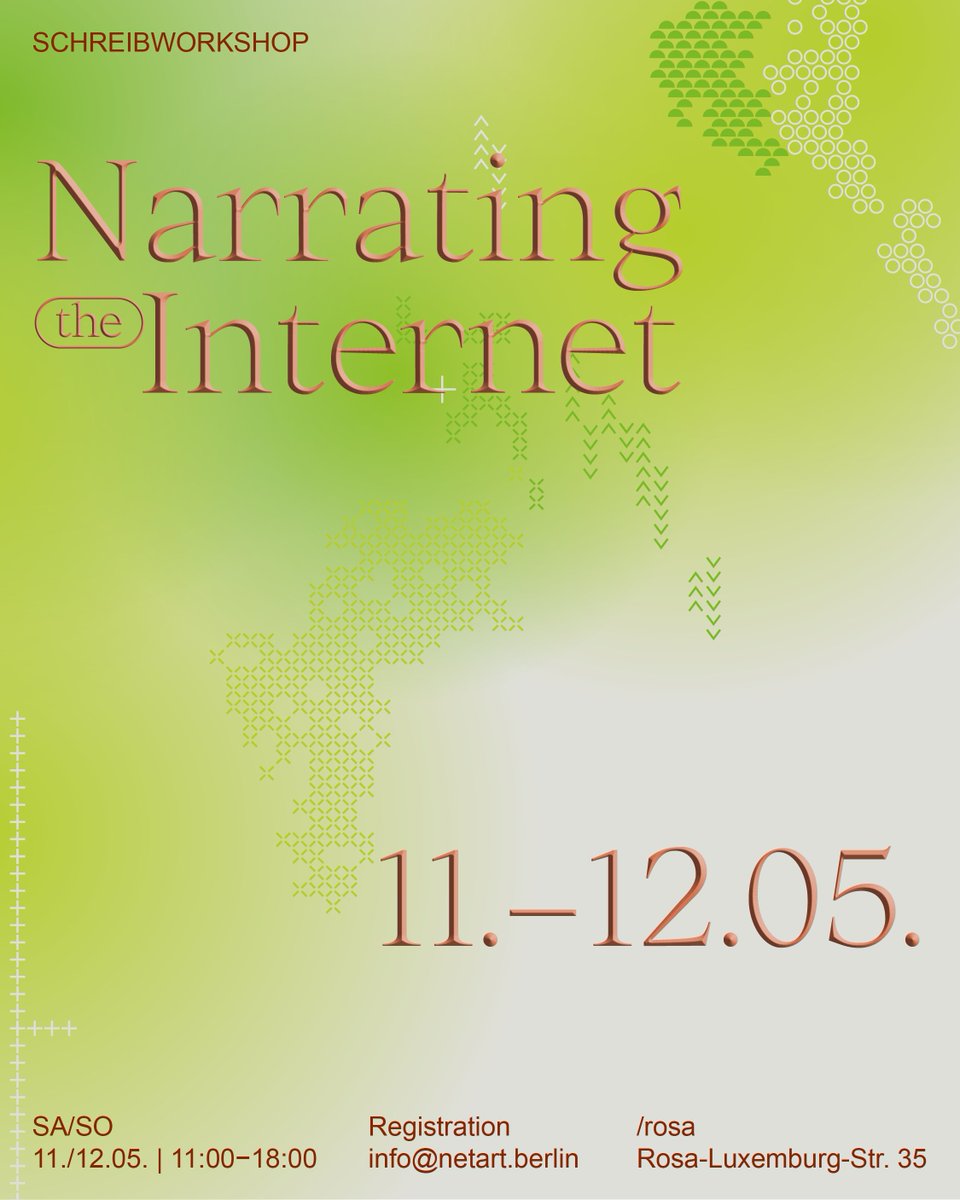
Narrating the Internet
Writing Workshop
https://t.co/tc6pIItl1Q
w/ Jackie Grassmann & Anneliese Ostertag
➠ 11+12 May 2024, 11.00–18.00
/rosa, Rosa-Luxemburg-Str 35, Berlin
· please register: [email protected] (max. 12 participants)
· free of charge; in English and/or German
In September I finished a film about Ali Sultan Issa, a man at the centre of an uneasy marriage between afrofuturism and sinofuturism in the 1950s and '60s. You can watch the whole thing here: https://t.co/PaOtZOuE5x 🧵
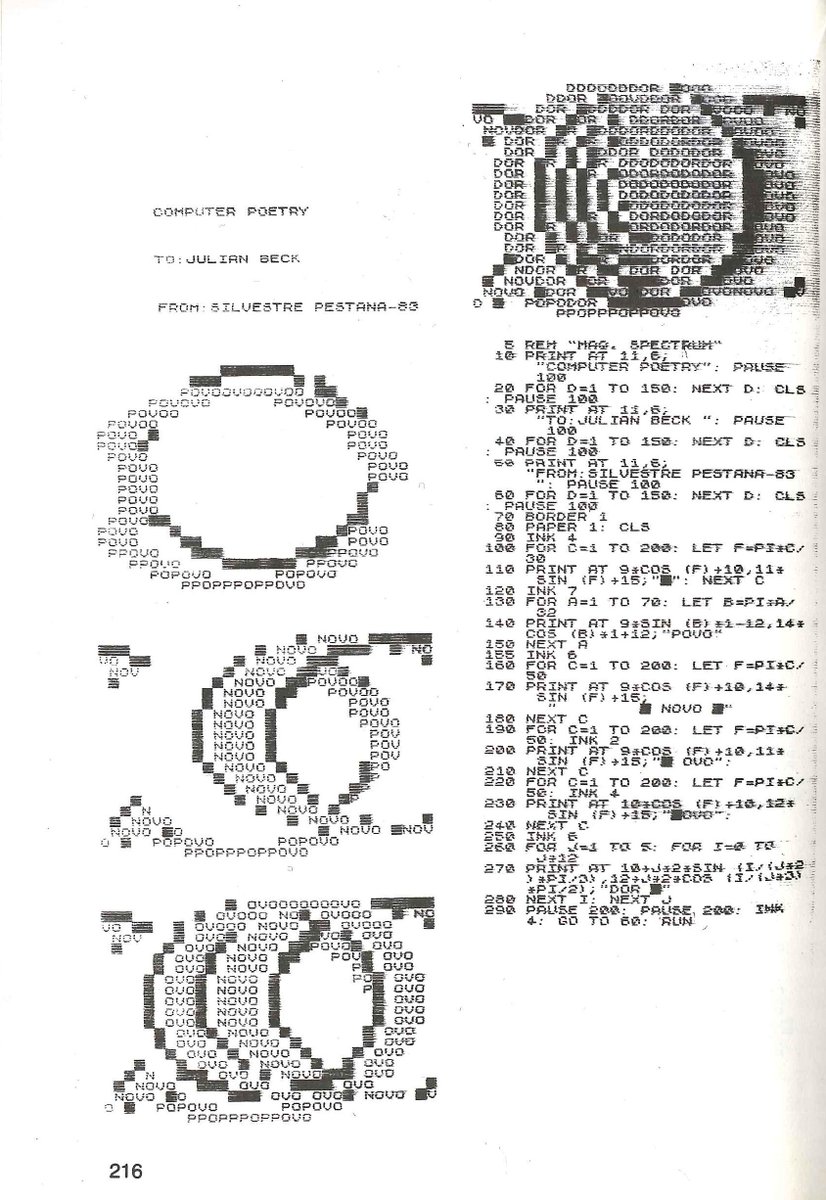
In the past few days, I've been obsessing with some works by a portuguese artist named Silvestre Pestana. He is still alive and still a visionary, but I was really curious about the digital art pieces he did in the 80s, aptly called 'Computer Poetry' (...) he did for ZX Spectrum
More weekend restoration Ferranti Argus 500. Here it is running the allblocks memory test for the very first time using a 64k solid state store module and serial connection to a vt220 terminal.