YOU are likely doing this exercise wrong!
The single leg RDL is one of the best for building strong glutes & healthy hips - but most people don’t perform it correctly. Here’s how I teach it 👇🏼👇🏼
💥🛣🚗‼SALIÓ MÁS CARO EL CALDO QUE LAS ALBONDIGAS‼🤦♂️
🤳#ReporteCiudadano
🗣Les comparto como este conductor bien astuto, quería brincarse la pluma de la caseta #México- #Toluca y terminó dañando su auto. Parece que no le piensan caray
@GN_MEXICO_
¿Entrenar un brazo puede proteger el otro durante una lesión?
La evidencia reciente dice que sí.
El fenómeno “cross-education” muestra que entrenar la extremidad sana puede reducir parcialmente la pérdida de fuerza y masa muscular del lado inmovilizado.
Los mayores beneficios aparecieron con:
• trabajo excéntrico
• contracciones dinámicas
• alta intensidad
Y cuanto más mejoró el lado entrenado…
más se preservó el lesionado.
Nuevo artículo en el BLOG JL Chicharro →https://t.co/DVZCseCtRd
https://t.co/ghlyA0rsYU
If you’re only doing conventional broad jumps and vertical jumps in your training…
You’re missing out on serious athleticism
Here are the 12 best variations I use with my athletes to build real, 360-degree explosiveness
Save this
Most athletes stay one-dimensional because they never train multi-planar explosiveness
The horizontal, lateral, and rotational power that actually transfers to first-step quickness, cuts, and game speed.
Add 2–3 per lower body or speed session.
Which one are you adding first?👇
🚨 ÚLTIMA HORA
El presidente Trump asegura que Claudia Sheinbaum es una títere de los carteles de narcotráfico: “Los carteles son los que gobiernan México, nadie más”
♨️ ISQUIOS: PROGRESIÒN ♨️
.
1. Testeamos y activamos.
2. Excéntricos bilaterales baja velocidad.
3. Excéntricos unilaterales palanca larga.
4. INTEGRAMOS!
.
😉 lujazo equipo PREVENCIÒN DE LESIONES en la Universidad Francisco de Vitoria.
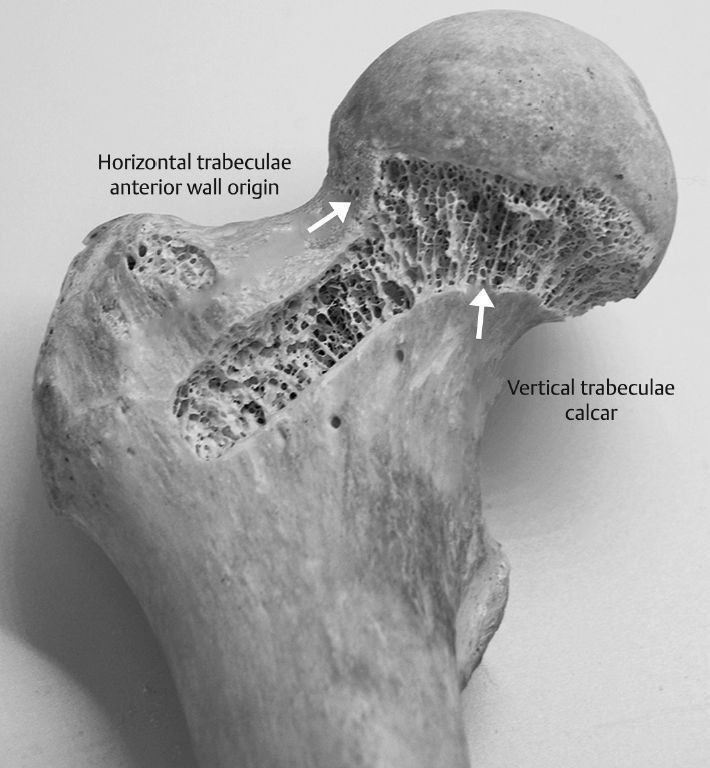
Anteroposterior Hip View: Shows the thin (2–4 mm) cortical wall and internal trabecular structure, with a vertical trabecular column (calcar) and a horizontal column extending from the anterior wall to the neck and femoral head, as described by Hammer.
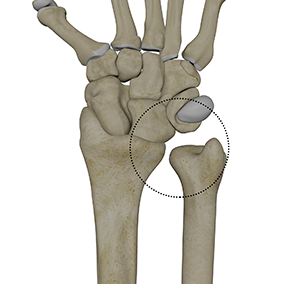
The piano key test evaluates for distal radioulnar joint instability. Stabilize the radius with one hand while grasping the ulna with the other, then apply alternating dorsal and volar translation to assess joint stability. A positive test is indicated by pain or excessive laxity, suggesting instability of the distal radioulnar joint. Sensitivity is 65 to 66%, specificity 44 to 68%.
Read: https://t.co/lS1ZP7xqSv
Watch: https://t.co/ATX2BcIluc
#MedicalEducation #MedEd #Physio #ATC #Orthopedics #SportsMedicine #PhysicalTherapy #AthleticTraining #Rehab #InjuryPrevention #SportsInjury #SportsRehab #PhysioTherapy #FOAMed