I’m making a show about buildings.
The concept is simple: do for the man-made world what Planet Earth did for the natural world.
But, when I pitched the idea, the answer was that nobody would watch it.
So I released a pilot episode on YouTube. It’s got 5.4 million views, 379k likes, and 23k comments.
People are interested, and now it’s time to make the full show.
Six episodes, filming in the UK, France, Belgium, Germany, Italy, and the USA, and releasing on a streaming service like HBO, Netflix, or Prime.
Why does this show matter?
First: we’re surrounded by buildings all the time. Look around yourself, right now… what do you see? Buildings are the logical conclusion of everything a society believes in. That’s the real focus of this show: not the buildings themselves, but what they say about us.
Second: there’s global dissatisfaction with modern architecture. This feeling gets written about online, but nobody’s given a voice to it on film or TV. That’s what this show will be. But this isn’t just about criticising modernity. That’s easy. This is about learning from the past in order to understand and improve the present, for everybody.
Third: there’s a drought of high-quality culture shows. When I spoke to film executives they said that only documentaries about sports, music, or true crime get funded. That’s a colossal missed opportunity. Galleries are always full, content about architecture goes viral online all the time, and people spend their precious holidays visiting beautiful cities.
Why no shows about architecture, then?
Tourists flock in their millions to see (for example) the buildings of Antoni Gaudí in Barcelona. But, if you asked those same people if they’re interested in “architecture”, they’d probably say no.
To put that another way: not many people want to watch “a show about architecture”, but lots of people want to watch a show that illuminates the real world they’re living in, each and every day.
What will the show be like?
Six episodes, going chronologically through history and arriving at the present, each focussing on the architecture and design of a specific period:
1. Middle Ages
2. Renaissance
3. Enlightenment
4. The Nineteenth Century
5. Art Nouveau & Art Deco
6. Present Day
But, in each case, the point isn’t just to learn about that era; the point is to learn about our modern world through those eras and what they’ve left behind. If you watch the pilot episode (included below) you’ll see what I mean.
So the show’s not really “about” the past; it’s about the twenty-first century.
That’s why it’s called The Modern World.
When you think of a typical history show there are loads of interviews, stock footage, archive photos, historical recreations, and graphics. We’re doing none of that. Everything will be filmed on location, because we’re telling our story only through the real world that exists right now. And, rather than going to the most obvious places, we’ll focus on buildings that aren’t well-known but should be more famous.
But that’s all big picture; what will it be like on screen?
Buildings used to look different in every country, and now they look the same. Why? Because the weather is different everywhere, and buildings were always a way of dealing with that weather, using local materials. Now we have air conditioning and we ship concrete around the world, so we don’t need to design our buildings with regard to local weather or rely on local materials.
Look at really old clocks and you’ll notice something: they don’t have a second hand… because it was only invented 300 years ago! Then you look at the present and you realise we’re surrounded by timers, by seconds ticking down and ticking up relentlessly. If we’re looking for a cause of our anxiety-inducing culture, that might be it.
When you spend time with the sun-softened bricks and time-warped timbers of old cities you notice that synthetic materials like plastic have taken over. When we’re surrounded by things that feel temporary, how do you think it makes us feel?
It’s only by seeing 19th century train stations, designed like cathedrals, that you realise tradition and technology aren’t enemies. New things don’t have to look boring: if the Victorians had designed AI data centres, they’d look like Medieval castles.
In the 1920s, at the zenith of Art Deco, people believed technology would uplift humanity. That’s why they decorated their buildings with statues inspired by electricity. Only by seeing their enthusiasm can we realise our own cynicism, and perhaps begin to fix it.
All of that… and much, much more.
But, above all else, this show is about a way of seeing. If you want to understand any society then you need to look at what it creates, not what it says about itself.
There’s a worldview in every single object; our skyscrapers are designed the same way as our phones. Learn to look at this world, to notice its details, and everything else starts to make sense.
What now?
I’ve been quiet online recently because I’ve been researching and working on scripts for six full-length episodes. Production begins when we’ve raised the funding.
The Modern World is coming.
@PS9911@TweetsOfSumit Hör auf mit sowas, sonst kommt die cdu auf neue ideen wie dass die ausländer alle deutschen kinder wegadoptieren um bürgergeld-millionäre zu werden
Mir fehlen die Worte dafür, wie schlimm das ist, was Collien Fernandes passiert ist. Ihr mutiger Schritt an die Öffentlichkeit, zeigt Betroffenen, dass sie nicht allein, geschweige denn Schuld sind ❤️ Das Ganze hat System. Die Scham muss die Seiten wechseln. Und wir müssen Gesetzeslücken schließen, die Frauen schutzlos zurück lassen.
I saw a guy with no arms didn't hold the door for a lady, I called him an A-hole. When he said he had no arms, I was like "do no arms mean you can't apologize?" I said this because I'm a good person
My classmate was raped on her way back home from university and got pregnant, but couldn’t get an abortion due to the laws. She had to drop out of university where she was studying medicine. Because of pregnancy and childbirth expenses, she couldn’t continue her studies, left college, started working at a coffee shop, lost the fun of her early twenties, and lost the chance to attend international medical conferences she once dreamt of… all just to give birth to a child she never wanted.
People say, “What if the baby you abort grows up and cures cancer?”
Okay — but what if the 19-year-old you deny an abortion to grows up and cures cancer?
Now she can’t afford to get an education. Instead, she has to take care of a baby. What about her? An actual living human being???
“Abortion ends potential life”… So do property disputes, war, and genocide. You only seem to care about lives when women don’t give birth to them.
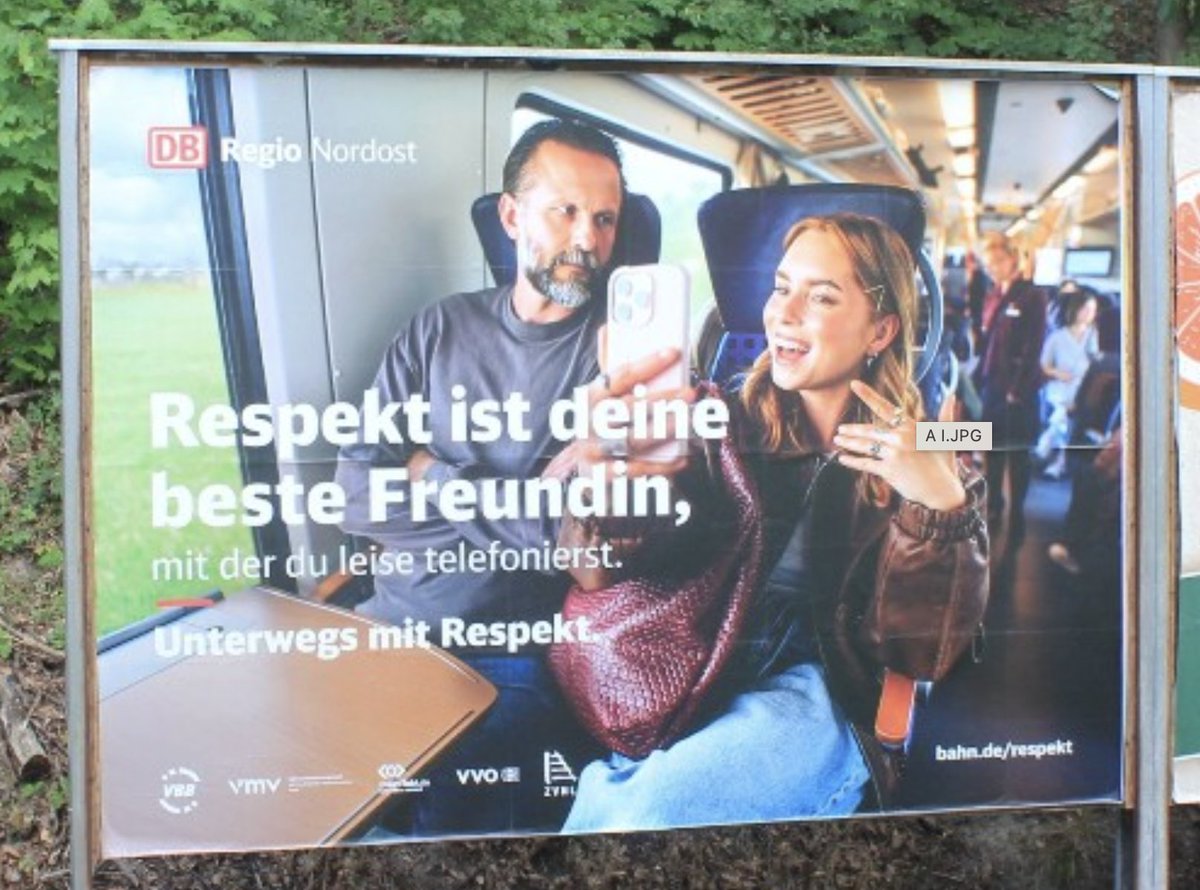
Ich finde ja eine Kampagne für mehr Rücksicht in Zügen der Deutschen Bahn sollte sich eher an Frankfurter Business-Typen oder generell an Männergruppen richten und nicht in erster Linie an alleinreisende junge Frauen.
@annaninii Ihre Empörung wirkt wie ein Schnellschuss aus der Hüfte – laut, aber ohne Ziel. Diversität lässt sich nicht mit dem Fernglas eines Comedians vermessen, und schon gar nicht durch das Abqualifizieren einzelner Frauen als ‚Wohlstandskinder‘.
Wer so spricht, verwechselt Analyse mit
You may think it’s barbaric and evil to force a 12 year old to give birth to her rapist’s baby at gunpoint. However, have you considered that we made an infant suffer unimaginable pain for the 2 hours he was alive for no reason? Not so black and white now, is it?
ich wäre so sauer wenn ich eins dieser Sylt-Kids wäre, hätten sie nur ein einziges Jahr später „Ausländer raus“ gesungen, hätten sie keine Jobs verloren sondern wären als „mutige konservative Stimmen aus der Mitte“ zu irgendeiner CDU-Konferenz eingeladen worden
@OliliquiFu@le_oho_n@SteinhausHelena Das mag sein, aber selbst beim untersten Rand der Schätzungen von 75 Milliarden wäre das auf ein Jahr gerechnet immernoch 24 mal so viel Geld wie die gesamten, ausgezahlten Bürgergelder, sogar ohne Berücksichtigung von Menschen die nicht arbeiten können.