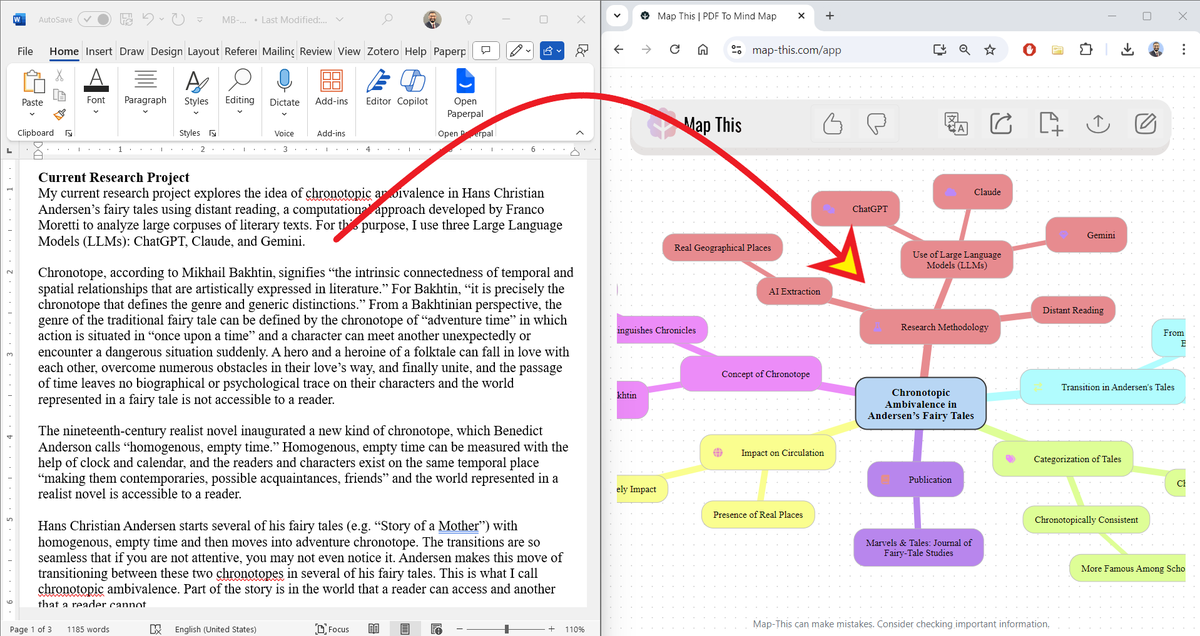
Map This is an AI app that turns any piece of writing into a graph.
This can help you brainstorm ideas, develop your research projects, and prepare impressive presentations.
Here's how to use it:
@TimesAlgebraIND NOT KNOWN TO MANY...
IIT Kanpur has done Commendable Job for spreading awareness & furtherance of our Sanatan Dharma 🚩👏
Amazing content on Shrimad Bhagwat Gita 😊
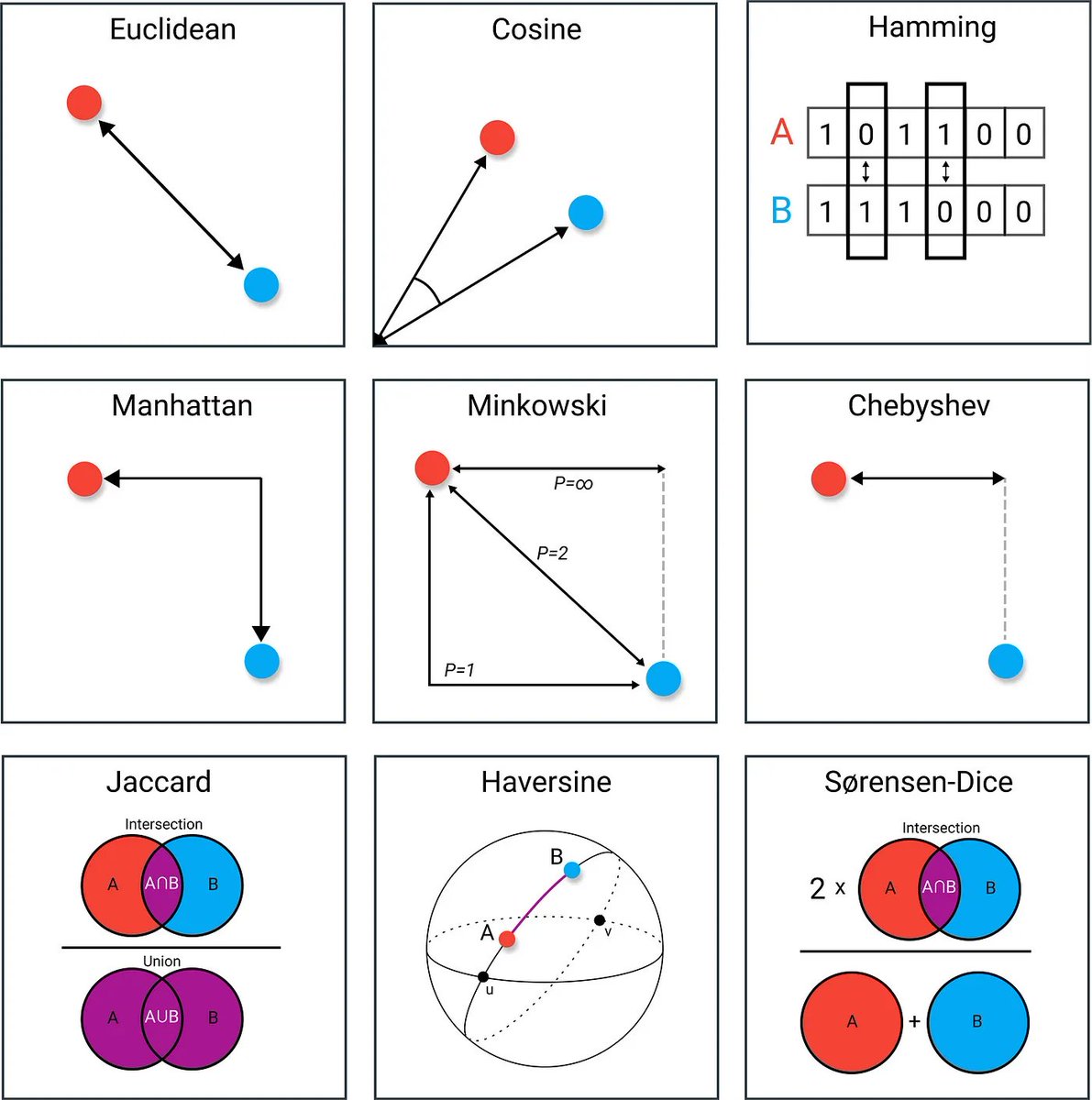
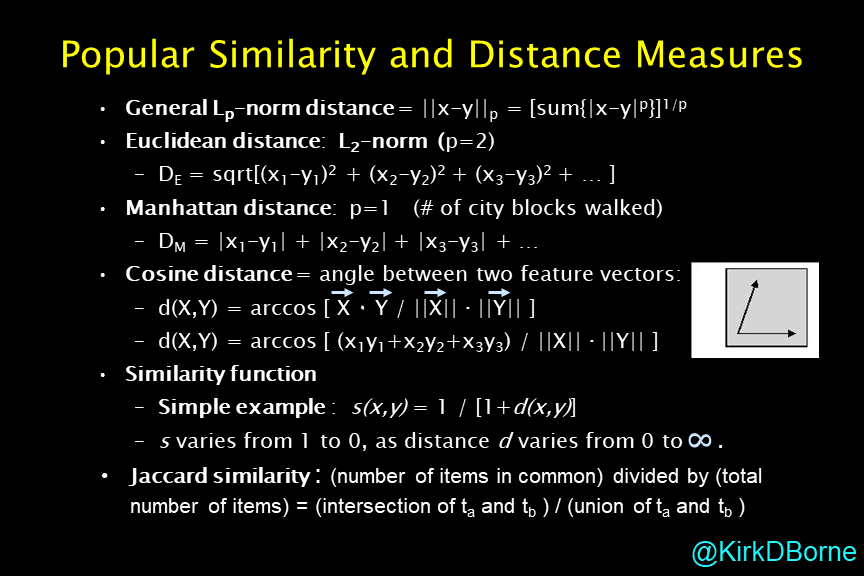
Distance Measures in #DataScience, explained with Algorithms -- see the #Python#Coding thread (quoted below) for #DataScientists by @clcoding
Distance metrics are one of my favorite topics to teach. Learn more here: https://t.co/gHXCofKmkd
Don't know where to begin with Finnish Cinema? Start your journey with these 11 must-watch movies that will set the bar high for everything else to come.
A thread 🧵
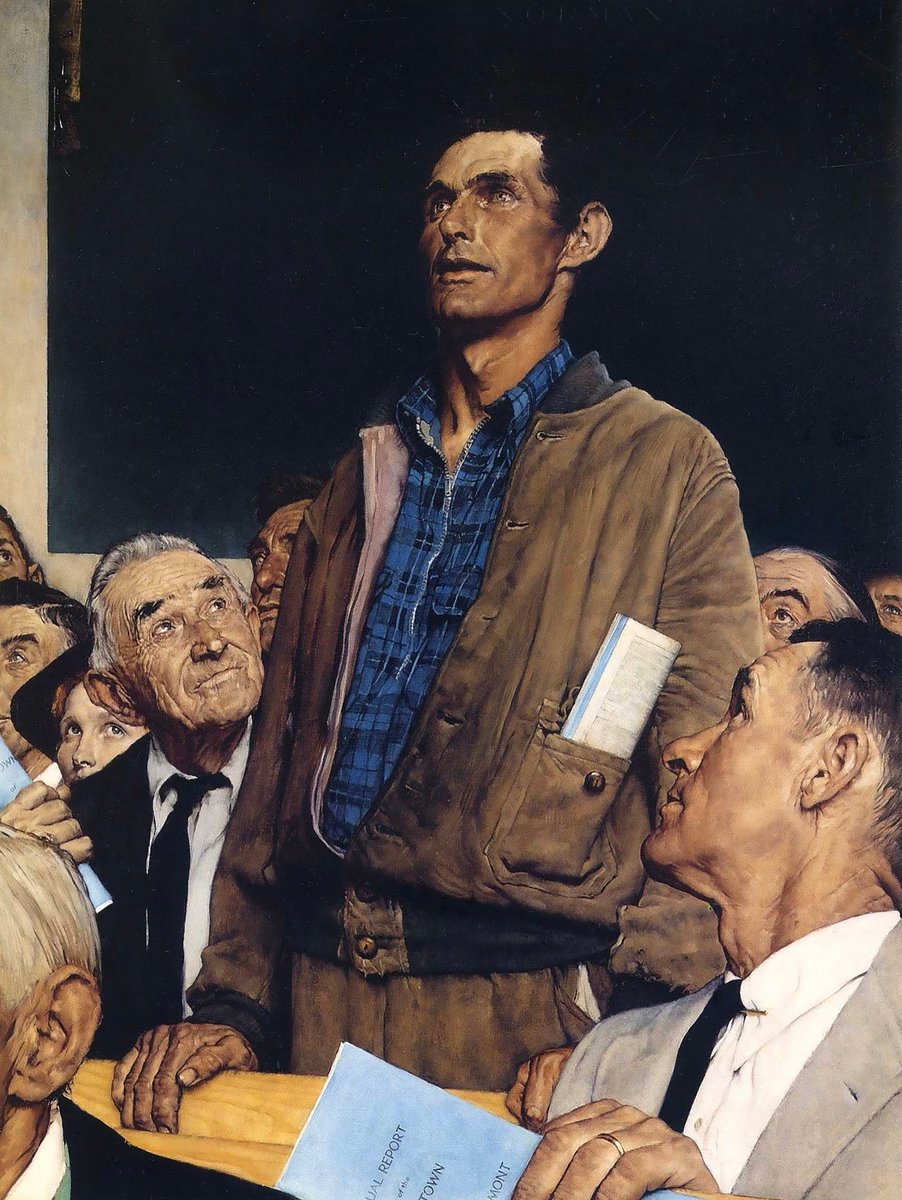
“Freedom is always and exclusively freedom for the one who thinks differently.” - Rosa Luxemburg
In other words, free speech is meaningless unless it protects unconventional opinions, however appalling they might seem.
Three foundational defenses of free expression that EVERYONE must read to fully understand the concept:
1. Areopagitica - John Milton (1644)
Milton's open letter to the Parliament of England, opposing the requirement for authors to obtain a state-approved license in order to publish their work.
It's named after the famous rock outcropping near the Acropolis in Athens - in classical times the seat of the Areopagos Council which had jurisdiction over moral and religious issues, including censorship.
Milton cites that while the Ancient Athenians did sometimes burn books they deemed harmful, they didn't censor their initial publication (i.e. an exercise of prior restraint). Milton believed that "bad" texts must be “examined, refuted, and condemned”, rather than prevented from being read in the first place.
Bad ideas, he argued, are not inherently poisonous to our minds. They must be debated in the public realm, because to prevent this is to underestimate the power of truth to prevail - if we engage in censorship we “misdoubt her strength”.
As he wrote so lucidly: “Let her (Truth) and Falsehood grapple; who ever knew Truth put to the worse, in a free and open encounter? Her confuting is the best and surest suppressing.”
2. On Liberty - John Stuart Mill (1859)
The English philosopher's renowned essay on the relationship between authority and liberty.
Mill explained that liberty of thought and discussion is the most important pillar of a free democracy, and that advancement of society relies on the “collision of adverse opinions”. Similar to Milton, he believed that even false ideas, when confronted openly, themselves contribute to the pursuit of truth.
His two critical arguments are these:
i) A restricted opinion may in fact be true. To deny this is to “assume our own infallibility”.
ii) A consensus opinion that is true but not subjected to contention will never be fully trusted. Ideas imposed as dogma do not allow for the flourishing of heartfelt and honest convictions.
Free expression is a safeguard against the “tyranny of the majority”, an inevitable consequence of democratic society and an even worse fate than a tyranny of government. This is because a person can be protected from a tyrant in a way that they cannot be protected from the tyranny of “prevailing opinion and feeling.” Prevailing opinions determine the norms of conduct in society, from which a person cannot be shielded by any law.
Mill proposed only one instance when free speech should be curtailed - the harm principle: “That the only purpose for which power can be rightfully exercised over any member of a civilized community, against his will, is to prevent harm to others.”
3. The Age of Reason (Introduction) - Thomas Paine (1794)
Revolutionary writer Thomas Paine laid out his arguments for deism, advocating for an era of reason and rational inquiry in place of divine revelation, and outlining his skepticism of organized religion.
In the introduction to his heretical text, he addressed the American people directly, and perfectly encapsulated the argument for free speech in a moment of beautiful self-introspection:
“I put the following work under your protection. It contains my opinion upon Religion. You will do me the justice to remember, that I have always strenuously supported the Right of every Man to his own opinion, however different that opinion might be to mine. He who denies to another this right, makes a slave of himself to his present opinion, because he precludes himself the right of changing it.”
Classic Movies: Italian Edition 🇮🇹✨
Here are 10 must-watch Italian films that showcase the beauty, drama, and artistry of Italy's rich cinematic world.
A thread 🧵
Not sure where to publish your research? Here are 7 bookmark-worthy tools that help you decide on the right target journal or repository for your research!
A thread. 🧵
#newPI#ECRchat
If you have a Laptop and Internet,
You can earn Thousands of Dollars with Video Editing (Without spending a dime on Tools)
Here are the Only 6 FREE Tools that you need to Edit Professional Videos: