Here’s a glossary to help you become a pro at understanding audio production terms! 🏆
Love it, bookmark it — and tell a friend!
https://t.co/eFJQI8200P
Short-form video can engage your existing audience and expand your reach to new users.
Here are some things to think about when developing Reels for your brand account.
https://t.co/WaYNFe1B9j
“Being open to people’s accessibility needs is an important part of dismantling ableism,” says @NPR’s Emily Abshire.
Keep these tips top of mind when covering disability 👇
https://t.co/UyV9RJWhdN
Working on a short video? Get right into the story! Start with a bold statement, surprise, question or mystery.
(You don’t need to explain as much as you think you do up top.)👇 https://t.co/iIX5YzSBOO
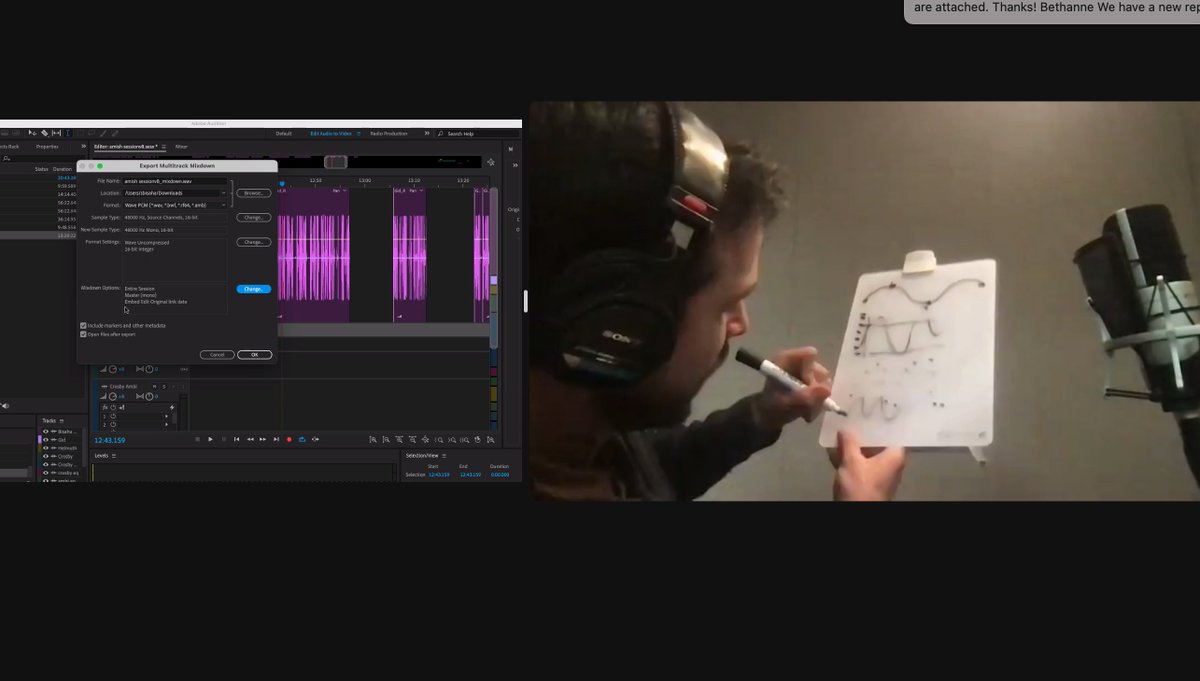
In our team meeting this morning, @SteveBisaha explained what "sample rate" and "bit depth" and all that actually mean and employed a mini white board to take us all back to math class for a moment. I cannot even explain how excited he was to share this information lol
Doing public radio #journalism you listen deeply to voices. In the interview itself, then listening back to the tape, then as you pull clips, simple human voices take on incredible power. The intimacy and simplicity of it breaks down barriers in the brain. Love this work. 📻♥️
Many of the most sound-rich stories with diverse, human voices on @npr are from @nprstations reporters. As a listener, I think it’s what makes the network shine. And I’m grateful.
Descriptors involve gray areas, complexity — and sincere differences of opinion.
Here are 5 things you can do to reach a good decision on how to identify people in your reporting 👇
https://t.co/e1UoLLb57Z
Good short videos start with a statement — a promise, a problem, etc. — and deliver a resolution in the end.
Here are 9 tips to help you tell your story on TikTok.
https://t.co/iIX5YzSBOO
We know we will make mistakes — but we all need to do what we can to reduce them.
This checklist is a helpful reminder of what you should double- or triple-check in your reporting. 👇
https://t.co/iZT84OL2hj
✨ Pro tip: Act like an idiot when you’re interviewing.
No, really.
If your sources are subject-matter experts, they will dilute the information for you and the listeners.
https://t.co/p0VRzED0Kx
People-first or identity-first? When reporting on disability stories, ask your sources if they have a preference — and use their preferred language.
Don't forget to keep these best practices in mind:
https://t.co/UyV9RJWhdN
Is it “Pahr-EE” or “Paris”? 🇫�� If a well-known city has an Anglicized name, use it if English is the reporter or host’s native language.
Here’s a guide to help you pronounce like a pro on air:
https://t.co/HzO95oDP5n
"The more frank you are with your source, the more likely it will redound to your benefit as a journalist, since you will build up a network of sources who trust you, and are more likely to talk to you in the future," says
@jeromesoco. https://t.co/oFogYS6BJo
It's that time of year when seasonal allergies go into attack mode. 🤧
@NPR's Jessica Hansen (@JessActs) shares her top tips to protect your broadcaster voice. https://t.co/mkUAKFbXPQ