Our mission is to catalyze interdisciplinary research aimed at understanding the biological bases of autism and related disorders, to facilitate new treatments.
Cool paper from my lab relevant for schiophrenia treatment: Soluble α2δ-1, altered in disease CSF, modulates network homeostasis and rescues deficits in a neuropsychiatric mouse model: Neuron https://t.co/LjoqJUz60j
New research identifies a potential biomarker and therapeutic target for cognitive symptoms in schizophrenia.
A promising step toward restoring brain circuit function.
🔗https://t.co/2qaW1zDA22
Congrats to @MarcForrest7 , Ph.D., on receiving a 2025 BBRF Young Investigator Grant for innovative mental health research.
Read more: https://t.co/YpPgUFslJc
Exciting collaboration!
New paper by Euan Parnell (Penzes Lab) & Melanie J. Grubisha (Pitt): “Oligodendrocyte myelin glycoprotein impairs dendritic arbors via schizophrenia risk gene Trio.”
Read more:
https://t.co/wieFYfzZ97
Congrats to Jessica Christiansen from the Penzes Lab 🎉 Her work on TRIO and KALRN earned 2nd place in Basic Science at Feinberg Pavilion. She’s helping uncover how gene changes impact autism, schizophrenia, and intellectual disability.
A CAN community member attended #AAIC25 in Toronto, where experts shared: new blood-based biomarker guidelines, promising Lecanemab & Donanemab results, and lifestyle insights from the U.S. POINTER trial. More here: https://t.co/0zdJra2ZLg
Autism is a spectrum, meaning experiences vary widely. Some people need full-time support, while others live independently and thrive in their careers. There’s no single way autism looks—each person is different.
I'm a neuroscientist at Northwestern, directing the Center for Autism and Neurodevelopment. Autism is often discussed but not always understood. In this thread, I’ll break down what we know—its causes, prevalence, diagnosis & treatment—rooted in science.
What is autism? It's a neurodevelopmental condition that starts in early childhood and affects how the brain develops. It's defined by two core traits: - differences in social communication. - repetitive behaviors or very focused interests.
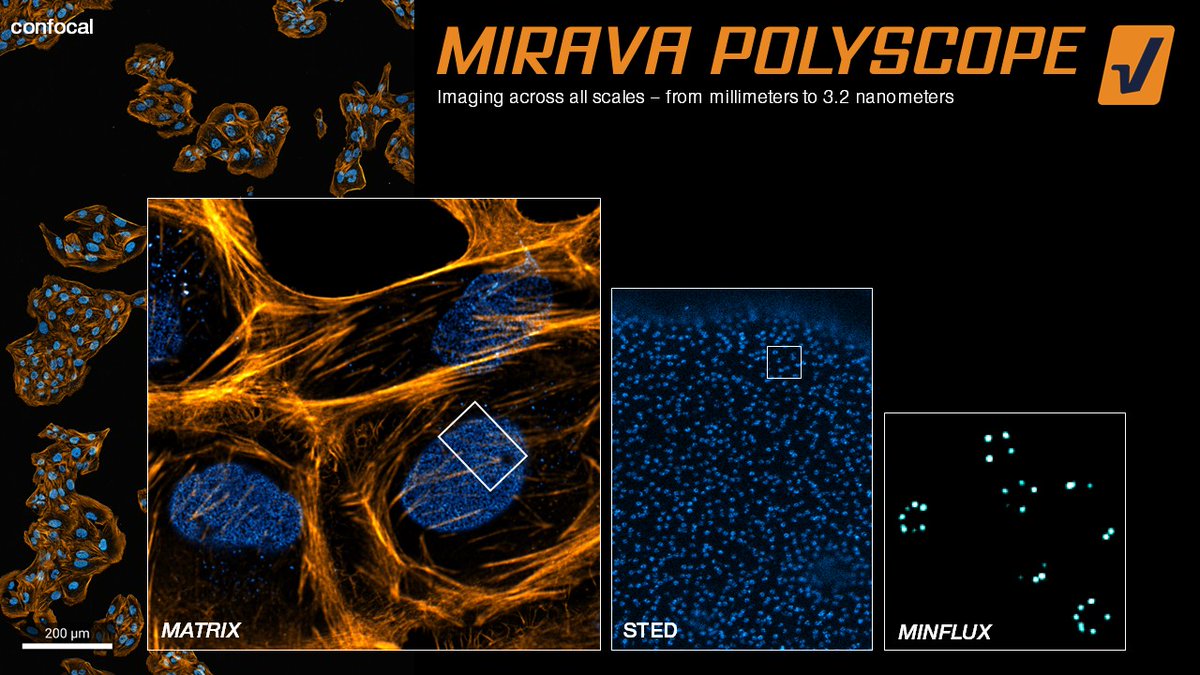
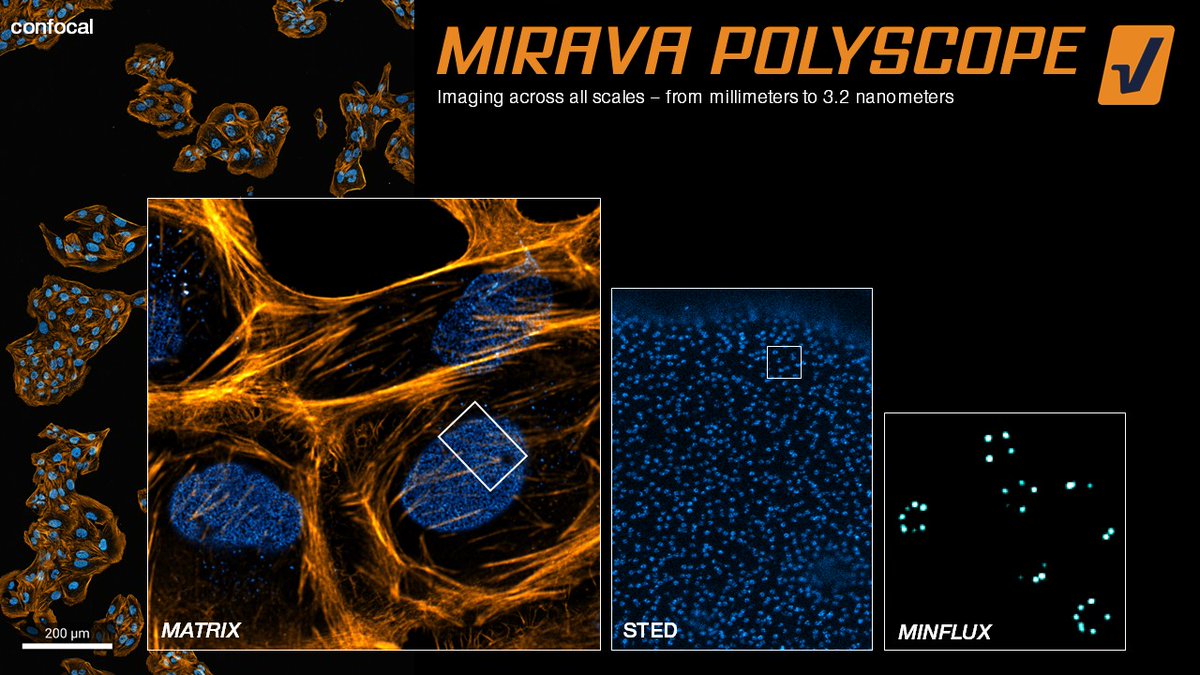
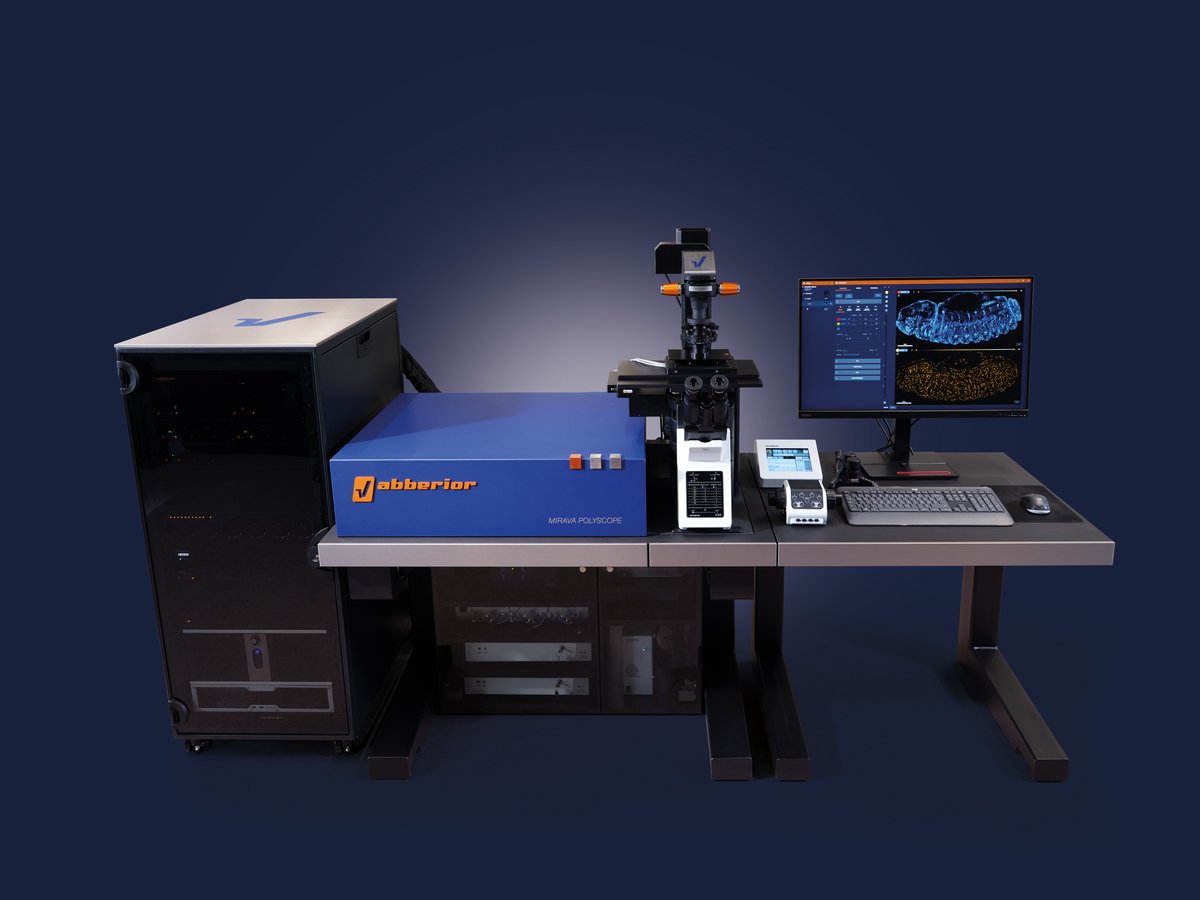
Exciting news! The Center for Autism & Neurodevelopment & @CAM_NUChicago are acquiring the first MIRAVA POLYSCOPE from @Abberior The only microscope combining all imaging scales—from confocal (200 nm) to STED (3D super-resolution) to MINFLUX (3.2 nm precision).Advancing research!
abberior proudly presents: the MIRAVA POLYSCOPE!
https://t.co/4hEKWBiWl2
The world’s only all-in-one solution for confocal, MATRIX, STED, and MINFLUX microscopy with
resolutions from millimeters down to 3.2 nm.
Our MIRAVA is packed with 30 years of experience in developing and applying fluorescence and superresolution microscopy. We as scientists are delighted to once again deliver the latest ground-breaking technologies and the most comprehensive tools for your research.
MIRAVA POLYSCOPE – made for perfect imaging.
#miravapolyscope #microscopy #superresolution #minflux #stedmicroscopy
cool new paper from the Penzes lab: Rapid 3D Enhanced Resolution Microscopy Reveals Diversity in Dendritic Spinule Dynamics, Regulation, and Function: Neuron https://t.co/KkXYtSXpHk
"On and Off the Spectrum" by Richard J. Miller, PhD, Alfred Newton Richards Professor of Pharmacology @NUFeinbergMed
Read the post at: https://t.co/hq3VdqM3EP
Autism prevalence estimated at 1 in 59, up from previous estimate of 1 in 68. Data and Statistics | Autism Spectrum Disorder (ASD) | NCBDDD | CDC https://t.co/D4SgBuyUz3 via @CDCgov