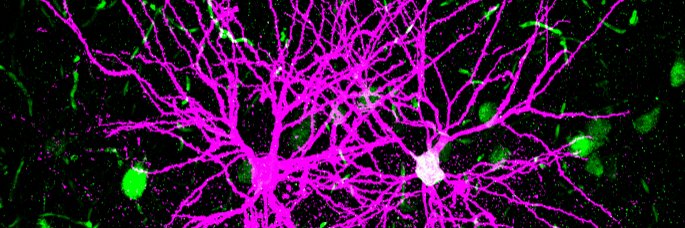
Congrats to Jessica Christiansen of the Penzes Lab, who was awarded 2nd place in the Basic Science category at Northwestern’s Research Day. Her research on KALRN advances our understanding of neurodevelopmental disorders, including ID, schizophrenia, and autism.
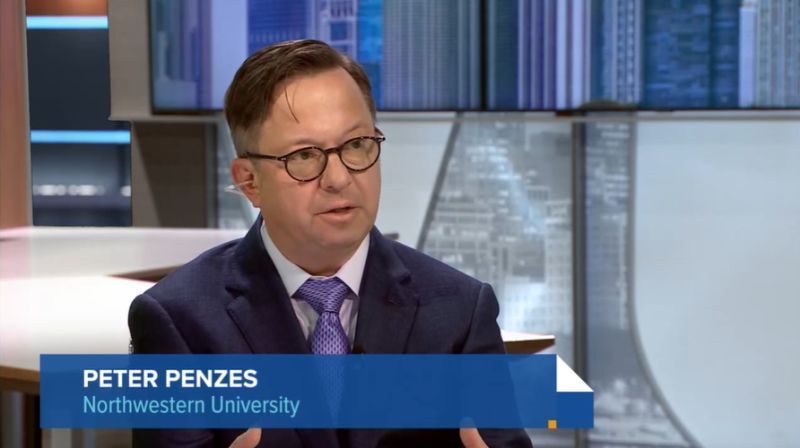
“About 80% of this increase is caused by broader diagnostic criteria... but 20% is not explained by this,” said Dr. Peter Penzes (@Penzes_Lab), director of @NUAutism, on the rise in #autism diagnoses over the past decade, in an interview with @wttw. https://t.co/txEWTf3rx3
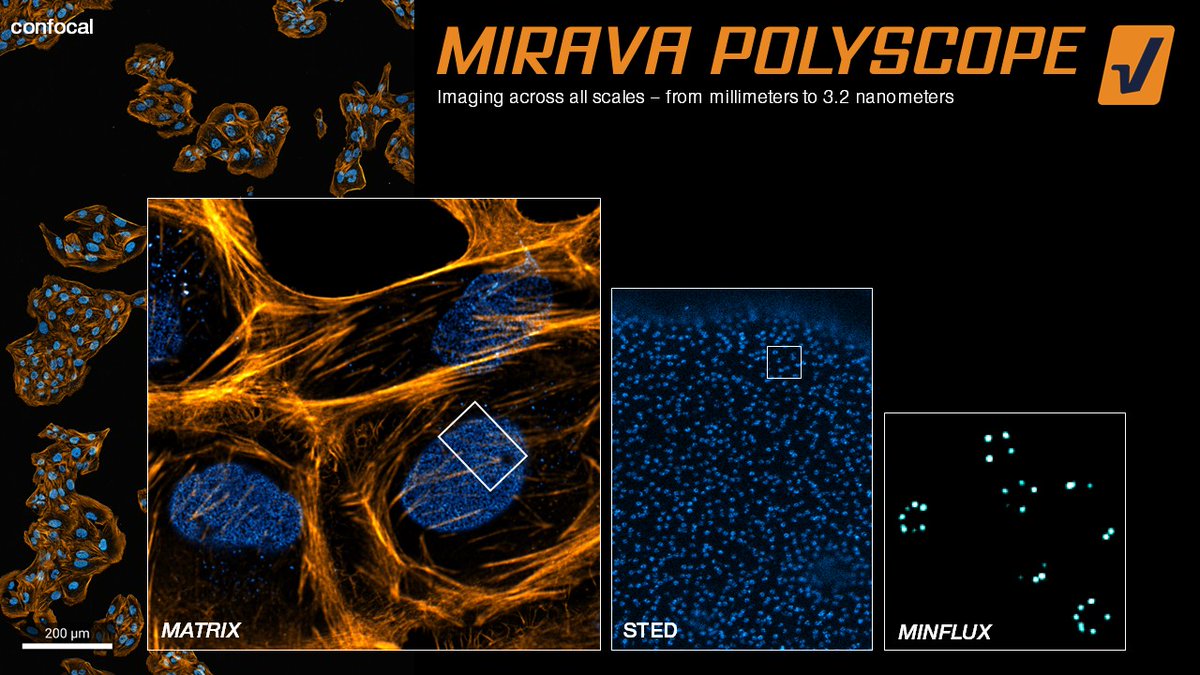
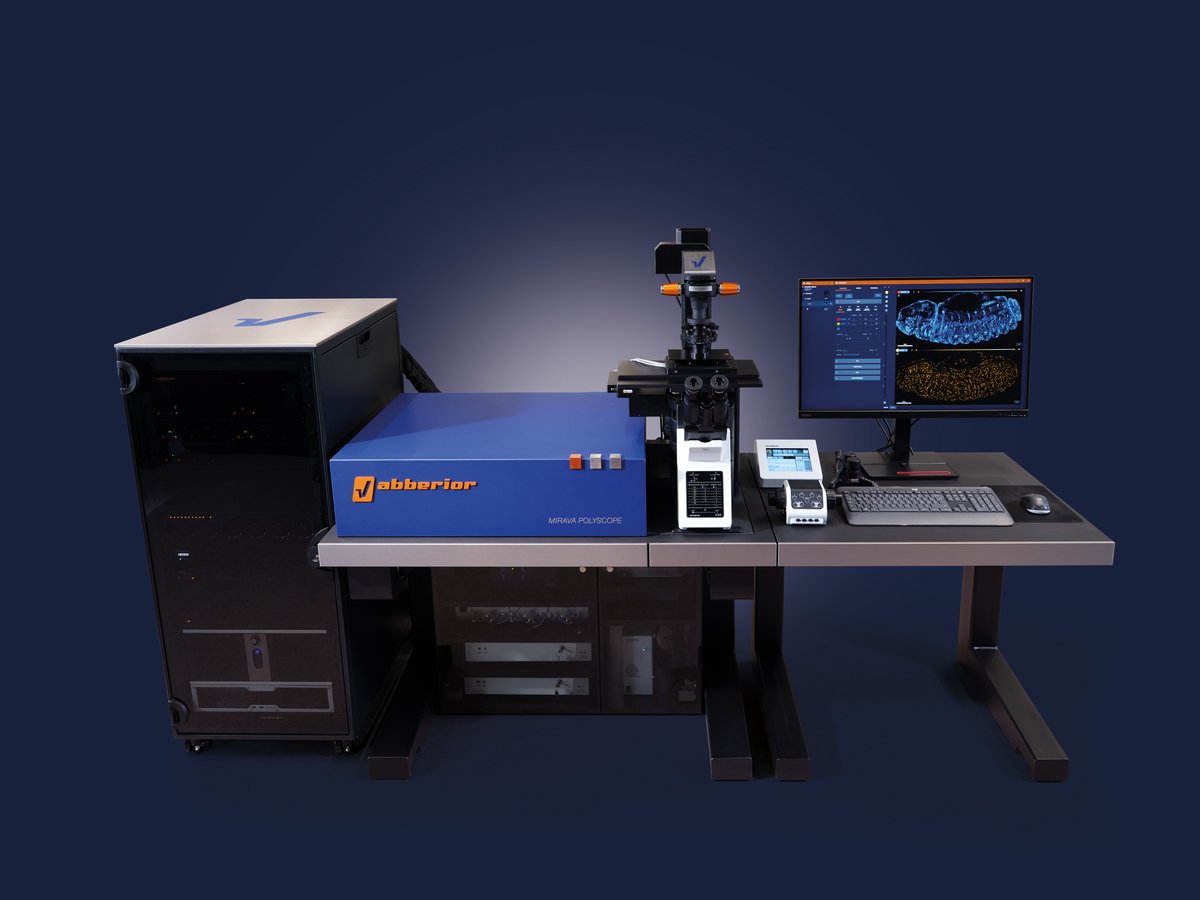
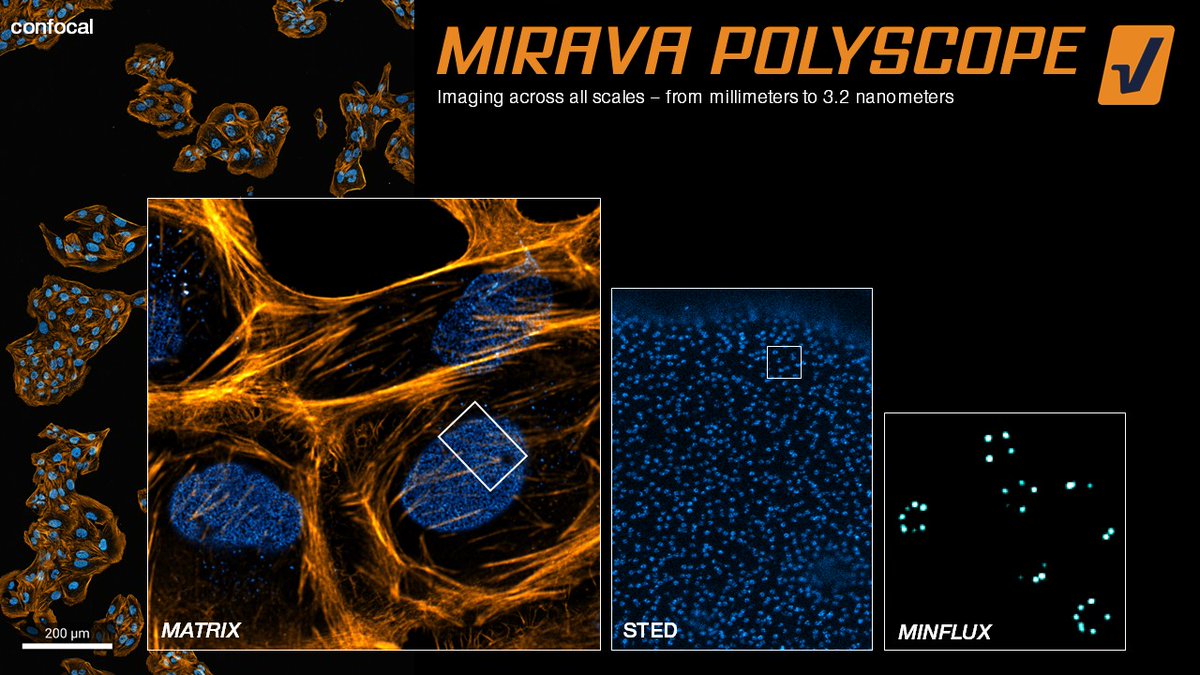
Exciting news! The Center for Autism & Neurodevelopment & @CAM_NUChicago are acquiring the first MIRAVA POLYSCOPE from @Abberior The only microscope combining all imaging scales—from confocal (200 nm) to STED (3D super-resolution) to MINFLUX (3.2 nm precision).Advancing research!
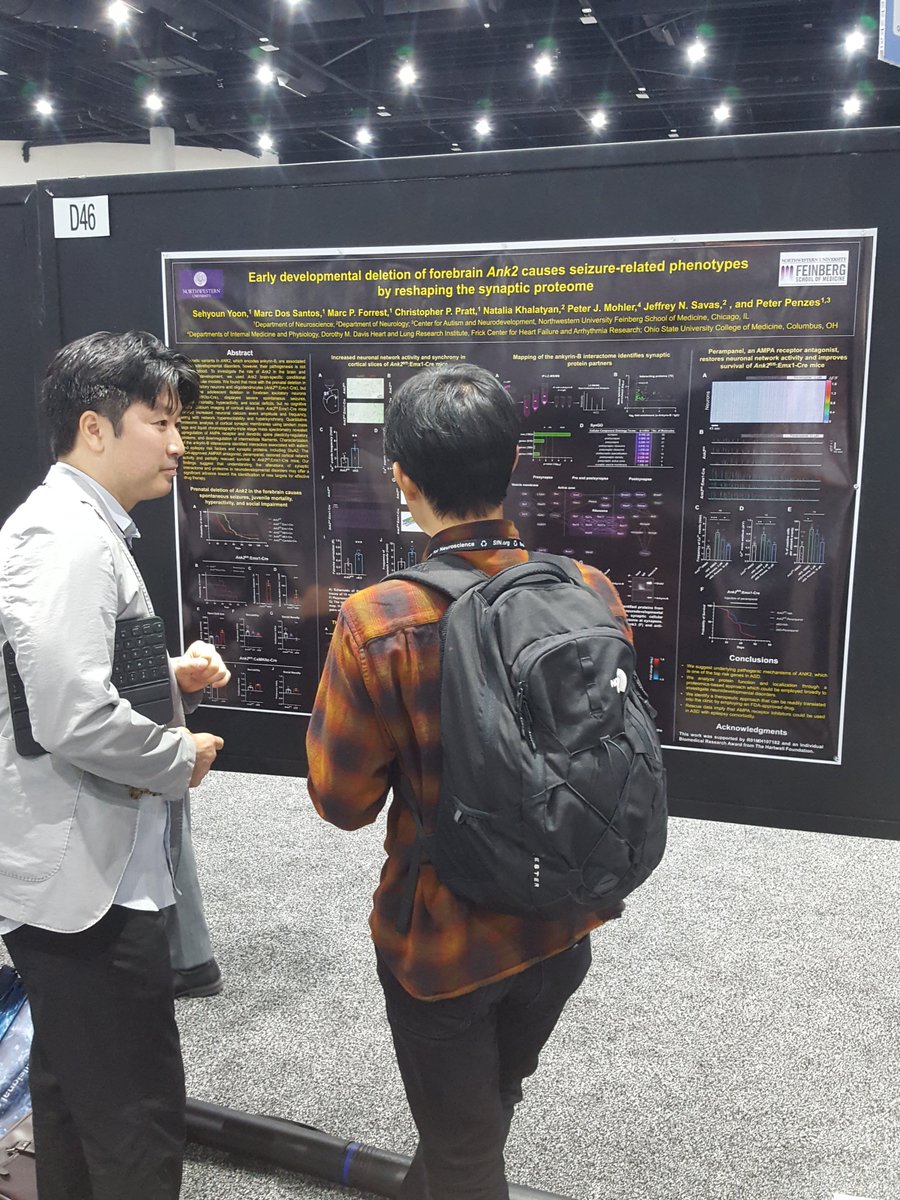
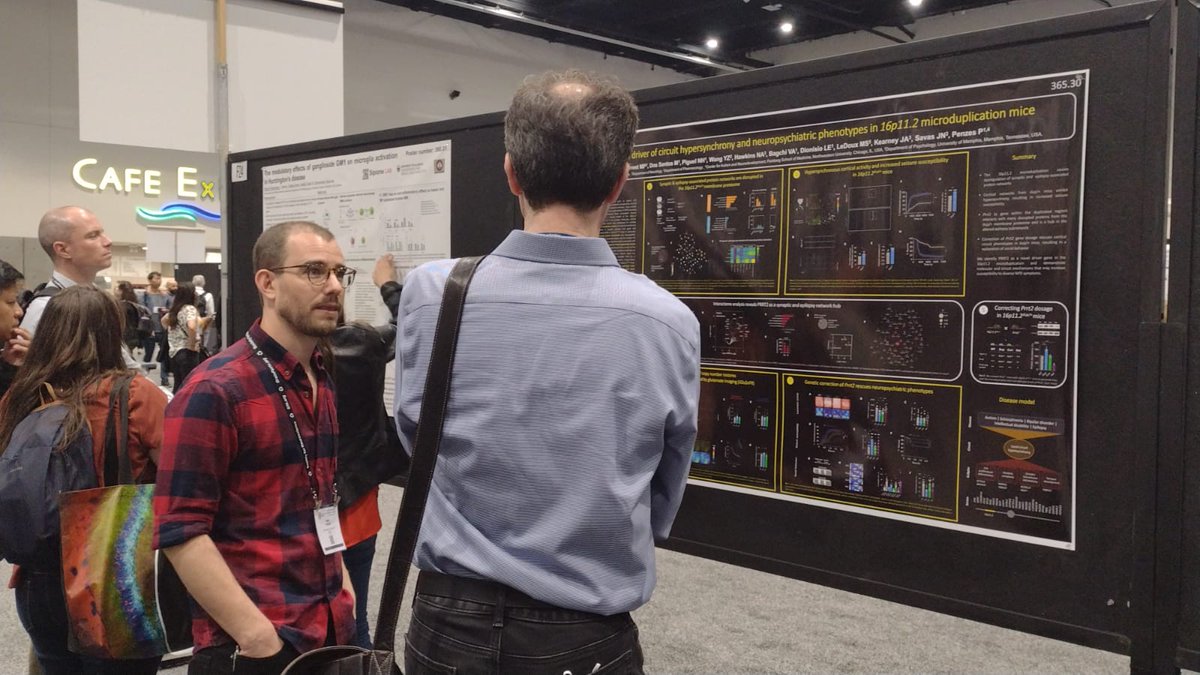
Come see new work from penzes lab members #sfn2024. Saturday afternoon "synapses", poster session B.
Nicolas Piguel using expansion microscopy to visualize bipolar risk gene ANK3 - B69.
Euan Parnell dissecting novel developmental roles of KALRN in brain development-poster B70.
Come see new work from penzes lab members #sfn2024. Saturday afternoon "synapses", poster session B.
Jessica Christiansen on novel regulatory sites in schizophrenia risk gene TRIO - poster B67.
@MarcForrest7 on homeostatic plasticity in 16p11.2 duplication - poster B68.
Our new review on CNVs in neuropsychiatric disorders is now online 💫. Thanks to Current Opinion in Neurobiology for the opportunity to write this. Read below to find out more about genetics and disease mechanisms in #CNVs#16p11#15q11#22q11🧵 1/5
https://t.co/ZbZyxeesOY
Northwestern Medicine scientists have identified the cause of a genetic subtype of #Autism and #Schizophrenia that results in social deficits and seizures in mice and humans, research published in @NatureComms.
https://t.co/8xN3gr51TZ
Very proud to announce my work on the 16p11.2 duplication mouse model is now published!! It’s been a looong journey with this guy but so glad it’s finally out there. Click below to learn more about #16p11#CNV#autism#schizophrenia#epilepsy 🧵1/7
https://t.co/g0IxET3Dhc
Read about our research in the following NU news article;
Targeting calcium signaling in neurons represent a promising therapeutic approach in schizophrenia.
https://t.co/i1ocnPrkcZ
@NUFeinbergMed@Penzes_Lab@NUAutism@ResearchNU
If you are interested in #cnv biology and risk factors for #autism and #schizophrenia. Come say hi to Marc's poster on board F23. Now until 5pm @ #SfN2022 !
Check out our new preprint on disease mechanisms in the #16p11.2 mouse model! This work uses proteomics to help find a genetic driver of seizure and sociability phenotypes 🐁.
https://t.co/9EHKrPFeur
New research from the Penzes lab!
We found schizophrenia risk factor 16p11.2 duplication to cause profound alterations in excitatory iPSC-derived neurons. These effects were present in schizophrenia patient-iPSC, revealing potential pathophysiology.
https://t.co/BlqbzgQs7X
Our new paper reveals the role of Homer1 and AnkyrinG in shaping the synapse proteome and controlling dendritic spines. Read it in molpsych!
https://t.co/1Q02qAuK9J
Our new work, published in Neuron, provides novel insight into spinule function. Cutting-edge microscopy allows us to probe the formation, stability and regulation of these structures in live neurons, providing insight into their roles in connectivity.
https://t.co/Z5TmletFAp
New research from our lab identifies a direct link between cytokine signalling and ubiquitinase-mediated regulation of the bipolar/ASD/intellectual disability risk gene, Ank3.
#Penzeslab#NUFeinbergMed
https://t.co/V3Kwbz2i5x
Read our new review on iPSC-derived models of autism! This work is focused on the role of excitation/inhibition imbalance and its effect on neuronal development.
https://t.co/zgrv7jvIhs
#penzeslab#NUFeinbergMed
Come and learn about Penzes lab research at #sfn2019!
Poster session Monday 21st, 1-5pm.
Theme B neural excitability/synapses and glia.
Hall A, 369 - Synaptogenesis and Activity-Dependent Development III