@TShuffles3780 Great Space 👌
Two questions I would love to hear your take on:
1. If someone wants to break into cybersecurity today, what do you recommend?
2. If we already work in security, how do we avoid being replaced by AI?
I love this. Heavy reliance on China for computers and electronics is a serious supply chain and national security risk. We need to build here and become self-sufficient. It’s a hard problem, but we can solve it.
@anduriltech@PalmerLuckey I beg you: do NOT ship Windows on BlueChip. Windows is the worst OS for user choice and privacy, and I don't believe Microsoft is serious about security -- especially for critical missions.
I have been testing @TryMapleAI for a while now. The team is friendly and open to feedback, and their privacy architecture is directionally right. I see real potential in products like this, and I want open source and privacy to win. I only came across Maple recently, otherwise it would have been on the list a long time ago.
I have kept adding to the tools directory, and the goal remains the same: help you choose tools that fit your threat model and your everyday use.
Curated by me. No affiliate links, no sponsorships, no paid rankings.
https://t.co/byXZRz3Jvp
Hey @fouadmatin@thsottiaux, I am a security and privacy researcher. At @Brave I work on critical products like Brave Wallet - where a missed vulnerability can mean users lose funds. My personal projects, like https://t.co/9k625VJTkN, are fully open source.
Why does Daybreak need a government ID so I can analyze code I already maintain in public?
I get the dual-use concern. Attackers aren't filling out KYC forms. They are using open-weight models. The friction falls on defenders, the people you say you want to help.
Does that seem fair to you?
@iAnonymous3000 Tesla describes "certain blurring" of faces in fleet-learning clips. Does that cover license plates, and does it apply to safety-event recordings too?
Alongside the exploit discussion, there is a longstanding privacy issue for people who never touch the car.
With Dashcam on, a Tesla records its surroundings while driving. With Sentry Mode on, it watches while parked and can save footage when it detects a security event.
Tesla says Dashcam and Sentry recordings are saved in the car or on a USB drive, never on its servers. And, it collects operational and diagnostic data, receives camera clips owners opt into sharing for fleet learning, and says it can receive separate camera recordings following serious safety-critical events.
The owner chose to turn on recording. The people walking past did not. What protects them when that footage is kept, shared, or handed to police?
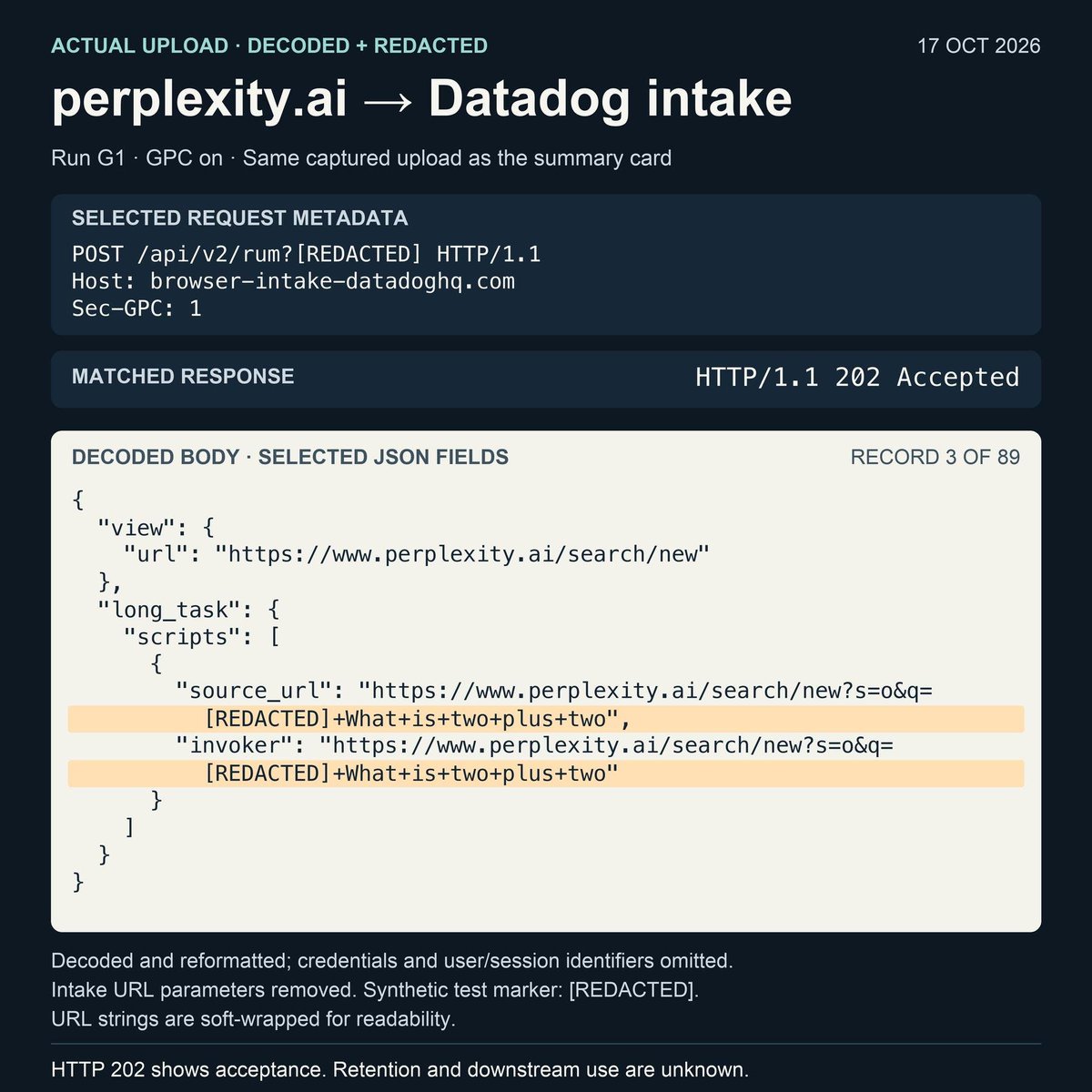
Perplexity sent the full text of my test searches to Datadog when the search arrived in the page URL. I captured the uploads live.
[That is how browsers send searches when Perplexity is the search engine.]
I usually break down privacy policies. This time, I followed what actually left the browser.
I used harmless synthetic queries against the live website, without changing Perplexity’s code or stubbing responses. The query was stripped from the standard page-URL field sent to Datadog, but remained in two nested performance fields.
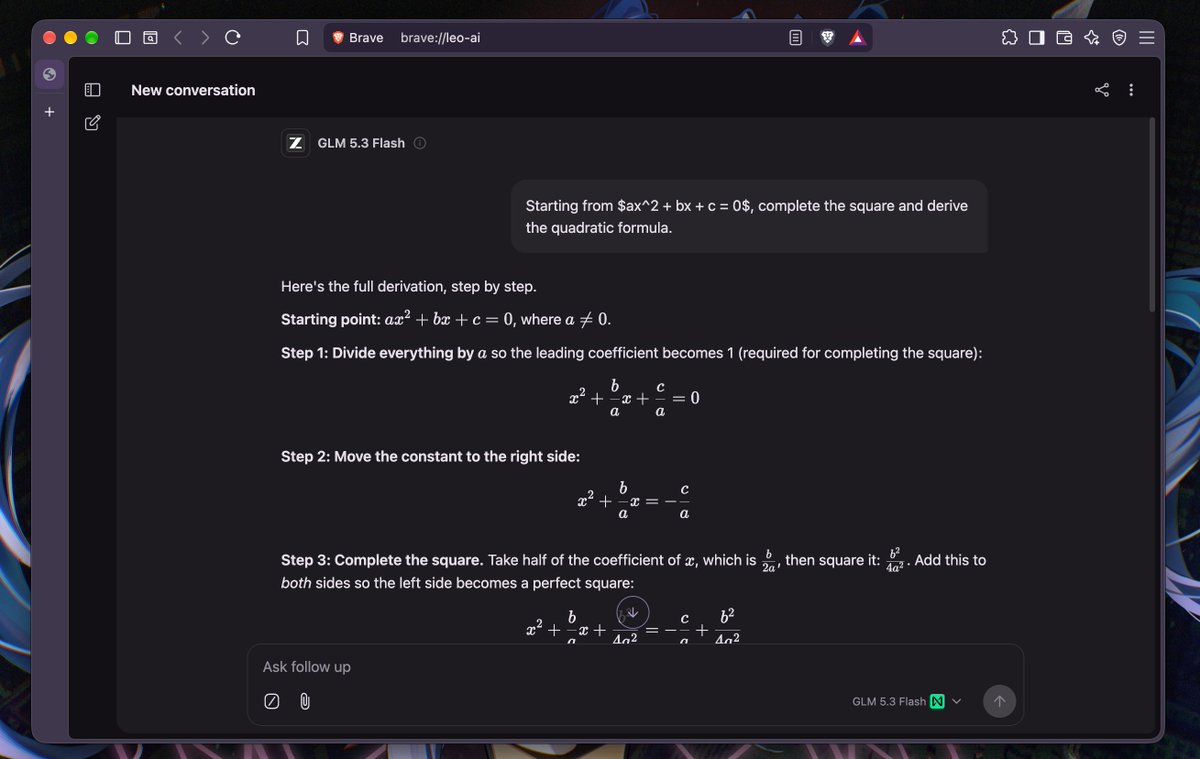
After the initial captures, I ran the follow-up tests shown in the image. It includes the conditions, results, and limits - including the runs where I did not observe query transmission.
One upload happened with Global Privacy Control enabled. Perplexity describes GPC and its cookie choices as opt-outs from targeted advertising.
What happened to the data after Datadog accepted it remains unknown.
@perplexity_ai@datadoghq@AravSrinivas@kpolley
Zcash Ironwood support is now enabled by default in Brave Wallet on desktop (Stable channel) 🛡️
In Brave Wallet you can now:
- Send $ZEC to, from, and between Ironwood shielded addresses
- Move your Orchard funds into Ironwood
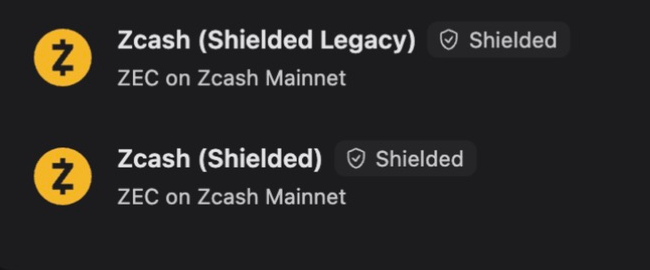
- See your balances separately: Orchard shows as "Shielded Legacy," Ironwood as "Shielded"
Everyone using @Brave on desktop: please update to the latest version and give it a try.
Report bugs: https://t.co/2hzmjslZOs
@Zcash@ShieldedLabs@zooko
Google Street View can show ANYONE your front door / driveway / visible security cameras without them ever visiting your street.
You can request a blur but that means giving Google proof of address and an email linked to your claim that you own or rent the home.
If you go ahead, minimize what you send. Use a forwarding email alias (like @SimpleLogin) you use nowhere else. This keeps your primary email out of the form [it does not make the request anonymous].
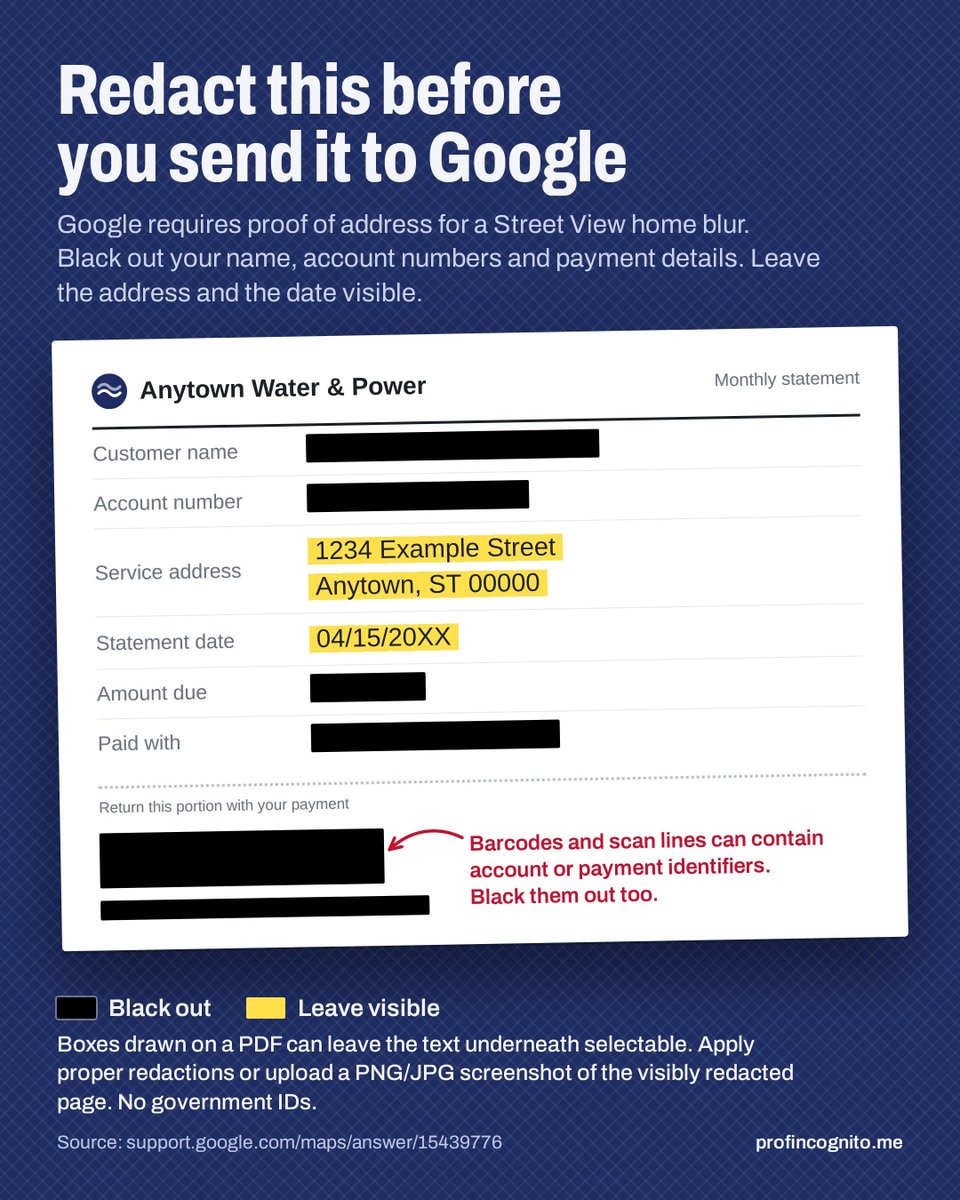
Use a utility bill dated within 6 months. Redact any sensitive information. Leave the address and document date visible. Do NOT upload a government ID.
Google says it permanently deletes uploaded documents after 60 days. Google’s requirements: https://t.co/35Q0sDOeru
To request it: Google Maps → Street View → “Report a problem” → “My home.”
Upload the redacted proof, enter the address and submit.
Once applied, the blur is permanent. Your address remains searchable.
@Brave reached 128.28M MAU in September, up 1.6% from August (early summer slump rebound).
28-day avg. DAU 52.97M, up 3.8%, best DAU growth in 2026.
Peak DAU 54.60M, record 7.04B minutes of daily use.
Search > 2.63B QPM, 31B annualized (+4.9% MoM). Record 88.48M QPD 9/28.
1/4
126 million people use @Brave every month. 53 million use it every day.
It started in 2015, when @BrendanEich and @brianbondy set out to build a browser that works for YOU - NOT for whoever is tracking you.
Two minutes, 2015 to today.
Easter egg: the main theme of the score is the word BRAVE encoded into musical notes.
Hey @shl, I am a self-proclaimed DOGE for privacy. I like helping the American people protect their data and stay safer online.
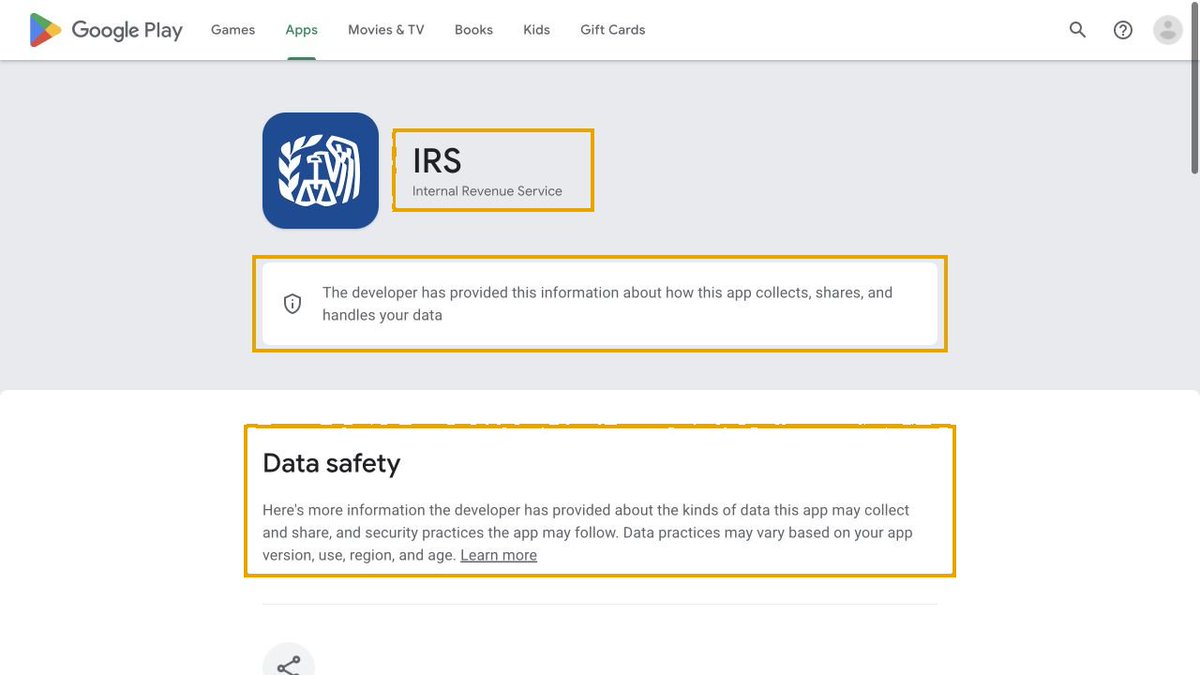
I looked at the IRS app's public privacy disclosures. Here's what I found.
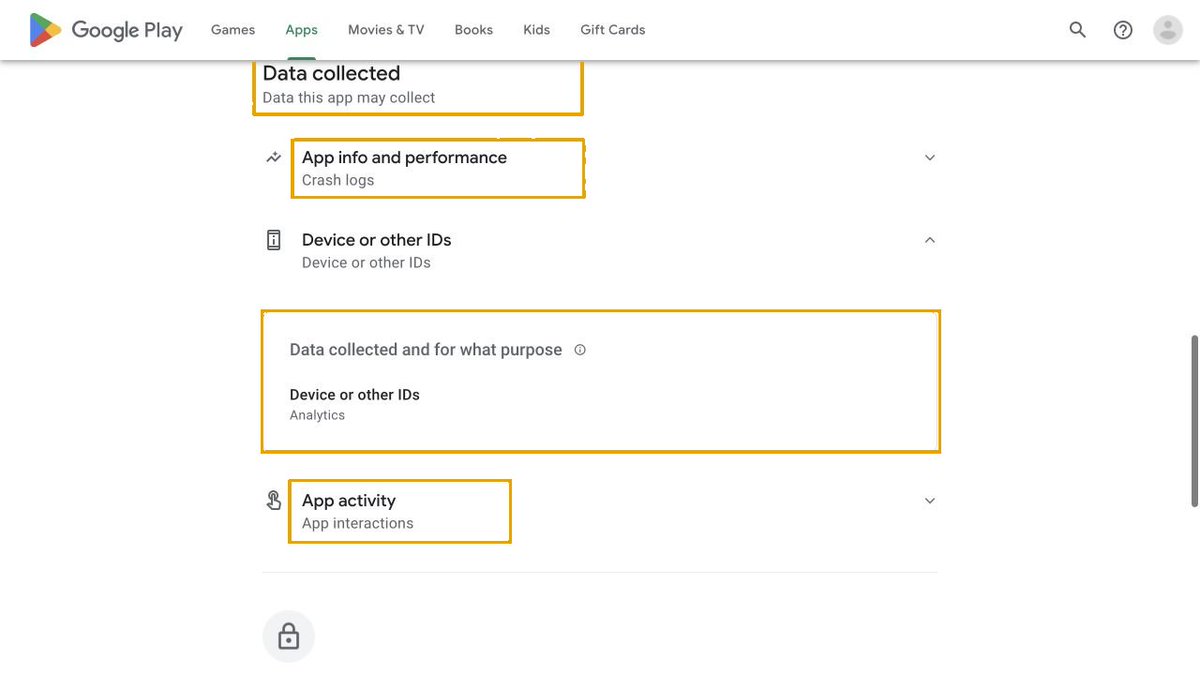
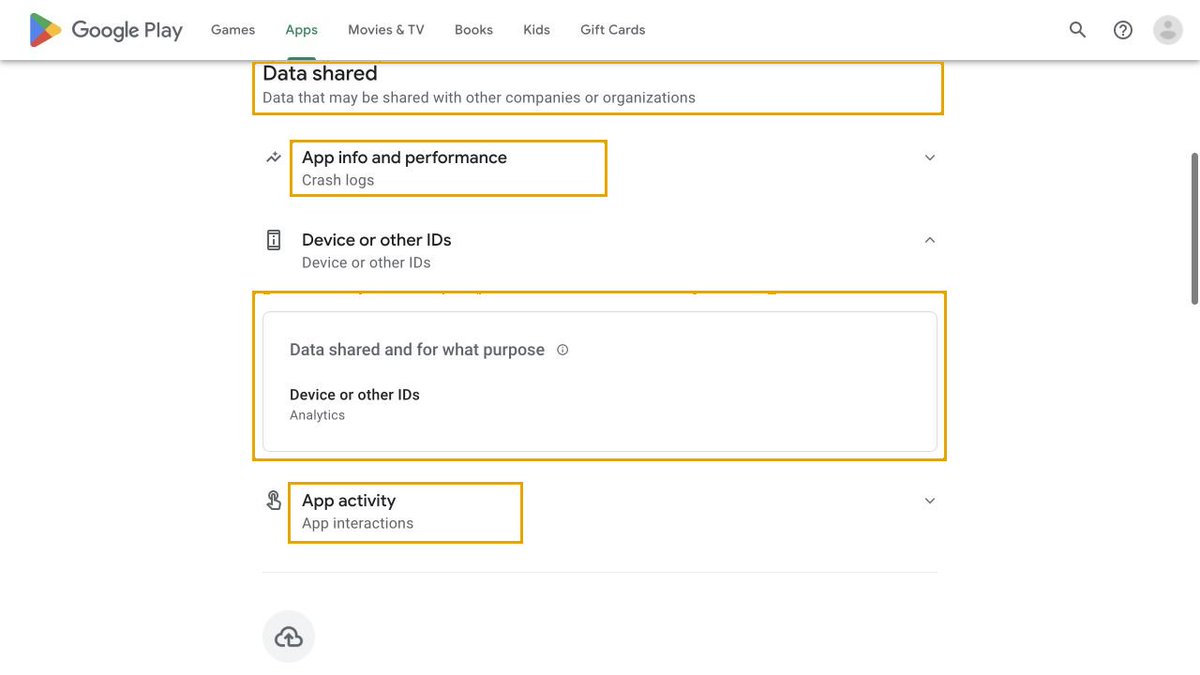
On Google Play, the developer-provided label lists crash logs, app interactions, and device or other IDs as data the app may collect and may share with other companies or organizations. For device or other IDs, it lists Analytics as the purpose.
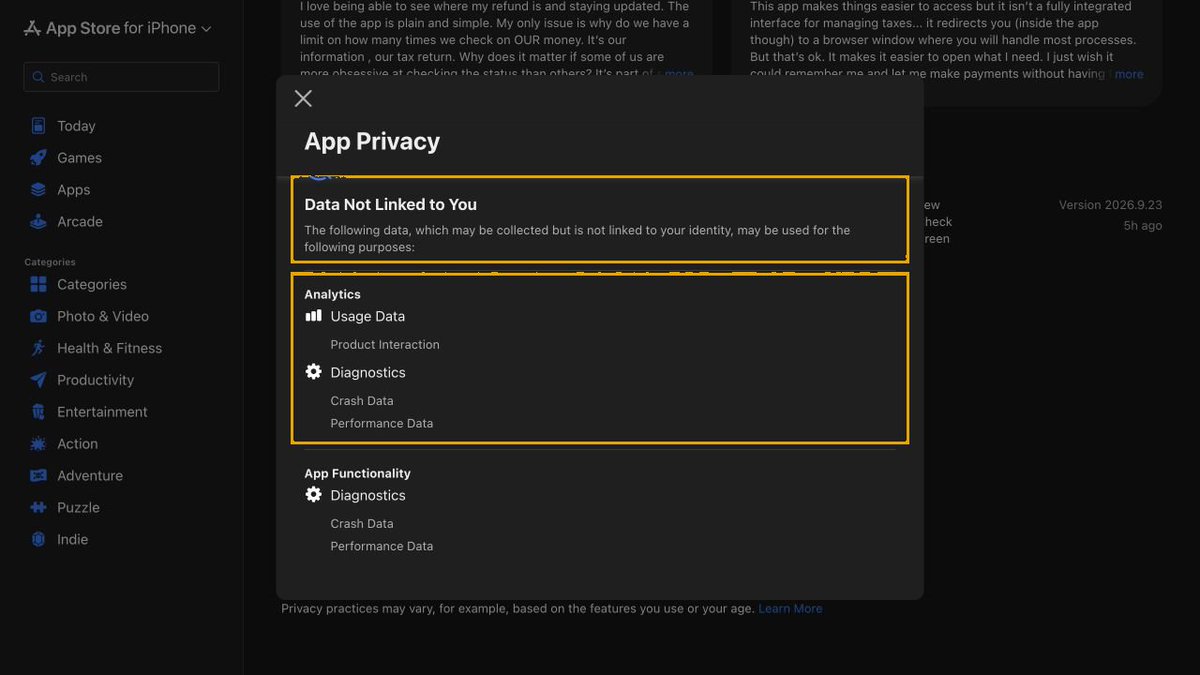
The App Store label says usage and diagnostic data may be collected for analytics but are not linked to your identity. It separately lists a user ID linked to identity for app functionality.
Both listings link to the general IRS privacy policy. It covers https://t.co/WS8EBi9nSM and its online applications, but does NOT explain the mobile app's analytics practices.
The IRS's public PIA index links “The IRS app” to an IRS2Go assessment approved in June 2020. That document predates this release and does NOT discuss analytics.
With the app now offering tax records, notices, and bank account updates, could the IRS prominently link the current mobile app privacy notice and applicable assessments from its app page and store listings?
It would help to know which providers receive which data, which identifiers are used and whether they can be linked to taxpayer accounts, how long the data is kept, and what users can turn off.
It would also help to confirm that tax identifiers, bank details, document contents, and authentication tokens are excluded from analytics and crash reports.
These are requests for clarity and verification. I only reviewed public pages and their expanded disclosures.
The screenshots highlight the relevant disclosures.
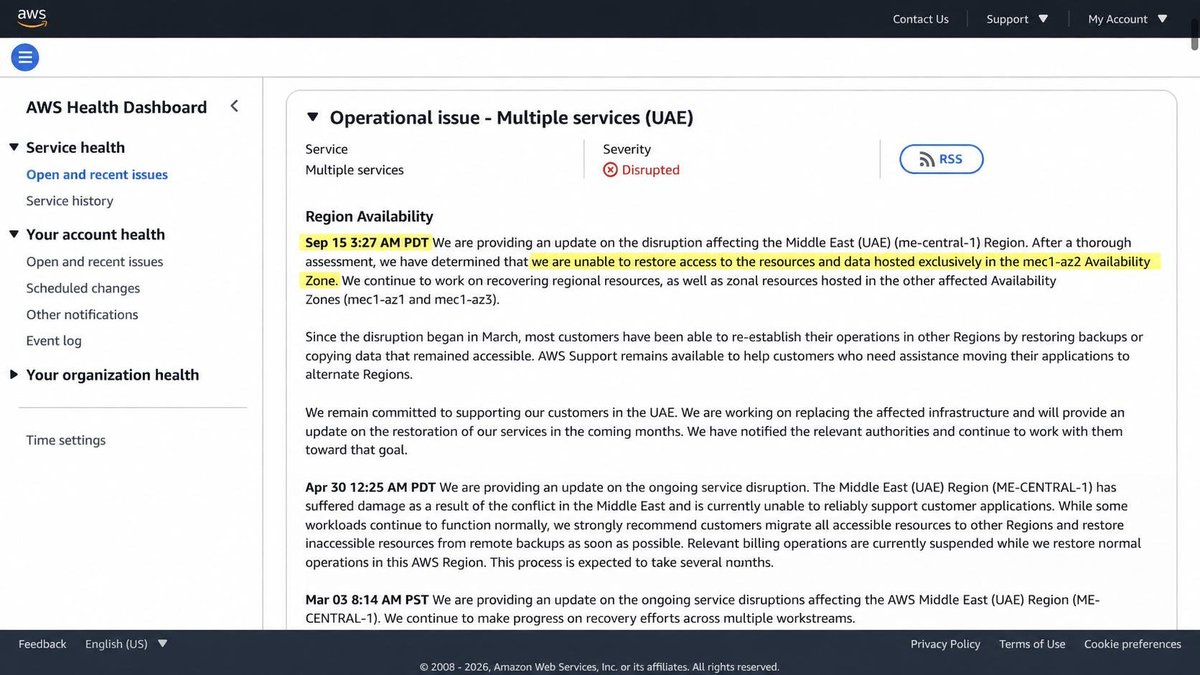
3 copies of your data can still be vulnerable to the same disaster.
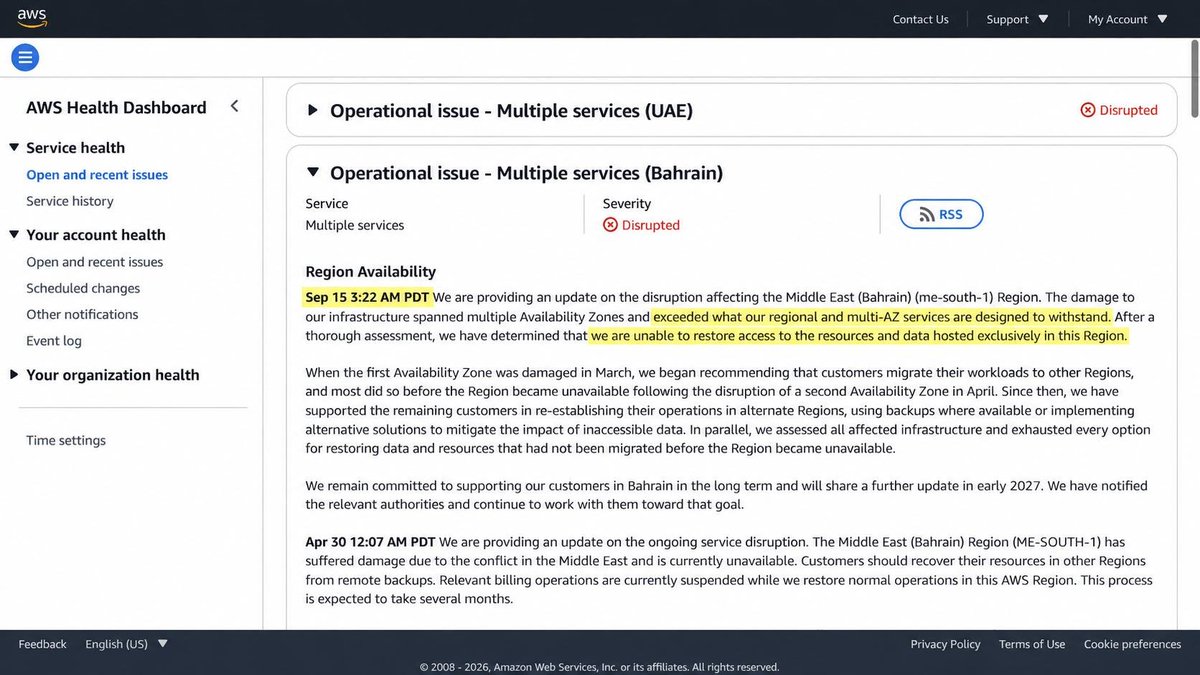
That's what stood out to me about the AWS data loss in Bahrain and the UAE. AWS said it couldn't restore access to data hosted exclusively in its Bahrain region or in an affected UAE availability zone.
3-2-1 backup rule is a good place to start: 3 copies, on 3 different types of media, with 1 copy offsite.
For me, the real question is what could take out every copy at once.
Multiple availability zones give you protection within a cloud region. Surviving the loss of that region requires a recovery plan that reaches beyond it. Even then, the location matters.
If you need your data to stay in the US, you have more room to work with. AWS has 4 commercial US regions: N. Virginia, Ohio, N. California, and Oregon. Keeping data in the country doesn't force you into one region.
Pair an eastern region with a western one. Ohio and Oregon, for example, are far apart and on different major power grids, which lowers the odds of one regional disaster hitting both.
For data you can't afford to lose, I would also keep a recoverable copy outside AWS, still in the US.
A different provider's US storage or an encrypted offline copy you control adds protection against a problem affecting your provider. Make sure you can access that copy and its encryption keys independently.