Today is Africa Day. And here is a fact most Africans have never been taught.
Between 500 BCE and 700 CE, a civilization called the Garamantes built 750 kilometers of underground irrigation tunnels beneath the Sahara Desert in what is now Libya. They had no river. They built gravity-fed channels that pulled water from deep aquifers and turned desert into farmland that fed a population of 50,000.
They grew grapes, figs, wheat, olives and dates in the middle of the Sahara.
Modern engineers still study these tunnels today for sustainable irrigation solutions. But this is not taught in most African schools. Just like the building techniques, the craftsmanship, and the engineering knowledge before it, we are losing it without ever knowing we had it.
The world does not reward potential. It rewards proof. Nobody cares how intelligent, talented, or visionary you believe yourself to be if your life produces no visible evidence of it.
Personal update: I've joined Anthropic. I think the next few years at the frontier of LLMs will be especially formative. I am very excited to join the team here and get back to R&D. I remain deeply passionate about education and plan to resume my work on it in time.
I have been chewing on this quote from @paulg:
"Once you've found something you're excessively interested in, the next step is to learn enough about it to get you to one of the frontiers of knowledge. Knowledge expands fractally, and from a distance its edges look smooth, but once you learn enough to get close to one, they turn out to be full of gaps."
In the West, that frontier usually means new technology.
In Africa, it more often means going deep into the nuances of markets and industries; the ones that look broken from the outside, and are, but for reasons that are inherently complex.
Dangote isn't operating at the frontier of knowledge in cement or refining; not the way a scientist building the next language model is, or the way my friend @GillVerd is, trying to roll out quantum chips.
Dangote is operating at the frontier of contextual knowledge in his markets: the local dynamics, the opaque regulators, the mafias, the power brokers, the FX restrictions, the informal trades.
In other words, Contextual knowledge more akin to a perpetual chess game rather than, as YC would say, "building something people want."
Both are frontiers. Both look smooth from a distance, and full of gaps once you get close.
The quote still stands; it just travels further than Graham probably intended.
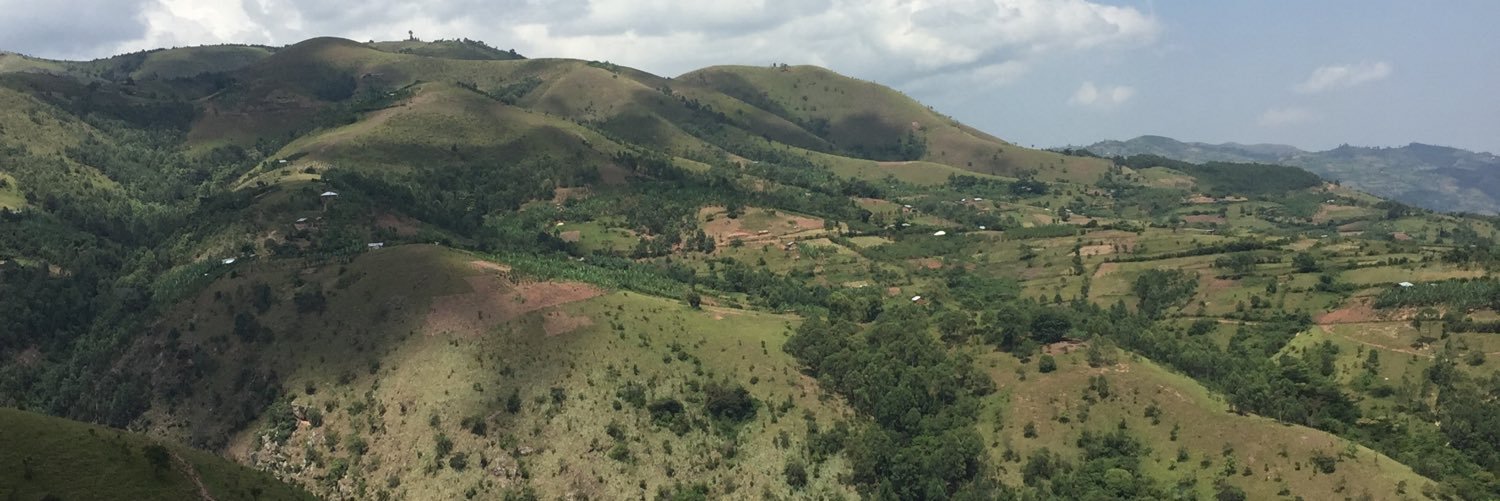
People underestimate how deeply an environment shapes the human mind. Imagine waking up every morning to clean roads, proper drainage, minimal dust, organized surroundings, safe walkways, and streets that actually feel cared for. Eventually, your mindset changes. You begin to think clearer, dream bigger, and expect better from life itself.
The brain is designed to learn through constant repetition and active, hands-on involvement. Through such practice and persistence, any skill can be mastered.
This is what brick looks like when it’s not holding back.
Curved walls. Clay roof. Perforated screens filtering light into every corner.
The material didn’t change. The imagination did.
This is the house brick builds when someone actually lets it. 🧱🤏🏾
If your child becomes a reader, about 80% of the education job is already done. That's my honest assessment after working in education for over thirty years. Everything else is secondary. Most parents think science education is important. Yes it is. But if you can't read the biology textbook, you're not going to learn biology.
Reading is the meta-skill that enables all other skills. History requires reading. Science requires reading. Even math increasingly requires reading as it becomes more sophisticated. The child who reads voraciously will figure out everything else. The child who doesn't will struggle with everything.
When I was a Youth Pastor, in my mid-20's, a very wise and experienced pastor told me:
"You focus on the depth and integrity of your ministry, and let the Lord take care of the width and platform of it."
I wrote that advice in my Bible, and have never forgotten it.
This is the year of the power of salvation. The power of the salvation of the Lord shall be revealed to His people through a great deliverance, a resounding victory, prosperity, health and preservation that can only be by God. Believe it!
https://t.co/olsqr3TRwK
#NightOfPrayer2025 | #LiveNow
“Yesterday, I quit my unpaid, full-time job. No two-week notice, no exit interview—just me setting down a homemade cake, grabbing my purse, and walking out the door of my daughter Jessica's house.
I'm Eleanor, 64, a retired nurse from suburban Pennsylvania, living on Social Security. But for the past six years, my real occupation has been grandmother extraordinaire: chauffeur, cook, cleaner, tutor, and disciplinarian to my grandsons, Noah (now 9) and Liam (7).
Jessica and her husband Mark have demanding careers—she in marketing, he in finance. When Noah arrived, childcare costs loomed large, and strangers weren't an option. "Mom, you're the only one we trust," Jessica pleaded. So I became their safety net, their "village."
My days started at dawn: drive over, prepare wholesome breakfasts (no shortcuts for Liam's picky palate), school drop-offs, endless laundry and cleaning, pickups, extracurricular shuttles, homework battles, and enforcing the rules that kept everything running smoothly.
I was the reliable one—the enforcer of bedtime, vegetables, and kindness. The one who said "no" when needed.
Then there's Sharon, Mark's mother. She lives luxuriously in Florida, visiting sporadically with her polished look and lavish gifts. She's the occasional visitor, the "Glamma" who swoops in with excitement and zero daily grind.
Noah's 9th birthday party crystallized everything.
I'd spent months knitting a weighted blanket in his favorite colors to help with his sleep issues—a labor of love amid my tight budget. I baked a decadent chocolate cake from scratch and cleaned the house spotless.
Sharon arrived fashionably late, armed with high-end gaming tablets for both boys. No limits, no controls—just pure indulgence. The kids went wild, abandoning everything else.
Noah barely glanced at my gifts. "Not now, Grandma El," he muttered, glued to the screen. "Nobody wants a blanket. You're always so boring."
Jessica dismissed it: "Mom, he's excited about tech. Sharon's the fun one; you're the everyday one. Different roles."
The "everyday" one. Useful, but invisible.
Something broke in me then. Quietly, I folded the blanket, removed my apron, and announced I was done.
Done being the unpaid infrastructure while others got the glory.
Jessica panicked about her schedule. Sharon quipped about "menopause drama." But I left.
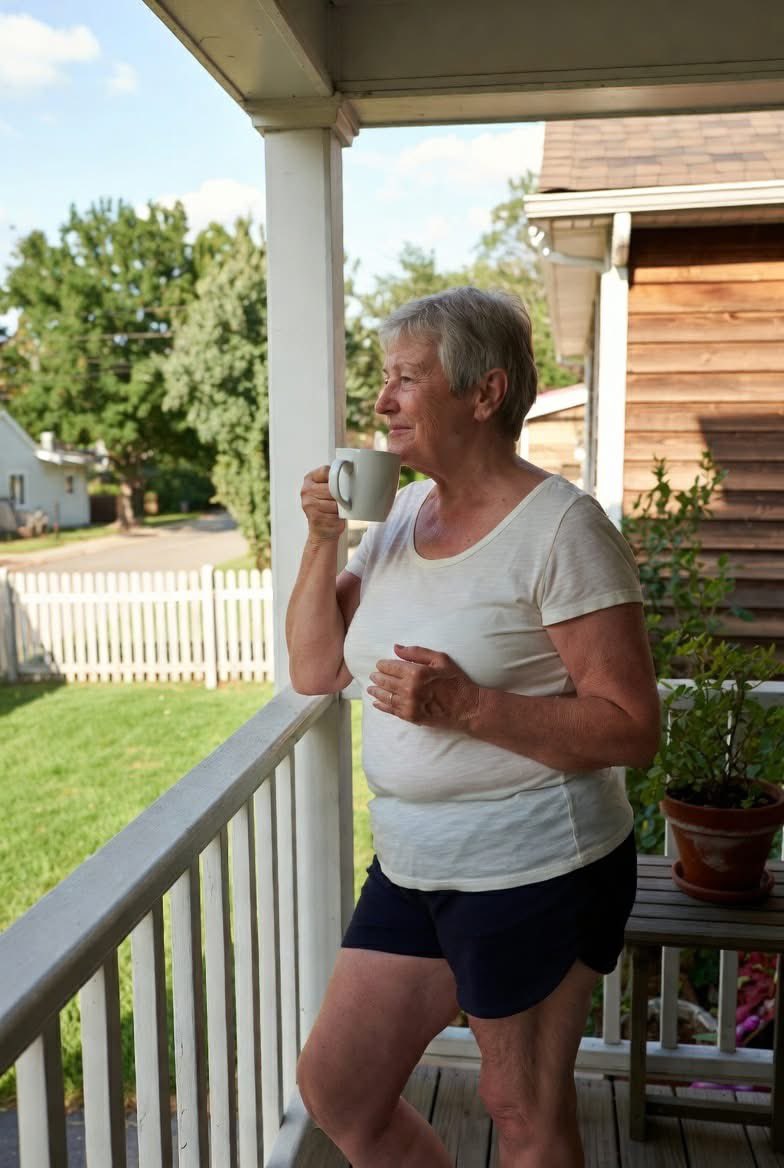
For the first time in years, I slept in, sipped coffee on my porch, and felt my aches ease.
Texts flooded in—anger, apologies, pleas. I've gone silent.
I adore my grandsons fiercely. But love isn't endless self-erasure. In today's world, we've twisted family support into exploitation, expecting grandmothers to fill gaps without appreciation or boundaries.
If they want the structure I provide, it'll come with respect. For now, I'm retired—for real this time. Maybe I'll try pickleball. Turns out, even "everyday" grandmas deserve some fun.”
.
Ai image is for demonstration purpose only.
.
Credit: Mjc Mathew
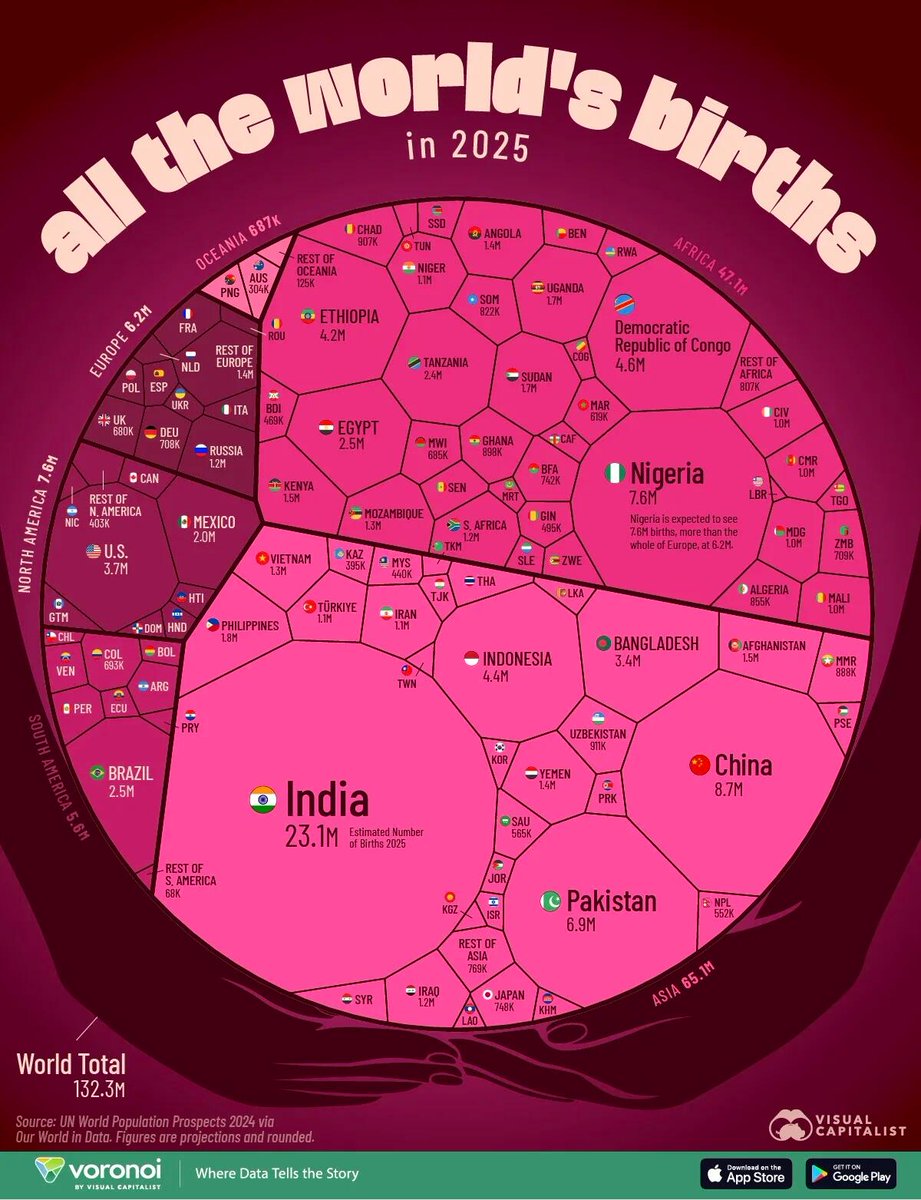
🚨 NIGERIA WILL HAVE MORE BIRTHS THIS YEAR THAN ALL OF EUROPE - THE MAP IS BEING REDRAWN
India: 23 million births in 2025. One in six humans born this year will be Indian.
Nigeria: 7.6 million births. More than Germany, the UK, France, Italy, Spain, Poland, the Netherlands, and Romania combined.
Europe's total: 6.3 million across the entire continent.
Japan, once a demographic powerhouse, will see fewer than 750,000 births. South Korea: 245,000. These aren't rounding errors - they're extinction-level fertility rates for advanced economies.
China is at 8.7 million despite decades of decline.
Africa has eight countries in the top 30 for births, and the Democratic Republic of Congo alone will produce 4.6 million - more than the entire United States.
Here's what the data actually means: economic power, military capacity, consumer markets, and geopolitical influence follow population over the long term. Europe is debating pension reform while Africa is building the world's youngest workforce.
Germany can't staff its factories. Nigeria can't employ its youth. One has capital and aging infrastructure. The other has surplus labor and resource wealth.
The 21st century's power map isn't being drawn in boardrooms - it's being determined by maternity wards in Lagos, Kinshasa, and Delhi.
Demographics aren't destiny, but they're a hell of a down payment.
Source: Visual Capitalist, UN World Population Prospects
A Christian employee who gossips and shows up late ruins their witness. We glorify God by:
∙ Being on time
∙ Working with joy
∙ Striving for excellence
Your work ethic is a reflection of your faith.
Real Luxuries in Life
1. Living 10 minutes from work
2. Living 5 minutes from the gym
3. Having quiet neighbors
4. Having money left at the end of the month and investing it
5. Peace at home
6. Drinking coffee without rushing
7. Sleeping with a clear conscience
8. Laughing with people who truly get you
9. Traveling every year
10. Waking up naturally without an alarm
11. Enjoying a home-cooked meal with loved ones
12. Having time to read a book in one sitting
13. Finding joy in simple daily routines
14. Having a pet that greets you happily at the door
These are the things that actually feel rich.