Trump’s approval numbers in Europe are absolutely brutal. Negative in nearly every country — and catastrophic in many.
America’s global reputation has taken a terrible hit. It will take many years for our country to recover from the harm that Trump has done.
Software horror: litellm PyPI supply chain attack.
Simple `pip install litellm` was enough to exfiltrate SSH keys, AWS/GCP/Azure creds, Kubernetes configs, git credentials, env vars (all your API keys), shell history, crypto wallets, SSL private keys, CI/CD secrets, database passwords.
LiteLLM itself has 97 million downloads per month which is already terrible, but much worse, the contagion spreads to any project that depends on litellm. For example, if you did `pip install dspy` (which depended on litellm>=1.64.0), you'd also be pwnd. Same for any other large project that depended on litellm.
Afaict the poisoned version was up for only less than ~1 hour. The attack had a bug which led to its discovery - Callum McMahon was using an MCP plugin inside Cursor that pulled in litellm as a transitive dependency. When litellm 1.82.8 installed, their machine ran out of RAM and crashed. So if the attacker didn't vibe code this attack it could have been undetected for many days or weeks.
Supply chain attacks like this are basically the scariest thing imaginable in modern software. Every time you install any depedency you could be pulling in a poisoned package anywhere deep inside its entire depedency tree. This is especially risky with large projects that might have lots and lots of dependencies. The credentials that do get stolen in each attack can then be used to take over more accounts and compromise more packages.
Classical software engineering would have you believe that dependencies are good (we're building pyramids from bricks), but imo this has to be re-evaluated, and it's why I've been so growingly averse to them, preferring to use LLMs to "yoink" functionality when it's simple enough and possible.
New Swift News out now!
- 2025: The Year SwiftUI Died
- Liquid Glass design tips
- Optimize your app's performance
- Swift Student Challenge
- Challenges of indie dev life
- 100 indie app tips
Video - https://t.co/Pf36UXMiD1
GitHub Copilot is smart, but it can’t read your mind. 🧠
Think of custom instructions like onboarding a new teammate. You need to transfer that "institutional knowledge" to get the best results:
🛠️ The stack
📋 The rules
🎯 The goal
Here are 5 tips to write instruction files that actually work. ⬇️
https://t.co/jGqmv5jMpN
"Developers aren’t being replaced, they're evolving."
We’ve all heard the line. But what does that actually mean?
Lead Researcher Eirini Kalliamvakou spent months interviewing advanced AI users to uncover exactly how their day-to-day work is shifting.
The verdict? They aren't just faster. They're working differently.
Get the insights. ⬇️
https://t.co/Tc01zVysn4
Weekend project:
Deploy your Aspire app to any Linux server with Docker using SSH + Docker Compose, with HTTPS!
→ builds
→ pushes images to ghcr
→ SSHes into your box
→ runs docker compose up
And it includes CI/CD support: generate a GitHub Actions workflow that builds + deploys on every push.
Template: https://t.co/smOfNoGEdE
Perfect for small teams and VPS deployments.
#aspire @aspiredotdev
Just found awesome-copilot.
Handy repo of instructions, prompts, and configs for enhancing GitHub Copilot.
Lots of interesting examples in here have me thinking creatively about how to leverage Copilot effectively.
https://t.co/EGHtaf3b1M
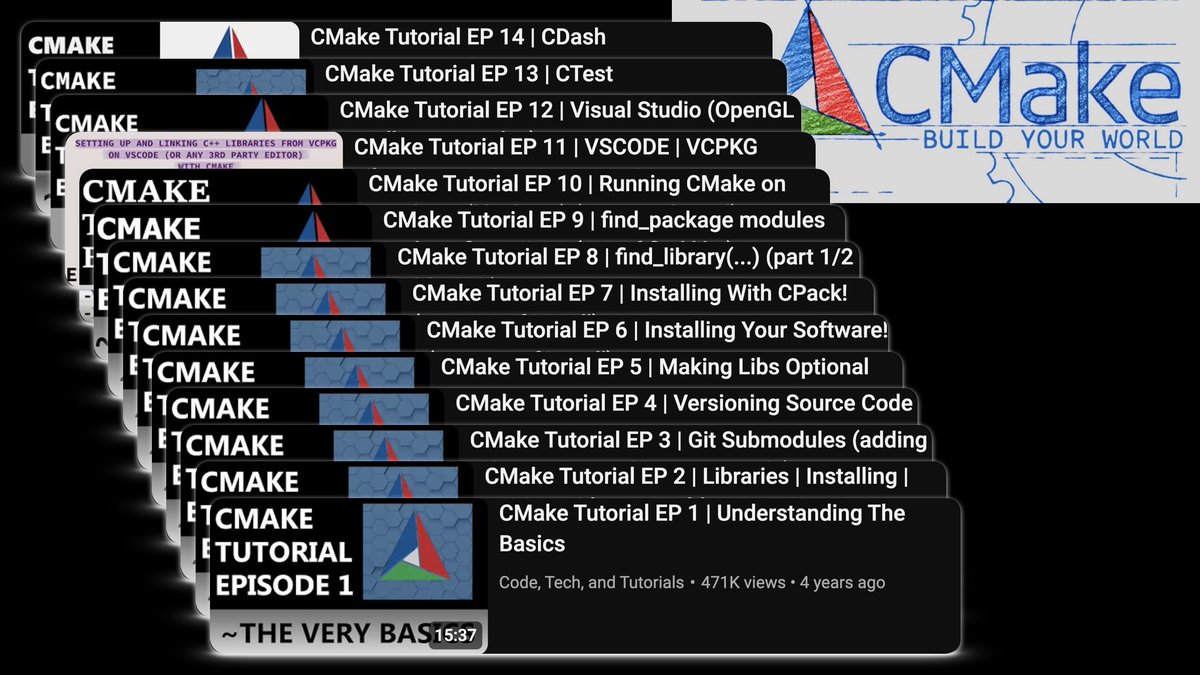
🛠️ CMake for Beginners
Many C, C++, and other projects utilize CMake as the build system. It's quite a powerful system with many features, but it can be overwhelming for beginners.
The two resources below will help you overcome it easily. The first is a video providing a quick intro to get you off the ground, and the other is a detailed playlist that will help you dive deep to understand all the bells and whistles.