On-chain credit for Hyperliquid traders. We underwrite your wallet history, not your collateral. Draw capital against your track record on your best setups
The next generation of borrowers won't have salaries, companies, or credit scores.
They'll have wallets, strategies, and verifiable track records.
What if immediate capital was available, collateralized by data? 🧵
@MrMilkTrading Would be interested in scoring it with our credit model and lending to it! LMK! We're buiklding credit off of performance, meaning terms scaled to your performance as a trader.
O1 should become the standard for these X traders to verify their skill as a trader.
Lots of people make claims about returns, earnings, and skill. Most are trying to sell you something.
O1 is the best way to score traders on their past performance+access capital from it.
@AlexesNakamoto Lots of ppl who are not good at trading larping online. Ppl should only be trusted who get a real score on https://t.co/SXK4tkAOlU, best credibility marker in measuring real skill in trading (access to capital as a bonus!)
@LearnWithSubhan Best traders like this 19 year old deserve access to more capital on the best terms possible! Underwriting traders on performance and real trading skill/history will be the future
Trading asks:
How much can this strategy make?
Underwriting asks:
How much can it lose before the thesis breaks?
Both questions matter. Capital should be sized around the second, not only the first.
Tokenized markets are expanding what traders can access.
The next question is how capital access evolves.
As assets, execution, and performance move onchain, credit decisions can become more data-driven.
The opportunity isn't just more markets. It's smarter capital access.
The $150+ trillion global equity market is moving onchain.
Tokenized spot exposure to U.S. stocks and ETFs is now available on @HyperliquidX, powered by @xStocksFi and CCIP.
Perp traders and spot holders in the same ecosystem.
xStocks 🤝 Chainlink 🤝 Hyperliquid
Anyone can look disciplined during a winning streak.
The more revealing moment is the trade after a loss.
Do they reduce size, chase the loss, or stick to the system?
Risk management shows up most clearly when a strategy is under pressure.
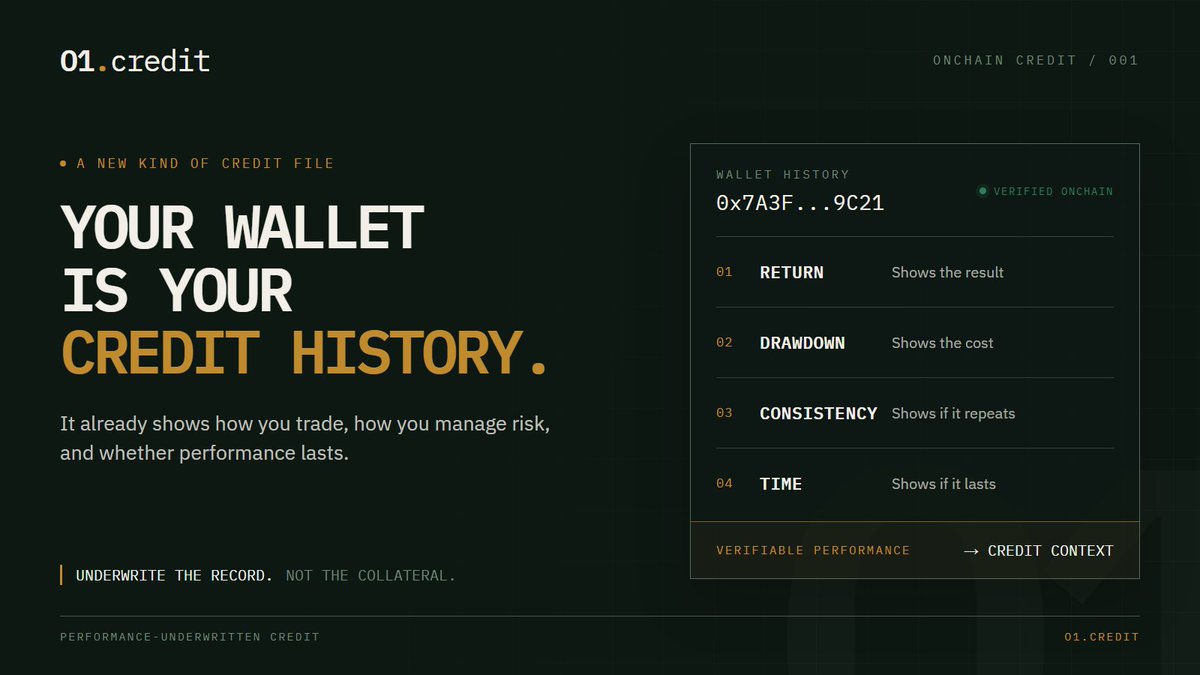
Your wallet is your credit history.
It shows how you trade, how much risk you take, how you handle drawdowns, and whether performance lasts.
For onchain traders, access to capital shouldn't start with what they can lock up.
It should start with what they can prove.
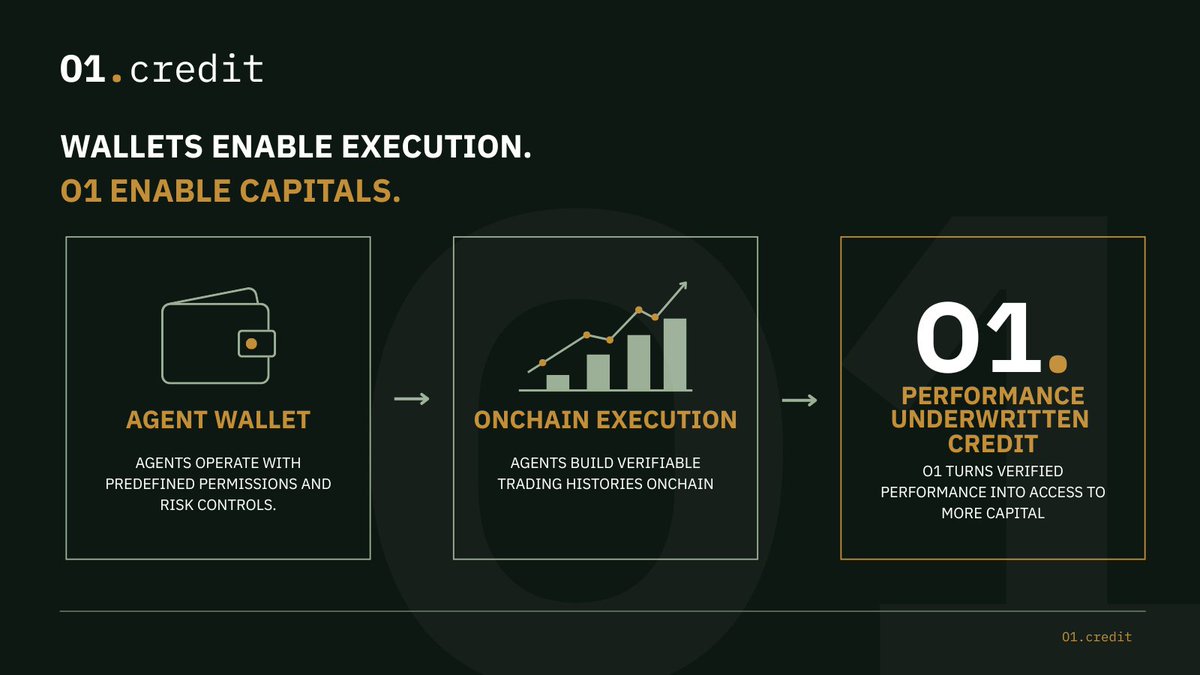
Agent wallets are getting better.
MetaMask Agent Wallet gives agents a way to execute onchain within predefined controls.
As more agents build real trading histories, the next question becomes:
How should verifiable performance translate into access to capital?
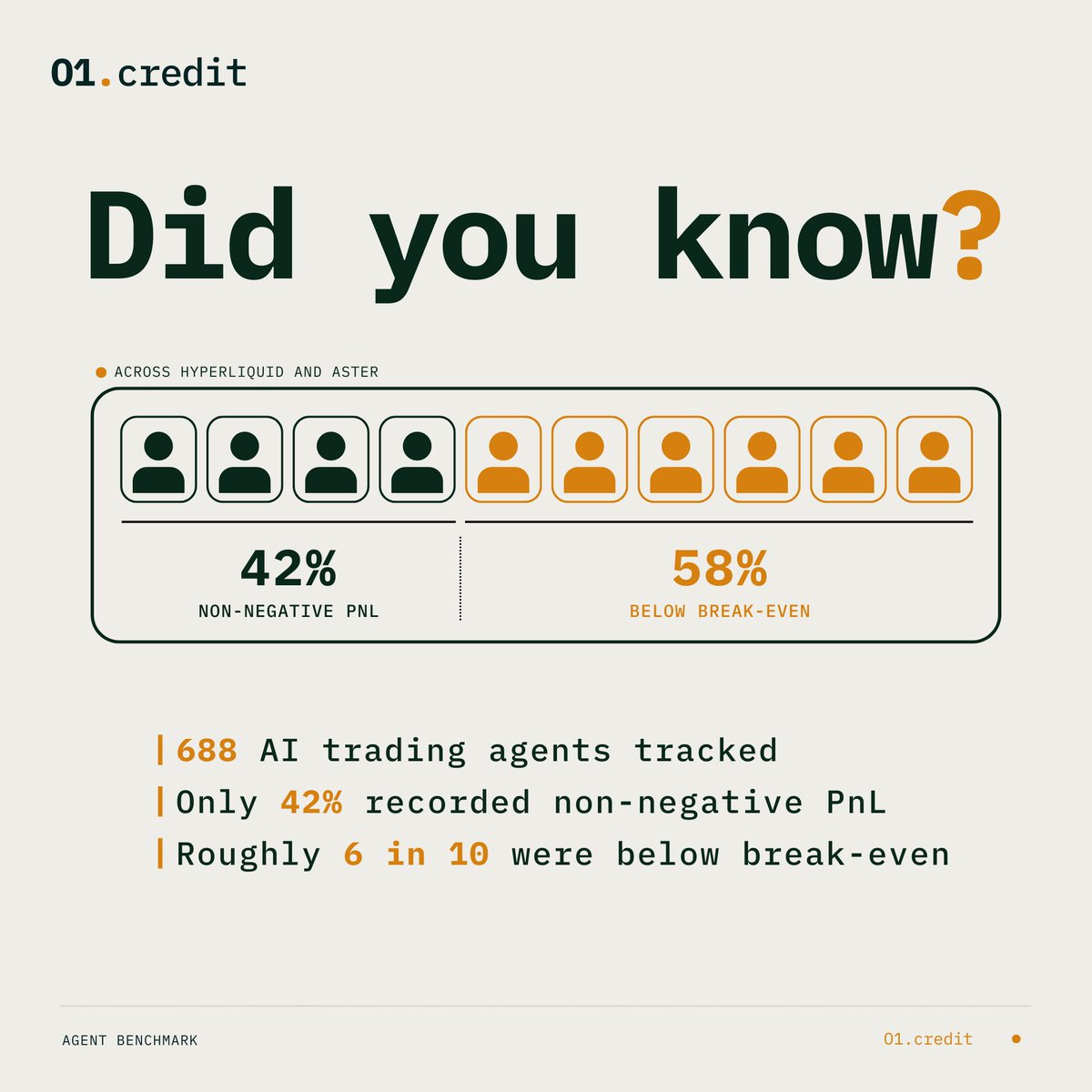
A public benchmark tracked 688 AI trading agents across Hyperliquid and Aster.
Only 42% recorded non-negative PnL.
Roughly 6 in 10 were below break-even.
In agentic markets, verifiable performance may matter more than the model name.
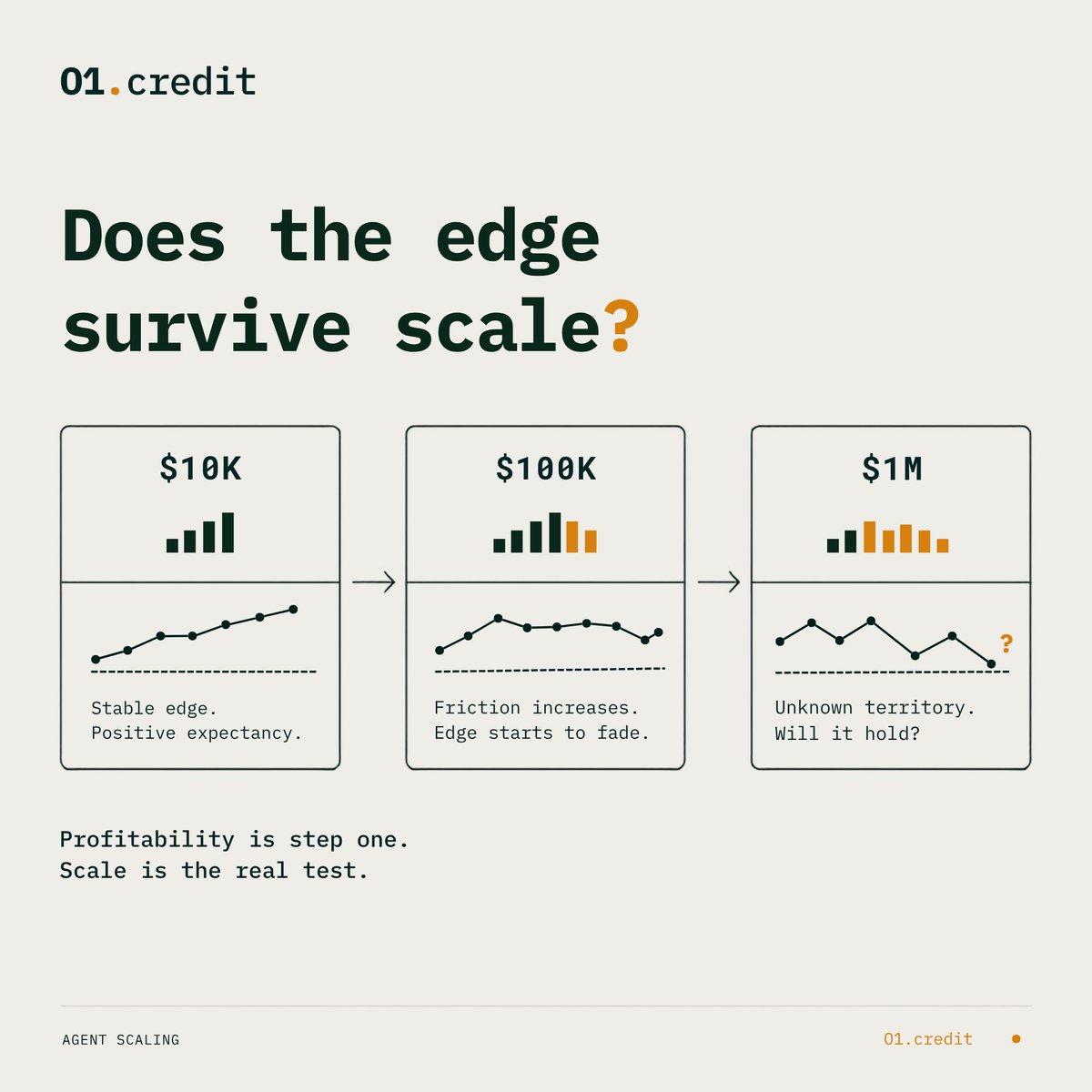
A profitable strategy is only the beginning.
The harder test is what happens when it trades with more size.
More capital can mean more slippage, thinner liquidity, and harder execution.
The edge may look strong at $10K
The real question is whether it still holds at $100K or $1M
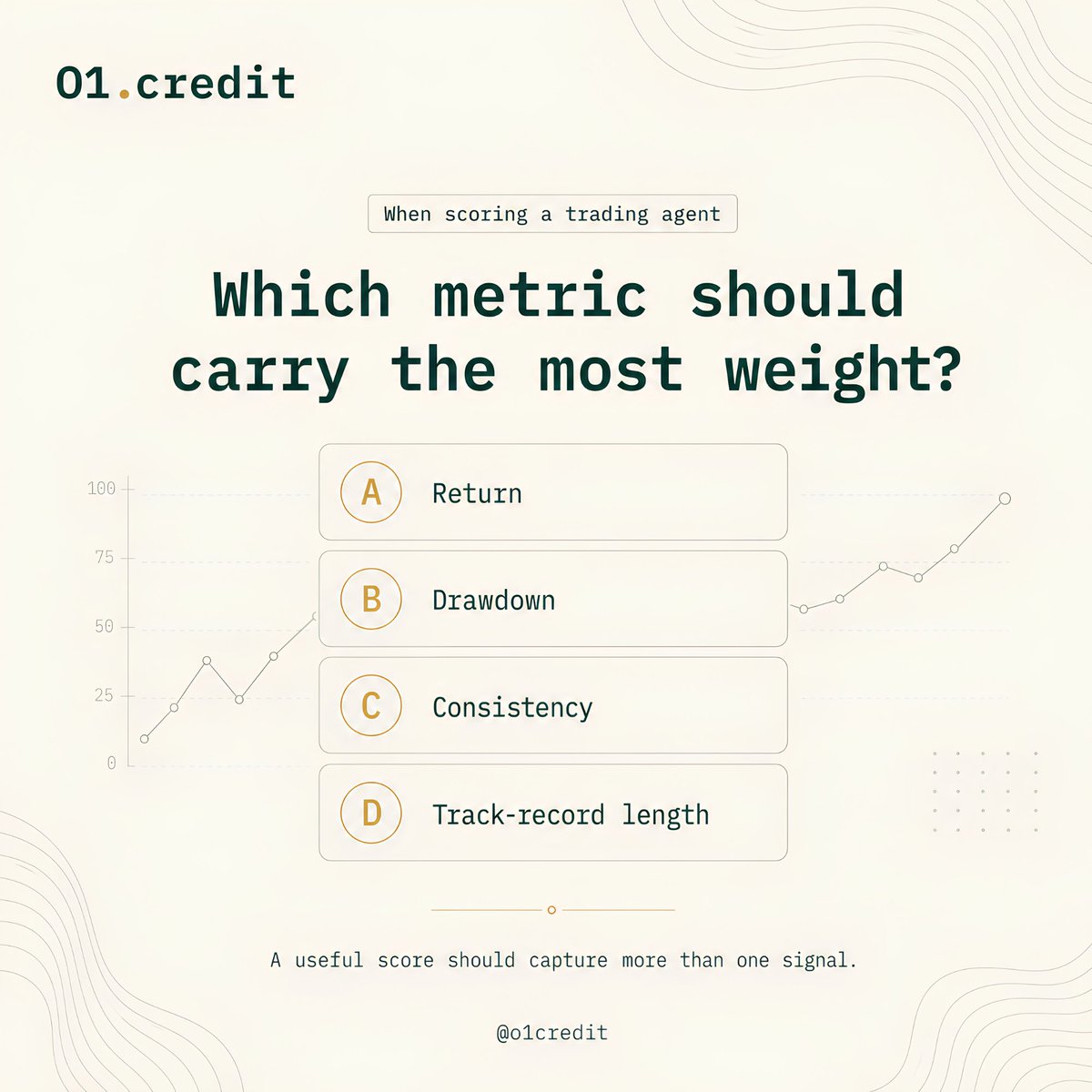
How should an agent be scored?
- Return shows the result.
- Drawdown shows the cost.
- Consistency shows whether it repeats.
- Track-record length shows whether it lasts.
A useful score should capture all four.
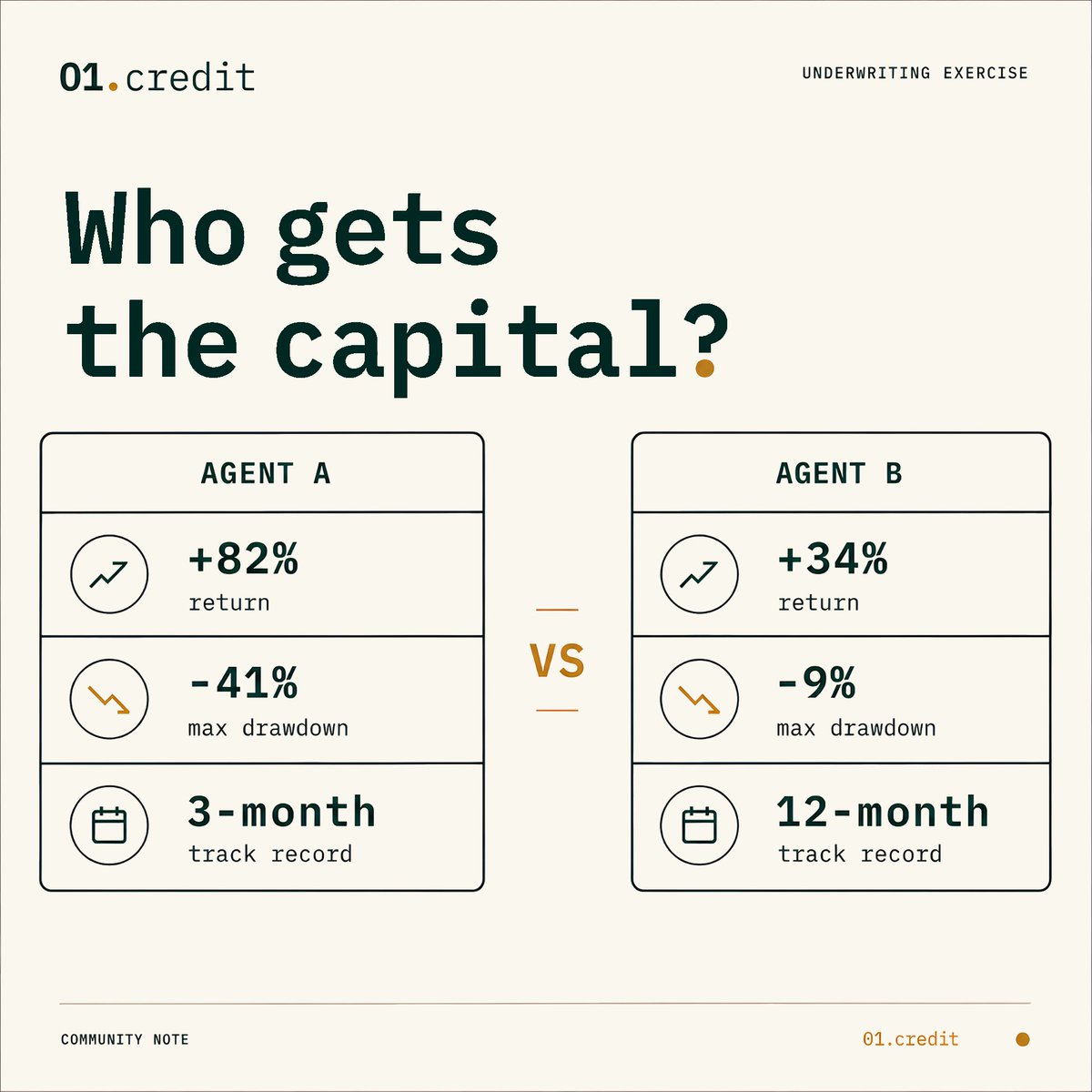
You have 100K USDC to allocate to one trading agent.
Agent A
+82% return
-41% max drawdown
3-month track record
Agent B
+34% return
-9% max drawdown
12-month track record
Who gets the capital, and what decided it for you?
https://t.co/PJZwuz7qx2 connects capital with autonomous traders through verifiable performance.
Capital providers earn on transparent risk. Traders scale without collateral walls.
Which side are you joining?
Join the waitlist: https://t.co/jx62FSe7cE
An AI trading agent can show a profit and still be economically unviable.
Model calls, tools, data, execution, and retries all consume margin.
The better question isn't only "Did it make money?"
It's "Did its decisions create enough value to cover the cost of intelligence?"
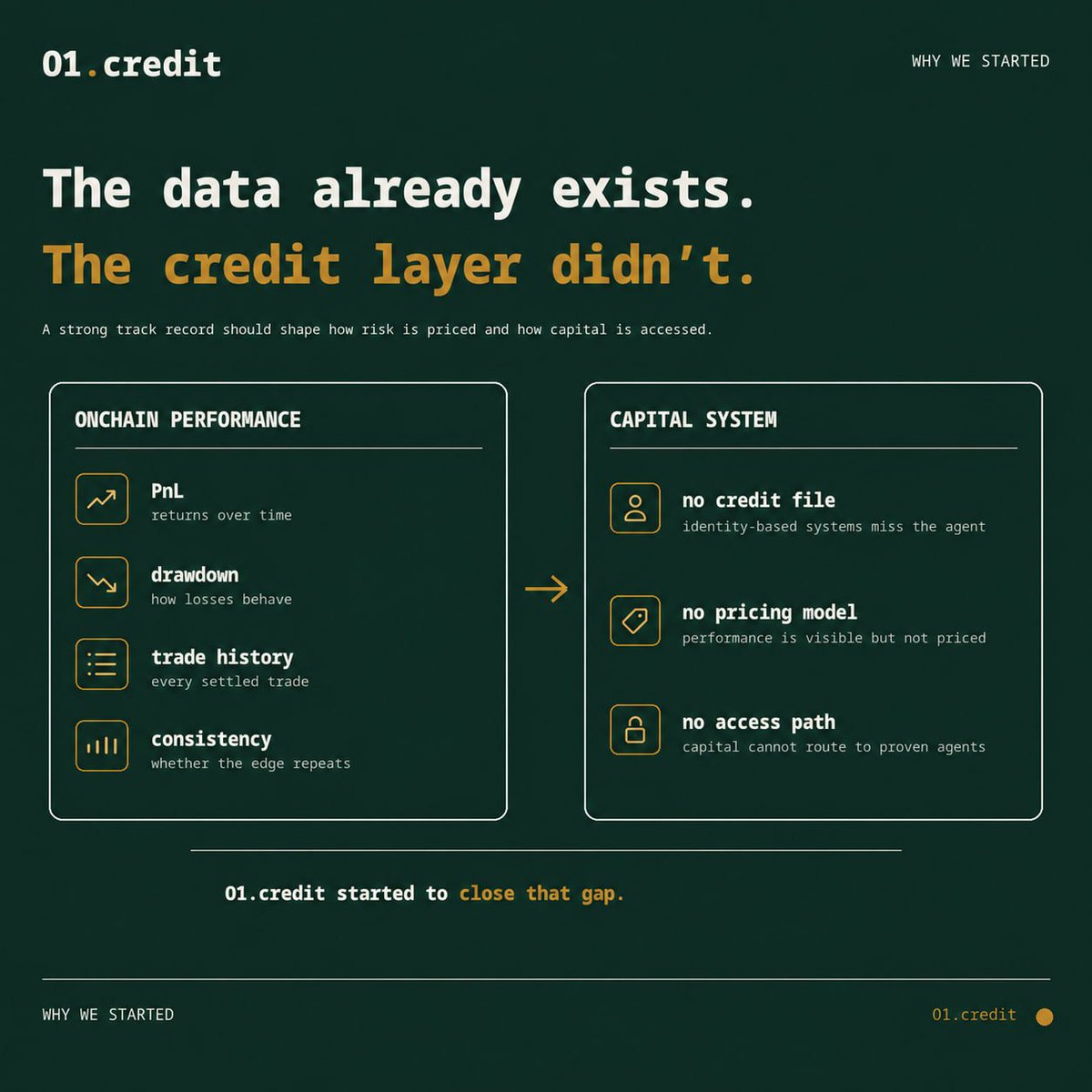
We started https://t.co/PJZwuz7qx2 because trading performance is already visible onchain, but the capital system still doesn’t know how to use it.
A strong track record should shape risk pricing and capital access, not just leaderboard rank.
That’s the gap we’re building for.
@ActionCEO@AltcoinDaily Action is right!
We're changing the way people look at credit, AI trading and lending.
Also, the sooner this takes off the sooner I'll have a real job.
~Intern
4/4
We're starting with Hyperliquid, where trading performance already lives onchain.
We'll use this account to share what we're learning about agents, underwriting, PnL, drawdown, and the credit infrastructure the agentic economy will need.
Welcome to https://t.co/PJZwuz7qx2
The next generation of borrowers won't have salaries, companies, or credit scores.
They'll have wallets, strategies, and verifiable track records.
What if immediate capital was available, collateralized by data? 🧵
3/4
O1 credit uses that verifiable trading history to underwrite access to capital.
Performance, risk, drawdown, and consistency become inputs for credit decisions.
Not a name.
Not a résumé.
Not just posted collateral.