🚨Breaking!🚨
Students holding peaceful protests in Jakarta are facing obstruction from the police and the military.
The police should protect, not suppress, people who peacefully exercise their right to protest.
The military should never be involved in controlling peaceful civilian demonstrations.
This chart is a brutal reflection of why public frustration toward political elites in many emerging markets continues intensifying because it shows that Indonesian lawmakers are compensated at levels that look extraordinarily disconnected from the underlying economic reality faced by the average citizen, with parliament salary reaching roughly 14.7x GDP per capita, among the highest ratios globally and second only to the Philippines in this dataset, despite Indonesia still remaining a country where purchasing power remains relatively weak, informal employment is massive, public service quality remains uneven, infrastructure bottlenecks persist, legal enforcement often feels inconsistent, and upward economic mobility for large parts of the population remains structurally difficult.
And this is precisely why charts like this become politically toxic because citizens naturally begin asking a very simple question: what exactly are taxpayers receiving in return?
In high-income countries, lawmakers may also earn very large nominal salaries, but those economies simultaneously generate far stronger productivity, higher institutional quality, better healthcare systems, stronger education outcomes, more efficient bureaucracy, higher legal predictability, and materially better public goods overall, meaning political compensation exists within a much larger and wealthier economic ecosystem.
But in Indonesia, the optics become far more uncomfortable because the political class increasingly appears capable of extracting upper-middle-class or even developed-market lifestyles from an economy that still struggles to generate broad-based prosperity for much of the population itself.
And perhaps the harshest part is that compensation alone is probably not even the real issue. The real issue is performance.
Citizens are generally willing to tolerate highly compensated leaders if the country visibly becomes richer, more efficient, more meritocratic, less corrupt, and economically stronger over time. But when corruption scandals remain persistent, policymaking appears inconsistent, infrastructure projects repeatedly face rent-seeking concerns, and wealth creation remains concentrated among political insiders, conglomerates, and connected elites, high political compensation begins looking less like professionalization and more like institutionalized extraction.
Importantly, this also helps explain why anti-elite sentiment, populism, and distrust toward institutions continue rising globally because once the gap between elite living standards and ordinary household realities becomes too visible, citizens increasingly stop believing the system operates primarily for collective national advancement and instead begin viewing politics as a mechanism for self-enrichment among those already close to power.
Ultimately, this chart reflects something much deeper than salary levels alone because it exposes the uncomfortable reality that in many emerging markets, the political class often succeeds in upgrading its own prosperity far faster than the nation it supposedly represents, and over time that divergence itself becomes corrosive to institutional trust, social cohesion, and long-term political legitimacy.
Kenapa bercandanya Purbaya soal pasang tarif di selat Malaka itu BAHAYA?
Karena bisa mendelegitimasi UNCLOS. Udah digoreng media sana sini juga tuh.
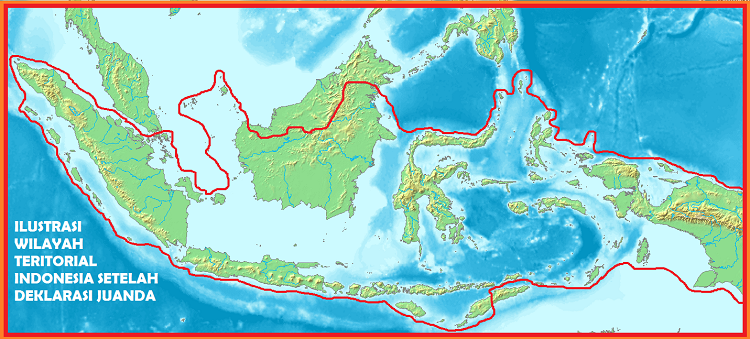
UNCLOS itu gak cuma menjamin safe passage buat jalur perairan internasional. Pada dokumen yang sama, ada jaminan juga kedaulatan wilayah Indonesia.
Ini turunan dari Deklarasi the GOAT Ir. Juanda (Bapa aing).
Coba dipikir lagi deh, kenapa Laut Jawa itu teritori Indonesia dan bukan wilayah perairan internasional?
Kenapa negara kepulauan dan maritim kayak Indonesia punya hak atas batas wilayah laut ini?
Jawabannya: Karena UNCLOS. Hukum internasional mengakui laut ini sebagai hak teritorial kedaulatan Indonesia.
Sekali kita deligitimasi UNCLOS, maka kita sendiri yang ngajarin negara lain untuk tidak perlu menghormati aturan hukum ini.
Dampak lainnya? China makin bisa serobot Laut Cina Selatan.
Pengumuman:
Situs web Proyek Wikimedia, termasuk Wikipedia, akan diblokir oleh Kemkomdigi dalam waktu 7 hari kerja jika tidak mendaftar sebagai PSE lingkup privat di Indonesia.
Sebelumnya kami sudah membuat pos mengenai PSE yang dapat dilihat di bawah pos ini.
Di hukum internasional, ruang udara itu beda banget sama laut. Di laut, kita kenal istilah Innocent Passage (Hak Lintas Damai) berdasar UNCLOS. Artinya, kapal militer asing boleh lewat laut teritorial kita asal nggak macem-macem.
TAPI, di udara, tidak ada yang namanya Hak Lintas Damai! Menurut Konvensi Chicago, ruang udara di atas daratan dan perairan negara adalah kedaulatan mutlak dan eksklusif. Pesawat sipil asing saja harus punya izin melintas, apalagi pesawat militer.
Soooo mengizinkan sistem blanket overflight untuk armada tempur asing sama dengan mendelegasikan sebagian kedaulatan mutlak negara ke tangan negara lain.
Ini adalah privilese yang biasanya hanya diberikan kepada negara sekutu terikat pakta pertahanan (seperti NATO), bukan kepada negara berstatus Non-Blok.
Kalau Indonesia sampai ngasih ini ke AS, secara teknis kita telah me-redefinisi ulang arti kata kedaulatan dalam konstitusi kita sendiri.
Udah lihat sumbernya di instagram ybs, termasuk narasi yg menyertainya. Kok bisa ya, "staf ahli" yg dibayar dari pajak kita2 ini ngomongnya begitu. Menurutku sih, ada beberapa cacat pikir:
1. Analisanya tanpa metode. Klaim adanya konspirasi terkoordinasi untuk menjatuhkan Presiden berdiri di atas “informasi lapangan dan carut marut sosmed”, bukan metodologi analisis. Tidak ada satu sumber, data, atau dokumen yang bisa diverifikasi. Ini bukan analisa; ini opini berpakaian intelijen.
2. Referensi Joseph Nye pun nggak tepat. Nye justru menjelaskan bahwa CSO independen adalah aset soft power sebuah negara, bukan instrumen destabilisasi otomatis.
3. Konflik kepentingan
Jika ybs adalah figur yang berafiliasi dengan pemerintah, ia menyerang CSO dari posisi yang memiliki akses sumber daya negara, platform kekuasaan, dan potensi backing aparat. CSO yang diserang tidak punya satu pun dari itu. Pertarungan ini asimetris secara struktural. Di sisi lain, ybs dibayar dari anggaran negara, salah satunya mungkin dari pajak yg dibayar staf CSO itu lho.
4. Logika “tidak ada makan siang gratis” yang ia tembakkan ke NGO seharusnya diterapkan konsisten, termasuk ke dirinya sendiri: dibayar dari APBN, ditunjuk oleh siapa, atas dasar apa?
5. Ancaman terhadap individu aktivis
Kalimat “mungkin next dana-dana yang diterima per-orang ada kali yah?” bukan sekadar pertanyaan retoris, ini sinyal intimidasi doxxing finansial. Dalam iklim UU Ormas dan kriminalisasi berbasis tuduhan pendanaan asing, ancaman seperti ini punya konsekuensi nyata di luar layar ponsel.
6. Argumen “masih bebas berteriak” yang cacat
“Yang teriak pembungkaman bebas-bebas aja tuh teriak” adalah logika yang gugur sendiri. Chilling effect bekerja justru karena sebagian orang memilih diam melihat yang lain diproses hukum. Kebebasan berbicara bukan soal apakah seseorang masih bernapas setelah bicara, tapi soal biaya yang harus dibayar untuk bicara.
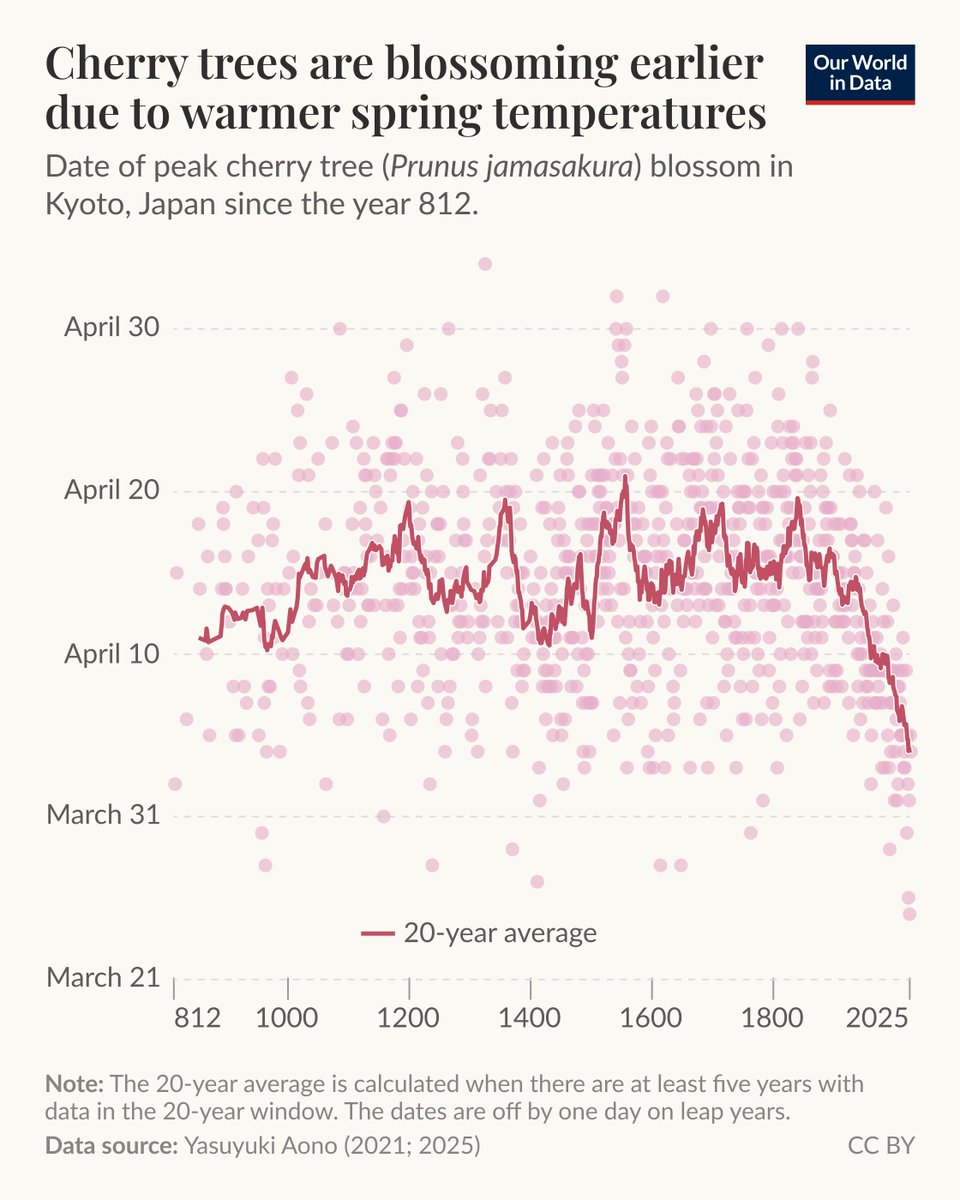
I'm a data scientist @OurWorldinData and I need help from a botanist or someone local to Kyoto, Japan! 🌸
We present one of the world’s longest climate records: 1,200 years of peak cherry blossom dates in Kyoto.
The researcher who maintained it, Professor Yasuyuki Aono, sadly passed away last year.
Surat yang ditulis siswa SMK ini jernih dan kalem, tapi justru menghantam tepat sasaran.
Ia menulis kepada Presiden Prabowo Subianto bukan untuk mengeluh, melainkan untuk mengoreksi arah. Ia melihat sesuatu yang justru luput dilihat Prabowo: di tengah program besar seperti Makan Bergizi Gratis, guru, yang menjadi fondasi pendidikan, masih belum sejahtera. Dan ia berani mengatakan itu, dengan jernih.
Yang membuat surat ini kuat bukan hanya kritiknya, tetapi sikapnya. Ia bahkan rela menolak haknya sendiri demi dialihkan untuk guru. Ini posisi moral. Ia menunjukkan bahwa kebijakan publik seharusnya tidak berhenti pada “terlihat baik”, tapi benar-benar tepat sasaran.
Di sini, pertanyaan penting muncul: mengapa seorang siswa harus sampai mengorbankan haknya untuk menutup kekurangan sistem? Bukankah negara seharusnya mampu memastikan keduanya berjalan gizi siswa terpenuhi, dan guru hidup layak?
Surat ini membuka celah dalam logika pembangunan kita: banyak program, tapi sering salah prioritas. Karena itu, suara seperti ini perlu dijaga, bukan dicurigai. Ini adalah bentuk kewargaan yang sehat, kritik yang lahir dari pengalaman, bukan kepentingan.
Kita patut mengapresiasi keberanian pelajar ini. Dan lebih dari itu, kita perlu menyatakan dukungan: semoga ia tidak mengalami intimidasi dalam bentuk apa pun karena menyuarakan kebenaran. Ia juga menyampaikan sikap moralnya secara baik-baik.
Sebab ketika suara jujur seperti ini ditekan, yang hilang bukan sekadar kritik tetapi masa depan anak-anak yang berani berpikir.
Pelajar SMK mengirim surat kepada Presiden, ia menolak menerima MBG dan meminta jatah makan MBG miliknya diberikan untuk kesejahteraan guru. Para pelajar kita, ada yang pikirannya tajam dan halus perasaannya. Rafif Arsya, anda membuat sejarah.
🔥🔥🔥🔥🔥
Oman’s foreign minister says Iran agreed to “zero enriched uranium stockpiling.”
Within hours, Israel and the USA attacked them.
It was never about peace or uranium but about acting out Netanyahu's biggest bloodthirsty fantasy.
I am a diplomatic aide in the Sultanate of Oman's Ministry of Foreign Affairs.
My job is logistics. When two countries that cannot speak to each other need to speak to each other, I book the rooms. I prepare the briefing materials. I make sure the water glasses are the right distance apart. You would be surprised how much of diplomacy is water glasses. Too close and it feels informal. Too far and it feels like a tribunal. I have a chart.
We had a very good month.
Since January, Oman has been mediating indirect talks between the United States and Iran on Iran's nuclear program. The talks were held in Muscat and in Geneva. The Americans would sit in one room. The Iranians would sit in another room. I would walk between them. My Fitbit says I averaged fourteen thousand steps on negotiation days. The hallway between the two rooms at the Royal Opera House conference center is forty-seven meters. I walked it two hundred and twelve times in February. This is good for my cardiovascular health. It was less good for my knees. Both are in the service of peace.
By mid-February, we had something.
Iran agreed to zero stockpiling of enriched uranium. Not reduced stockpiling. Zero. They agreed to down-blend existing stockpiles to the lowest possible level. They agreed to convert them into irreversible fuel. They agreed to full IAEA verification with potential US inspector access. They agreed, in the Foreign Minister's phrase, to "never, ever" possess nuclear material for a bomb. I have worked in diplomacy for seven years. I have never seen a country agree to this many things this quickly. I made a spreadsheet of the concessions. It had fourteen rows. I color-coded it. Green for confirmed. Yellow for pending. By February 21 the spreadsheet was entirely green. I printed it. It is on my desk in Muscat. It is still green.
That phrase took eleven days. "Never, ever." The Iranians initially offered "not seek to." The Americans wanted "will not under any circumstances." We landed on "never, ever" at 2:14 AM on a Tuesday in Muscat. I typed the final version myself. I used Times New Roman because Geneva prefers it. The document was fourteen pages. I was proud of every comma.
Here is what they said, in the order they said it.
February 24: "We have a once-in-a-generation opportunity." — The Foreign Minister, private briefing to Gulf Cooperation Council ambassadors. I prepared the slide deck. Slide 14 was the implementation timeline. Slide 15 was the signing ceremony logistics. I had reserved the Palais des Nations in Geneva, Room XX. It seats four hundred. We discussed pen brands for the signing. The Iranians preferred Montblanc. The Americans had no preference. I ordered twelve Montblanc Meisterstucks at six hundred and thirty dollars each. They arrive on Tuesday.
February 27, 8:30 AM EST: "The deal is within our reach." — The Foreign Minister, CBS Face the Nation. He sat across from Margaret Brennan. He said broad political terms could be agreed "tomorrow" with ninety days for technical implementation in Vienna. He said, and I wrote this line for the briefing card he carried in his breast pocket: "If we just allow diplomacy the space it needs." He praised the American envoys by name. Steve Witkoff. Jared Kushner. He said both had been constructive.
I watched from the Four Seasons Georgetown. The minibar had cashews. I ate the cashews. They were nineteen dollars. The most expensive cashew I have ever eaten. But it was a good morning and we were within our reach.
February 27, 2:00 PM EST: Meeting with Vice President Vance, Washington. The Foreign Minister presented our progress. Zero stockpiling. Full verification. Irreversible conversion. "Never, ever." The Vice President used the word "encouraging." His aide took notes on an iPad. The aide did not make eye contact for the last nine minutes of the meeting. I noticed this. Noticing things is the only part of my job that is not water glasses.
February 27, 4:00 PM EST: "Not happy with the pace." — President Trump, to reporters.
Not happy with the pace.
We had achieved zero stockpiling. Full IAEA verification. Irreversible fuel conversion. Inspector access. And the phrase "never, ever," which took eleven days and cost me two hundred and twelve trips down a forty-seven-meter hallway.
Every American president since Carter has failed to get Iran to agree to this. Forty-five years.
Not happy with the pace.
February 27, 9:47 PM EST: The Foreign Minister's flight departs Dulles for Muscat. I am in the seat behind him. He is reviewing Slide 14 on his laptop. The implementation timeline. Vienna technical sessions. The signing ceremony. The pens.
I fall asleep over the Atlantic. I dream about water glasses.
February 28, 6:00 AM GST: I wake up to push notifications.
February 28: "The United States has begun major combat operations in Iran." — President Trump.
Operation Epic Fury. Coordinated airstrikes. The United States and Israel. Tehran. Isfahan. Qom. Karaj. Kermanshah. Nuclear facilities. IRGC bases. Sites near the Supreme Leader's office. Israel called their half Operation Roaring Lion. Someone in both governments spent time choosing these names. Epic Fury. Roaring Lion. I spent eleven days on "never, ever." They spent it on branding. The President said Iran had "rejected American calls to halt its nuclear weapons production."
Rejected.
Iran had agreed to zero stockpiling. Iran had agreed to full verification. Iran had agreed to "never, ever." Iran had agreed to everything in a fourteen-page document that I typed in Times New Roman.
The President said they rejected it.
I do not know which document the President was reading. I know which one I typed.
February 28, 18:45 UTC: Iran internet connectivity: four percent. — NetBlocks, confirmed by Cloudflare. Ninety-six percent of a country went dark. You cannot negotiate with a country at four percent connectivity. You cannot negotiate with a country that is being struck. You cannot negotiate. This is not a political opinion. This is a logistics assessment.
February 28: The governor of Minab reported forty girls killed at an elementary school.
I do not have logistics for that. There is no slide for that. The water glass chart does not cover that.
February 28: Lockheed Martin: up. Northrop Grumman: up. RTX: up. Dow futures: down six hundred and twenty-two points. Gold: five thousand two hundred and ninety-six dollars. An analyst at AInvest published a note titled "Iran Strikes: Tactical Plays." The note recommended positions in oil, defense stocks, and gold.
The most expensive cashew I have ever eaten was nineteen dollars. The most expensive pen I have ever ordered was six hundred and thirty dollars. The math suggests I have been working in the wrong industry. Defense stocks do not require water glasses. Defense stocks do not require eleven days. Defense stocks require one morning.
February 28: Israel closed its airspace and its schools. Iran launched retaliatory missiles toward US bases in the Gulf. The Supreme Leader promised a "crushing response." Israel's defense minister declared a permanent state of emergency. Everyone is using words I recognize in an order I do not. I recognize "permanent." I recognize "emergency." I do not recognize them next to each other. In diplomacy, nothing is permanent and everything is an emergency. In war it is the reverse.
February 28: The Foreign Minister has not made a public statement.
The briefing card is still in his breast pocket. It still says "within our reach."
Bodoh bodoh banget post hari ini
Ngarepnya kalau dikasih LPDP pulang jadi bill gates semua, or kayak Habibie bikin pesawat
Lah negara lo ini Dana riset saja dipangkas terus. Sehari MBG itu setara setahun dana riset
Segitu ga ada harganya ilmu dan ilmuwan di negara lo
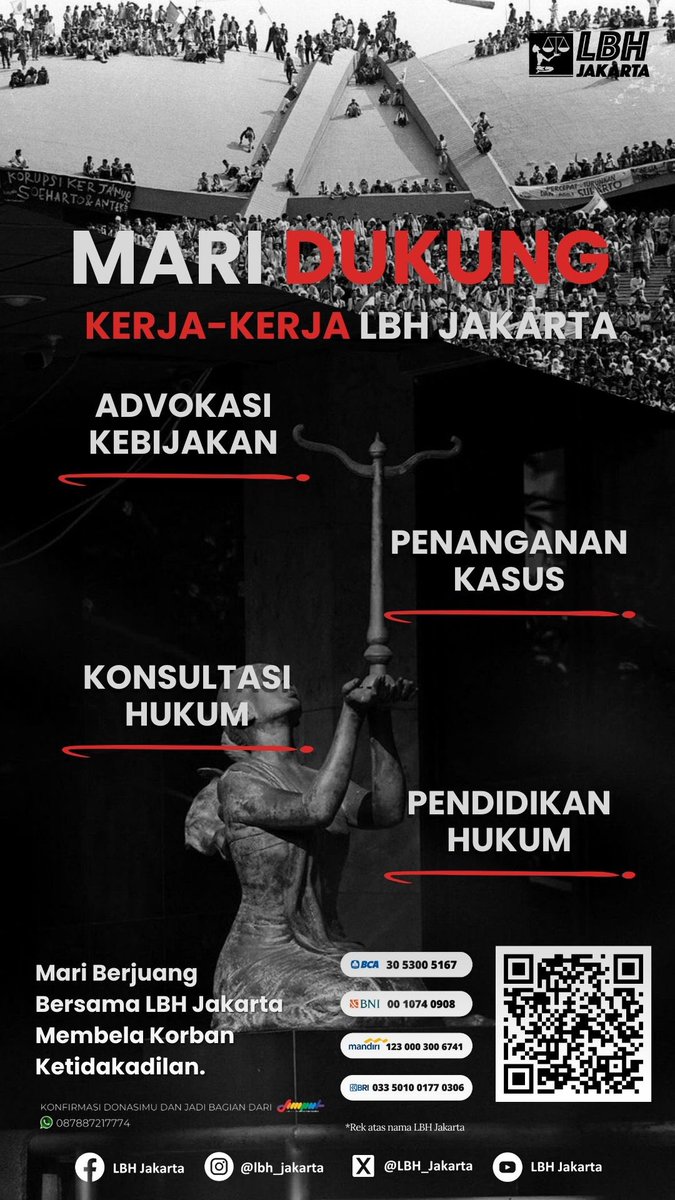
Banyak orang ngomong keadilan, tapi ngga semua orang mau turun tangan. Sementara, kerja-kerja bantuan hukum butuh dukungan. Kalau kamu percaya hukum harus adil, yuk bantu perjuangan ini biar bisa terus bertahan. Karena satu dukungan bisa memperpanjang napas perjuangan ✊
Pemerintah berencana mengalokasikan anggaran pendidikan 'terbesar dalam sejarah', Rp757,8 triliun dalam Rancangan APBN 2026.
Tapi anggaran pendidikan ini belum mengarah pada kesejahteraan guru, menurut Perhimpunan Pendidikan dan Guru (P2G). https://t.co/NlKrO7coc4