🌊 New research using OOI data!
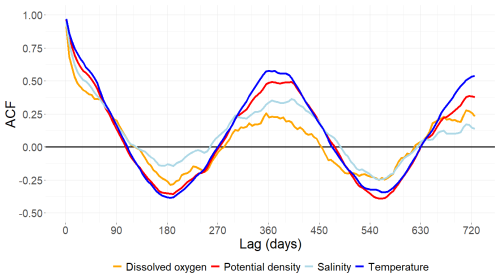
Researchers used Coastal Endurance Array data to test a method for comparing the overall shape of oceanographic profiles, rather than measurements at individual depths.
Read the Science Highlight: https://t.co/vKmlBBrn8c
#OceanScience#NSFFunded
EMBARK CyberTraining is recruiting its first cohort!
This free, virtual program offers early-career ocean professionals hands-on experience with ocean datasets and cloud computing tools, including OOI JupyterHub.
Learn more and apply: https://t.co/zWGTP2prDj
#NSFFunded
🌊 New Research Powered by OOI Data!
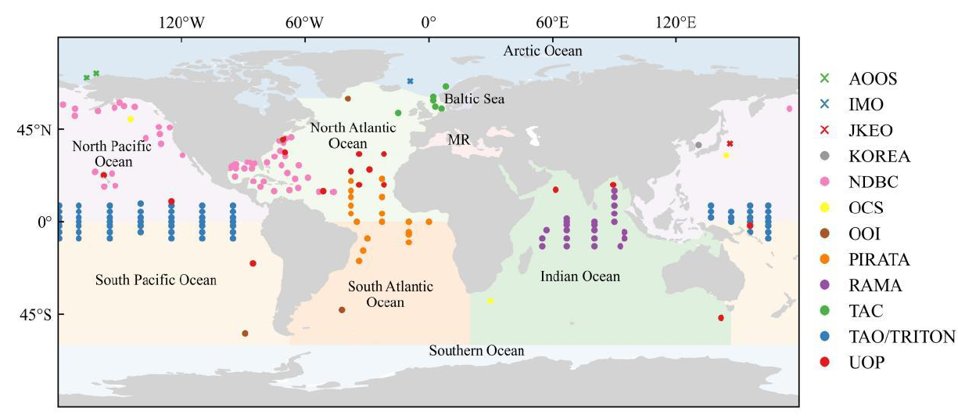
A recent study used machine learning and data from nearly 200 buoys, including six from OOI, to improve estimates of heat exchange between the ocean and atmosphere.
Read more: https://t.co/up43xkiQU5
#OceanScience#NSFFunded
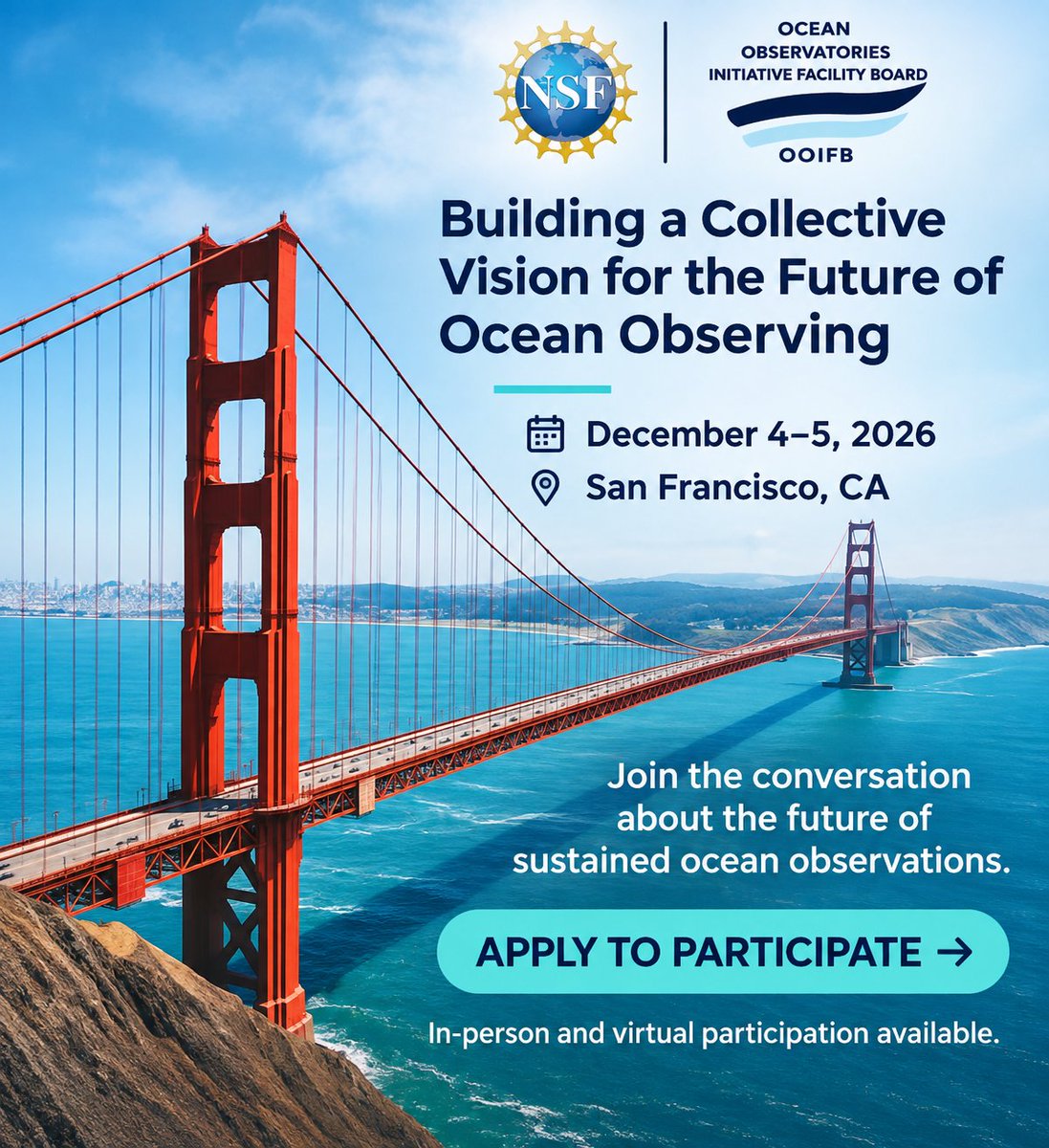
🌊 Help shape the future of ocean observing!
Join the OOIFB Community Forum, Dec. 4–5 in San Francisco, ahead of #AGU26.
Researchers, students & ocean observing stakeholders are encouraged to apply. Virtual participation available Dec. 5.
Apply: https://t.co/jmGm07NfmX
🌊 Using OOI data in your research or teaching?
We'd love to feature your work on our OOI Community Ambassadors page!
Learn more about our Data and Community Ambassador Programs and how to be featured:
🔗https://t.co/z5atHZBCqB
#NSFFunded#OOI
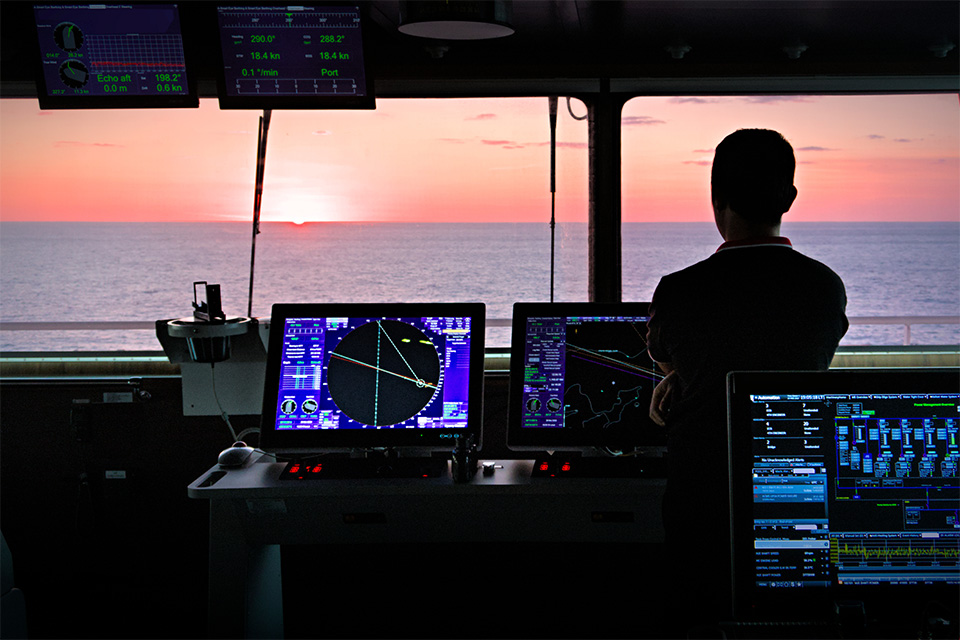
A new @NOAA report finds the U.S. Ocean Enterprise generates $16.4B annually, up 50% since 2020.
These findings highlight the growing value of ocean data and sustained observations.
Read more: https://t.co/cenCF25m2C
📷: Aurelien/Adobe Stock
#OceanObserving#OOI
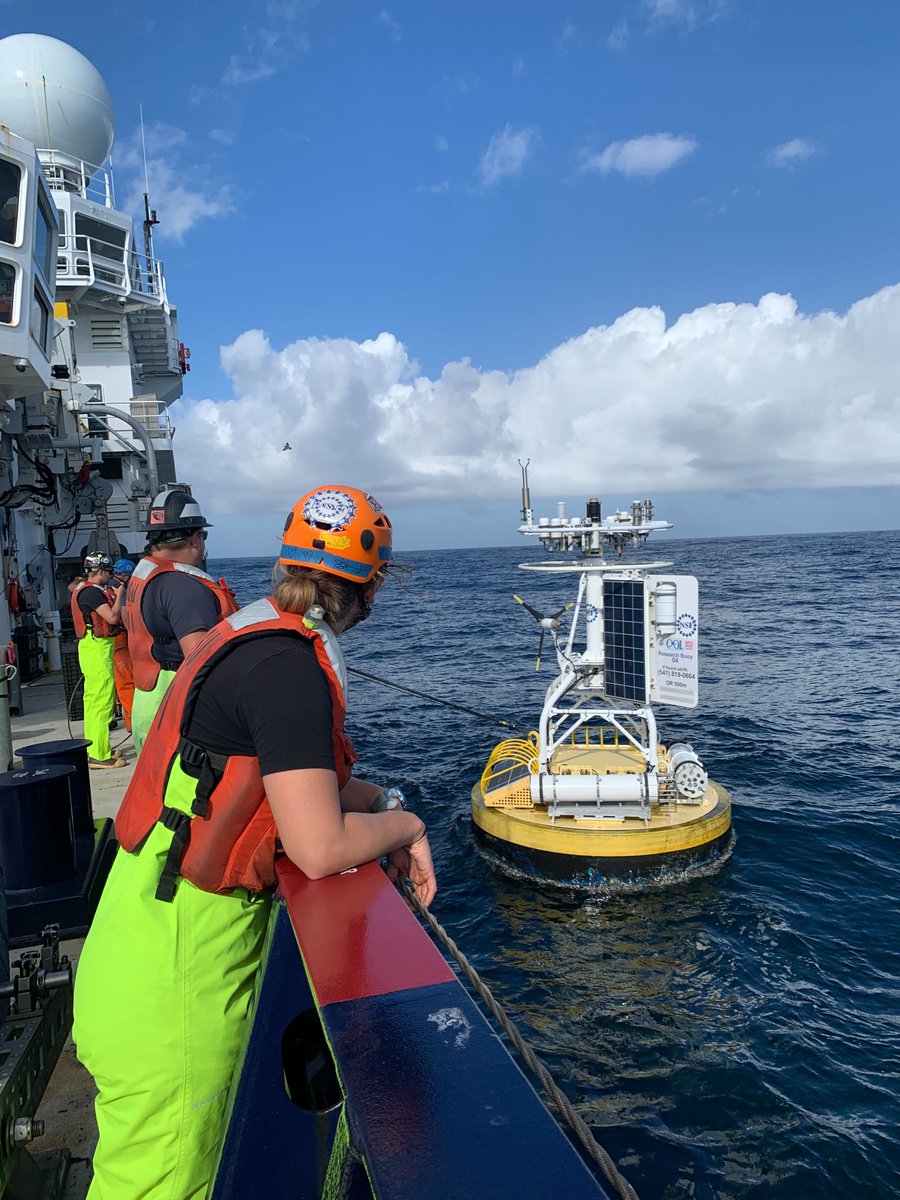
Three moorings have been redeployed at OOI's Coastal Endurance Array!
During the Oct. 3–5 expedition aboard R/V Sally Ride, the OSU team restored three of seven moorings. Data are now flowing to OOI Data Explorer & NOAA NDBC. The remaining four return in spring 2027.
#NSFFunded
🌊 New to OOI data? Not sure where to start?
Our Data Explorer tutorials show how to find, visualize, and compare freely available ocean observations.
Watch the four-part video series, each under 8 minutes!
Learn more: https://t.co/J53B5eHPXs
#NSFFunded#OOI
🎃October Instrument Spotlight: Acoustic Doppler Current Profiler (ADCP)
How do scientists measure ocean currents?
OOI's Acoustic Doppler Current Profilers use sound waves and Doppler shifts to measure current velocity in three dimensions.
Learn more: https://t.co/cfNLQJ5CdO
18 months of plankton imagery from OOI’s Pioneer Mid-Atlantic Bight Array are now available for analysis.
Explore millions of images alongside environmental data to study plankton communities and changing ocean conditions.
Learn more: https://t.co/y0EOsMFLAb
#OceanScience#OOI
🌊 What should NSF consider as it plans for the future of ocean observing?
What should NSF know about why sustained ocean observations matter—and what else should be part of the conversation?
Responses due tomorrow, Sept. 30: https://t.co/EpVhw7tOMD
Photo: Maya Moran (OSU)
🌊 What does the value of ocean observing look like?
Beyond scientific publications, how should NSF consider the broader value and impact of sustained ocean observations?
Share your perspective by Sept. 30: https://t.co/EpVhw7tOMD
#NSFFunded#OOI#OceanObserving
Preparing a proposal that uses OOI data/observations?
OOI has published updated guidance for researchers planning work during Program Year IX (Oct. 2026–Sept. 2027).
Researchers are encouraged to continue developing proposals using OOI data.
Learn more: https://t.co/BKEqJvTLoH
Instrument Spotlight: pCO₂ Air-Sea Sensor
OOI’s @ProOceanus pCO₂ sensor measures CO₂ in surface seawater and the air above it, helping researchers study carbon exchange between the ocean and atmosphere.
Learn more: https://t.co/gFRO6vz71a
#NSFFunded#OOI#OceanObserving
🌊 How does ocean observing support you?
NSF is seeking input on the future of ocean observing. You don’t need to answer every question—share how OOI/ocean observing supports you or your organization.
Respond by Sept. 30: https://t.co/EpVhw7tOMD
#NSFFunded#OOI
The OOIFB is hosting virtual Ocean Observing Exchanges to support community discussion around NSF’s DCL on future ocean observing priorities.
The first session is Sept. 11, with more throughout September.
View the schedule & register: https://t.co/dprV6YK1El
We have been busy all month, preparing for our first expedition with @endurancegeo.
We'll be deploying their Adélie generator inside the Axial Seamount and connecting it to the @NSF@oceanobserv Regional Cabled Array @OceanObserving!
📸: @janetmfr
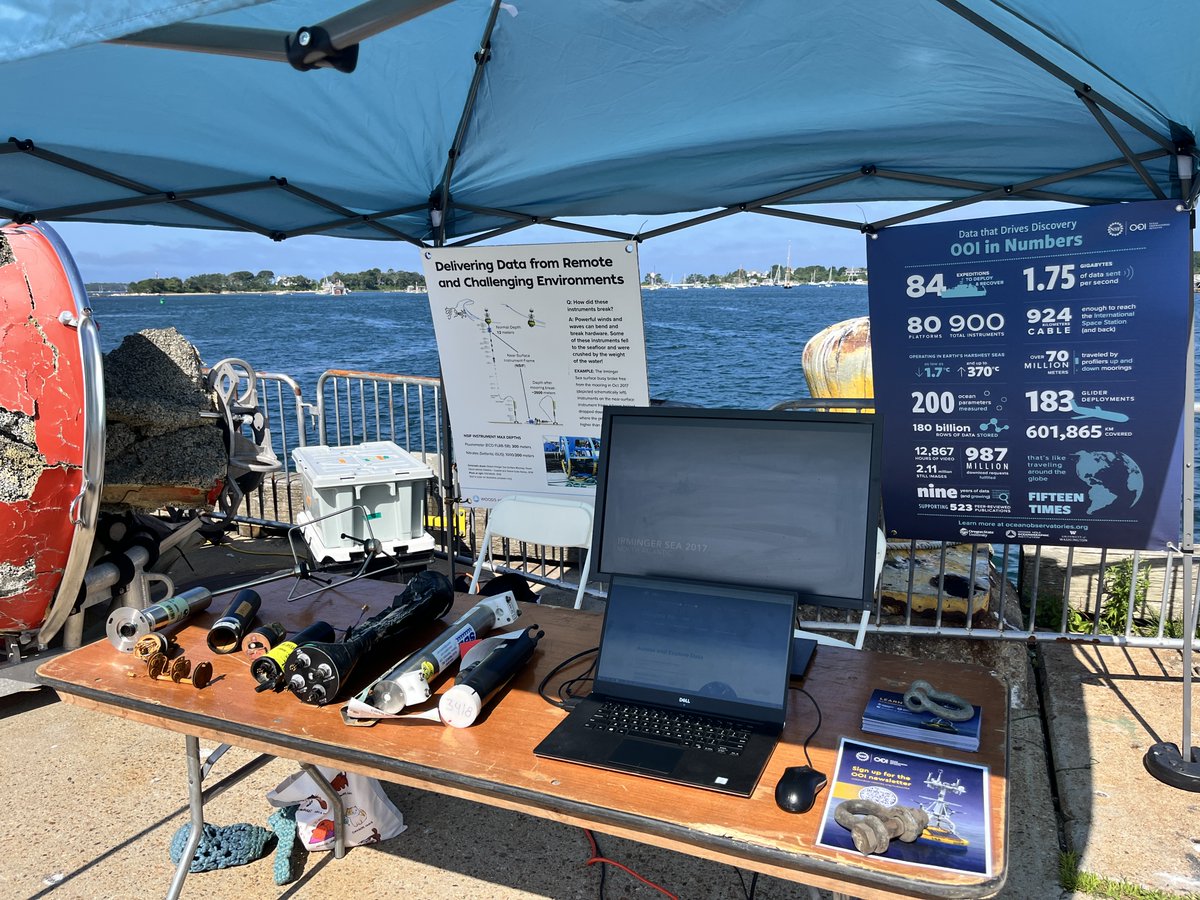
OOI joined the 2026 Woods Hole Science Stroll, where more than 2,500 visitors explored marine science up close! 🌊
The OOI booth offered a hands-on look at the instruments and technology used for sustained ocean observing.
Read more: https://t.co/htMFxD04MV
#NSFFunded#OOI
The U.S. National Science Foundation is seeking community input on future ocean observing priorities.
OOI encourages those who use or benefit from ocean observations to review the Dear Colleague Letter and provide input by Sept. 30.
🔗 https://t.co/NVVTadye02
#OceanObserving
🌊 New Science Highlight: How well do ocean reanalysis models capture heat transport in the subpolar North Atlantic?
A recent study compared models with OSNAP observations, including data from OOI Irminger Sea Array moorings.
Read more: https://t.co/zR3nRXzvrT
#NSFFunded