Les amours impossibles d'Oreco Tachibana: rencontre avec l'autrice des mangas Promised Cinderella et Les Noces des Lucioles parus chez @Glenat_Manga.
Article en libre accès ci-dessous⬇️
https://t.co/Y1420GwYRE
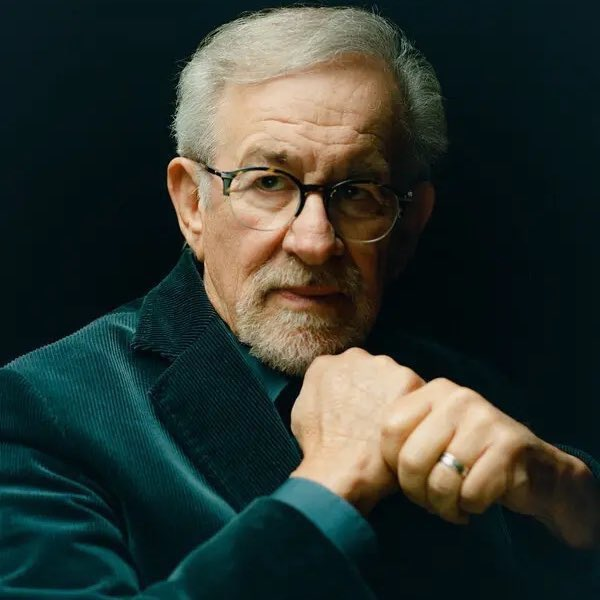
Steven Spielberg à propos de l’importance d’aller voir un film dans les salles de cinémas :
« Regarder un film chez soi, il n’y a rien de mal à ça. Je regarde beaucoup de films à la maison mais ce n’est pas un événement de rester chez soi pour regarder un film dans son salon, sa chambre ou son salon.
C’est un événement d’en faire une soirée, une journée, un après-midi, même une matinée et d’aller au cinéma. C’est un événement et ça rend l’expérience plus excitante. Et quand vous voyez un film au cinéma, vous êtes entourés de personnes qui vous sont étrangères. Des gens qui ne croient peut-être pas du tout en ce en quoi vous croyez. Des gens qui ont peut-être des opinions totalement opposées aux vôtres sur la démocratie, sur ce pays, sur le monde ou sur nos besoins.
Mais dans une salle de cinéma, tout le monde est connecté à l’histoire racontée à l’écran. Pendant un instant, nous sommes en communion, en accord, une communauté. Une communauté d’inconnus regardant quelque chose qui nous fait rire, pleurer, chanter et partager des émotions. Et souvent en sortant dans le hall, on continue de parler du film avec des inconnus. On ne parle pas de ce qui nous divise, mais de ce qui vient de nous unir.
Et nous avons besoin de communauté aujourd’hui plus que jamais. Désespérément. Et les films peuvent encore offrir cela, si les studios continuent de laisser les films plus longtemps au cinéma avant leur arrivée à la télévision. »
IN THE HAND OF DANTE, a film by Julian Schnabel, premieres June 24.
Starring Oscar Isaac, Gal Gadot, Gerard Butler, John Malkovich, Louis Cancelmi, Sabrina Impacciatore, Franco Nero, Benjamin Clementine, Paolo Bonacelli, Martin Scorsese, Al Pacino, and Jason Momoa.
Moving between the 21st and 14th centuries, the lives of a modern-day author and Dante Alighieri himself are intertwined in their obsessive search for love, beauty, and the divine.
@Alex_Jetblack@Tony_Mr_P Comme si l’accès à la culture avait jamais été une préoccupation de MD…Le seul objectif, c’était d’écouler du stock le plus rapidement possible à n’importe quel prix.
New trailer for "Jaadugar" anime series.
Directed by Naoko Yamada & Abel Gongora at Science Saru studio.
Premieres on July 4 with a 1-hour special featuring both episodes 1 & 2.
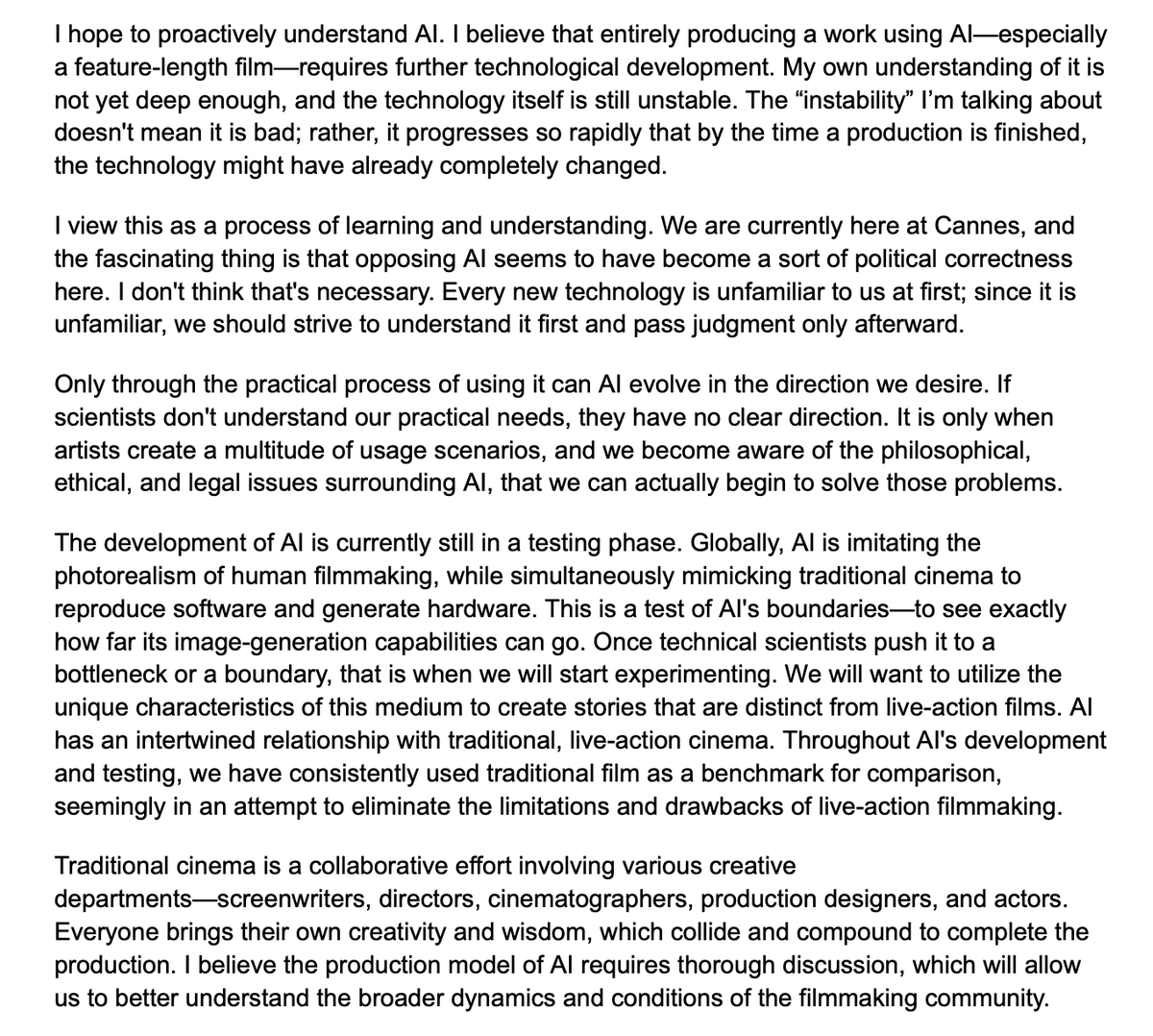
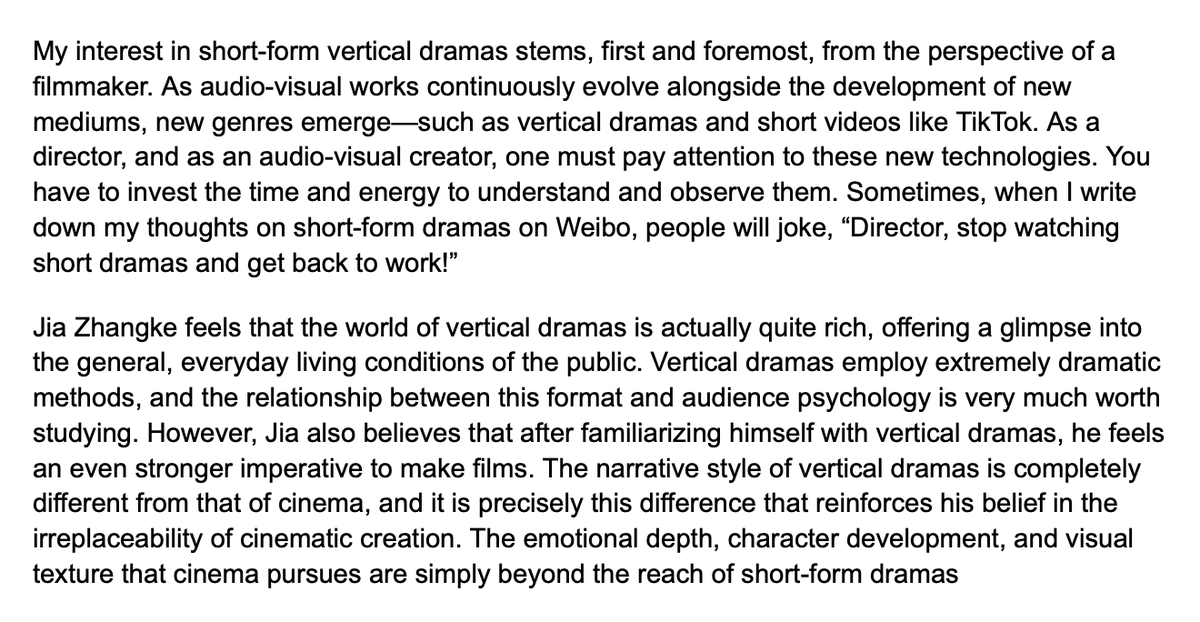
Jia Zhangke did an extended Chinese interview with Sina Entertainment during Cannes in which he discussed about his new short film Torino Shadow, AI, vertical drama, and his future projects https://t.co/ogWImdX52u
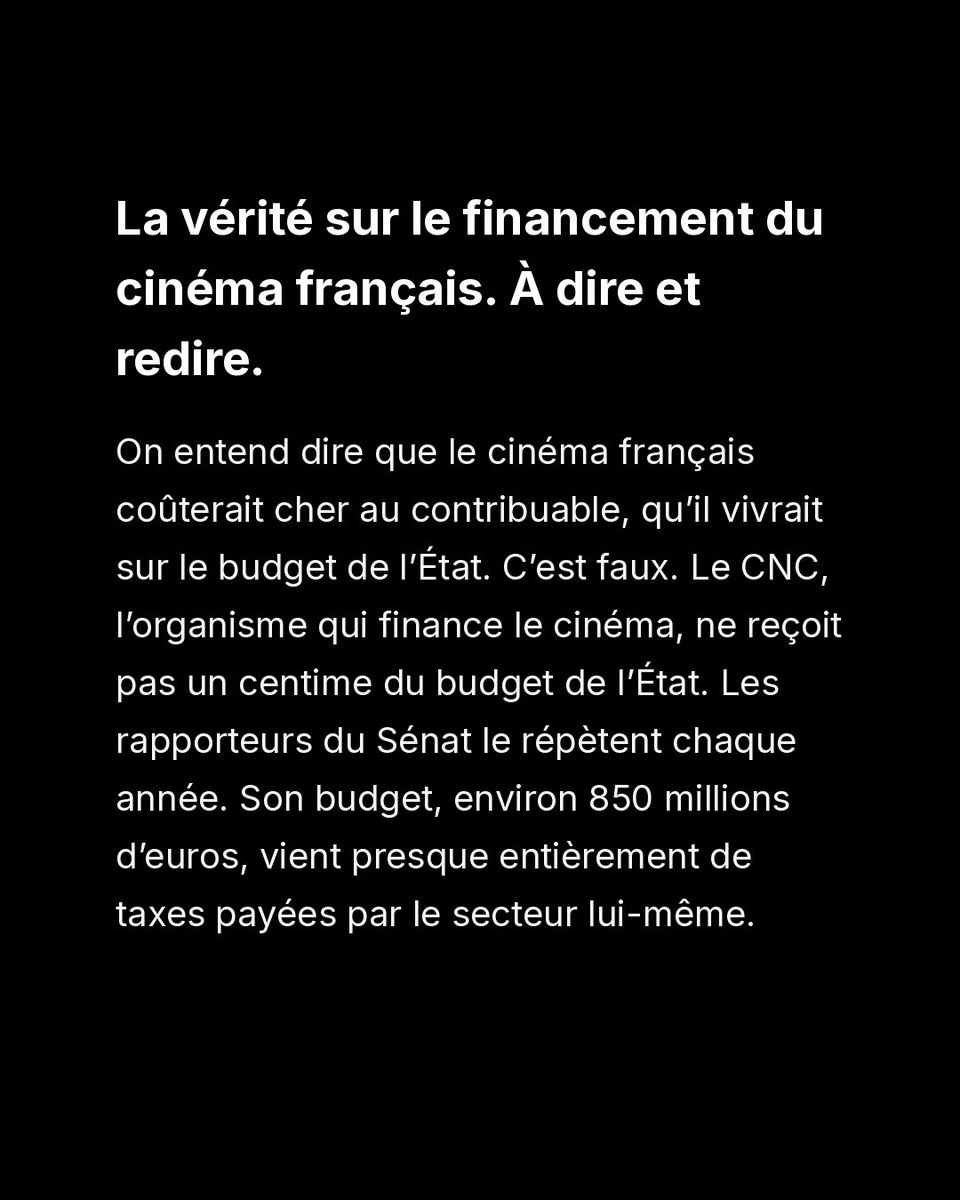
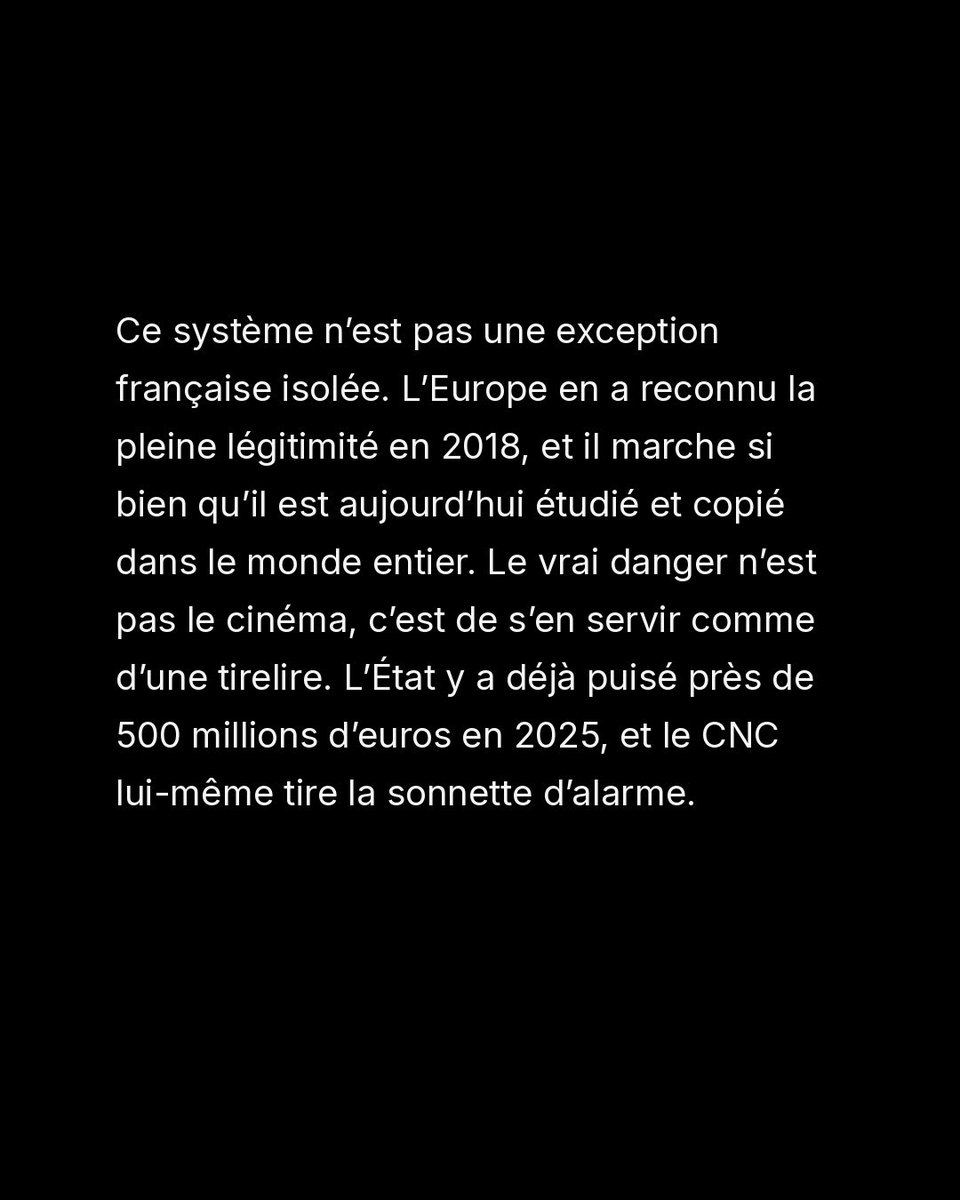
La vérité sur le financement du cinéma français
"Contre la volonté de destruction de l’extrême droite, une seule arme : la vérité. N’hésitez pas à partager par tous les moyens qui vous sembleront bons"
Un message publié ce lundi par le scénariste et réalisateur Mikael Buch #CNC
"Ad Astra, ce n'est pas ma version du film, on me l'a retiré"
Vous avez aimé "Ad Astra" avec Brad Pitt ? Son réalisateur James Gray beaucoup moins. Il révèle à Aymeric Goetschy que la version projetée en salle n'est pas la sienne et qu'il renie carrément toute une partie du film…
L'intégralité de cette interview est à retrouver sur notre chaîne YouTube : https://t.co/tnmSRLfzFK
#Cannes2026
Fans de cinéma d'animation ?
Ouvrez les yeux, voici la programmation qui vous attend à partir du 17 juin sur @FranceTV pour célébrer la nouvelle édition du Festival d'Annecy. 👀
Choose your fighter: Classical Art Edition 🖼️⚔️
Mona Lisa is pulling up with that dark energy, but Venus got those heavy wave attacks 🌊 Tbh my money is on Mona, she looks like she fights dirty 💀
Workflow:
🎨 GPT Image 2.0
🎬 Seedance 2.0
Dropping all the exact prompts in the thread below 👇
For about ten years, the DVD made Hollywood more money than the movie theater did. A film could flop in cinemas and still turn a tidy profit once it hit the shelf at Best Buy. In 2005, discs sold around $16 billion in the US. Theaters made about half that.
That safety net changed the kind of films that got made. Since a strong disc run could cover a box-office miss, studios were willing to bet on smaller, odder movies. A scrappy comedy like Napoleon Dynamite or The Big Lebowski could rake in as much from disc sales as it ever made selling tickets, sometimes more. And the hours of behind-the-scenes extras Jackson misses got made for the same reason: the discs sold well enough to pay for them.
Then streaming showed up, and the disc money fell off a cliff. Sales sank more than 80%. By 2018, DVDs were down to barely $2 billion. By 2023, a full half-year of disc sales added up to about $754 million, less than a tenth of the old peak. With the safety net gone, the risky bets stopped. The mid-size movie, the $20 to $60 million film that filled theaters for decades, mostly stopped getting made. Hollywood's big studios put out 204 movies in 2006. By 2010, that was down to 141.
The digital version that replaced the disc comes with fine print. When you click "buy" on a movie, you're really just renting it. What you actually get is a license, a permission slip the store can take back. In late 2023, PlayStation warned customers it was about to wipe more than 1,300 shows they had already paid for. It backed off only after signing a fresh deal, and even that one expires in a couple of years. California now has a law, on the books since 2025, that makes stores admit the "buy" button is actually a rental.
Jackson's old box sets still sit on a shelf and still play, extras and all. The digital copies most people traded them for can vanish the morning a licensing contract runs out.
Quentin Tarantino on how he got the idea to make "Pulp Fiction" (1994):
"The idea for 'Pulp Fiction' (1994) was born even before I began writing 'Reservoir Dogs' (1992). I was trying to imagine how to make a film without money, so I thought of a short I’d be able to show at festivals that could be a kind of calling card. I’d be able to demonstrate what I was capable of, which would allow me to shoot a feature-length film. So I thought of the story of Vincent Vega and Marsellus’s wife.
Then I realized, why not write a second short crime story, and then a third, and then shoot them one after another when I got enough money together, and then put them together? That’s pretty much what Jim Jarmusch did with 'Stranger Than Paradise' (1984), showing one part at one festival, then getting the financial backing to do the second, etc.
So I phoned my friend Roger Avary to ask him to write the second story, but with the condition that it had to be the most classic story possible; and from there he could take us to the moon! And that’s what he wrote: the one about the boxer who gets knocked out in the ring. The third story was going to be the one of Reservoir Dogs. But then our enthusiasm kind of died down, that project never got done, and I used the story of Dogs for my feature-length film.
Later we came back to the project, but abandoned the idea of an anthology. What I really wanted was to make a novel on the screen, with characters who enter and exit, who have their own story but who can appear anywhere. I could get to do what a contemporary writer does: introduce into his book a secondary character who appeared in an earlier book, something like the Glass family that Salinger imagined, and whose members you find move from one novel to the next.
This is a register filmmakers simply don’t work in: in Hollywood, when you make a film for, let’s say, Paramount, you sell them the rights to the story. If you make the next one for Warners, you can’t use the same characters because they were created for another company.
With 'Pulp Fiction', I wanted in some sense to make three films for the price of one! I liked that each character of 'Pulp Fiction' could carry a film as the main hero. If I’d made a film, for example, about Butch and Fabienne and only about them, the character played by John Travolta probably wouldn’t have had a name. He’d have been called “Bad Guy No. i.” But as Pulp Fiction is conceived, he is Vincent Vega. We know his personality, we have an idea of his way of life, he’s not simply a minor character. So then when they shoot him, the spectator feels something."
(Quentin Tarantino's interview with Michel Ciment and Hubert Niogret, Postif, 1994)
P.S: On this day, 32 years ago, "Pulp Fiction" (1994) premiered at the Cannes Film Festival, France.
How do animators ensure that crucial details don’t “disappear” once the film is released? 🤔
The secret lies in three overlapping rectangles on a standard layout paper. Let’s have a closer look at this technical framing system to see how animators define the boundaries for every movement!
#OtsuLabs
Peter Jackson laments the death of physical media:
“You can get Blu-rays and DVDs, but they’re almost a niche product for aficionados now,” Jackson said. “Since they only sell small numbers, no studio wants to put extended features on them or to extend the cuts. We did hours and hours of behind-the-scenes material for The Lord of the Rings DVDs, and so many people have thanked me for doing them. People would watch that stuff over and over again because it inspired them to make films. That’s all gone now, and I think it’s a real shame.”
Do you still get real books and DVDs?
Capcom engineers say even the smartest AI “can’t match our creators when it comes to sensibility.” The technology is being adopted to reduce “routine tasks” instead
https://t.co/mCTJYFF88O