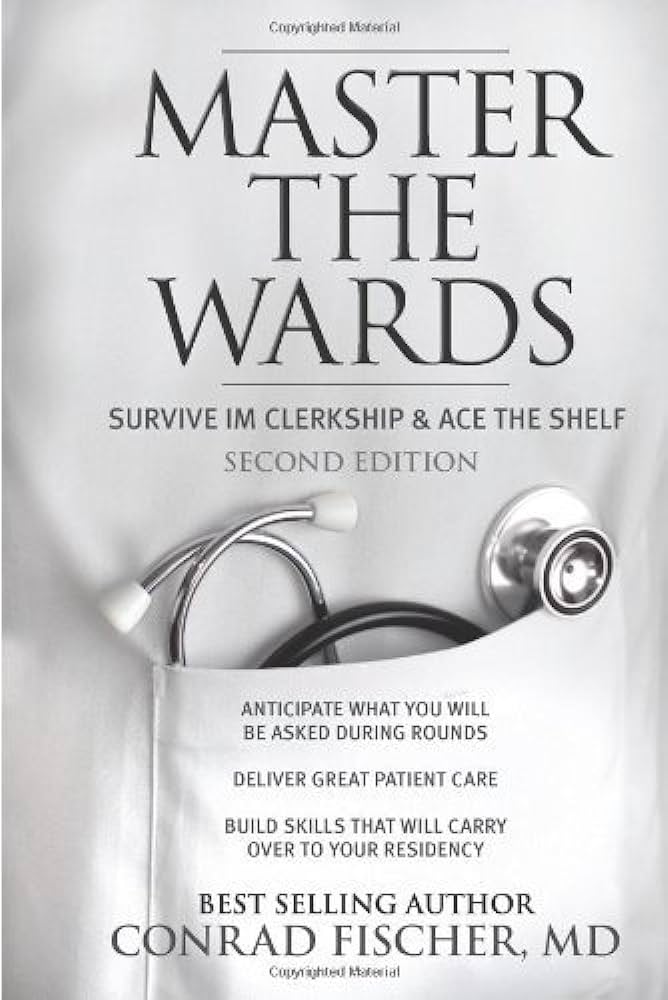
This book is for 3rd and 4th year students to have in their pockets. It is much more manageable and shorter than many things. Which is the right title?
Tuberous Sclerosis Complex (TSC)
Etiology:
Tuberous Sclerosis Complex is a genetic disorder caused by mutations in the TSC1 or TSC2 genes.
These mutations lead to the development of non-cancerous tumors in various organs, including the brain, skin, kidneys, heart, eyes, and lungs.
Pathogenesis:
The mutations in the TSC1 or TSC2 genes disrupt the regulation of cell growth and proliferation, leading to the formation of hamartomas or non-cancerous tumors in multiple organs.
These tumors can cause various clinical manifestations associated with Tuberous Sclerosis Complex.
Clinical Features:
1.Facial Angiofibromas: Red or flesh-colored papules on the face, particularly over the cheeks and nose.
2.Hypopigmented Macules: White or ash-colored spots on the skin, often seen in a “ash leaf” or “confetti” pattern.
3.Shagreen Patch: Thickened, leathery skin patch typically found on the lower back.
4.Cortical Tubers: Abnormal areas of brain tissue leading to neurological symptoms such as seizures, developmental delay, and intellectual disability.
5.Subependymal Nodules: Brain lesions near the ventricles, which may lead to hydrocephalus and increased intracranial pressure.
6.Cardiac Rhabdomyomas: Non-cancerous tumors in the heart, which can lead to arrhythmias and heart failure.
7.Renal Angiomyolipomas: Benign tumors in the kidneys that can cause pain and bleeding.
8.Retinal Phakomas (Hamartomas): Tumors in the retina, which can lead to vision problems or loss.
Treatment:
•Antiepileptic Drugs: For controlling seizures associated with cortical tubers.
•Surgical Intervention: For removal of tumors causing significant symptoms or complications (e.g., resection of subependymal giant cell astrocytomas).
•Supportive Therapy: Including therapies to manage developmental delay, behavioral issues, and other associated complications.
•Monitoring and Surveillance: Regular monitoring for the progression of tumors and associated complications, such as renal or cardiac involvement.
FAQs:
1.Can Tuberous Sclerosis Complex be cured?
No, Tuberous Sclerosis Complex is a genetic disorder and currently has no cure. Treatment focuses on managing symptoms and complications.
https://t.co/6BMCyZ01tc Tuberous Sclerosis Complex inherited?
Yes, Tuberous Sclerosis Complex is inherited in an autosomal dominant pattern, but it can also occur sporadically due to de novo mutations.
3.What is the prognosis for individuals with Tuberous Sclerosis Complex?
The prognosis varies widely depending on the severity of symptoms and complications. With appropriate management, many individuals with Tuberous Sclerosis Complex can lead fulfilling lives, although some may experience significant disabilities.
4.Can Tuberous Sclerosis Complex affect lifespan?
While Tuberous Sclerosis Complex can lead to various complications that may affect lifespan, the prognosis has improved with advances in medical management. Regular monitoring and timely intervention can help improve outcomes.
5.Are there any preventive measures for Tuberous Sclerosis Complex?
As Tuberous Sclerosis Complex is a genetic disorder, there are currently no preventive measures. However, genetic counseling may be beneficial for individuals with a family history of the condition.
Try - https://t.co/3XKwhCuWoV
Relative Bradycardia in Typhoid Infection:
Learn more and generate your own summaries at
https://t.co/S6xp9Pocg9 🧠 🎯
#MedX #MedTwitter #FOAMed #MedEd #USMLE #step1 #Step2CK
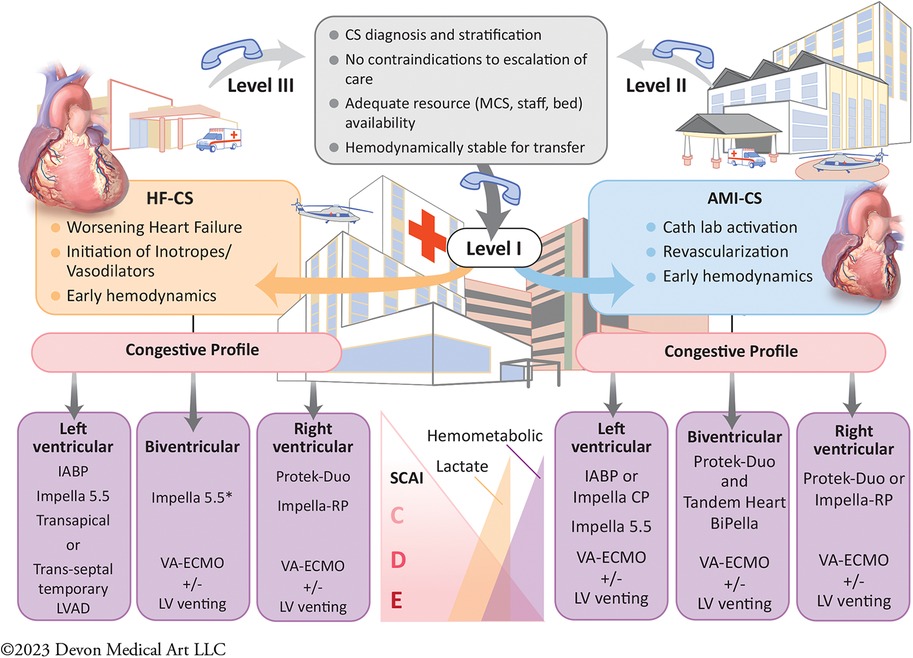
Contemporary approach to cardiogenic shock care: a state-of-the-art review
CCR Journal Watch
https://t.co/Sp06oA6IDG
Get the latest critical care literature every weekend via the CCR Newsletter - subscribe at https://t.co/nitMzacLrj
Asthma Pearls and Pitfalls.
1. Wheezing doesn't always indicate asthma.
2. Severe or life-threatening exacerbation of asthma can present with a silent chest.
https://t.co/noLzqEAuUT
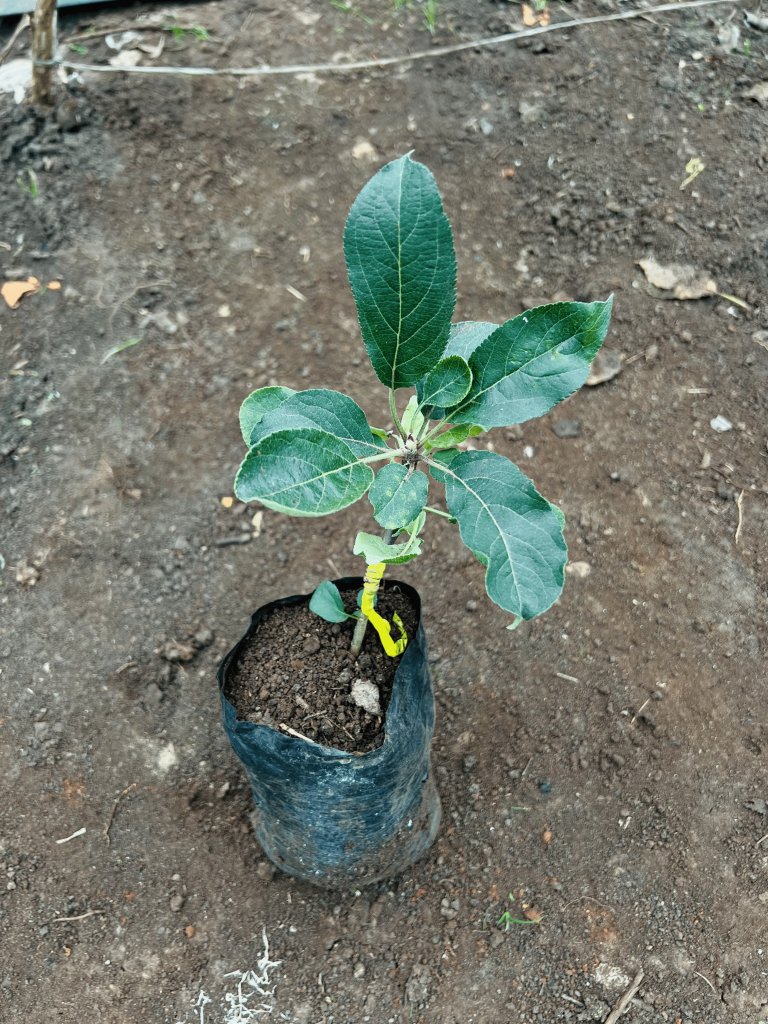
Wambugu apples grows in most climates. With a 3x3 spacing, an acre can accommodate 500 trees.
A single seedling costing sh500 matures and fruits in 9 months lasting upto 20yrs. if well managed, 1 tree can produce 500 fruits/season @ retailing sh20 giving a return of sh10k/season