We're launching code storage and git hosting.
Origin gives teams and agents a place to host, review, and collaborate on code.
Available this fall. Join the waitlist.
https://t.co/uamaIarJXY
The US government, citing national security authorities, has issued an export control directive to suspend all access to Fable 5 and Mythos 5 by any foreign national, whether inside or outside the United States, including foreign national Anthropic employees.
The net effect of this order is that we must abruptly disable Fable 5 and Mythos 5 for all our customers to ensure compliance.
Access to all other Claude models is not affected.
We apologize for this disruption to our customers. We believe this is a misunderstanding and are working to restore access as soon as possible.
Read our full statement: https://t.co/bwn0sximKZ
Introducing Claude Fable 5: a Mythos-class model that we’ve made safe for general use.
Its capabilities exceed those of any model we’ve ever made generally available.
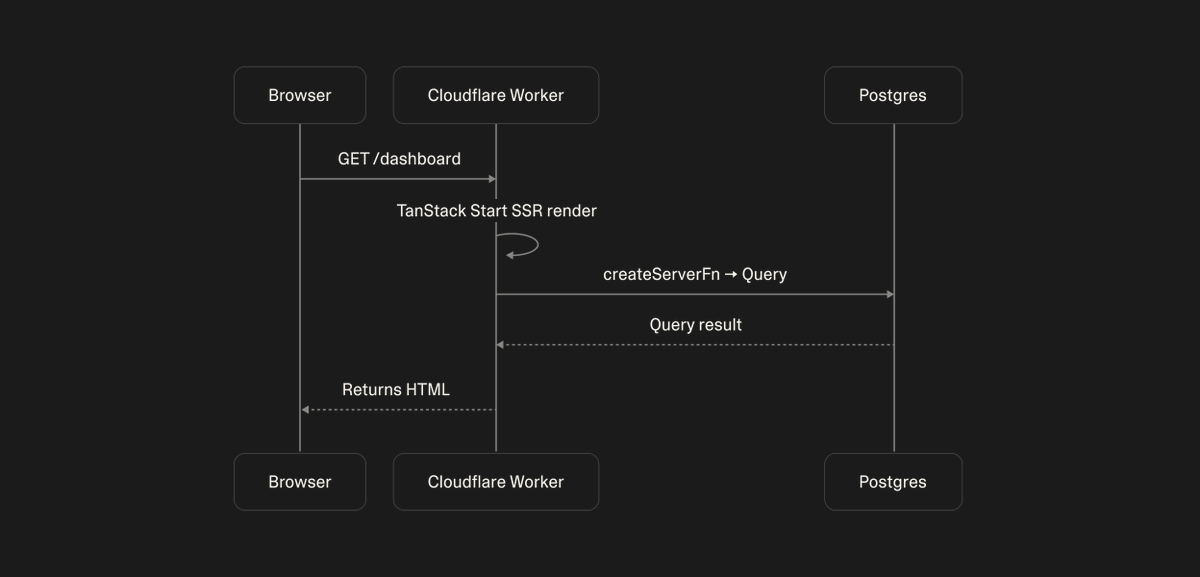
We switched to @tan_stack. Our users now create over 1 million TanStack Start applications per week.
Full writeup on what changed and why: https://t.co/Xy3g2bYhhu
Code review, but faster.
Introducing Diffs. A new way to review PRs, directly inside Linear.
• Realtime updates
• Guided reviews with Al (beta)
• Focused notifications
• Iterate with coding agents
• Threaded comments
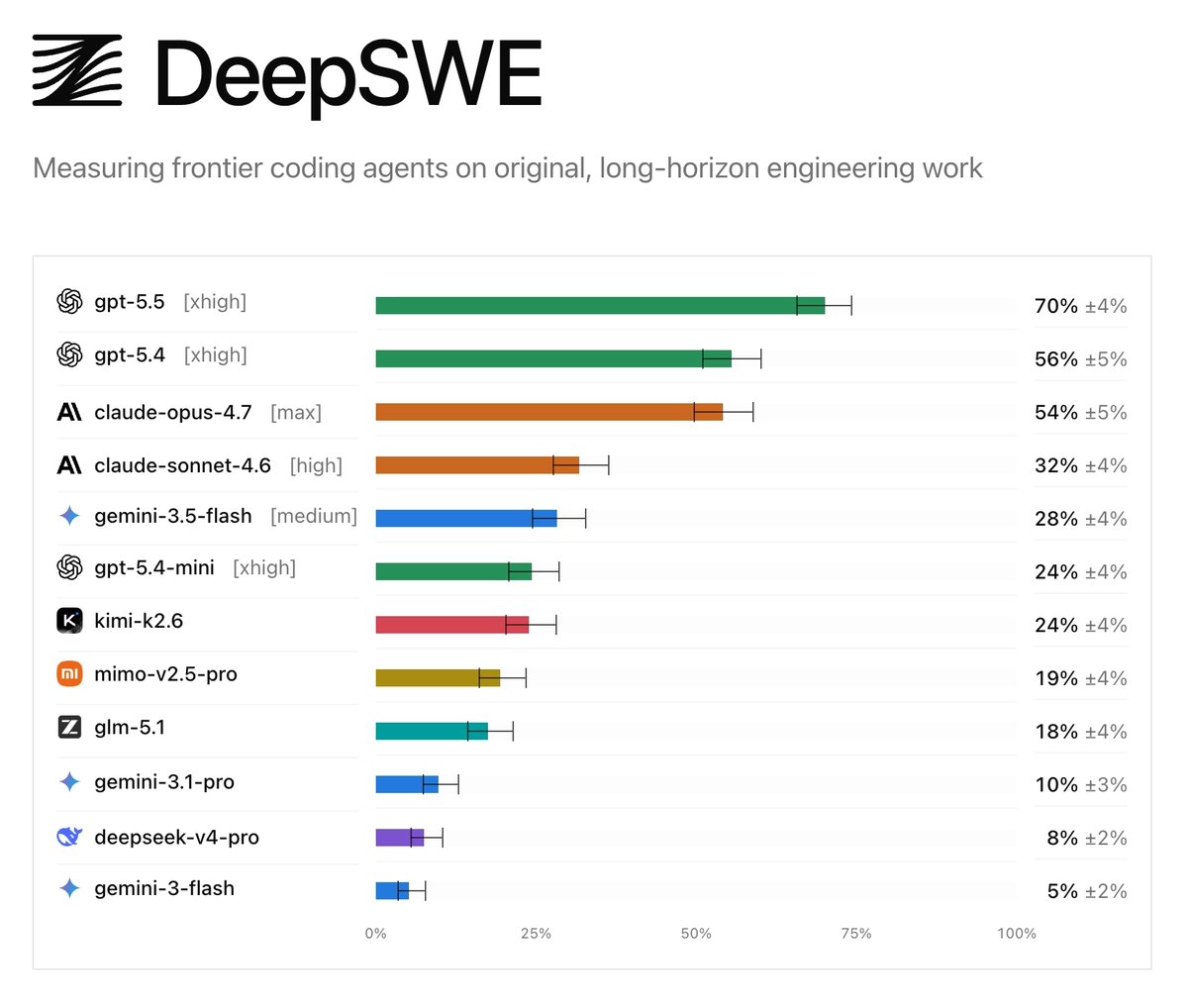
Today we’re releasing DeepSWE, a new standard for agentic coding benchmarks.
On public leaderboards, top models often look relatively close in capability. DeepSWE shows where they actually diverge, reflecting the realistic experience of developers in their day-to-day work.
😱Apple TV acaba de transmitir el primer gran evento deportivo profesional en vivo grabado COMPLETAMENTE con un iPhone 17 Pro. El partido COMPLETO. Desde todos los ángulos. 15 cámaras del iPhone 17 Pro Max.
You might believe you should spend less time thinking about code because of AI.
I strongly disagree! We’re watching this play out live where tons of AI generated code becomes a liability.
At the end of the day, an engineer needs to be responsible / on call for code that gets shipped to production. If you don’t understand the system you’re trying to debug, you’re probably going to have a bad time.
Yes, AI can help with all of this, if you set up the proper systems. You can have agents triage prod logs, look at errors, etc. You can speed up parts of the investigation, but an engineer needs to make the call. There might be serious customer or financial implications from that change.
I expect the trend continue for trimming dependencies, vendoring code so you can modify it directly, preferring simpler systems with fewer abstractions, and spending waaaay more time thinking about system design and code maintenance.
I’ve said this before, but it’s a great time to get familiar with CS fundamentals and some of the history behind what great software looks like. Many parts will be different in the coming years as AI progresses, but also a lot more than people realize will stay the same.
Dear frontend devs and UI designers. I bring you Liquid DOM, a complete and faithful implementation of Liquid Glass on the Web.
- Shape morphing
- All properties animatable
- Dynamic refraction and reflection
- Adaptive tint
- Adaptive specular highlight
- Dispersion
- Full html integration
- Super fast layout engine that works across Canvas and html
- Pointer event handling
- Framework and renderer-agnostic low level API
- High level React API
- Ootb @threejs and r3f integration
And lots more.
Read on for implementation details and demos.
Personal update: I've joined Anthropic. I think the next few years at the frontier of LLMs will be especially formative. I am very excited to join the team here and get back to R&D. I remain deeply passionate about education and plan to resume my work on it in time.
50 pessoas. $2 bilhões de dólares em receita. Zero product managers.
A Cursor gera mais receita por funcionário do que Goldman Sachs, Google e Apple combinadas.
E o CEO acabou de entregar o playbook inteiro de graça.
Cada engenheiro da Cursor ganha entre $808 mil e $1,1 milhão por ano. E os engenheiros não escrevem mais código. Eles gerenciam dezenas de agentes de IA rodando em paralelo, cada um em sua própria VM na nuvem, 24 horas por dia. Enquanto o engenheiro dorme, os agentes continuam entregando.
Nesse vídeo o CEO explica em 9 minutos como eles fazem isso.
Salve este post antes que todos copiem o manual.
Os números:
1. 35% dos PRs mergeados na Cursor são criados por agentes autônomos
2. Em março de 2025, pra cada usuário de agente tinha 2,5 no autocomplete. Hoje inverteu: 2 de agente pra cada 1 de autocomplete
3. Uso de agentes cresceu 15x em 12 meses
4. Os engenheiros mais produtivos têm 100% do código escrito por agentes
O ciclo mudou. Humanos definem escopo e revisam. Agentes planejam, codam, testam e abrem o PR. Validação antes do código, não depois.
50 pessoas entregando o que empresas com 5.000 engenheiros não conseguem.
O que surgiu ali não é ganho de produtividade. É uma nova classe de trabalhador: o engenheiro que não programa.
Toda empresa que ainda avalia engenheiro por linhas de código ou horas na cadeira está rodando com o modelo mental de uma fábrica do século passado.
O novo indicador é quantos agentes autônomos você consegue orquestrar ao mesmo tempo.
Quem entender isso primeiro vai ter uma vantagem competitiva impossível de superar.
The Google Threat Intelligence Group has detected the first known instance of a threat actor using an AI-developed zero-day exploit in the wild. While the attackers planned a wide-scale strike, our proactive counter-discovery may have prevented that from happening. This finding is part of our new report on AI-powered threats.