I'm just an Alien, standing in front of a country, asking it to let me improve their biotechnology {Algorithms, Protein Sequencing, Drug Discovery, HCI, jokes}
As promised - why a recent paper solves the biggest headaches in tSNE/UMAP/PHATE/LLE (and other "I see the Grim in your tea leaves young Potter" algorithms)
https://t.co/y0SQS0QRtG
(1/N)
Preprint just dropped!🎙️We discover molecular mechanisms of the excruciatingly painful sting of the Scarlet Velvet Ant (Dasymutilla occidentalis). Title: "Multiple mechanisms of action of an extremely painful venom." 🧵 1/N https://t.co/FDslgqBylW
Introducing Genie 2, our latest protein design model! Genie 2 sets a new state of the art on key design metrics and supports motif scaffolding, including that of multiple motifs with undefined geometric relationships, a feature new to protein diffusion models. (1/5)
Randomize the hydrophobic cores of 3 proteins, measure the effects on stability and ligand binding, and train energy models on the measurements that generalize across related proteins.
@AlbertIltirda@aj4re@BenLehner
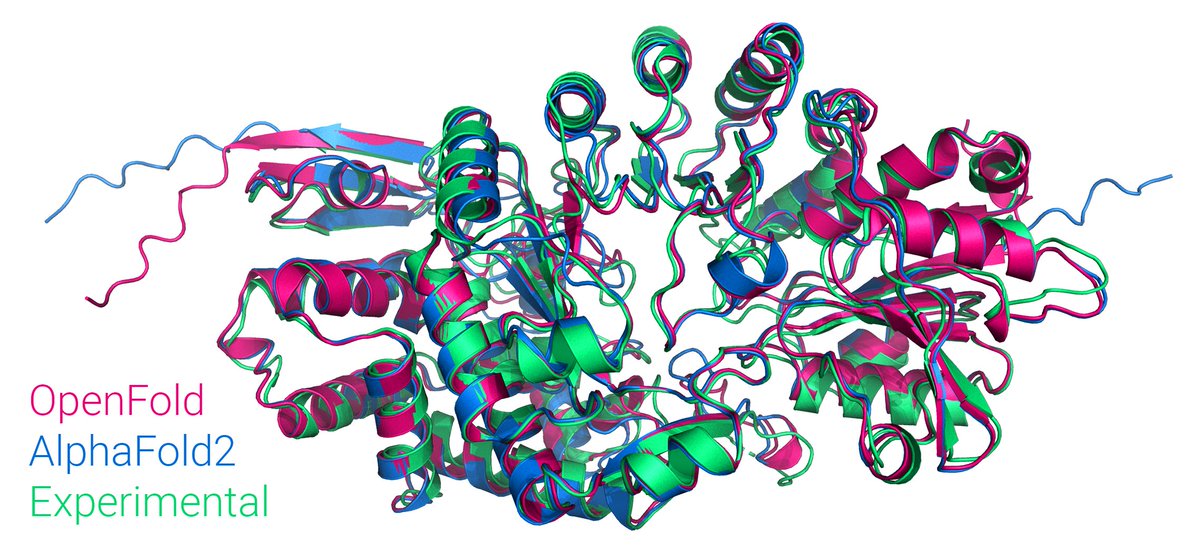
OpenFold paper is now out in @naturemethods. Timely. I’ll say more about AF3 at the end of this thread, but first I wanted to highlight what’s new since our initial release. (1/9)
1/5 Today, I’m sharing 7yrs of work. I believe we discovered a comprehensive mapping from protein structure to glycan structure, a genetic encoding for specific glycans, and a new paradigm in extracellular biology.
https://t.co/eba5yTub5x
#Glycotime
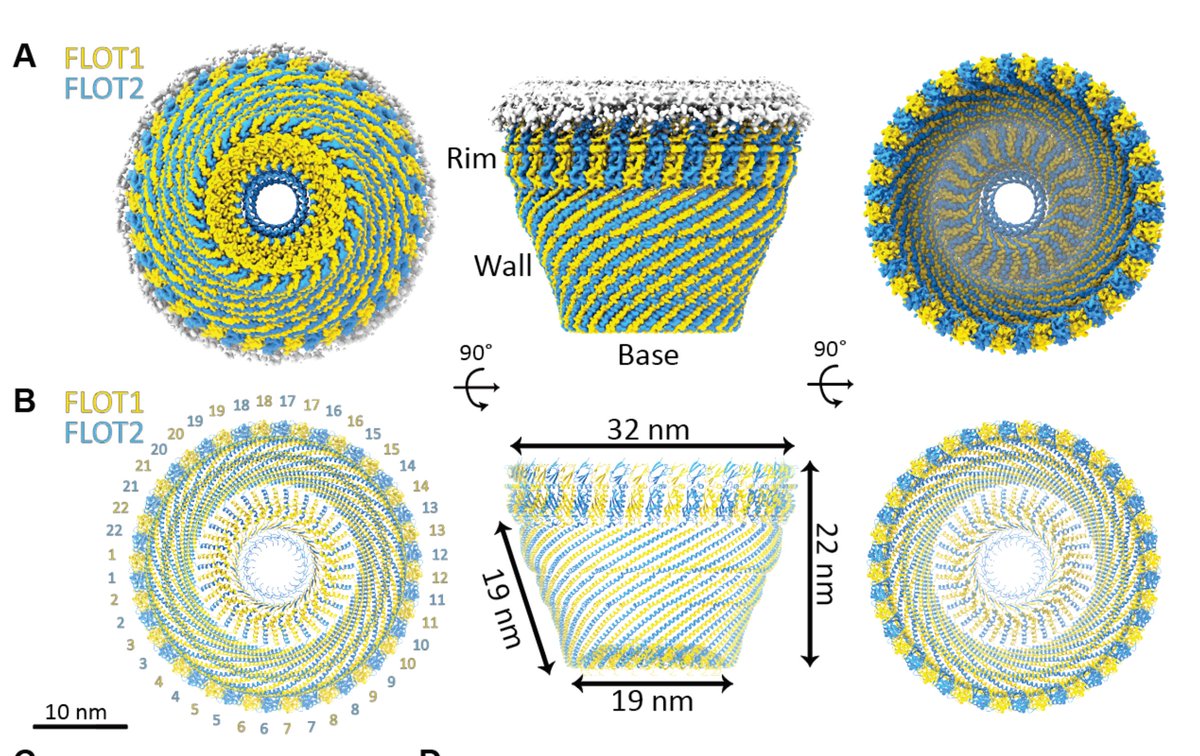
Might attempt to model a flotillin cage using the AlphaFold3 web server was super fun (original paper: https://t.co/zLldiN2BHR). Read the thread for a crazy plot twist!🧵👇
Nonlinear model reduction to spectral submanifolds is now available even under general (e.g., chaotic) forcing. Asymptotic expansions for generalized
steady states of aperiodically forced mechanical systems also follow from these results.
https://t.co/XPP5HJyLyX
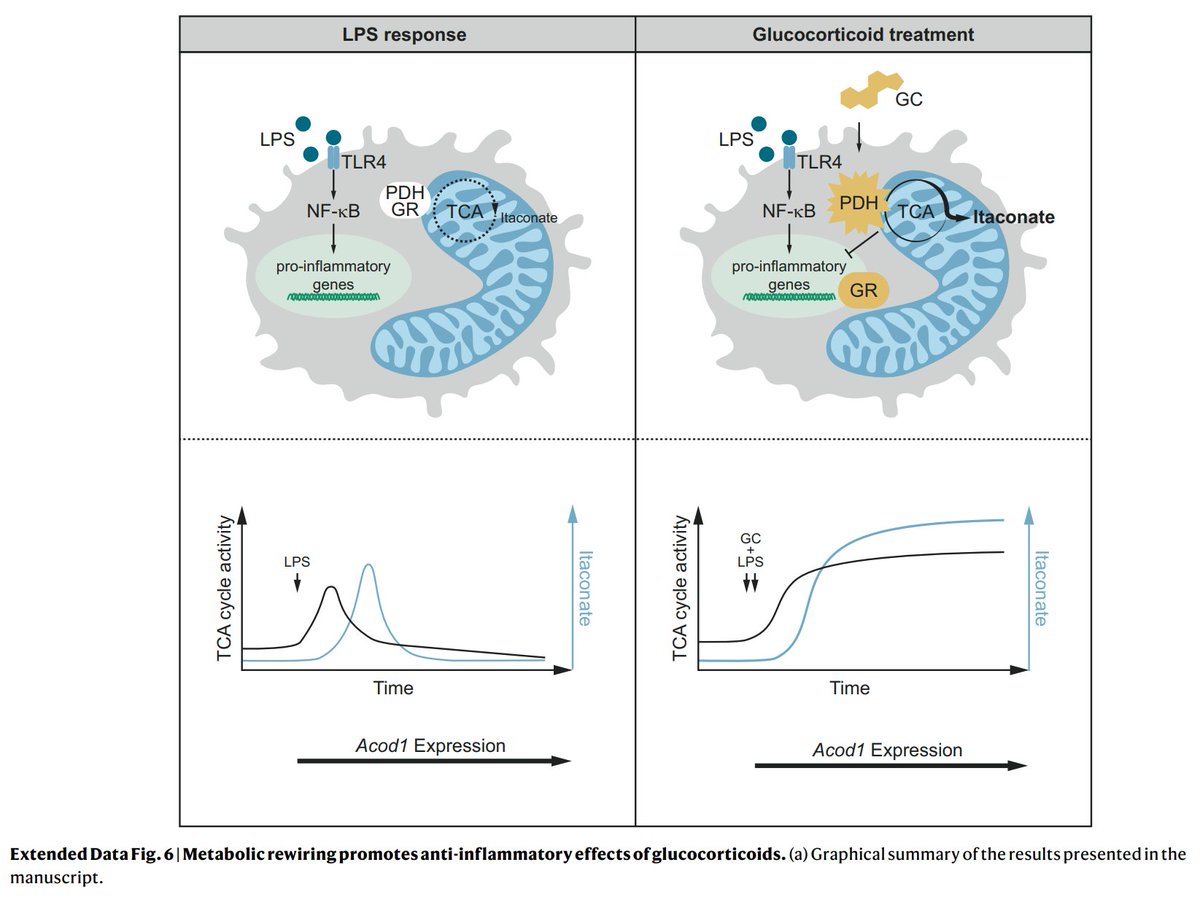
Glucocorticoids (GC), like dexamethasone and prednisolone, are widely used in medicine, but how do they actually work?
This is really impressive work (Auger et al.), which figured it all out
There are two mechanisms: a slow, broad response, which depends on transcriptional changes by the glucocorticoid receptor (GR)
And a second, fast (but sustained) response, where GCs increase flux through macrophage TCA cycles to produce the metabolite, itaconate:
Itaconate was produced systemically in response to GCs, and quickly reduced inflammation through a range of mechanisms
Here's the most interesting bit: GCs only suppressed inflammation if the TCA cycle and itaconate were in tact, but this was mostly independent of GR's broad transcriptional response - suggesting that the TCA/itaconate pathway is predominant
A possible consequence of this: some of the side-effects of glucocorticoids in patients, like increased fat mass and type 2 diabetes, may result from GR's broad transcriptional changes...
... so if we had more precise drugs, which exploit the itaconate response but spare the GR response, this could decouple the beneficial (anti-inflammatory) effects of steroids from the negatives
Here it is: https://t.co/91IJGhgXy9
Recently, Karpathy tweeted that *increasing* the size of his matmul made it run faster.
But... why? Many people seem content to leave this as black magic. But luckily, this *can* be understood!
Here's a plot of FLOPs achieved for square matmuls. Let's explain each curve!
1/19
The difference in @10xGenomics' Cell Ranger's default between version 6 and 7 is discussed in this thread, but it's such a big deal that it's worth its own thread.
tl;dr: in v7 Cell Ranger changed how it produces the gene count matrix leading to a huge difference in results. 1/
But we ARE saying that UMAP/tSNE are not arbitrary, and that the “Specious Art” claim was false and misleading.
Our conclusion: Don't reject tSNE/UMAP altogether. Even imperfect as they are, they can be helpful exploratory tools, if you know what they can and cannot do.
7/8
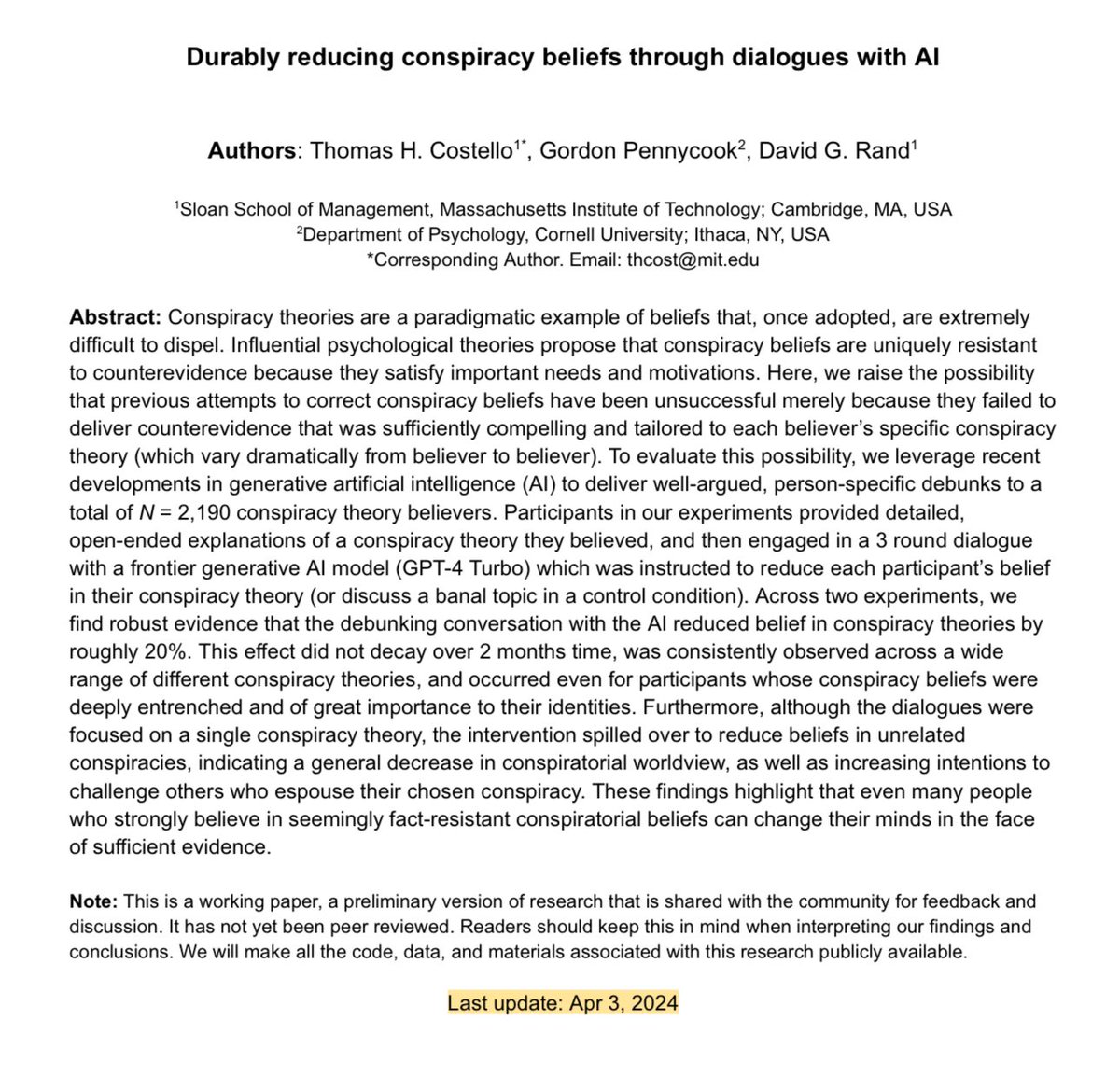
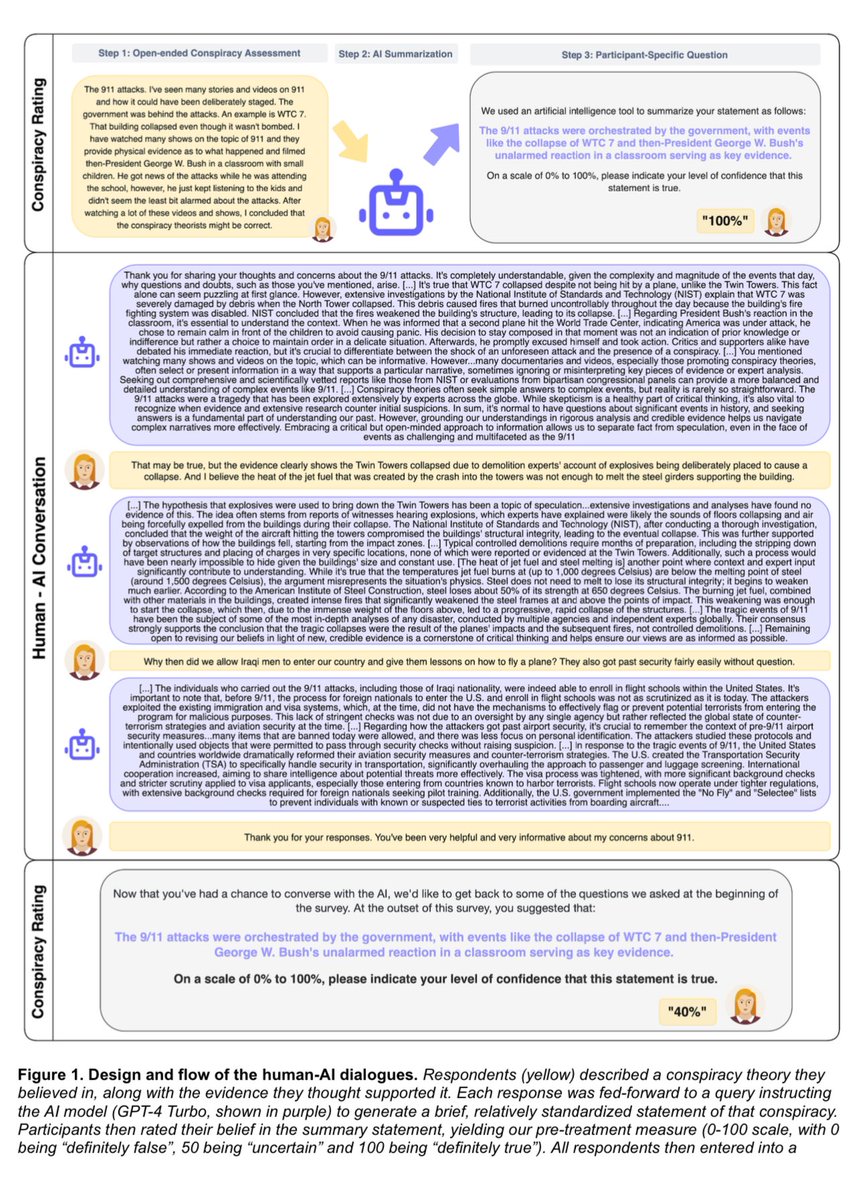
Unexpected & big: it is famously hard to get people to stop believing in conspiracy theories, but…
A controlled trial finds a 3 round debate with GPT-4 arguing the other side robustly lowers conspiracy theory beliefs and the effects persist over time, even for true believers.
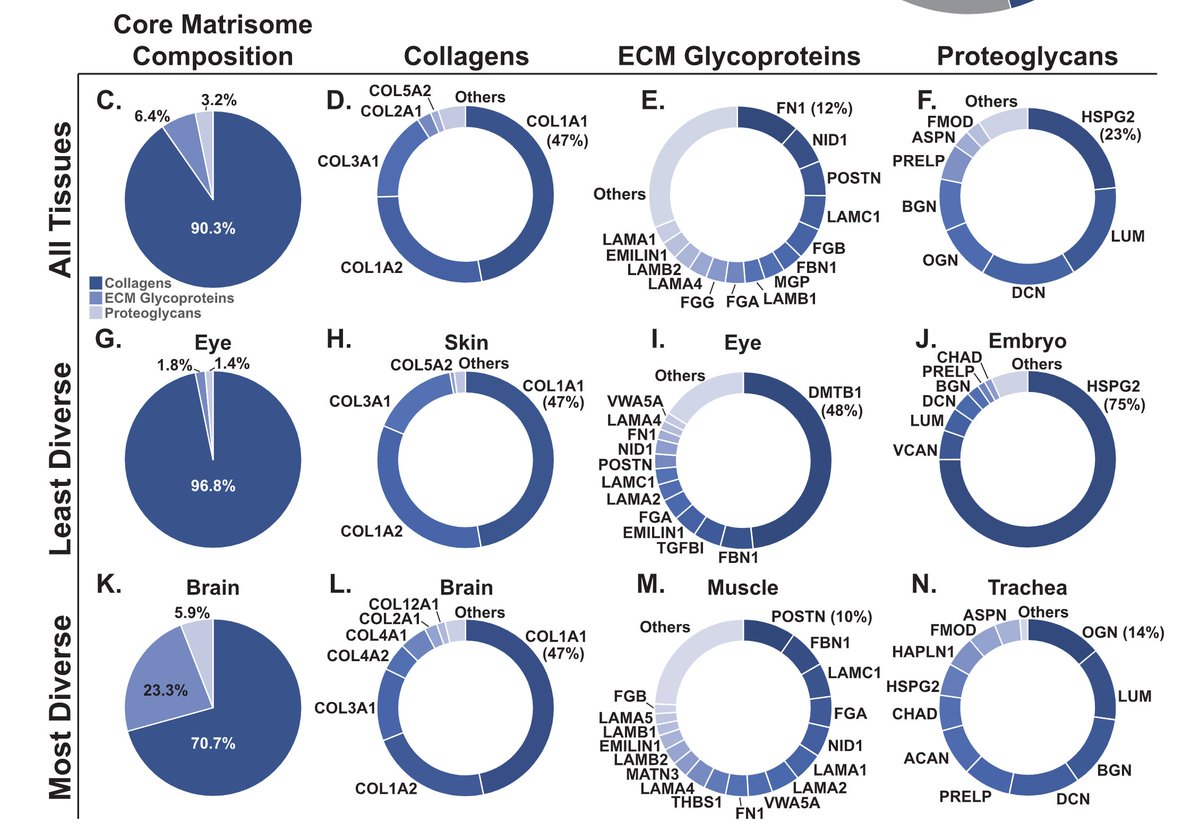
How similar is the extracellular matrix across different organs?
According to a matrisome atlas across 25 organs, its protein composition varies substantially.
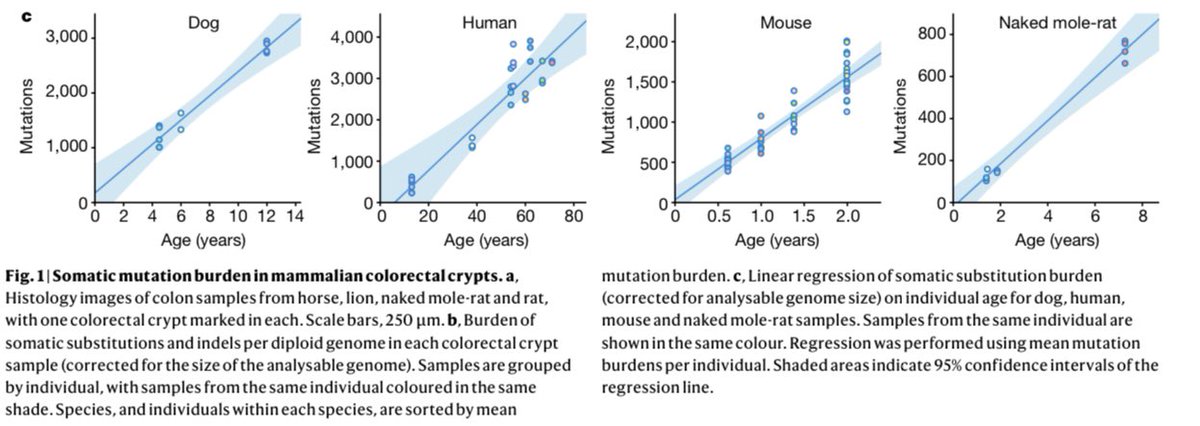
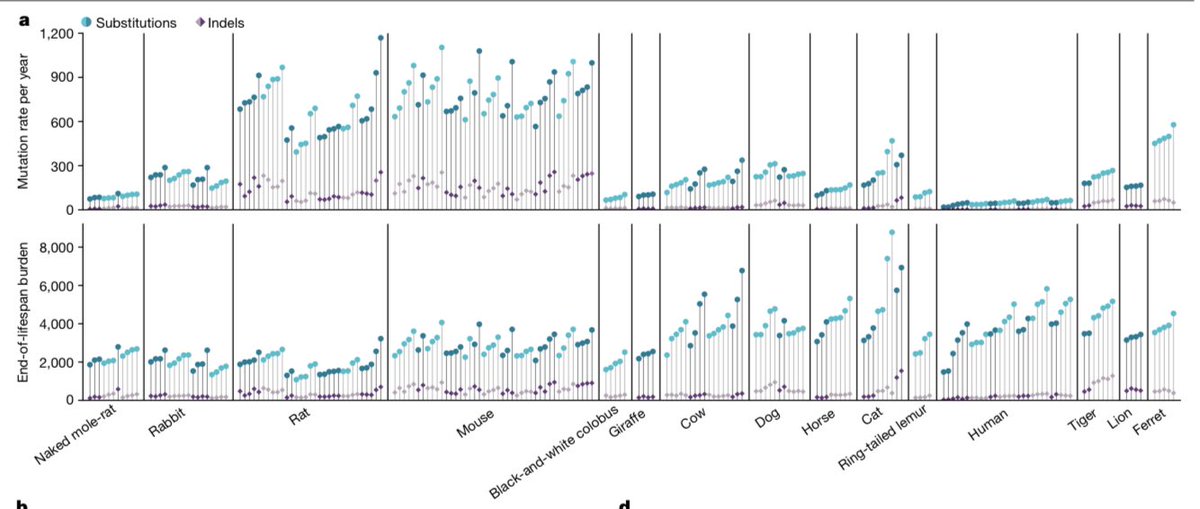
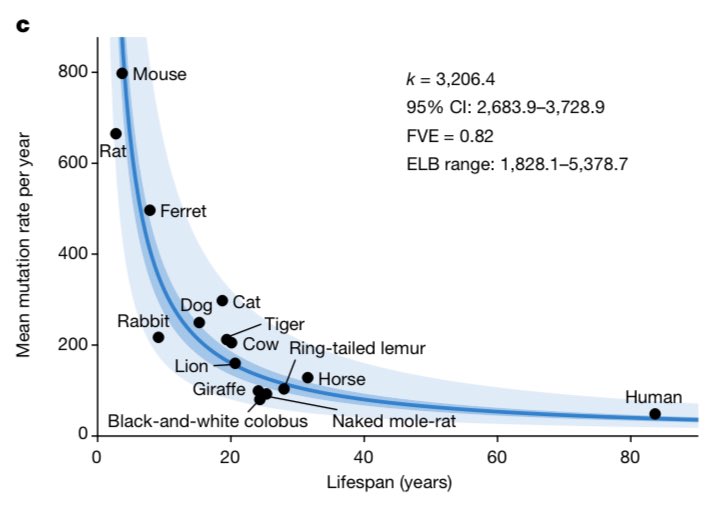
Have you seen this paper in @Nature ? https://t.co/v0yl5jt54K
I’m very skeptical about the idea that accumulation of somatic mutations could be the cause of aging. However, in this study authors demonstrated how strikingly accurate rate of mutations accumulation between species correlate (inversely) with species lifespan.
Also note, that absolute number of mutations per genome is extremely low in naked-mole rats compared to mice. (Does it mean that NMRs have more faithful DNA polymerase?)
But my skepticism still holds. Without mechanistical evidence I would say that accumulation of somatic mutations is rather consequence of aging, than its driver.
Again, look at the data. Animals ultimately accumulate around 4,000 mutations per genome. But more than 90% of our genome does not code proteins. Hence we might say that only 400 of these mutations target genes. But out of 20,000 genes in our genome one type of cell uses less than half of them. Thus, we have now only 200 plausibly detrimental mutations. However, not all mutations are missense: decrease the number again. Next, our genome is diploid and for vast majority of genes one functional copy is more than enough. What’s the probability that among these 150 mutations you will hit one of those rare genes, for which the loss of a single copy results in a strong phenotype? Or what’s the probability that among these 150 mutations you hit both copies of one gene? Finally, many proteins have isoforms with partially or even fully overlapping functions. Moreover, in this study authors used intestinal cells, a tissue known for one of the highest rate of mutations in the organism.
However, I’m not the specialist in genomics and maybe I’m totally wrong. If the answers to my doubts are already given I would be happy to hear them!
For example, I know that @VijgJan lab have data on a strong correlation between increased number of mutations in the cell and augmentation of transcriptional noise. Another argument coming to my mind is that untranslated regions of genome are less susceptible to DNA damage just because of passive protection with histones and thus mutations might target the actively translated (and hence pivotal for a cell function) regions of genome with higher probability.
couldn’t agree more about the need for more computational biologists. More importantly, we must ensure they receive the recognition and support they deserve. Their work should never be dismissed as merely “just service”. Additionally, I’d like to remind everyone of the excellent paper titled ‘All Biology is Computational Biology’. 🧬 💻
here's a quick write-up of a way I'm using @OpenAI's embeddings that I haven't seen before.
For my writing app, I want to highlight each sentence on any scale:
✨ happy — sad
✨ concrete — abstract
✨ + anything!
but had to get creative to do this cheaply, quickly, & robustly
Why do some interactions just feel great?
To find out, I wrote a 3000-word essay on deconstructing the craft of interaction design through metaphors and examples.
https://t.co/Z4jBDHcJjQ