Taze taze, sıcak sıcak yeni Medium yazım yayında 🚀
Bu sefer Silikon Vadisi’nde son dönemde çok konuşulan Forward Deployed Software Engineer (FDSE) rolünü ele aldım. Nedir, neden yükseliyor ve Türkiye’de bizi nasıl bir dönüşüm bekliyor?
Bu yazıyı umarım keyifle okursunuz. 💙
https://t.co/8sB6iw0jYs
As engineering, product, design, DS, etc. melt into a new kind of role, I was reflecting on what roles might look like in the future. For example, when I look at the Claude Code team I see what I think is five archetypes:
1. Prototyper: comes up with brand new ideas; churns out many ideas, most of which don't ship
2. Builder: quickly turns a prototype/idea into production-grade product/infra
3. Sweeper: cleans up the UI, simplifies the code and system, unships, optimizes performance
4. Grower: takes a product that has been built and iterates on it to improve Product-Market Fit
5. Maintainer: owns a mature system to make it secure, reliable, fast, and efficient as it scales
Many people span across 2 roles, and sometimes 3 roles. I also notice that these roles are not really tied to job function -- eg. across Anthropic, some designers match category 1, some 2, some 3; same for engineers, PM, DS.
A healthy team needs a mix of these, depending on the product:
- A product that is new and pre-PMF needs people that are strong at 1+2+3
- A product that is growing and has found PMF needs 2+3+4 and some 5
- A product that has strong PMF needs 3+4+5 and some 2
Maybe product roles of the future will look more like this, and less like the domain-specific roles of today?
BİRİ SOKAKTA GÖRDÜĞÜN KEDİLERİ POKEMON GİBİ TOPLAYAN BİR UYGULAMA YAPMIŞ, VE EN GÜZEL KISMI HİLEYİ İMKANSIZ HALE GETİRMESİ.
mantık basit. sokakta bir kedi görüyorsun, kamerayı açıyorsun, fotoğrafını çekiyorsun. kedi koleksiyonuna küçük bir yaratık olarak ekleniyor. kendi ismi, nadirliği, seviyesi ve istatistik sayfasıyla.
ama işi oyun yapan asıl detay şu: uygulama fotoğrafta gerçekten canlı bir kedi olup olmadığını kontrol ediyor. yani internetten resim ya da ekran görüntüsü atıp kandıramıyorsun. gidip gerçekten bulman gerekiyor.
yakaladığın her kedi nadirliğine göre bir kart oluyor, bazıları çok ender çıkıyor. bir harita üstünde de diğer oyuncuların senin yakınında bulduğu kedileri görüyorsun. çizimler eski çizgi film tarzında, krem tonları, kalın dış hatlar, baştan sona oyun gibi dursun diye yapılmış.
yapan kişi bir kediyi yakalamanın telefona fotoğraf kaydetmek gibi değil, hızlı ve eğlenceli hissettirmesini istemiş. o yüzden emeğin çoğu tanıma kısmına ve yakalama anını gerçek bir oyuna çevirmeye gitmiş.
şimdi birinin de köpek versiyonunu yapması lazım.
Drop in an SVG. Get 3D glass back in a second. That's Valessa. In your browser, no installs, fully free.
Go break it: https://t.co/kolekJoCLk
Built with @threejs#threejs#WebGL
@ntvradyo Dinlerken birşey dikkatimi çekti, M.Ö. 500 yılları için günümüzden 3000 bin yıl önce, M.S. 100 yıl öncesi içinde 2500 yıl öncesi diyor kayıtta Aylin Hanım.
bugün ai agent'larla ilgili okuduğum güzel bi paper bırakayım.
araştırmacılar, complex otomasyon task'larını otomatize etmek için ai agent'ların nasıl tasarlanıp implement edileceğini review etmiş.
paper'da ai agent ve workflow farkından başlayarak birçok konuya değiniyorlar.
kısaca: ai agent'ların 4 ana bileşeninden bahsediyorlar:
- perception,
- reasoning,
- memory,
- execution.
yani agent önce çevresini algılıyor (multimodal llm'lerle screenshot okuma, set-of-mark gibi tekniklerle ui elementlerini işaretleme), sonra ne yapacağına karar veriyor, geçmişini hatırlıyor, son olarak da aksiyona geçiyor.
reasoning kısmında chain-of-thought, tree-of-thought gibi klasik yöntemler var ama en ilginci dppm:
- task'ı parçalara ayırıyor, her parçayı paralel planlıyor, sonra birleştiriyor. böylece bir adımdaki hata tüm planı bozmuyor.
reflection mekanizmasıyla agent kendi yaptığını değerlendirip hatasından öğreniyor.
memory'de rag ile external knowledge kullanımı,
execution'da tool calling ve code generation var.
multi-agent sistemlerde her expert (planlama, reflection, error handling) kendi işine odaklanıyor.
paper'ın vurguladığı asıl sorun şu: hallucination, context window limitleri ve gui grounding zorlukları. osworld benchmark'ında insanlar %72 başarı oranına ulaşırken, en iyi modeller %43 civarında kalıyor.
We had an incredible time at Türkiye AI Summit — this year as a sponsor and with a packed session on stage 🔥
Huge thanks to the organizers, partners, and everyone who visited our booth. The energy, curiosity, and bold ideas from the community were inspiring.
During my talk, I showed how we go from idea → production in minutes — not weeks — with Docyrus Vibe No-Code.
In the live demo, we built enterprise-grade CRM, HR, and automation workflows in minutes. Same security, audit trails, access control, deployment pipelines… but done 100× faster and with zero engineering bottlenecks.
This was just a sneak peek. We’re building the future of enterprise software:
- AI-native
- Secure and governed
- No-code + Vibe No-code
- Scale from prototype to production without switching tools
Thank you again to everyone who stopped by our booth. Exciting partnerships are already in motion — and we’re just getting started 🚀
More demos, use-cases, and benchmarks are coming in the next days. Stay tuned 👀
@turkiyeai@Docyrusapp
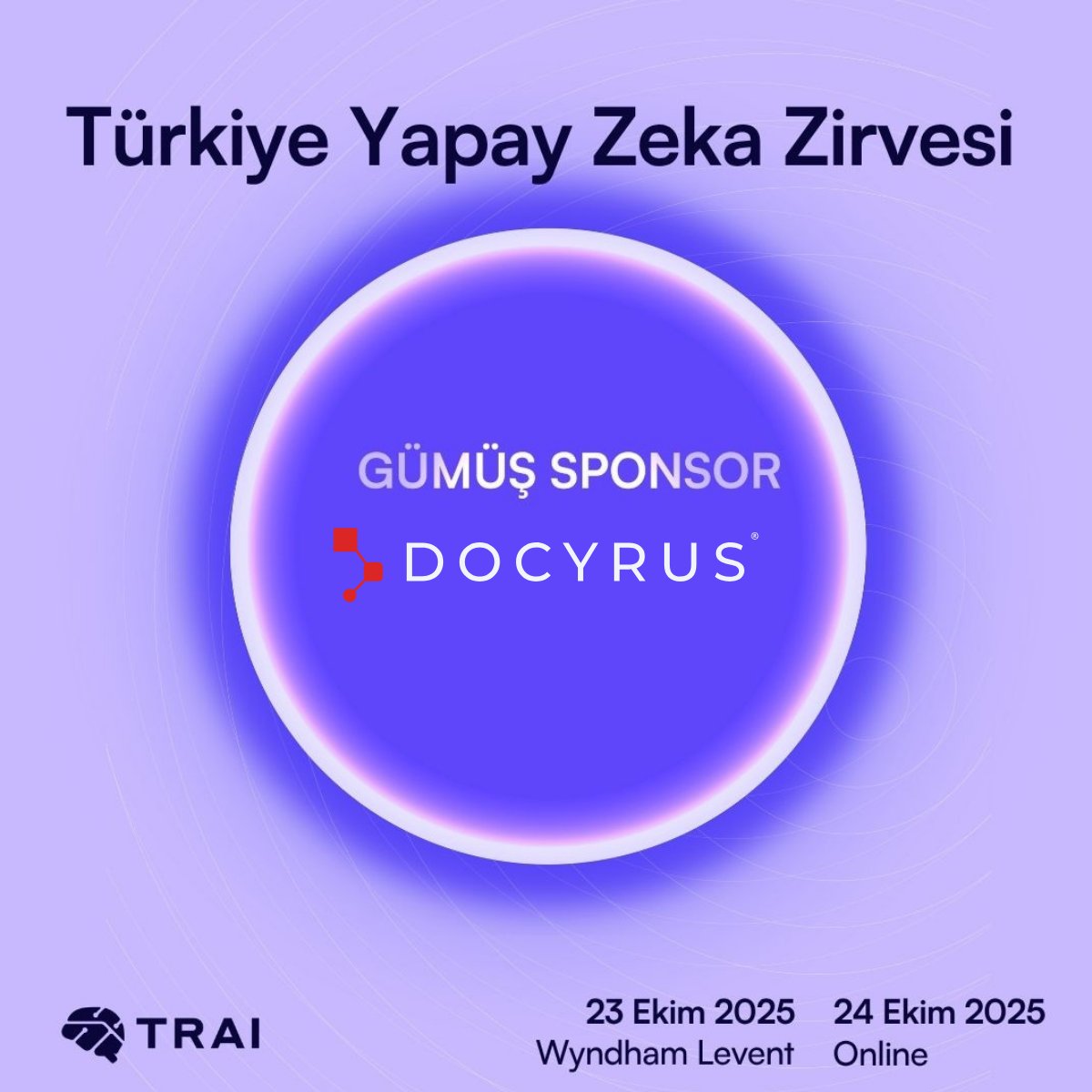
Docyrus joins the @turkiyeai Summit as a Silver Sponsor.
On October 23–24, we’ll showcase how companies & teams can turn their ideas into ready-to-use web & mobile apps and AI agents in seconds with the Docyrus platform.
Think it, Build it, Use it!
Nano banana + n8n + Claude = AI Ad Factory
This system pumps out TikTok/FB/IG static ads on autopilot using Google's new image model...
- No writers.
- No strategists.
- No $15K+ monthly content teams.
Just endless, high-converting content at scale.
Perfect for e-comm operators & creative agencies.
Here's how it works:
→ Upload business context into intelligence engine
→ n8n pulls audience psychology & brand voice patterns
→ Claude generates content variations across platforms
→ Auto-formats for LinkedIn, Twitter, newsletters, YouTube
→ Applies psychological triggers & engagement hooks
→ Logs performance data back to system for optimization
Built with Google's Nano Banana image model.
Runs 24/7 without supervision.
Perfect voice consistency every time.
Want the complete system?
Like + comment "FACTORY" + repost, and I'll DM it to you.
(must be following)
In the early 2010s, we were searching for a CRM. Zoho and Salesforce were on the table as strong global solutions. That’s when we discovered Kiva Technology, and KivaCRM quickly became the core of our business.
Whoever you are; product manager, sales leader, operations manager, or developer —if you deeply understand your domain and can clearly describe your needs, you’ll be the one building the most powerful systems of tomorrow.
Why this matters: Scalability: Multiple agents can handle large-scale problems more efficiently than any single model. Collaboration & Coordination: Agents can specialize in different tasks, sharing insights and best approaches.
Robustness & Resilience: If one agent fails or gets stuck, others can step in and keep the system running smoothly. Adaptability: Multi-agent setups learn from each other’s successes and mistakes, accelerating innovation.