Kimyager ve güvenlik değerlendiricisiyim, @uniquealphabet kurucu ortağıyım. TR, EU ve UK kozmetik güvenlik danışmanlığı yapıyorum.
Bu hesapta: kozmetik güvenlik ve regülasyonun sahadaki hali; etiket, iddia, test ve uyum süreçleri, Türkiye'den ve Avrupa'dan notlarla.
@dranatomikro Etiket tarafından küçük bir ek: Kozmetik Ürünler Yönetmeliği md. 22'ye göre içerik listesi %1'in üstündeki maddeleri azalan miktarla sıralar, %1'in altındakiler herhangi bir sırayla yazılabilir. Yani listede üç tanıdık isim görmek, ne kadar konduğunu söylemiyor.
@glrsntrk SLS ile SLES sık karıştırılıyor, ikisi farklı molekül. CIR'ın 1983 değerlendirmesine göre SLS kısa temaslı ve iyice durulanan üründe güvenli; ciltte uzun kalan üründe sınır %1. Yani asıl soru "var mı" değil; hangi üründe, ne oranda ve ne kadar temasla.
@glrsntrk Miktar kısmına küçük bir mevzuat notu: AB 2024/996 ile retinol ve esterleri vücut losyonunda en fazla %0,05, diğer ürünlerde %0,3 retinol eşdeğeriyle sınırlandı; etikette A vitamini uyarısı da zorunlu. Ürün seçerken bu oran iyi bir referans.
@ChemLinked Worth noting the scope: ISO 23675 (double-plate in vitro SPF) covers emulsions and alcoholic one-phase products only, not powders or sticks, and it gives static SPF, not water resistance. So sticks and water-resistance claims sit outside it.
Kremin 30 aylık raf ömrü stabilite testiyle kanıtlanır. Dosyanın ise sabit bir süresi yok: AB 1223/2009 md. 11, ürün bilgi dosyasının güncel tutulmasını istiyor. Ek değişince güvenlilik değerlendirmesine de yeniden bakmak gerekiyor. https://t.co/4NX2bZkUsQ
Kremin raf ömrü 30 ay. Dosyasının raf ömrü kaç ay? 2026'nın ilk dört ayında AB ve Büyük Britanya kozmetik eklerini dört kez değiştirdi. Dosya kremden önce bozuluyor.
https://t.co/GvCQsGbD5X
@reson101@PremBeautyNews@SchwanCosmetics Yes. EU allergen updates (2023/1545 etc.) are tracked daily and affected products get flagged. IFRA checks always use the current Standards. And when a supplier uploads a new IFRA cert or allergen statement, the formulas using that material are flagged too.
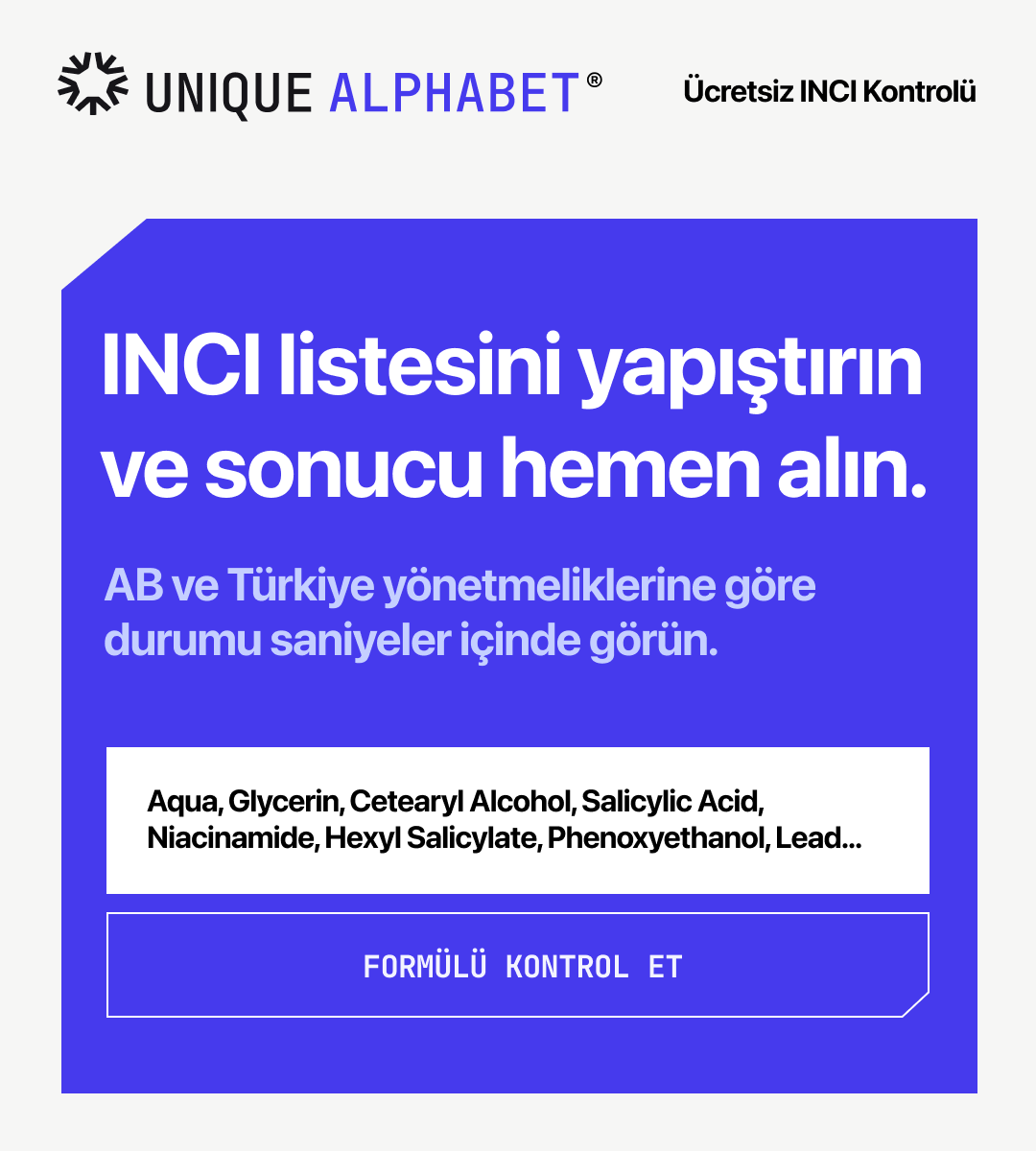
Kozmetik ürününüzün INCI listesini yapıştırın, saniyeler içinde AB ve Türkiye yönetmeliklerine göre durumunu görün. Hesap gerekmiyor, deneyin.
https://t.co/qyt2KqtA60
@reson101 Yes, that route is covered. These processes have to be designed right for every party. That's why in our software the supplier can choose to keep the composition they share hidden.
Fason sözleşmelerinde çoğu zaman yazılmayan bir satır var: sözleşme bitince dosya kime teslim ediliyor? Ürün piyasada kaldıkça dosyanın da bir sahibi olmalı.
@reson101@PremBeautyNews@SchwanCosmetics Good question. Each doc type versions differently. A new SDS, TDS, IFRA or allergen statement archives the old one with version, revision date and language. CoAs are per lot: lot no. required, each lot its own doc, with an expiry warning. Which part slows your reviews most?
@reson101 Depends on the contract. If the client has fully acquired the product rights, the product file is handed over to them. If they're adapting a product whose rights stay with me, the file stays entirely with me.
@reson101@PremBeautyNews@SchwanCosmetics Honestly it's less about which document and more about how fast the raw material supplier or contract manufacturer can deliver it. Many still send documents manually by email. That's why we're now testing a fast document exchange portal to bridge that gap.
@reson101@PremBeautyNews@SchwanCosmetics The fragrance's IFRA certificate, definitely up front. Without it the formula composition never fully comes together. Ideally, other documents like raw material SDSs are ready from the start too, and can be added or updated as the work goes on.
Bir mevzuat değişikliğinin hangi ürünü etkilediğini bulmak için artık ekleri elle taramıyoruz. Bugünden itibaren bunu herkes kendi formülüyle deneyebilir. Deneyen herkesin geri bildirimini tek tek okuyacağım. https://t.co/SxdWNErtZM
Ürün dosyanız kaydedildiği an eskimeye başlıyor. Unique Alphabet bugün herkese açık. PIF 2.0, mevzuatı izleyen ve yaşayan bir ürün dosyası. Free planda kart yok, ilk 14 gün tam erişim. https://t.co/ZAyZTg4rVS
Koruyucu etkinlik testinde formüle bilinçli olarak mikroorganizma eklenir, 7, 14 ve 28. günlerde sayıların düşüp düşmediğine bakılır. 28 gün sabır değil, standardın süresi. https://t.co/7nZQsKEnVn
Bu numunenin sonucu 28 gün sonra çıkacak; koruyucu etkinlik testini hızlandırmanın yolu yok. Testi sona bırakırsanız ürünün çıkışı bir ay kayar.
https://t.co/PQU7xemZVZ
@DrugStoreNews "Free-from" tells you what's left out, not whether the product is safe or well preserved. That part comes from the safety assessment and the challenge test. In Türkiye, TİTCK's claims guidance doesn't allow a "paraben-free" claim at all.
@MagicOil_XSEED Worth adding: the signature is only as good as the data behind it. Part A needs supplier tox and impurity data, stability and challenge test results, and an exposure calc for that exact use. Change the formula or a supplier and the CPSR has to be revisited.
@startups_watch İyi bir çerçeve. B2B uyum yazılımlarının katkısı genellikle dolaylı kaldığı için bu tür etiketler görünür kılıyor. Mevzuatı formülle eşleştiren bir araç, hem sorumlu üretimi hem de piyasadaki ürün güvenliğini somut olarak etkiliyor.
@ChemLinked The pattern in those monthly cases is rarely a banned INCI hiding in plain sight. It's usually a mismatch between the notified formula, the actual batch, or a claim the safety assessor never signed off. Brands underestimate it when they treat notification as a one-time filing.
@chemicalwatch Borderline is the part brands get late. A leave-on skin product with a primary antimicrobial claim can leave 1223/2009 and fall under BPR, even if the INCI list still looks like a cosmetic. The classification has to be fixed before the safety report is written, not after.