@namjoestar En fait ça a juste la tête d’une grande ville d’Europe quoi 😭 il y a des beaux cartiers , des cartiers moins biens , des cartiers qui craignent comme partout en fait jsp pour qui ils se prennent , pour moi ils sont racistes parce qu’ils voient pas les mêmes personnes en Pologne
@skintyromance It was just a reference to the original tweet in French where they called Poland a village (campagne profonde) but I meant whole Poland, even big cities
Mieszkałam w Belgii przez prawie rok i szczerze to Polska znacznie przerasta Belgię jeszcze chodzi o jakość życia pod wieloma aspektami. Syf i smród, bo system wywozu śmieci jest tragiczny (wystawianie worków wieczorem na ulicy przed domem, żeby rano je zabrali, a szczury w nocy+
@seren_dipity18 No cóż, ja w Belgii mieszkałam 10 miesięcy i też uważam, że mimo że w Belgii jest mnóstwo pięknej architektury i miejsc, to wiele miejsc jest po prostu brudnych, śmierdzących, niezadbanych i niebezpiecznych. Po prostu Polska jest czystsza i bezpieczniejsza, więc dla wielu to szok
+hotel w innej dzielnicy, bo jakaś tam jest niebezpieczna - my w naszej wiosce Polsce nie mamy takich problemów. Wszędzie jest jednakowo bezpiecznie i jadąc do „rozwiniętych krajów zachodu” po prostu nie myślimy o takich rzeczach, bo u nas ludzie nie chodzą z nożami po ulicach
+je rozrywają i te śmieci walają się po ulicach. Zero drzew na uliczkach mieszkalnych, ludzie szczając po murach i to czuć. A czułam się niebezpiecznie chodząc po ulicach nie przez wielokulturowość, ale przez ćpunów na ulicy, również białych. A wymówka, że trzeba było rezerwować+
@suzaan161@10veIeeten hejka, chciałabym zacząć się uczyć chińskiego na własną rękę, czy masz może do polecenia jakieś materiały na start? czy jest to w ogóle do ogarnięcia samej, czy jednak nauczyciel od początku to byłby lepszy pomysł?
@lebatrofmok Jak planujesz się wyprowadzić do miasta oddalonego o więcej niż 80 km od tego, gdzie teraz mieszkasz, to polecam sprawdzenie w urzędzie pracy czy możesz zaaplikować o bon na zasiedlenie, to jest kilkanaście tys. bezzwrotnego dofinansowania na pokrycie kosztów przeprowadzki
Poród na SOR-ze od 1 lutego 2026. Decyzja, która cofa Polskę o dekady
Od 1 lutego 2026 roku rząd planuje wprowadzić możliwość (a w praktyce- konieczność) porodów na Szpitalnych Oddziałach Ratunkowych. Decyzja ta przedstawiana jest jako „organizacyjna” i „systemowa”. W rzeczywistości jest czymś znacznie poważniejszym: cofnięciem standardów opieki okołoporodowej i uderzeniem w poczucie bezpieczeństwa kobiet.
Nie piszę tego jako komentatorka z zewnątrz. Piszę to jako kobieta, która rodziła trzy razy.
Pierwsze dziecko urodziłam za granicą. Kolejne dwoje w Polsce. Każdy z tych porodów odbył się w warunkach godnych, spokojnych i bezpiecznych. Korzystałam z udogodnień, które jeszcze kilkanaście lat temu były luksusem, a dziś są standardem: indywidualna sala porodowa, poszanowanie intymności, możliwość ruchu, wsparcie personelu, dostęp do nowoczesnej opieki.
I właśnie dlatego z tak wielkim niepokojem patrzę na decyzję, która ten standard de facto demontuje.
SOR to nie jest miejsce na poród !
Szpitalny Oddział Ratunkowy to przestrzeń przeznaczona do ratowania życia w stanach nagłych: wypadki, urazy, ostre stany chorobowe. To miejsce chaosu, presji czasu, dramatów. Obok rodzącej kobiety leżą tam osoby z ciężkimi obrażeniami, pod wpływem alkoholu, z urazami głowy, po wypadkach.
Poród nie jest „nagłym incydentem medycznym”. Jest fizjologicznym, głęboko intymnym procesem. Wymaga spokoju, koncentracji, poczucia bezpieczeństwa. Przeniesienie porodów na SOR nie jest reorganizacją. Jest odebraniem kobietom godności.
Efekt? Strach zamiast decyzji o macierzyństwie
Nie trzeba być demografem, by przewidzieć skutki. Młode kobiety, widząc wizję porodu w warunkach ratunkowych, zaczną się bać. A strach jest jednym z najsilniejszych czynników wpływających na decyzje prokreacyjne.
To nie jest teoria spiskowa. To psychologia i doświadczenie. Już dziś kobiety wymieniają się traumatycznymi historiami porodów. Już dziś strach przed porodem jest realnym powodem odkładania macierzyństwa. Ta decyzja tylko ten lęk wzmocni.
A potem usłyszymy, że „dzietność znowu spada”.
Cofamy się, gdy świat idzie do przodu
Jeszcze niedawno mówiliśmy o porodach w wodzie, o rooming-in, o porodach rodzinnych, o partnerskiej relacji z położną i lekarzem. O budowaniu zaufania do systemu ochrony zdrowia.
Dziś mówimy kobietom: „urodzisz na SOR-ze, bo tak jest wygodniej dla systemu”.
To nie jest postęp. To regres!!!
Państwo, które nie szanuje kobiet, nie zbuduje przyszłości!
Jeśli państwo naprawdę chce rozmawiać o demografii, musi zacząć od szacunku. Od bezpieczeństwa. Od godności kobiet w jednym z najważniejszych momentów ich życia.
Poród na SOR-ze nie jest rozwiązaniem problemów systemu ochrony zdrowia. Jest przerzuceniem kosztów tych problemów na kobiety – ich ciała, psychikę i poczucie bezpieczeństwa.
I to jest decyzja, z którą nie powinniśmy się godzić w ciszy.
@SolPoznan
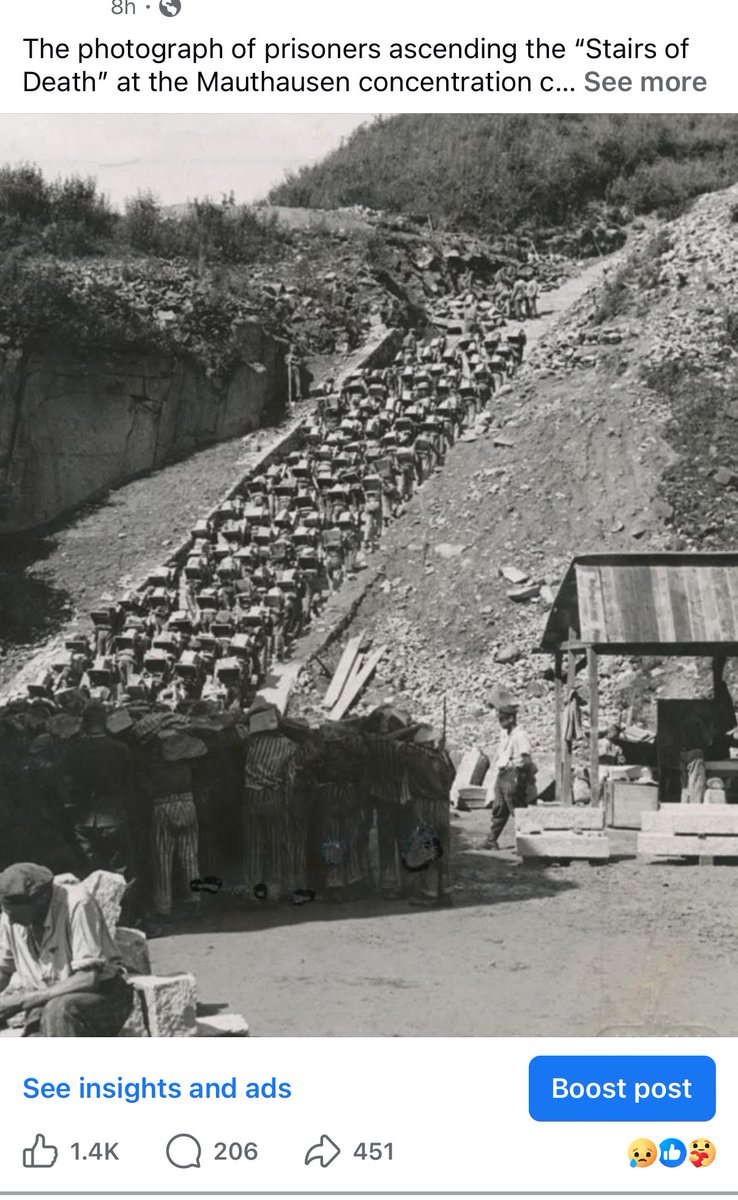
The photograph of prisoners climbing the “Stairs of Death” at Mauthausen shows one of the most brutal killing mechanisms of the German camp system. Men were forced to haul granite blocks up 186 steep steps, each climb a battle against exhaustion, starvation, violence, and deliberate cruelty. Many collapsed; many were shot; others were pushed to their deaths. Mauthausen was built for “extermination by labor,” the harshest Category III classification, intended for prisoners the Reich meant to annihilate.
In public memory, Mauthausen is often associated mainly with Jewish suffering, and Jewish prisoners indeed endured horrific treatment there. But the fuller truth is that Poles formed the largest victim group in the camp complex, especially between 1940 and 1943. Around 47,000 Poles passed through Mauthausen, more than any other national group, and significantly more than the approximately 38,000 Jewish prisoners (Mauthausen-Gusen Memorial; USHMM). This does not lessen Jewish tragedy; it restores historical accuracy long obscured.
Poles were targeted early, systematically, and in enormous numbers. Intellectuals, clergy, teachers, youth leaders, resistance members, and ordinary civilians swept up in mass round-ups were deported to Mauthausen as “incorrigible enemies” of the Reich. Many were worked to death in the quarries, beaten, shot at the so-called “parachutist wall,” or collapsed on the stone steps carrying loads no human being could endure. Survivors describe a level of cruelty toward Poles that combined racial hatred with political vengeance.
Yet this scale of Polish suffering is rarely acknowledged in the West. Cold War politics and simplified narratives pushed Polish victimhood to the margins, even though Poles were central to the population, labor system, and mortality of the camp.
Knowing this changes how we see that famous photograph. Many of the men climbing those steps were Polish teachers torn from classrooms, teenagers arrested for underground activity, priests seized in the AB-Aktion, Home Army members betrayed and deported, or civilians taken randomly from Polish city streets. They carried not only granite but the weight of a nation the Germans sought to destroy.
Restoring Poles to the memory of Mauthausen and the German genocide does not diminish anyone else’s suffering. It honors the truth: the Polish tragedy was immense, and Poles were among the primary victims of German terror. Jewish, Polish, Roma, Czech, Soviet POW’s and other prisoners endured the same boots, the same dust, the same merciless system of annihilation.
To elevate one group’s tragedy by diminishing another distorts history and risks returning to the mindset that divided human beings into categories of worth. Every victim of the German occupation deserves equal remembrance, because every life mattered.
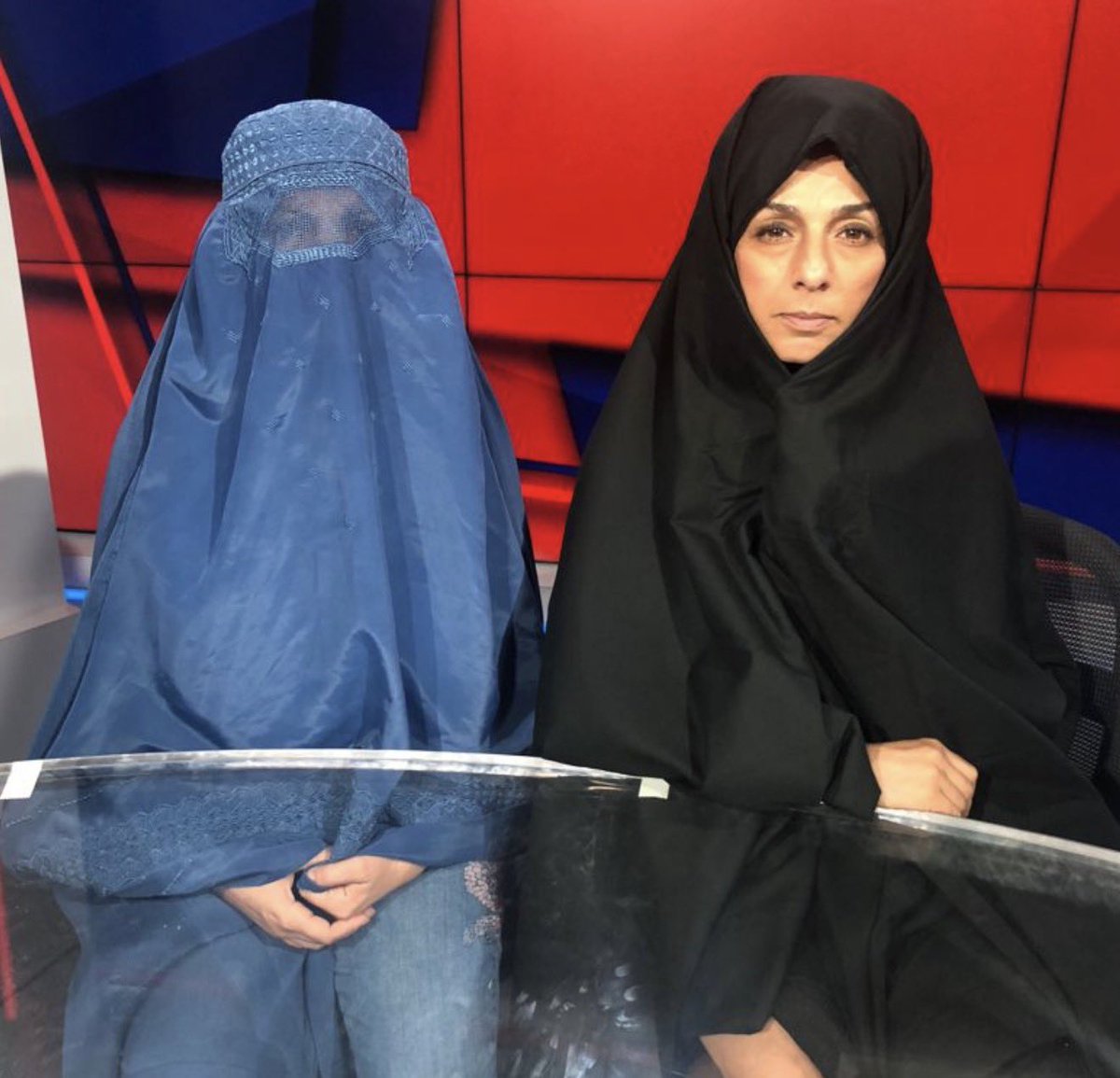
In the first image, you see an Australian MP wearing a burqa in Parliament to debate banning the burqa for women.
In the second image, it’s me and my friend, two women who have actually lived under the reality of forced burqas and hijabs imposed by the Taliban and the Islamic Republic appearing in an American TV.
Now I learned that the debate on Banning the burqa wasn’t even allowed onto the floor of the Australian Senate. I understand these issues can feel politically risky. But let’s be honest: for us women of Iran and Afghanistan who lived under forced hijab and burqa, this is not an abstract political debate, it is the reality we survived.
We were suffocated by it.
I was beaten by Iran’s morality police for showing my hair.
Afghan and Iranian girls have been lashed, even killed, just for talking about their rights.
And even thousands of miles away, we face assassination plots for the “crime” of asking for a debate on forced hijab.
This isn’t culture.
It’s oppression, exported globally.
What some call “culture,” we recognize as gender apartheid enforced by the Taliban and the Islamic Republic.
This is why I want to extend an invitation to you @PaulineHansonOz, @SenatorPayman, and members of the Australian Parliament:
Open your Parliament to those of us who lived under forced hijab and burqa.
Let Afghan and Iranian women share the truth directly with you, to offer a clearer and more human understanding of what millions of women face today.
Australia has a proud democratic tradition of hearing voices, not silencing discussion.
Including us would honour that tradition.
We don’t ask to be spoken about.
We ask to be heard.
Unless she was using VPN, Maria Skłodowska-Curie was definitely Polish. Marrying a French guy doesn't make you French. Just ask Salma Hayek. PS. The Albanians may also have something to say about #14.