💡New paper alert!💡
I'm thrilled to share that paper #2 of my PhD is now published in JGR Earth Surface!
https://t.co/vTRyNfdmtS
If you're interested in subglacial lakes, grounding zone dynamics and what happens beneath the margins of the Antarctic ice sheet - read on! 🧵����
We're recruiting for an ice fracture modeller @BAS_News to help us understand iceberg formation and its influence on sea level rise. 🧊🔍🧑💻Advert closes soon - 7th July 2024! Apply here: https://t.co/oGIW9BEGFI
Interested in Antarctic snow layering and the hidden crevasses beneath? Apply for an @EoCdt PhD with @BAS_News, @GeosciencesEd and @DLR_en investigating snow properties using multi-frequency satellite data. Further info: https://t.co/65ctpUktyP *Apply by 15th Jan '23*
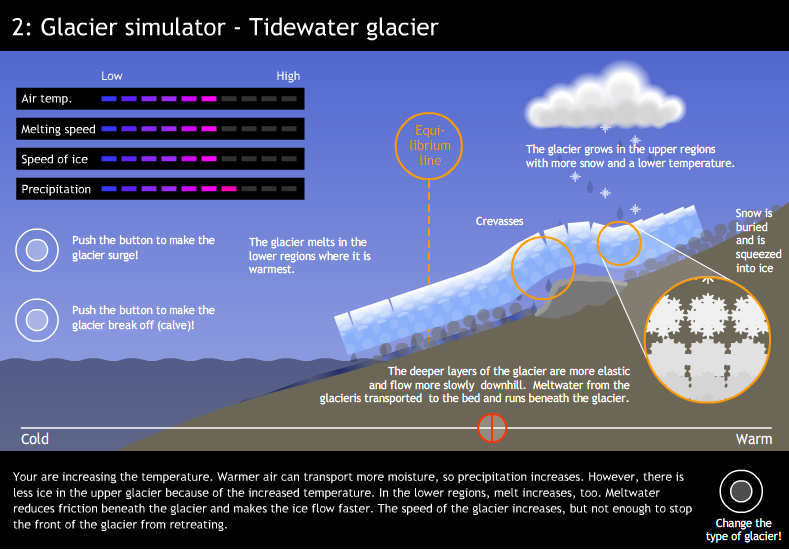
@helenafricker If you mean this one, I think it ran in Adobe Flash which is no longer supported. I have an .exe file of it, if that's any use, but I don't think you'll find it online anymore.
BAS continues to monitor the #BruntIceShelf in #Antarctica and iceberg A74, which calved earlier this year. #A74 and has moved 30 km in the last 3 days, driven by strong easterly winds. Follow latest progress in this animation from glaciologist Oliver Marsh @ojmarsh
@Benjjwallis @BBCAmos @musthaveitnow@ESA_EO@BAS_News@EoCdt@usnatice Yes that section that's separated to the north is fast sea ice that has been filling in the old Brunt-Stancomb Chasm. BSC has been fairly inactive for a decade or so though, so it's probably at least several metres thick.
@BBCAmos @BAS_News GPSs have been moving about 8 m/day on average as @AdrianLuckham's maps show, but jumped about 100 metres in an hour between 8am and 9am UK time.