Instead of #veganuary ,why not make a real effort to consider the overall impact of your diet - i.e. water footprint, chemical inputs - & try to eat as sustainably as possible for the next month. #plantbased foods aren't always the most sustainable option. Call it #Sustainuary
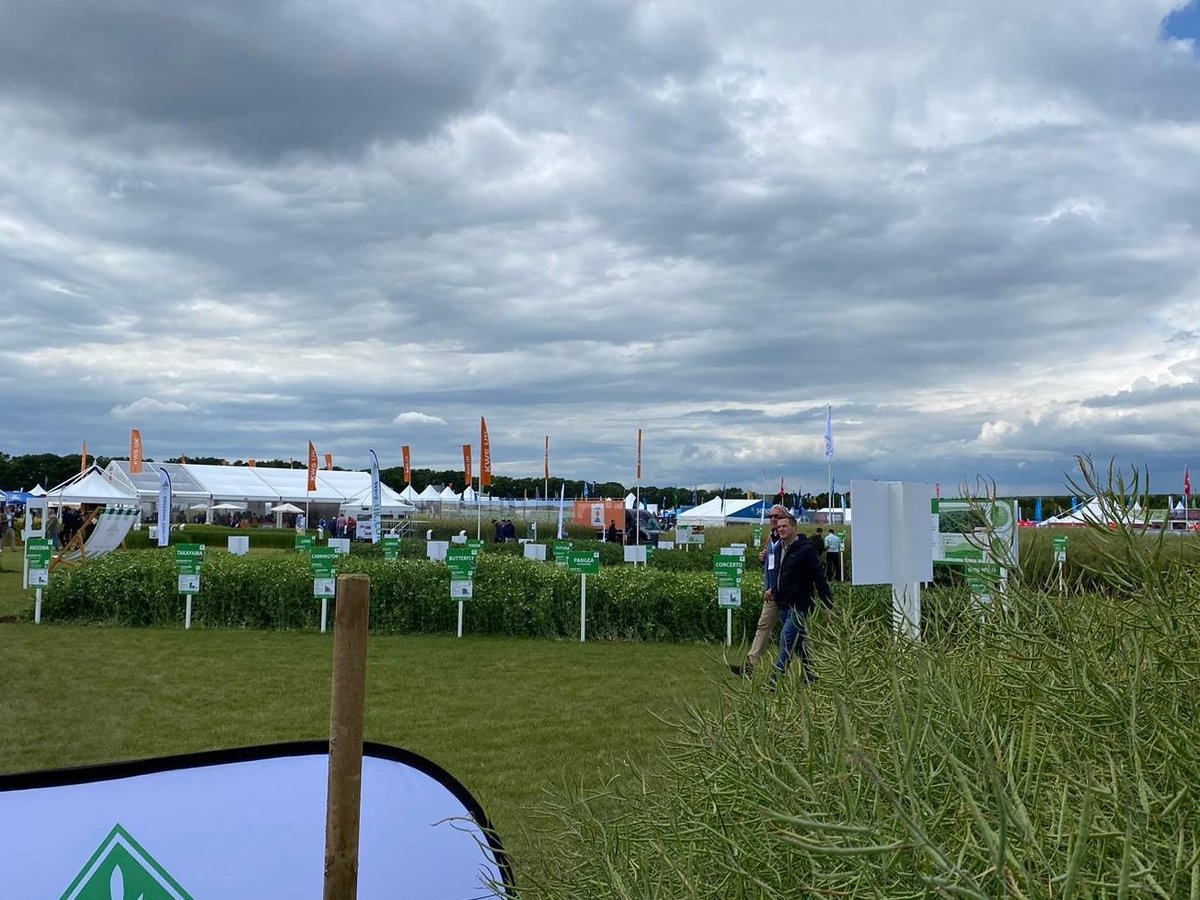
Did you catch Trinity's @olirubes at today's #SFI session at @CerealsEvent?🌾Here's his take-home advice for farmers.
"With some careful management, farmers can use their #SFI options to leverage additional value from the #naturalcapital they deliver, whether it’s accessing new income streams from the natural capital markets, accessing premium sustainable contracts, or obtaining better financial terms.
"This all hinges on availability of data, so good record keeping is key and is never wasted effort. If you can’t evidence it, you can’t get paid for it!"
@mydirectdriller #Cereals2024
A great farming friend @parker419 has sustained a life changing injury and will needs financial support to move forward with life .One way the farming community can show their appreciation towards a wonderful friend is leaving a donation here:
https://t.co/WaUi2Mpzok
Thank you.
Likewise, if the tool being used excludes (or largely overlooks) large parts of your farming system, again question why this is the case. If you're a livestock farmer and you're being asked to use a product that doesn't cater for grazing or grassland, how useful is this output?
Farmers, this is really important. We now have minimum standards for carbon footprinting recommended by Defra. If you're involved in a supply-chain project to measure your emissions and the tool being used doesn't meet these standards, I would encourage you to question this.
❗ @TheGrocer has shared an opinion letter from Dr Emily Pope, our managing director of knowledge and collaboration at Trinity Global Farm Pioneers, explaining why the reliability of the tools employed to measure carbon footprints in the food supply chain is a critical issue.
https://t.co/AZ8vheDR9z
As part of my mission to bring sustainably produced, healthy British grains and seeds to more consumers I'm developing a new range of cereal bars. I'd be incredibly grateful if you could complete my 3 minute survey. https://t.co/5JN5amveQn
@Channel4News@_HannahRitchie@krishgm The whole point of eating local food is that it allows you to directly incentivise the production systems that you want to support! Buying food is the same as casting a vote. It's much easier to do this with short, direct, local supply chains.
@turbotechdog Worth pointing out that @TrinityAgTech 's Sandy software uses a blended approach where primary soil samples combined with the IPCC 2019 soil carbon model. More info in the Defra harmonising carbon accounting report. Soil samples alone is not enough, needs some sort of model too.
This may not be the most exciting announcement, but believe me, this is a HUGE step forward. There now IS a recommendation for minimum standards in measuring the carbon footprint of a farm or estate. A major reason for inaction has now been removed!
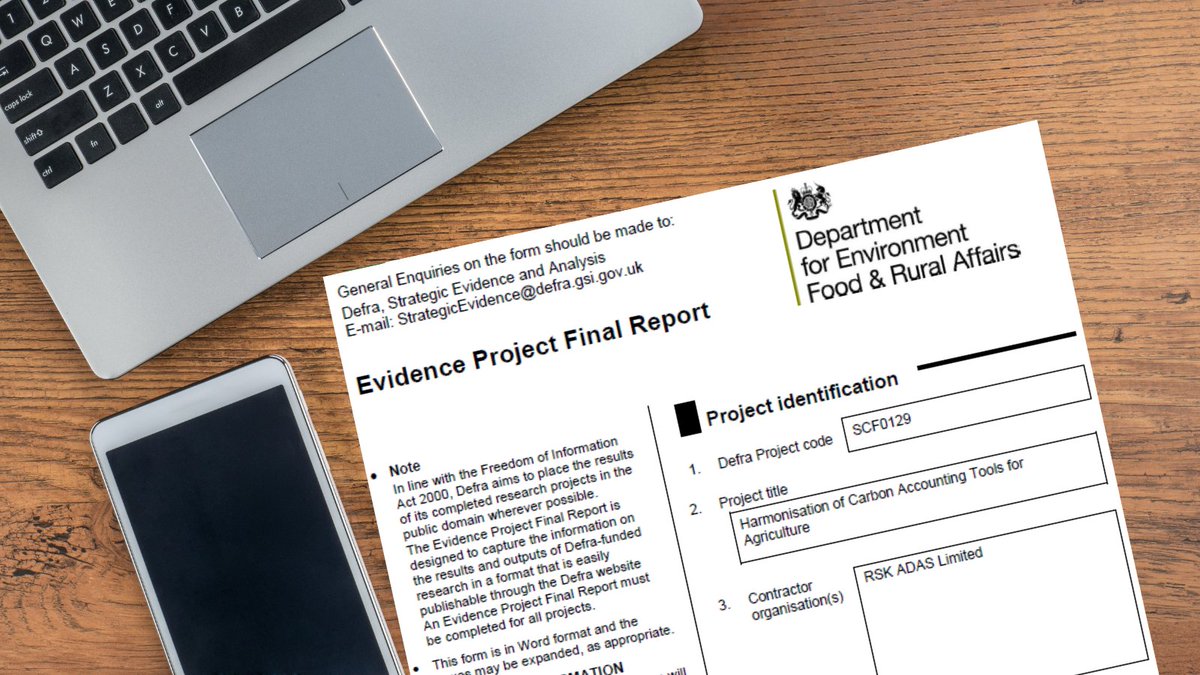
📣 Have you seen the breaking news that @DefraGovUK has published a report providing long-awaited guidance on standards and necessary analytical rigour for farm-level carbon accounting?
It culminates a year-long investigation and offers an in-depth analysis of the carbon assessment tools most relevant for food and farming. 🚜🌳
We’ve produced a shorter summary of the report, you can download it here: https://t.co/qoOONyTOdn
You can also read @TrinityAgTech specific summary of the report here https://t.co/rvXaw2pMIy . Huge step forward for farming sector. Not least because it finally recommends ISO 14064-2 and ISO 14067 as key minimum standards. Trinity's Sandy software is only one to meet both!
Major news for carbon accounting on-farm 📢
After a year of investigation, @DefraGovUK has published a new report, providing much called for and awaited guidance on appropriate standards and necessary analytical rigour for farm-level carbon accounting ✅
Read the full Harmonisation of Carbon Accounting Tools for Agriculture report here: https://t.co/7GdazbLYLp
@DGWilkinson@TrinityAgTech Ah I see. Well the emissions intensity figure will take into account yield changes vs. input efficiency. Likewise, if used to generate carbon credits for example, Sandy makes yield impact adjustment to prevent carbon "leakage" from displacing production impact.
@TrinityAgTech It also puts an end to the idea that "It doesn't matter which tool you use to measure your carbon footprint as long as you're consistent". As this report shows, nothing could be further from the truth. Great to see this recognised by Defra.
@danrejto@_HannahRitchie @linusblomqvist @TrinityAgTech Not published Dan, as were done with individual Trinity farmer clients, although have been presented at events. Model combines grass growth curve biomass model + IPCC 2019 soil carbon model. User can add their own grass growth measurements & soil samples or just rely on model.
@_HannahRitchie@danrejto @linusblomqvist @TrinityAgTech Clearly not just a case of "I have grass so am net zero" but if farmers reduce finishing time and then combine this with no embedded emissions from bought-in feed, carbon footprint drops rapidly. Totally possible to be net zero.
@_HannahRitchie@danrejto @linusblomqvist @TrinityAgTech Those mean carbon footprint figures are many times higher than a "typical" UK producer, even someone who isn't using regenerative grazing practices. When you take wider natural capital value into account from well-managed grazing, it looks even more favourable.