Perhaps my most controversial opinion: In machine learning education, the focus on supervised learning and particularly on classification problems gives people a totally misguided idea about how to use data to solve real problems.
Until recently I had no idea that game engines are basically eating the world. Urban planning, architecture, automotive engineering firms, live music and events, filmmaking, etc. have all shifted a lot of their workflows/design processes to Unreal Engine and Unity
I've been reflecting a lot on why data science is so hard to do well. My current mental model: value is generated multiplicatively.
You must get each thing right or it's worth almost nothing:
- Formulate good questions
- Quality data
- Correct analysis
- Communicate findings
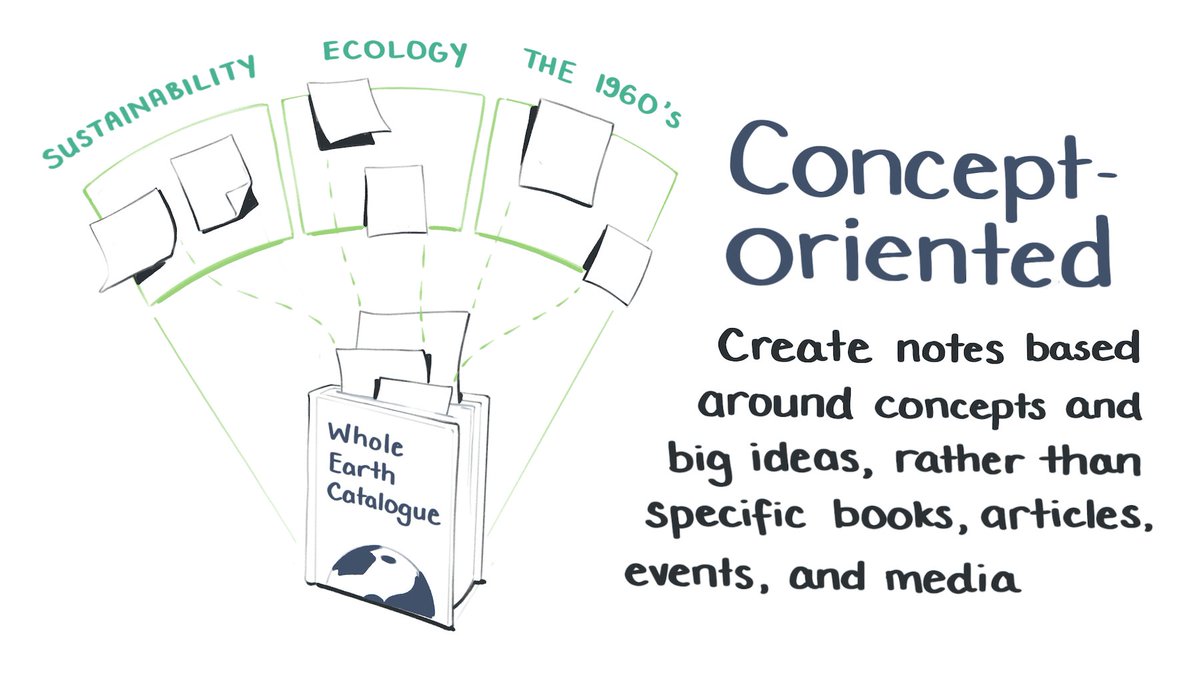
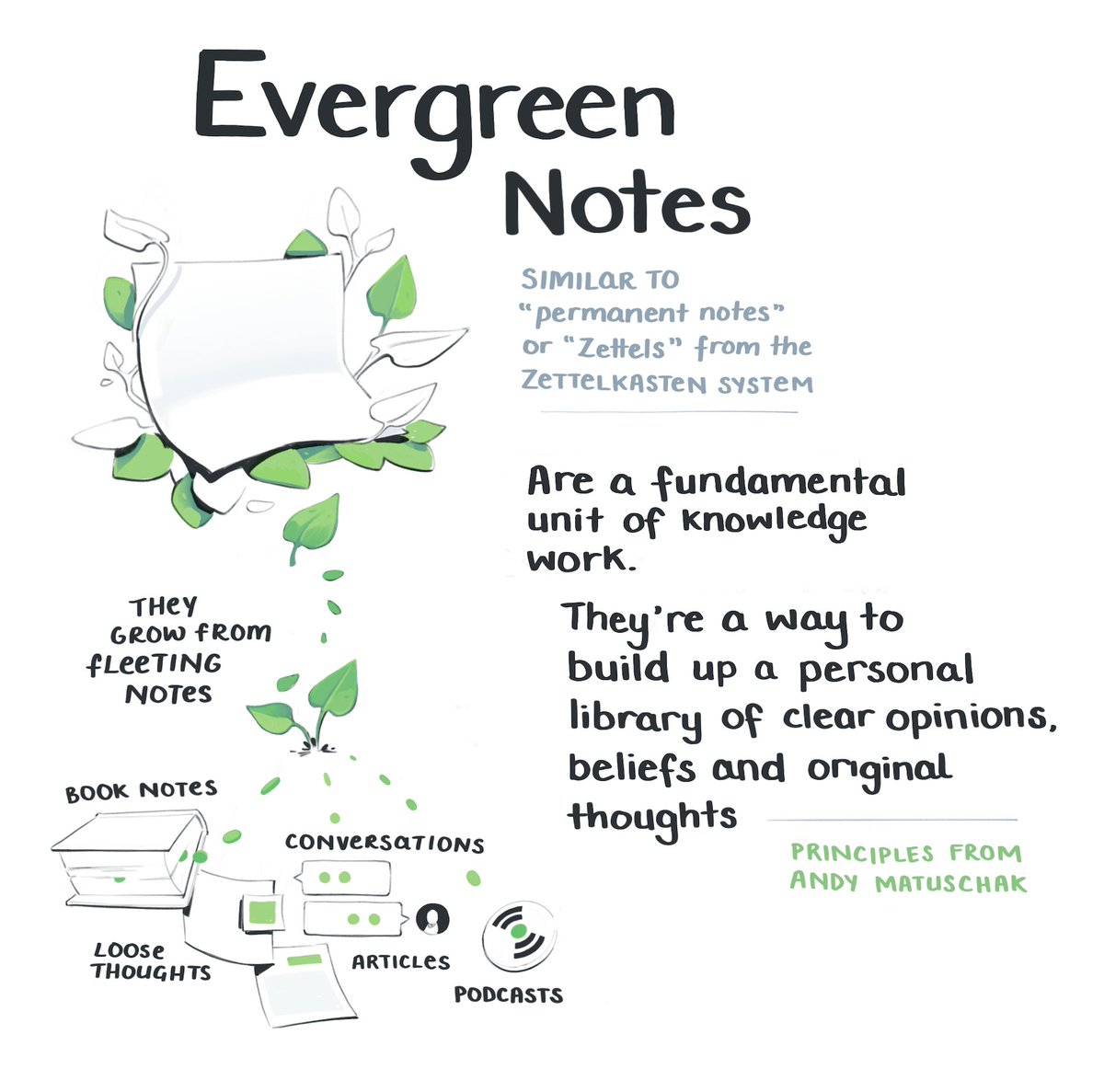
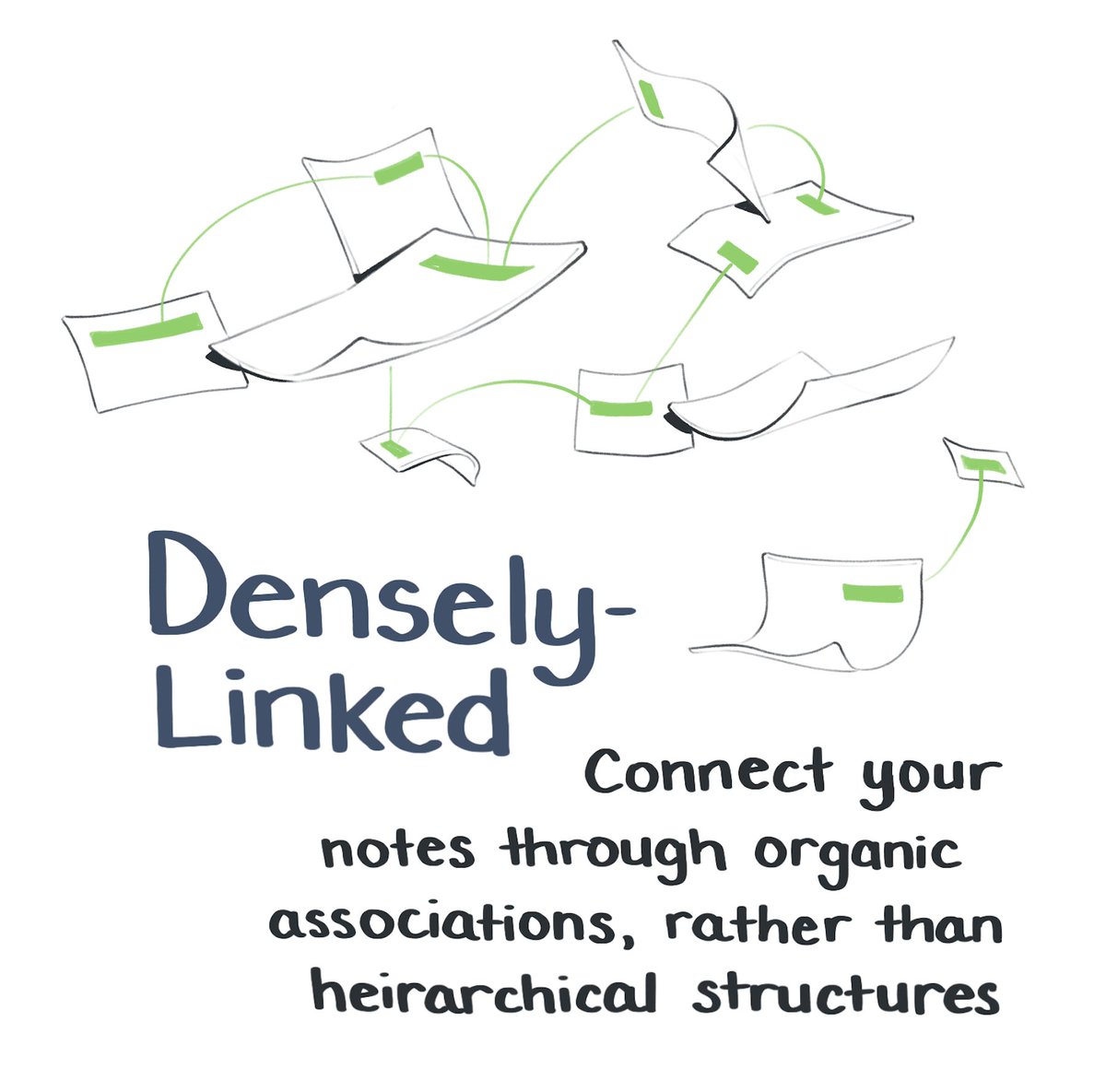
In a true meta-note-nerd move, I illustrated summary notes on @andy_matuschak 's Evergreen notes concept.
https://t.co/XWbOru1Ugz
They're similar to the concept of Zettles, but Andy's horticultural metaphor made it click for me
As usual, I'm just here for the metaphors 🌱
I'm procrastinating tonight so I'll share a quick management tool I use. It's close to the end of H1 so performance reviews are coming. I tell this to my reports: "Your work is going to be distilled into a story, please help me tell a good one so I can represent your work well"
✨ we created a skills map to assess for @figmadesign proficiency! there are plenty of ways and orders that you can learn these skills, but this is our first pass at it. we hope to use this to develop better training for our students!
What got me thinking seriously about this topic were Ted Nelson's book "Dream Machines" and @andy_matuschak's essays "Why books don't work" https://t.co/Fz0UM7tCKi
Two things I keep thinking about:
- Structured degrees should be replaced by guided learning journeys.
- There is huge potential to invent more effective explanatory media.
In one way or another, I want to help to make both happen.