I meditate on the Word to find answers, but I'm often left with instructions..
I ask myself, will this ever end?......
Well, i guess things only make sense in retrospect..
So much i want to become, but so little i can do at once,
There are things i deeply want, but I don't know how to get..
I make a move to try, but the world doesn't care if you are new or experienced. It treats everyone equally....
Time is running out, but you are still young.
JUST IN: Nvidia $NVDA crashes 23% in its biggest weekly decline since the 2008 financial crisis.
Over $975,000,000,000 in market cap has been wiped out since Jensen Huang resigned as CEO.
I’ve decided to leave NVIDIA. There are a few things I want to say.
As a robotics engineer at NVIDIA, I have seen Jensen as much more than the company’s CEO.
I admire his willingness to invest in a future that was not yet obvious. He committed to CUDA long before the deep learning boom and positioned NVIDIA for AI before it became everyone’s priority. Those decisions helped build the infrastructure that powers today’s AI.
I have seen that same vision in physical AI: investing in robotics, sharing open-source tools and projects, and building computing platforms that bring AI into the physical world. This is the work I do every day—and a future I believe in.
But what matters most to me is the culture he helped build.
Engineers are encouraged to explore, take risks, and learn from mistakes. Jensen reads employees’ Top 5 emails, follows their work, and engages directly. In a company this large, that connection matters. It makes an individual engineer feel that their ideas can still be heard.
That is why this has been so disappointing.
I do not have all the facts surrounding the allegations, and I cannot prejudge the investigation. My admiration for Jensen does not put him above scrutiny.
What I find difficult to accept is having to come to terms with his departure before receiving an explanation that helps me understand it. What this means for our direction, our culture, and the people doing the work remains unclear to me.
I have felt that engineers’ perspectives matter here. On this decision, I have not felt heard. That gap has been more painful than I expected.
I understand that some information cannot be shared immediately. But that does not erase the feeling of being left outside a decision that affects the company we help build every day.
A company’s greatness comes from its leadership, its governance, and the people who turn its ambitions into reality. Employees’ trust and sense of belonging are part of that, too.
Jensen’s vision and the engineering culture he shaped were important reasons I wanted to stay. His departure led me to decide that my own chapter here should also come to a close.
I leave with sadness and gratitude. The colleagues I have worked with, and the work we believed in together, will always matter to me.
These are my personal views.
New week, new target. Forget the full amount for a second. What can you put away this week? That's the only number that matters right now. So what are you saving for first: rent, December, or that thing you keep postponing?
Imagina lavar platos en un Denny’s a los 15 años.
A los 30, fundar una empresa en una mesa de ese mismo restaurante.
Estar a solo 30 días de la quiebra.
Y 33 años después, dirigir la primera compañía pública de la historia en alcanzar los US$5 billones de capitalización.
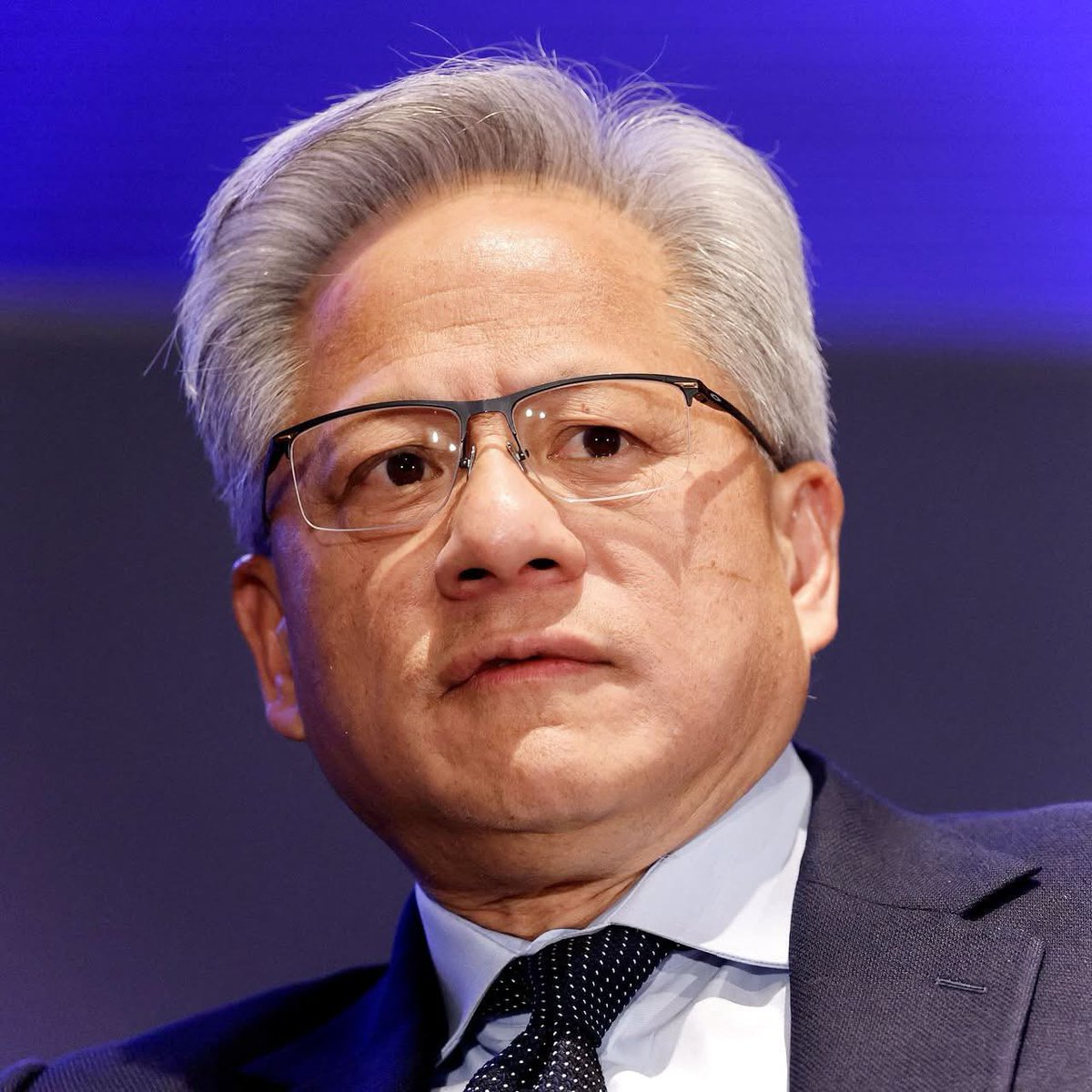
Su nombre es Jensen Huang, fundador de Nvidia.
Aunque hoy todo el mundo habla de él, la mayoría apenas conoce su nombre desde hace dos o tres años.
Pero su historia comenzó mucho antes de la revolución de la inteligencia artificial.
Nació el 17 de febrero de 1963 en Taiwán.
A los nueve años fue enviado a Estados Unidos y terminó en una institución de Kentucky que su familia había confundido con un internado, pero que funcionaba como un reformatorio.
Allí limpiaba baños.
Años después trabajó lavando platos y atendiendo mesas en un Denny’s de Portland.
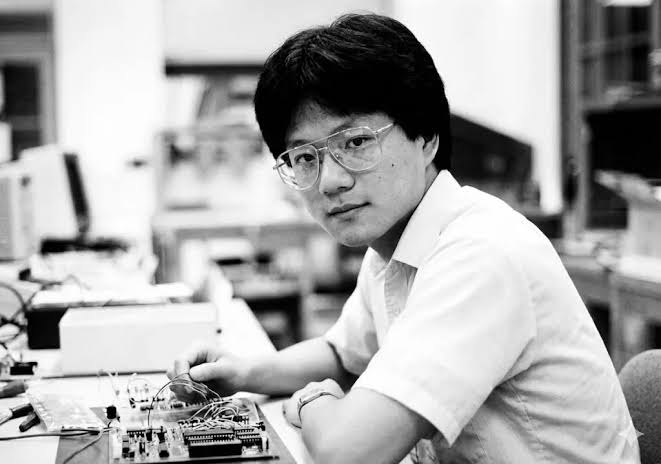
Estudió ingeniería eléctrica en Oregon State, donde conoció a Lori, quien se convertiría en su esposa. Posteriormente pasó por Stanford, AMD y LSI Logic.
Hasta que llegó el 5 de abril de 1993.
En un Denny’s de San José, junto a Chris Malachowsky y Curtis Priem, fundó Nvidia.
Tenía 30 años y una idea: desarrollar tecnología gráfica capaz de transformar la computación.
Pero el camino estuvo lejos de ser sencillo.
Su primer chip fracasó.
El segundo tampoco consiguió los resultados esperados.
En 1997, cuando Nvidia lanzó el RIVA 128, la empresa estaba al borde del colapso.
Huang ha contado que apenas les quedaba dinero para pagar un mes de nómina.
De aquella experiencia nació una filosofía que lo acompañaría durante décadas:
"Nuestra empresa está a 30 días de quebrar".
En 1999, Nvidia salió a bolsa a US$12 por acción, con una valoración aproximada de US$343 millones.
Ese mismo año presentó la GeForce 256, comercializada como la primera GPU del mundo.
En 2006 llegó CUDA, una tecnología que permitió utilizar las tarjetas gráficas para mucho más que videojuegos.
En 2012, AlexNet demostró el potencial del aprendizaje profundo utilizando GPU de Nvidia.
Y entonces llegó ChatGPT.
De repente, el mundo necesitaba exactamente la infraestructura que Huang llevaba décadas construyendo.
Lo que parecía un éxito de la noche a la mañana era el resultado de 30 años de trabajo.
En mayo de 2023, Nvidia alcanzó US$1 billón de capitalización.
En junio de 2024 superó los US$3 billones, mientras Huang era recibido en Taiwán como una estrella de rock. La prensa bautizó el fenómeno como Jensanity.
Y en octubre de 2025, Nvidia se convirtió en la primera empresa pública en alcanzar los US$5 billones.
Para dimensionarlo:
Ajustado por los splits, el precio de salida a bolsa equivalía aproximadamente a US$0.025 por acción.
El 11 de noviembre de 2026 cerró en US$173.73.
Una multiplicación cercana a 6,949 veces.
Su patrimonio también experimentó una transformación extraordinaria.
En 2023 ocupaba el puesto 76 de Forbes, con una fortuna estimada de US$21,100 millones.
En noviembre de 2026, su patrimonio rondaba los US$151,000 millones, situándolo entre las personas más ricas del mundo.
Sin embargo, esta semana su nombre volvió a los titulares por motivos muy distintos.
Huang quedó envuelto en una controversia personal y en informaciones periodísticas sobre un presunto vínculo con espionaje chino, una acusación que no está demostrada y que China niega.
En medio de la polémica, Nvidia perdió un 9.5% en dos sesiones bursátiles, aunque no puede atribuirse toda esa caída a la controversia.
Y aquí hay algo que vale la pena recordar:
Una trayectoria empresarial extraordinaria no convierte a nadie en una persona perfecta.
Podemos reconocer su visión, estudiar sus decisiones y admirar lo que construyó sin confundir el éxito profesional con la integridad personal.
Porque la historia de Nvidia no es una historia de perfección.
Es una historia de fracasos, riesgos, perseverancia y decisiones que tardaron décadas en dar sus frutos.
Jensen Huang pasó de lavar platos a dirigir una de las empresas más valiosas de la historia.
Y durante buena parte de ese camino, casi nadie sabía quién era.
33 años para construirla. Dos o tres para que casi todos aprendieran su nombre.