After years of La Niña conditions in the equatorial Pacific Ocean, scientists predict that El Niño is likely coming. Recent sea level data shows Kelvin waves rippling across this region, and these waves often act as a precursor to El Niño: https://t.co/jdLTXcsKH0
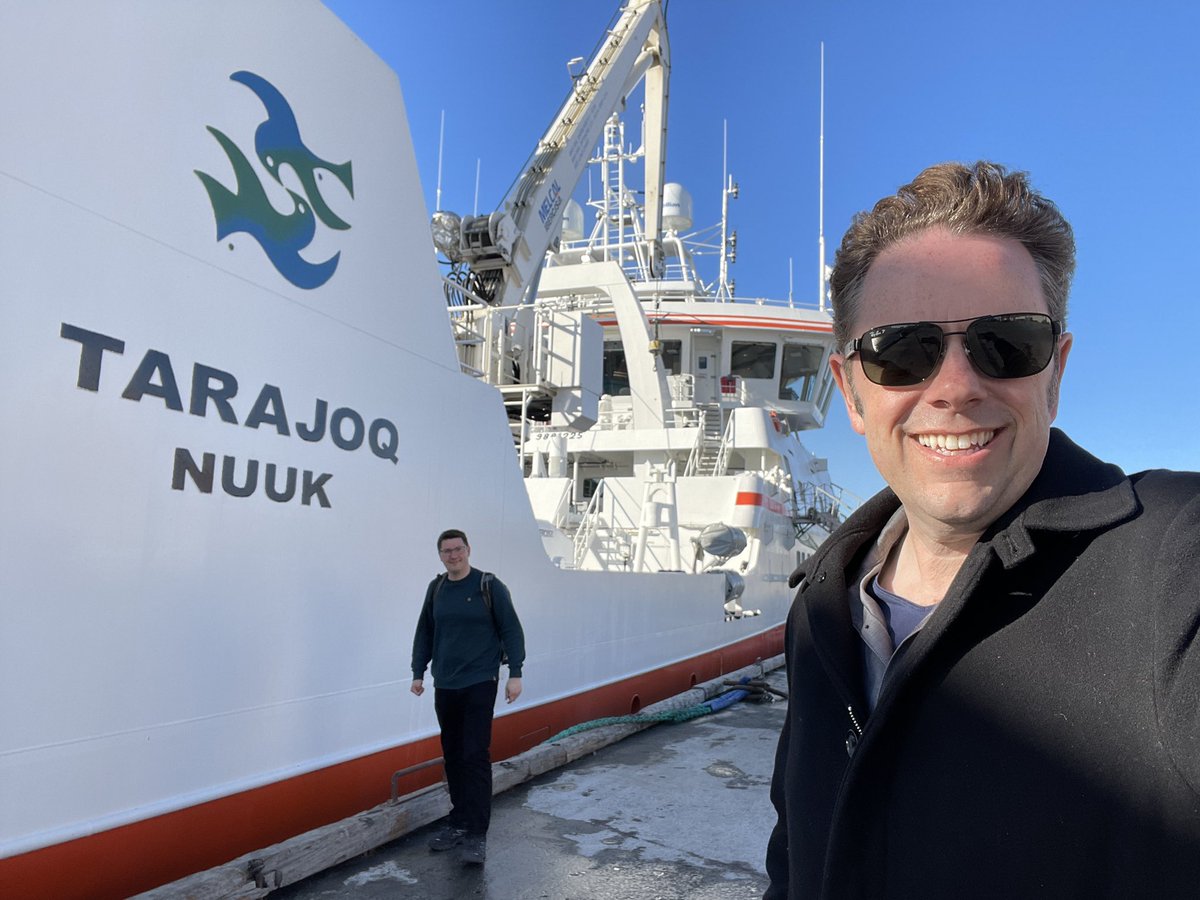
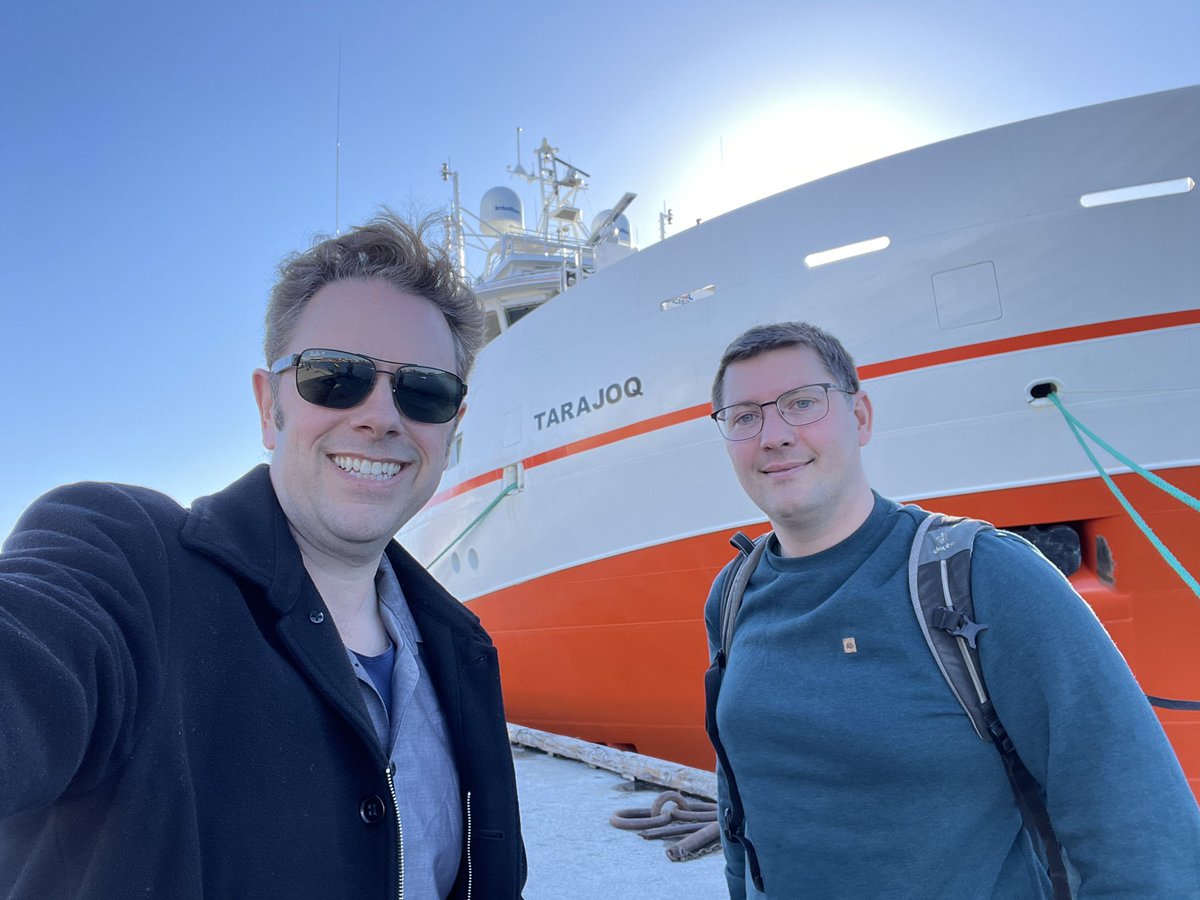
Got to see some more of the fjords around Nuuk and collect some more data with Mike Wood and @Lorenz_Meire today. Another beautiful day here! #science#climate
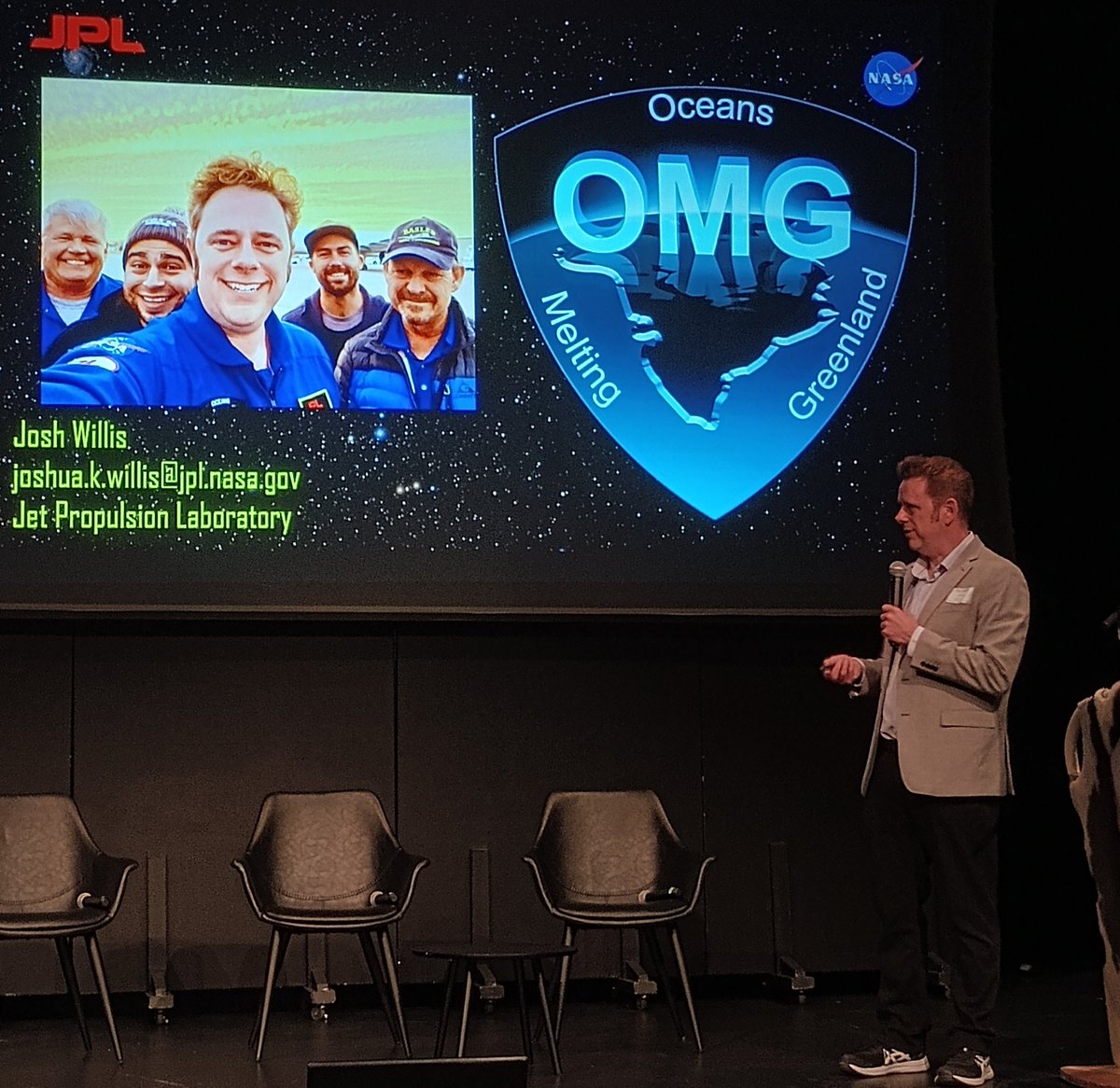
How much is the ocean causing glacier melt-back in Greenland? @NASAJPL@omgnasa Dr Josh Willis provides an update on the https://t.co/2dVtZX0FNO project that's revealing how sea water is interacting with Greenland's largest glaciers!
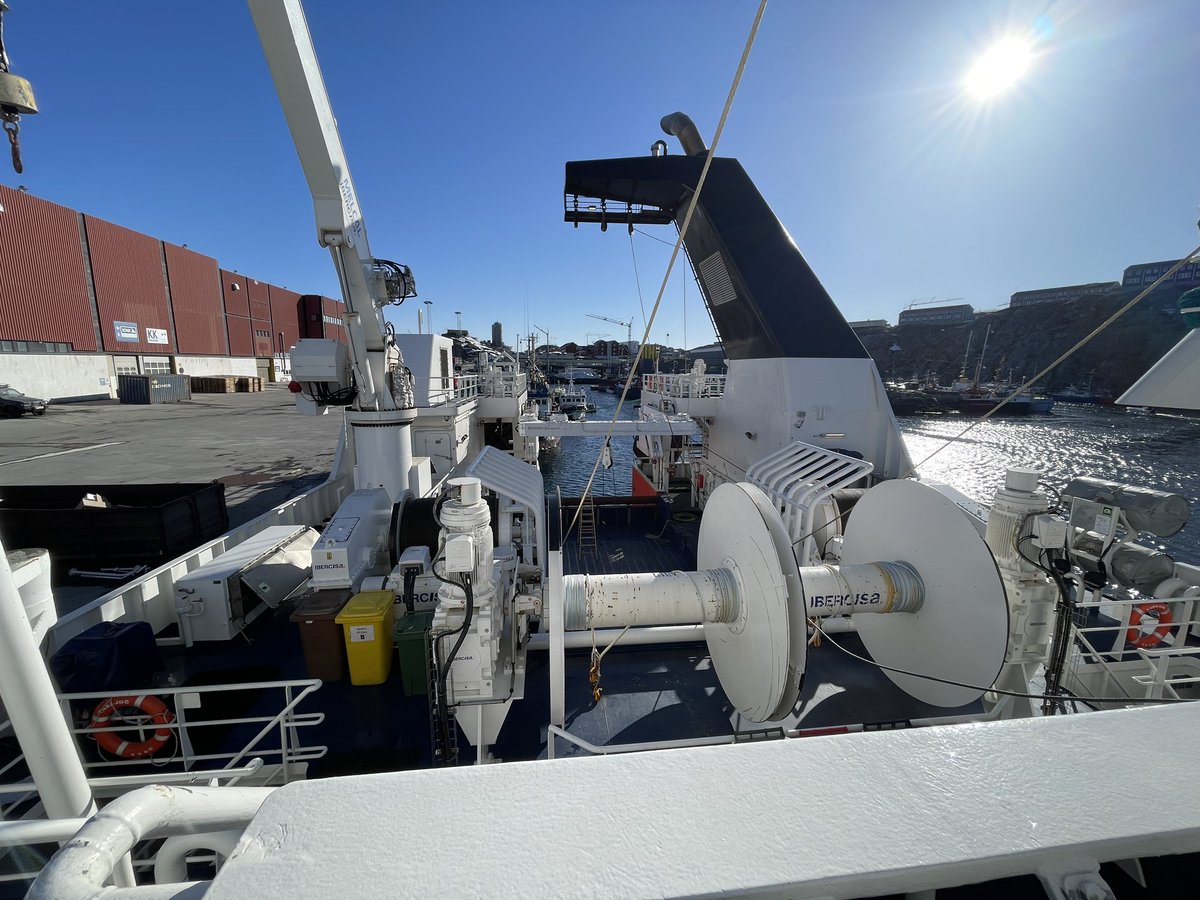
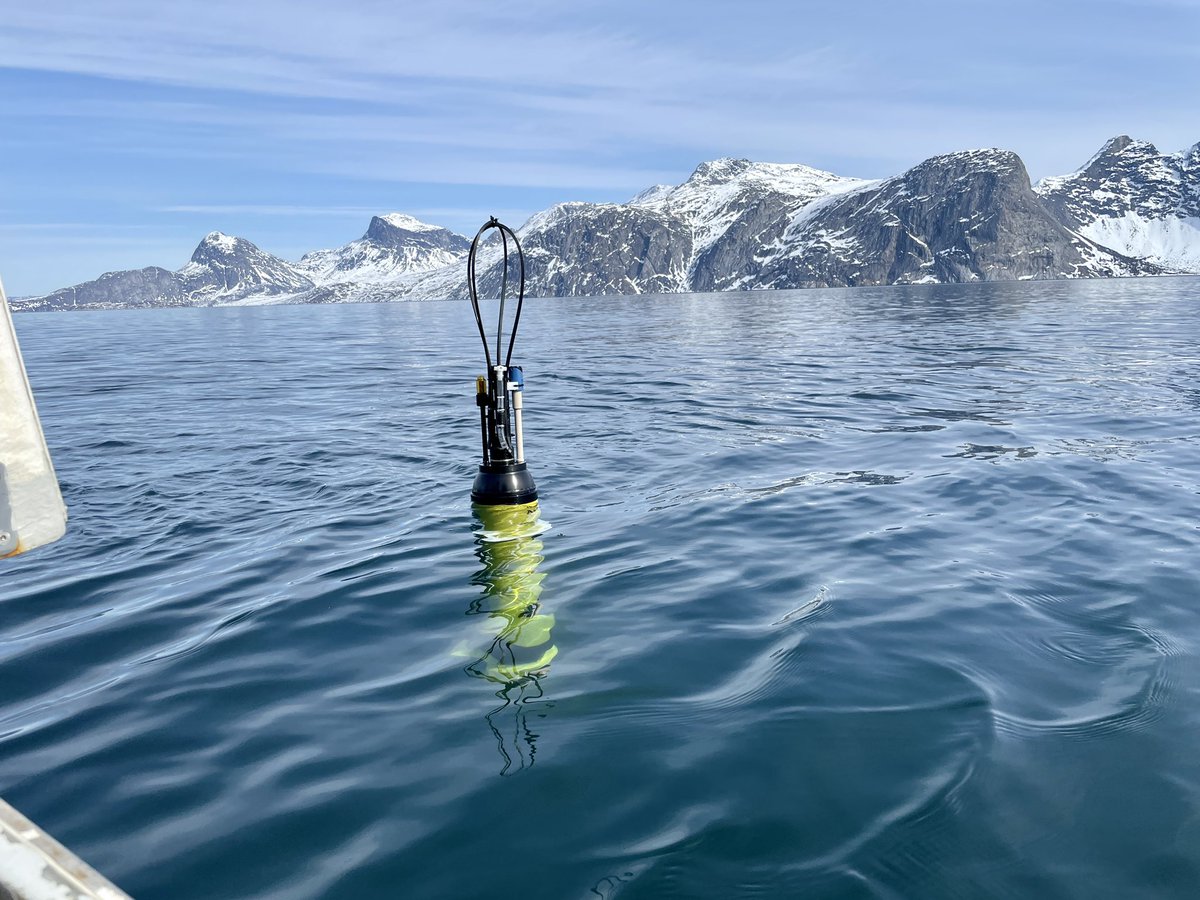
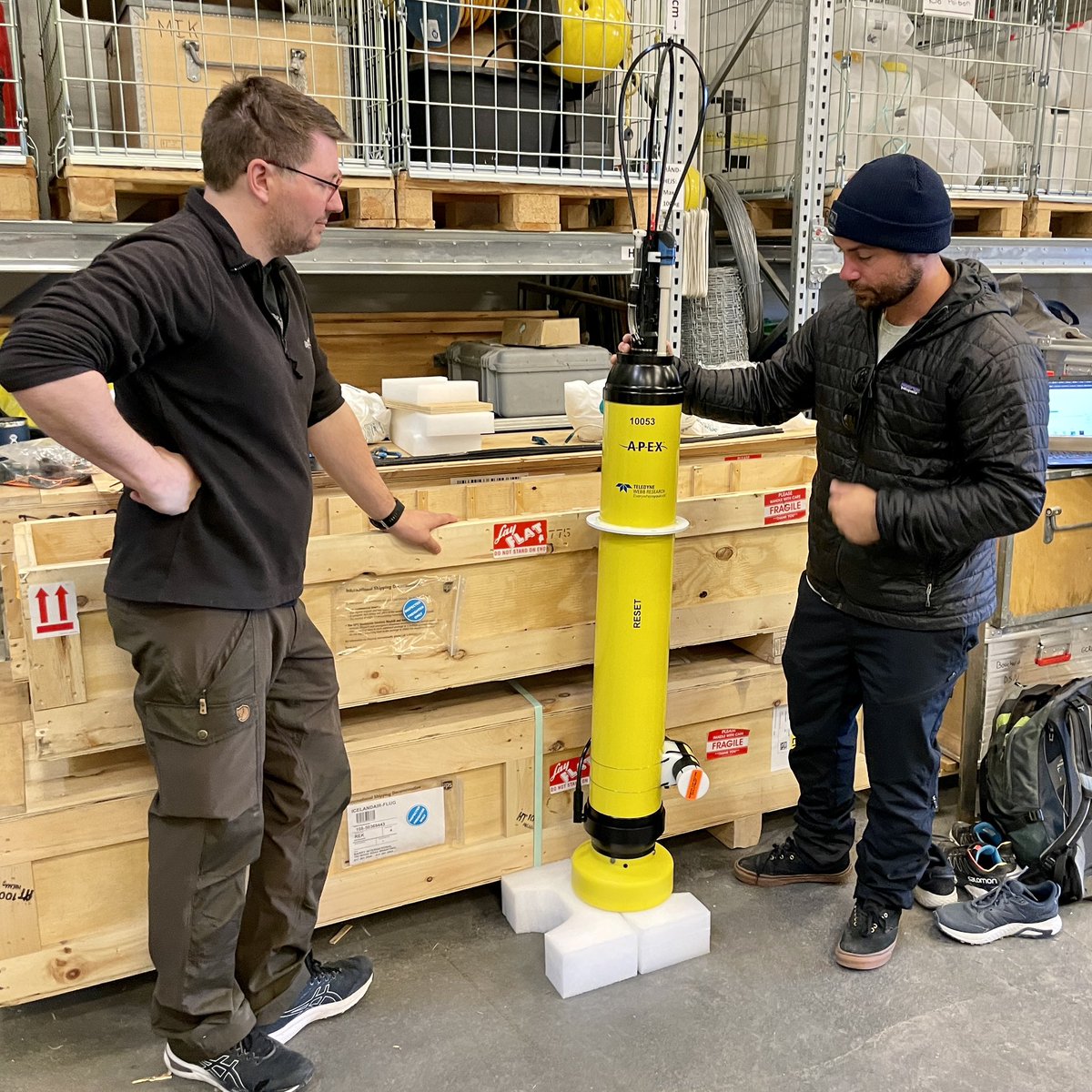
Since OMG ended Mike Wood and I have been working with @Lorenz_Meire from the Greenland Institute of Natural Resources. Today we are deploying this APEX float to monitor ocean conditions in the fjord north of Nuuk #omgnasa#climate#GINR
@MarkA1865@DrWKID There are also MANY other pieces of evidence that show it's CO2: The lower atmosphere is warming, while the upper atmosphere is cooling, suggesting heat is trapped by the changing atmosphere, more heat returns to Earth, less heat escapes to space... etc.
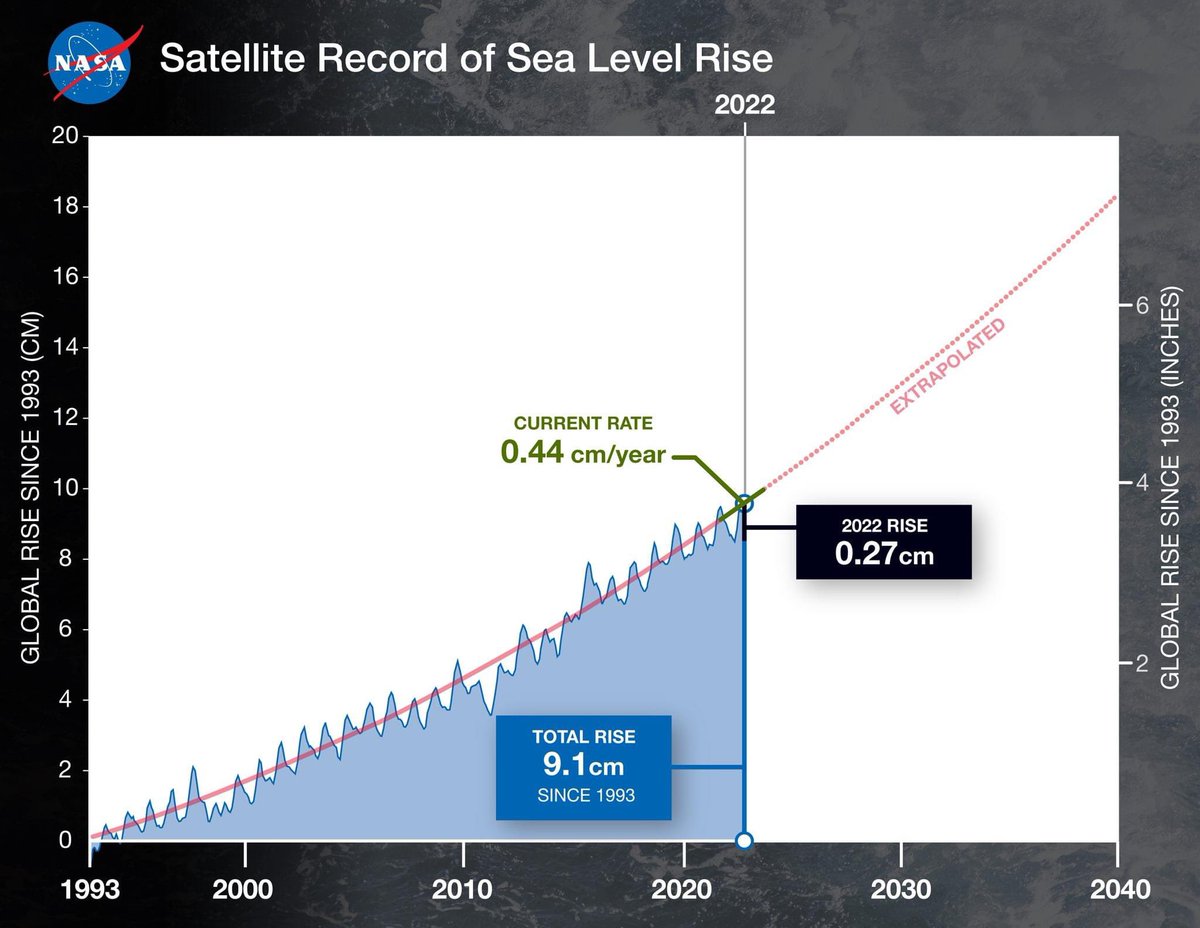
The rising oceans measured by satellites. Sea levels have gone up globally by over 9 centimeters in 30 years and the rate of rise has more than doubled in that time. #sealevelrise#NASA
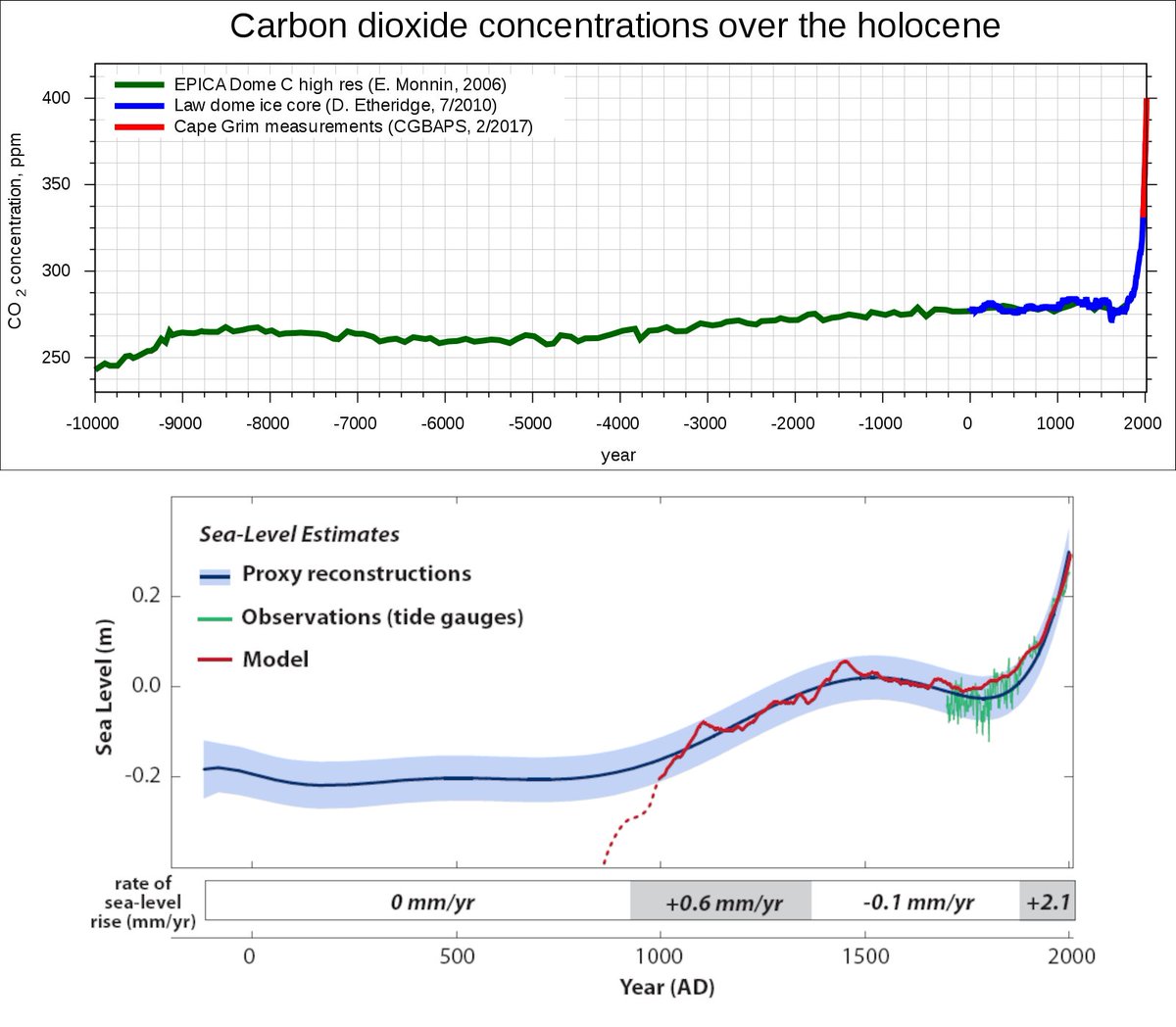
@MarkA1865@DrWKID The ocean requires at least 2000 years to completely adjust to a new atmosphere. But long records of both show that the only thing happening that can explain the warming and sea level rise of the last 150 years is humans adding CO2.
@TXPhoever And as you can see in the plot you posted, from about 6000 years ago to the present, sea levels have been stable, consistent with the VERY stable record over the last 2000 years (which I linked in my earlier tweet).
@TXPhoever Nope. In fact, sea levels were stable for about 2000 years after the end of the last ice age, and only started their rapid rise after the Industrial Revolution. https://t.co/SnPwGaguZ9
@crushdTin Over the short term (like one year or less) the water exchange is large, but in the longer term the loss of ice from glaciers and ice sheets is much bigger…