The way African people are awakening these day’s olemwa, lie in the name of God we shall challenge you at all times. @FrankGashumba ‘s question remains standing, any pastor to challenge?
When venture capitalists want to cash out and exit, they float an IPO and say that they want the ordinary citizens to own a piece of the company’s growth and success. Very generous people!
Coffee goes stale because of oxygen, not distance. Nitrogen-flushed, foil-sealed bags with one-way valves hold roasted coffee fresh for months. Nespresso and Illy ship roasted coffee worldwide this way.
"You cannot substitute institutional check and balances with military decrees, and you cannot run an economy by replacing property rights with state monopolies."
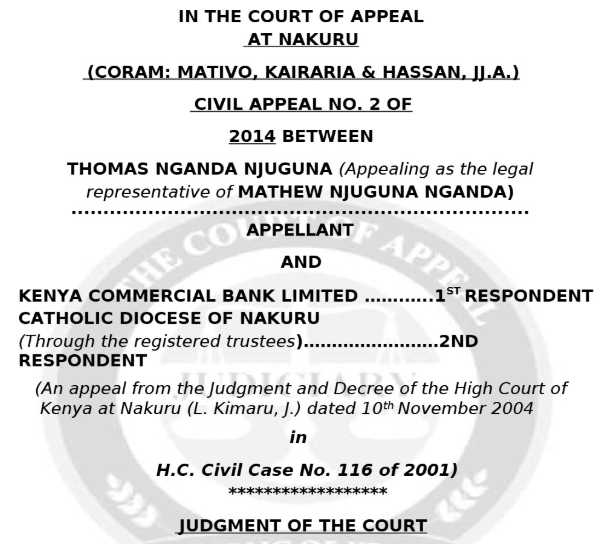
🚨🚨 THE BANK SELLS YOUR LAND FOR KShs 7 MILLION, YOU SAY IT IS WORTH KShs 27.6 MILLION - CAN YOU GET THE LAND BACK? COURT OF APPEAL HAS SPOKEN
In Thomas Nganda Njuguna v Kenya Commercial Bank Ltd & another, the Court of Appeal at Nakuru has delivered a major warning to borrowers who default on loans secured by land. The borrower had charged approximately 306.5 acres to KCB after borrowing KShs 750,000, repaid about KShs 300,000, and later defaulted for years. The property was eventually sold by public auction for KShs 7 million, yet the borrower argued that it was worth approximately KShs 27.6 million and challenged the sale, alleging defective notice, irregular auction procedure, gross undervalue and fraud. The Court rejected the challenge. It found that the statutory notice had been issued and served, the default remained uncured for years, the property had been publicly advertised and genuinely auctioned, and the KShs 7 million price was supported by forced-sale valuation evidence - including a valuation placing the forced-sale value at KShs 5.5 million and an independent valuation of about KShs 10.05 million.
🔥 BUT HERE IS THE PART THAT SHOULD MAKE EVERY BORROWER PAY ATTENTION: a borrower cannot simply point to a higher valuation and declare an auction fraudulent. The Court held that fraud must be specifically pleaded and strictly proved, and where a genuine public auction takes place and the purchaser is shown to have acted without fraud or collusion, section 69B of the Transfer of Property Act protects the purchaser's title. Even where there may have been an improper or irregular exercise of the mortgagee's power of sale, the statutory scheme contemplated a remedy in damages against the person exercising that power rather than automatically cancelling the innocent purchaser's title. The appeal was therefore dismissed. The message is clear: if your land is charged to a bank, default can ultimately put the property beyond your reach - and once an innocent purchaser acquires it through a lawful auction, proving that the land was “worth more” may not be enough to get it back.
Kindly retweet widely🙏🙏
From 1 October, most foreign visitors to mainland Tanzania must buy a government travel‑insurance policy (about US$44, valid up to 92 days) when entering by air, land or sea. Some EAC/SADC residents, diplomats, transit passengers and certain permit‑holders are exempt.
Aliko Dangote has played down the Lamu land dispute, saying legal challenges are not unusual for the group.
“This is normal for us in Africa. In fact, this is small,” he said, adding: “In Senegal they stopped our factory. We went to the Supreme Court… anyone who wants to cause trouble, we are ready.”
The Malindi Environment and Land Court ordered the status quo maintained on LR No. 13061 until 14 October, but declined to stop the refinery groundbreaking.
Dangote said: “We know who is doing all this. We will face them.”
In Senegal, construction of Dangote Cement’s Pout plant was halted by an administrative order during a land dispute. In 2013, Senegal’s Supreme Court ruled the claimants had no lawful interest in the disputed property, after which the closure order was lifted.
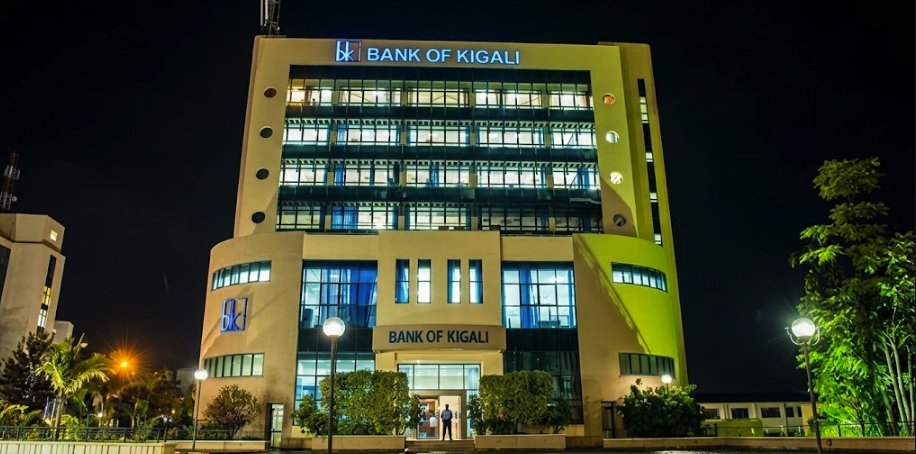
Bank of Kigali, Rwanda’s largest commercial bank, just became the first Rwandan lender to join China’s Cross-border Interbank Payment System (CIPS). With the move, the bank can settle transactions directly in yuan, reducing reliance on the US dollar for trade with China. OVER 67 African banks spanning 38 countries have joined the CIPS network through varying levels of participation.
CIPS completes cross-border yuan settlements in 300 milliseconds to 10 seconds, vastly outperforming SWIFT's 1 to 5 business days. Furthermore, its direct real-time clearing bypasses intermediate dollar conversions, cutting transaction costs by 95% to 98%.